The Most Venomous Animals Explained: How Venom Works and Why It Evolved
Photo: Alejandro Orozco / Pexels
The geography cone snail (Conus geographus) moves at about 8 meters per hour, cannot bite, and has a shell so attractive that beachcombers routinely pick it up. It has killed multiple people this way. Its venom apparatus — a harpoon-like tooth extended on a flexible proboscis — can strike in any direction, including backward along the shell. The resulting sting delivers a cocktail of over 100 different peptide toxins that target ion channels in nerve and muscle cells, causing progressive paralysis. There is no antivenom. The geography cone snail illustrates the central lesson of venom biology: the delivery apparatus does not need to look threatening, and the chemical mechanism does not need to destroy tissue to be lethal. It only needs to interrupt the electrical chemistry of the nervous system at the right moment.
Venom vs. Poison: A Distinction That Matters
The terms "venomous" and "poisonous" are frequently used interchangeably and should not be.
Venom — a toxic substance actively delivered into another organism through a specialized apparatus (fangs, stingers, spines, teeth, harpoons). The venom is harmless if ingested in most cases.
Poison — a toxic substance that causes harm when an organism is eaten, inhaled, or touched. Poison frogs are poisonous, not venomous: they sequester toxins in their skin from dietary sources, and a predator is harmed by touching or consuming them, not by being injected.
The difference is not just semantic. Venoms are specifically evolved to be delivered into another organism's tissue; their molecular targets are internal physiological systems (ion channels, receptors, enzymes), not surface membranes. Poisons are typically broad-spectrum toxins that work by overwhelming digestion or contact absorption. The distinction also matters medically: venom can sometimes be ingested safely (drinking small amounts of snake venom causes little harm if the gut lining is intact) because it consists mostly of proteins destroyed by digestive proteases.
Source: Fry, B.G. et al. (2009), "The toxicogenomic multiverse: convergent recruitment of proteins into animal venoms," Annual Review of Genomics and Human Genetics, Vol. 10 — review of venom evolution and convergent protein recruitment.
How Venom Evolved: More Than 100 Independent Inventions
One of the most remarkable facts about venom is how many times it evolved independently. Current estimates place convergent venom evolution at more than 100 separate lineages across the animal kingdom. Vertebrates with venom include snakes (obviously), but also spurred platypuses, some shrews, several species of slow loris, the venomous Gila monster and beaded lizard, and venomous fish (lionfish, stonefish, weeverfish). Invertebrates extend the list enormously: jellyfish, cone snails, spiders, scorpions, centipedes, bees, wasps, ants, sea anemones, blue-ringed octopuses, and more.
Venoms in different lineages are biochemically heterogeneous, but they are not random. Several protein families appear repeatedly in evolutionarily unrelated venoms — recruited from non-toxic ancestral functions. The most commonly recruited protein types include:
- Phospholipases: enzymes that digest cell membrane lipids, causing local tissue destruction and systemic inflammation.
- Serine proteases: enzymes that cleave proteins, disrupting blood clotting and tissue integrity.
- Three-finger toxins: small proteins with a distinctive three-looped structure, many of which block nicotinic acetylcholine receptors and cause paralysis.
- Disulfide-rich peptides: small, stable peptides (like conotoxins and spider toxins) that target ion channels with high specificity.
The recurring theme is that evolution repeatedly recruits the same molecular classes because they happen to have the right chemical properties — small, stable, capable of binding proteins in another organism's physiology — to function as toxins.
Source: Casewell, N.R. et al. (2013), "Complex cocktails: the evolutionary novelty of venoms," Trends in Ecology and Evolution, Vol. 28 — analysis of venom complexity and evolutionary origins.
The Inland Taipan: The Most Toxic Snake Venom
Ranking venomous animals requires specifying what is being measured. The most common metric is LD50 — the dose (in milligrams of venom per kilogram of body weight) lethal to 50% of test animals in controlled conditions, typically measured in mice. A lower LD50 number indicates a more potent venom.
By LD50 measurement in mice, the inland taipan (Oxyuranus microlepidotus), also called the fierce snake, has the most toxic venom of any snake — roughly 0.025 mg/kg via subcutaneous injection. This makes its venom estimated to be 200–400 times more toxic than that of a common cobra by the same metric. A single average bite delivers approximately 44 mg of venom — enough, by LD50 extrapolation, to kill over 100 adult humans or an estimated 250,000 mice.
Source: Ernst, C.H. & Zug, G.R. (1996), Snakes in Question: The Smithsonian Answer Book, Smithsonian Institution Press — standard reference for comparative snake venom data.
The inland taipan's venom is a precisely coordinated molecular assault. Its primary toxic components are:
Oxylepitoxin-1 (paradoxin): a presynaptic neurotoxin in the three-finger toxin family that blocks the release of acetylcholine at the neuromuscular junction. Muscles stop receiving nerve signals; paralysis follows, ultimately including respiratory muscles.
Textilotoxin-related components: phospholipase A2 variants that attack the membranes of motor nerve terminals, further disrupting neurotransmitter release.
Hyaluronidase: an enzyme that degrades hyaluronic acid (a connective tissue component), acting as a "spreading factor" that increases tissue permeability and accelerates venom diffusion.
Despite possessing the most toxic venom, the inland taipan is considered one of the least dangerous snakes to humans in practice. It is reclusive, inhabits remote semi-arid regions of central Australia, rarely encounters humans, and attempts to avoid confrontation. Documented envenomations are extremely rare; all known cases in which antivenom was administered have resulted in survival. The lesson: toxicity and lethality to humans are not the same. The most dangerous snakes by human fatality count are the saw-scaled viper (Echis carinatus) and Russell's viper (Daboia russelii), both common in densely populated South Asian regions.
Box Jellyfish: Cardiotoxic and Rapid
The box jellyfish (class Cubozoa) occupies a different threat category from snakes. While inland taipan venom is extraordinarily potent by LD50 but rarely encountered, box jellyfish pose a genuine acute public health risk in Indo-Pacific coastal waters. Chironex fleckeri, the largest box jellyfish species, is responsible for deaths that can occur within two to five minutes of envenomation — faster than almost any other venomous animal.
Box jellyfish — a class of jellyfish (Cubozoa) distinguished from true jellyfish (Scyphozoa) by having a box-shaped bell with four clusters of tentacles, complex eyes (the most sophisticated in non-bilaterally symmetrical animals), and extraordinarily potent venom.
C. fleckeri tentacles can extend 3 meters (10 feet) from a bell up to 30 centimeters (12 inches) in diameter. The tentacles are studded with millions of nematocysts — specialized cells that fire a coiled, barbed, hollow thread under osmotic pressure when triggered by chemical or mechanical contact. The thread penetrates skin and injects venom into subcutaneous tissue and blood vessels.
Box jellyfish venom is chemically distinct from snake venom and operates through multiple parallel mechanisms. The primary lethal components are pore-forming toxins — proteins that insert into cell membranes and create permanent holes, causing cells to lyse (rupture) by osmotic imbalance. In cardiac muscle cells, this membrane disruption triggers catastrophic depolarization and arrhythmia. The cardiomyopathy caused by C. fleckeri venom can cause cardiac arrest within minutes — a speed that genuinely distinguishes it from most other venomous animals.
Source: Yanagihara, A.A. & Shohet, R.V. (2012), "Cubozoan venom-induced cardiovascular collapse is caused by hyperkalemia and prevented by zinc gluconate in mice," PLOS ONE, Vol. 7 — study identifying hyperkalemia (potassium efflux from lysed cells) as the cardiac arrest mechanism.
The mechanism appears to involve massive release of potassium from lysed red blood cells and cardiac cells, causing lethal hyperkalemia (excess potassium in blood). High extracellular potassium depolarizes cardiac cell membranes, rendering the heart electrically silent. This finding has led to investigation of zinc gluconate as a potential treatment, since zinc ions block the pore-forming activity of the toxin in laboratory conditions — though no antivenom or treatment is yet consistently effective in severe envenomations.
Cone Snails: 100+ Toxins and a Drug That Works
Cone snails (genus Conus, approximately 800 species) are marine gastropods that hunt fish, worms, or other mollusks by firing a harpoon-like modified tooth — the radula — on a flexible proboscis. The radula injects venom that contains a pharmacological arsenal unique in the animal kingdom.
Each Conus species produces a venom consisting of 50–200 different conotoxins (also called conopeptides) — small peptides typically 10–35 amino acids long, highly stabilized by disulfide bonds. Different conotoxin classes target different molecular targets with remarkable specificity:
- Alpha-conotoxins: block nicotinic acetylcholine receptors (same target as some snake toxins, but structurally distinct molecules).
- Mu-conotoxins: block voltage-gated sodium channels in muscle, causing paralysis.
- Omega-conotoxins: block voltage-gated calcium channels in nerve terminals, preventing neurotransmitter release.
- Conantokins: block NMDA receptors (glutamate receptors in the brain).
- Contulakins: target neurotensin receptors involved in pain signaling.
The geography cone snail (Conus geographus) is the most dangerous species, known to have caused multiple human fatalities. Its venom includes "conkunitzin" variants and unique "conantokin G" peptides that produce a progressive multi-system failure. The estimated human lethal dose is small: perhaps a few hundred micrograms of crude venom.
Source: Olivera, B.M. et al. (1990), "Diversity of Conus neuropeptides," Science, Vol. 249 — foundational work on conotoxin diversity and classification by Baldomero Olivera's group at University of Utah.
The medical potential of cone snail venom is substantial and has already produced one approved drug. Ziconotide (trade name Prialt), approved by the FDA in December 2004, is derived from omega-conotoxin MVIIA — a peptide originally identified from the venom of Conus magus (the magician's cone snail). Ziconotide is a synthetic version of this peptide, delivered intrathecally (directly into cerebrospinal fluid) for severe, treatment-resistant chronic pain.
Ziconotide blocks N-type voltage-gated calcium channels (Cav2.2) in the dorsal horn of the spinal cord — the synapses where pain signals from peripheral nerves make their first connection to the central nervous system. By blocking calcium entry at these synapses, it prevents the release of pain neurotransmitters (substance P, glutamate) and interrupts pain signaling at the spinal level. Unlike opioids, it does not bind to opioid receptors, produces no dependence or tolerance, and is estimated to be 1,000 times more potent than morphine by weight for this specific type of pain.
Source: Miljanich, G.P. (2004), "Ziconotide: neuronal calcium channel blocker for treating severe chronic pain," Current Medicinal Chemistry, Vol. 11 — review of ziconotide pharmacology and clinical development.
Spider Venom: Diversity and Precision
With approximately 45,000 described species, spiders constitute one of the largest venomous groups. Nearly all spiders are venomous (exceptions are two families lacking venom glands), though most species have fangs too small to penetrate human skin or venom too mild to cause significant harm.
The Brazilian wandering spider (Phoneutria nigriventer) is considered the most dangerous spider to humans in terms of clinical significance: it is large, aggressive, found in densely populated areas of Brazil and South America, and its venom contains PhTx3-4 peptides that cause severe pain, autonomic dysfunction, and in serious cases, systemic toxicity. An unusual effect in male envenomation is priapism (prolonged, painful erection) caused by nitric oxide release — a mechanism that has attracted interest for erectile dysfunction drug development.
The Sydney funnel-web spider (Atrax robustus) produces atracotoxins — peptides that cause massive, uncontrolled firing of all nerve types by preventing sodium channel inactivation. Before antivenom development in 1980, bites from male Sydney funnel-webs could be fatal within hours. The antivenom is now highly effective.
Source: Rash, L.D. & Hodgson, W.C. (2002), "Pharmacology and biochemistry of spider venoms," Toxicon, Vol. 40 — review of spider venom pharmacology and target diversity.
Scorpion Venom: Ancient and Highly Specific
Scorpions (order Scorpiones) are among the oldest venomous lineages: the fossil record extends back approximately 430 million years. Their venoms have been under refinement for longer than most animal groups have existed.
Scorpion venom is primarily composed of small cationic peptides (typically 30–70 amino acids) targeting ion channels — particularly potassium, sodium, and chloride channels. The most medically significant scorpion species are concentrated in the family Buthidae: the fat-tailed scorpions (Androctonus species) in North Africa and the Middle East, the bark scorpion (Centruroides sculpturatus) in North America, and Leiurus quinquestriatus (the death stalker) throughout the Middle East and North Africa.
The deathstalker's venom contains chlorotoxin — a 36-amino-acid peptide that blocks chloride channels in a highly cell-specific way. Remarkably, chlorotoxin has shown preferential binding to glioma (brain tumor) cells over normal brain cells in laboratory conditions, leading to research into its potential as a tumor-targeting agent for glioblastoma imaging and drug delivery.
Source: Deshane, J. et al. (2003), "Chlorotoxin inhibits glioma cell invasion via matrix metalloprotease-2," Journal of Biological Chemistry, Vol. 278 — study demonstrating glioma selectivity of chlorotoxin.
Why Venom Is a Medical Goldmine
The same properties that make venoms dangerous make them scientifically and medically valuable. Venom components are typically:
- Highly specific: a conotoxin that blocks one subtype of calcium channel while leaving all other channel types unaffected is, in pharmacological terms, an exquisitely selective ligand.
- Highly potent: they evolved to produce effects at the nanomolar or picomolar concentrations achievable by small amounts of venom.
- Structurally stable: disulfide-rich venom peptides are often resistant to degradation by proteases, a useful property for drug development.
The drug development pipeline from venom compounds extends well beyond ziconotide. Captopril, one of the first ACE inhibitor antihypertensive drugs (treating high blood pressure), was developed from bradykinin-potentiating peptides found in the venom of the Brazilian lancehead pit viper (Bothrops jararaca). Eptifibatide, an antiplatelet drug used to prevent blood clots during cardiac procedures, was derived from a protein in pygmy rattlesnake venom.
Source: King, G.F. (2011), "Venoms as a platform for human drugs: translating toxins into therapeutics," Expert Opinion on Biological Therapy, Vol. 11 — review of venom-derived drugs in clinical use and development.
Q: What is the difference between venom and poison?
A: Venom is actively injected into another organism through a specialized delivery apparatus (fangs, stingers, spines). Poison causes harm when an organism is eaten, touched, or inhaled — no delivery apparatus is involved. Poison frogs are poisonous, not venomous. The distinction matters biologically (different evolutionary origins) and medically (different exposure routes and treatments).
Q: Which is the most venomous snake?
A: By LD50 in mice, the inland taipan (Oxyuranus microlepidotus) of central Australia has the most toxic venom. However, it is rarely dangerous to humans due to its remote habitat and non-aggressive behavior. By human fatality numbers, the saw-scaled viper and Russell's viper in South Asia cause far more deaths annually.
Q: How can box jellyfish kill so quickly?
A: Box jellyfish venom contains pore-forming toxins that punch holes in cell membranes, causing cells to lyse. When cardiac muscle cells lyse, they release potassium into the blood, causing hyperkalemia — excess blood potassium. High extracellular potassium depolarizes cardiac cell membranes, disrupting the electrical signals that coordinate heartbeat and potentially causing cardiac arrest within minutes.
Q: What drug was made from cone snail venom?
A: Ziconotide (Prialt), approved by the FDA in 2004, is derived from omega-conotoxin MVIIA found in the venom of Conus magus. It blocks N-type voltage-gated calcium channels in spinal pain pathways and is used for severe chronic pain unresponsive to other treatments. It is estimated to be 1,000 times more potent than morphine by weight and does not cause dependence.
Q: How many times did venom evolve independently?
A: Current estimates suggest venom evolved independently in more than 100 separate animal lineages — including snakes, spiders, scorpions, cone snails, platypuses, shrews, centipedes, jellyfish, and multiple fish groups. This convergent evolution repeatedly recruited similar protein families (phospholipases, serine proteases, ion channel-targeting peptides) because their chemical properties make them effective as toxins.
Q: Is it true you can drink venom safely?
A: In most cases, yes — with intact gut lining and no open wounds. Venoms consist primarily of proteins and peptides that are degraded by digestive enzymes in the stomach and small intestine before they can be absorbed in toxic form. However, this applies only to venoms from animals that do not also have oral-route toxins; some animals (like certain frogs) are genuinely toxic when ingested.
The Takeaway
Venom is not a curiosity of exotic animals in remote places — it is one of evolution's most successful and widespread chemical strategies, independently invented over 100 times. Its molecular logic is the logic of pharmacology: small, stable, highly specific molecules that bind to and disrupt precisely targeted protein machinery. The same specificity that makes cone snail venom lethal through ion channel disruption makes ziconotide a superior pain medication. The same bradykinin manipulation that makes pit viper venom dangerous led directly to captopril, a drug taken by tens of millions of people with hypertension. Understanding venom biology is not separate from understanding drug discovery — in many cases, it is drug discovery, conducted by 500 million years of evolutionary research and development with higher selection pressure than any pharmaceutical trial.
Read next:
Follow new articles
Add SciHub101 to your feed reader to see new science and technology stories.
About the Author
SciHub101 is an independent science and technology publication founded and edited by Buğra Sözeri, a software engineer and app developer based in Türkiye. AI tools assist with drafting and research. Source documentation in the existing archive is uneven, and articles are being reviewed and corrected. The Editorial Team byline identifies editorial responsibility; it does not certify specialist or independent human review. Where we compare products, anything built by our own team is labelled as such — see the editorial guidelines and About page for how corrections and disclosures work.
Related Articles
How Animals See the World Differently: UV, Infrared, and 16-Color Vision
The mantis shrimp has 16 types of photoreceptors. Pit vipers see heat. Many birds see ultraviolet colors invisible to humans and use them to choose mates. A dog's world is not black-and-white — it is dichromatic blue-yellow. Every animal lives inside a different visual universe shaped by what detecting which wavelengths was most useful for its ancestors. Here is what the science of animal vision actually reveals about perception.
The Smartest Animals Explained: How Science Measures Animal Intelligence
A New Caledonian crow can manufacture a hooked tool from a strip of wire it has never encountered before to retrieve food from a tube. A bottlenose dolphin calf recognizes itself in a mirror at seven months — something a human child cannot do until age two. Defining animal intelligence turns out to be one of the most revealing questions in all of science.
How Animals Were Domesticated: Genetics, Behavior, and the Domestication Syndrome
Dogs diverged from wolves at least 15,000 years ago — possibly 40,000 years ago — and the transformation involved not just behavioral tameness but a cascade of physical changes no one selected for: floppy ears, piebald coats, shortened snouts, reduced brain volume. The same cluster of traits appears in domesticated cattle, pigs, horses, and foxes bred in a 60-year Russian experiment. This pattern has a name, a mechanistic explanation, and implications for understanding a transition that reshaped the human species.
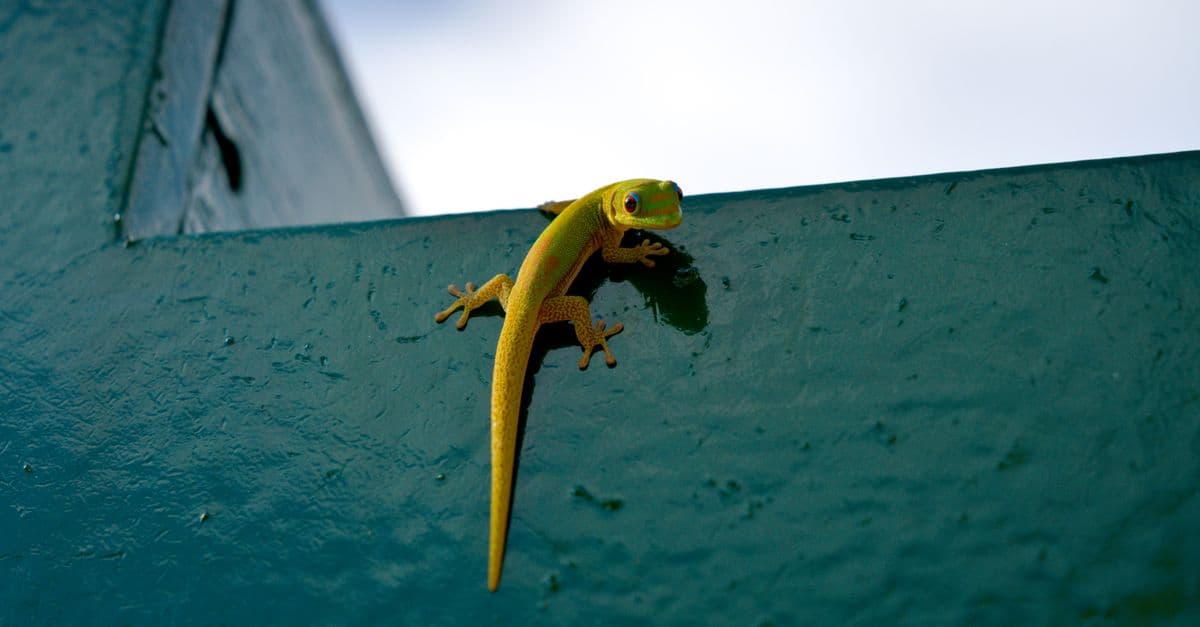
How Geckos Stick to Walls: Van der Waals Forces and Dry Adhesion
A gecko weighing 70 grams can hang from a ceiling by a single toe. The adhesive force available from its feet has been measured at approximately 20 Newtons — enough to support the weight of roughly 40 geckos simultaneously. No glue is involved. No suction cups. The mechanism is quantum-mechanical: trillions of nanoscale hair structures bring gecko toe pads into such intimate contact with surfaces that the quantum interactions between electrons in adjacent molecules provide enough combined force to defy gravity.
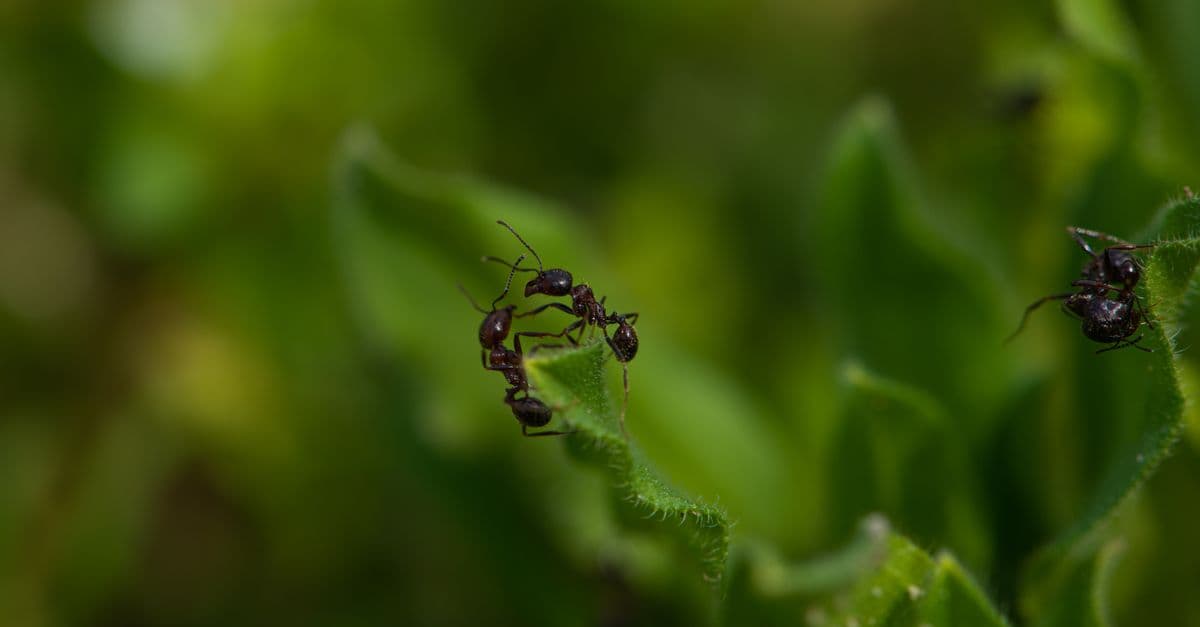
How Ant Colonies Work: Superorganisms, Pheromones, and Swarm Intelligence
A single ant is close to useless. It has a brain with roughly 250,000 neurons — less than a fruit fly — and no capacity to plan, strategize, or solve multi-step problems alone. Put 500,000 of them together in a colony, and the collective builds climate-controlled fungal farms, wages organized warfare, manages waste disposal, and solves the traveling salesman problem with road networks that engineers have benchmarked against modern infrastructure. The colony is the organism.
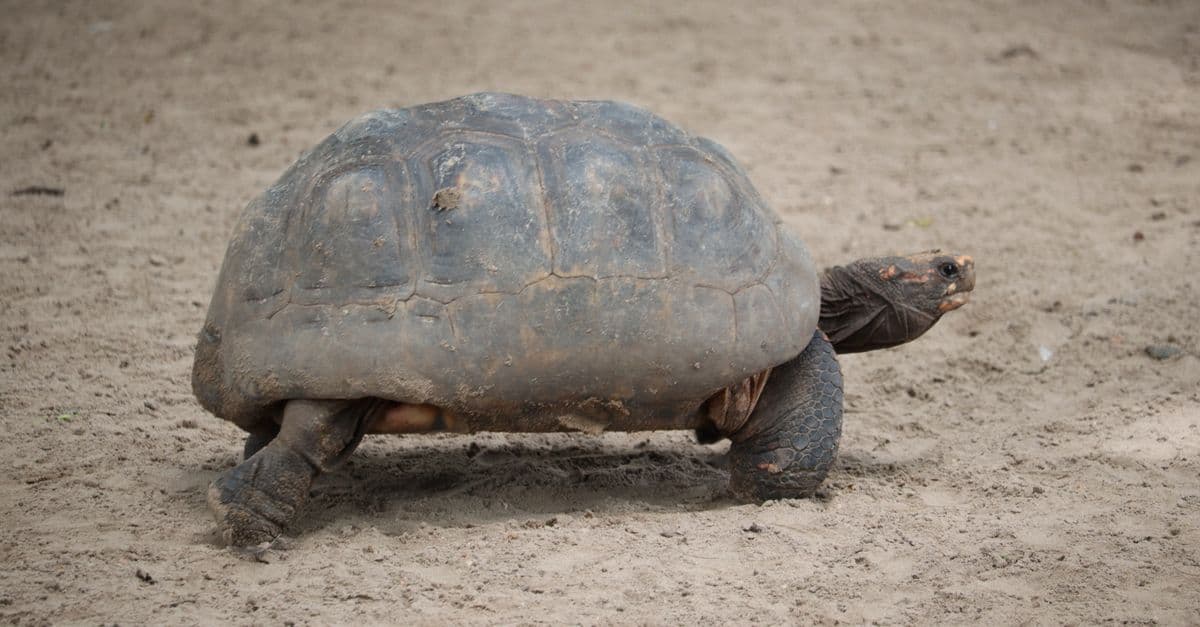
The Longest-Living Animals Explained: Biology of Extreme Longevity
A Greenland shark alive today may have been born before the Thirty Years' War ended in 1648. An ocean quahog clam called Ming was 507 years old when researchers accidentally killed it by opening its shell. A bowhead whale carries harpoon fragments from weapons manufactured in the 1800s, embedded in its blubber for over a century. Extreme longevity in animals is not accidental — it is the product of specific biological mechanisms that researchers are now mapping in molecular detail.