Artificial Intelligence
AI Data Provenance Explained: Tracing Training and Retrieval Evidence
AI data provenance records where data came from, how it changed, which permissions apply and how it was used. See what it proves, and what it cannot.
139 articles tagged with #machine-learning
AI data provenance records where data came from, how it changed, which permissions apply and how it was used. See what it proves, and what it cannot.
AI observability combines telemetry, evaluation, drift detection and incident response so teams can understand what models and agents do after deployment.

Model distillation trains a smaller model to imitate a larger model's outputs, often reducing cost and latency while preserving much of the behavior.
Synthetic data can fill gaps, protect privacy, and teach rare cases, but it can also amplify errors. This guide explains where it works and where it fails.
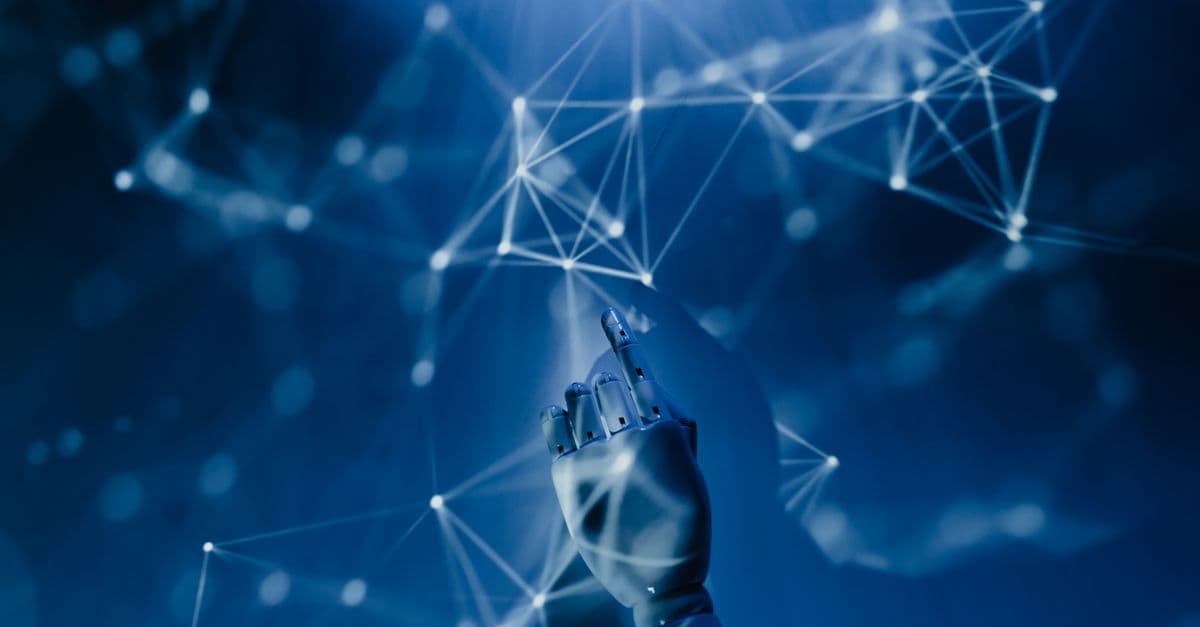
Training a large language model is not a single act — it is a five-stage industrial process that begins with petabytes of scraped text, passes through weeks of GPU computation consuming millions of dollars of electricity, and ends with a model that can hold a coherent conversation. Each stage has a specific job, a distinct failure mode, and a measurable cost. Here is how the whole pipeline works, from raw data to deployed product.
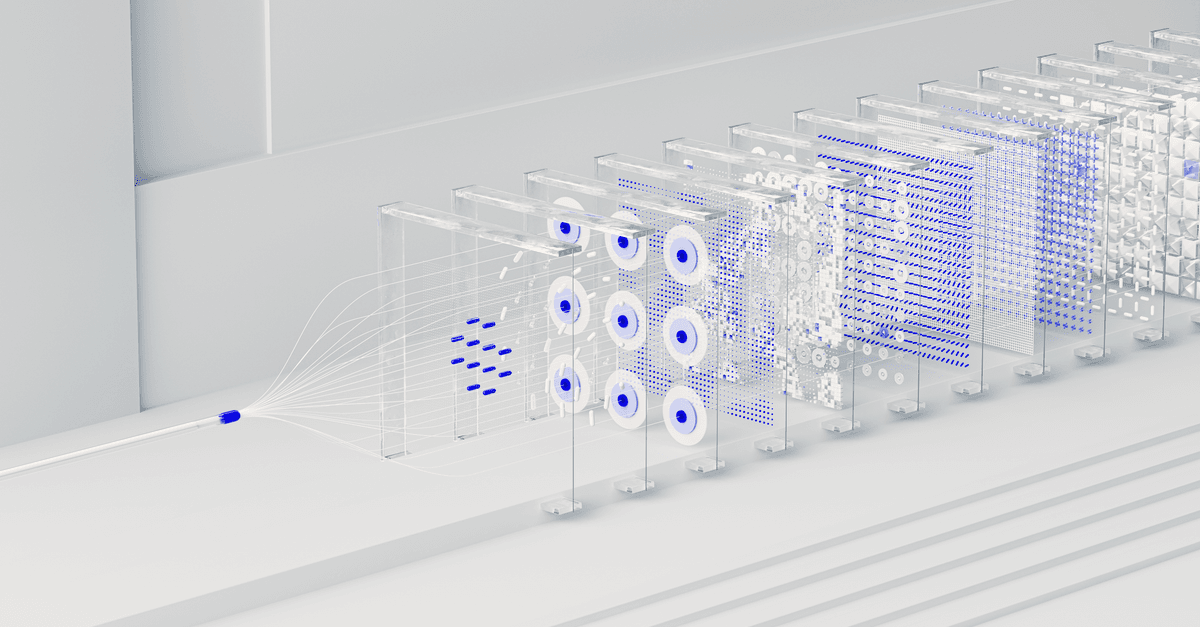
Generative AI is the class of machine learning systems that produce new content — text, images, audio, video, code, or molecular structures — rather than classifying or predicting from existing data. It is not a single technology but a family of model architectures sharing one property: trained on enough examples, they can synthesize plausible new outputs in the same domain. Understanding what separates generative from conventional AI explains both why the technology spread so quickly and where its real limits lie.
Generative AI art is produced by machine learning models trained to learn patterns from existing images and generate new images based on text descriptions or other prompts. The two dominant approaches are diffusion models (which start with noise and progressively refine toward an image) and GANs (Generative Adversarial Networks, which pit a generator against a discriminator in competition). For artists, understanding how these systems work is essential—both for using them effectively and for understanding their limitations and biases. This article explains diffusion, GANs, latent space, fine-tuning, and what these technologies can and cannot do.

TikTok's For You Page (FYP) is powered by a recommendation engine that does one thing obsessively: predict which video you will watch longest. It uses watch time, replays, shares, and dozens of secondary signals to build a real-time model of your interests — then tests that model continuously by mixing in new content. Understanding the mechanics explains why the feed feels eerily accurate and why some videos reach millions of people who have never heard of the creator.

AlphaFold won the 2024 Nobel. The first AI-designed drugs are in clinical trials. How AI is reshaping every stage of pharmaceutical R&D.
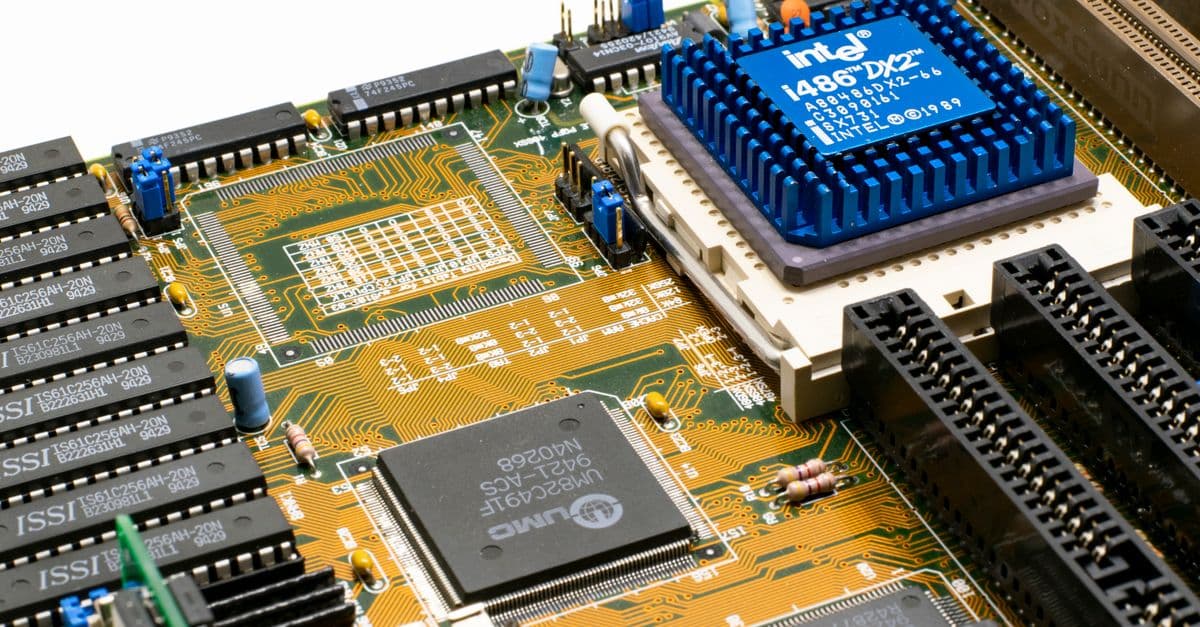
MLX is Apple's open-source ML framework optimized for Apple Silicon. It exploits unified memory to run and fine-tune LLMs on Macs.
How genetic data and machine learning guide drug choice, and what trials of cancer, warfarin, and antidepressant testing actually show.