Skip to content
ISSUE 10.29.26/24 CATEGORIES

immune-system

17 articles tagged with #immune-system

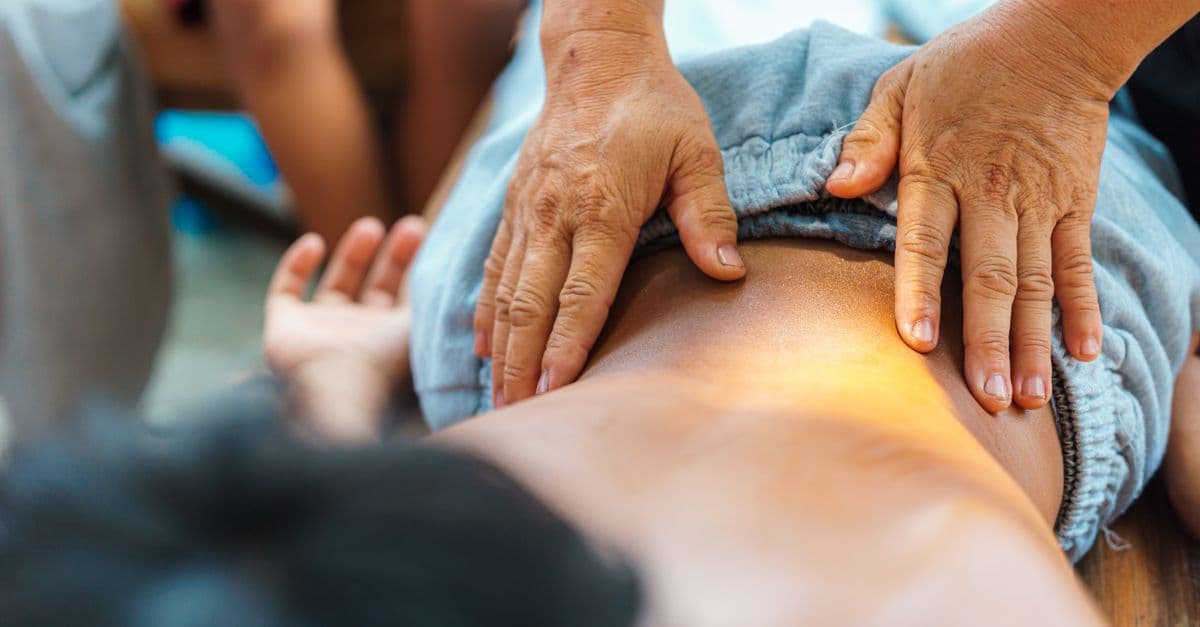
A soothing back massage performed by a therapist outdoors, focusing on relaxation and well-being.
Human Body

How Do Wounds Heal? The Science of Tissue Repair

Wound healing is a four-stage biological process triggered immediately after injury and lasting weeks to years. Within seconds, platelets plug the wound; within hours, immune cells flood the area and initiate inflammation; over days to weeks, fibroblasts synthesize collagen and new blood vessels form; over months to years, tissue remodels and scars form. Despite apparent simplicity, the process involves coordinated signaling across dozens of cell types, growth factors, and immune mechanisms. Understanding wound healing is critical for treating chronic wounds (affecting 2 percent of the global population) and improving outcomes after surgery, trauma, and burn injuries.

Editorial Team·June 10, 2026·19 min
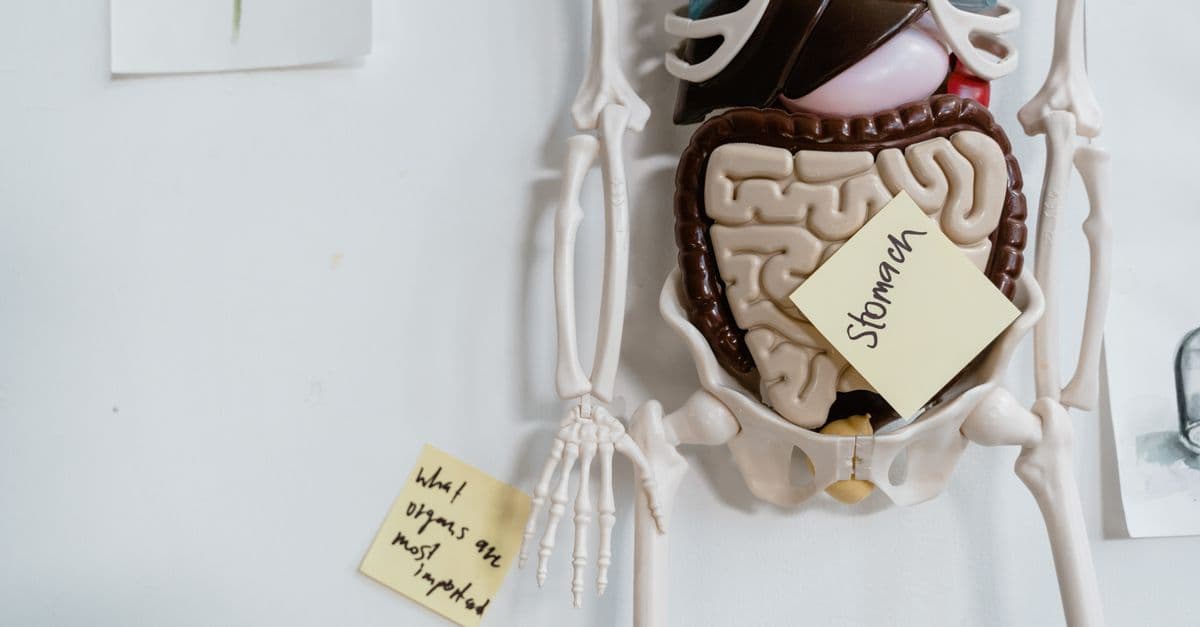
Close-up of anatomical model with sticky notes highlighting the stomach and other parts.
Human Body

Why Do We Get Fevers? The Science of the Fever Response

A fever is not an illness but a weapon—your immune system's coordinated response to infection that raises your body's set-point temperature. When pathogens invade, immune cells release signaling molecules called pyrogens that travel to the brain and reset the temperature thermostat from 37°C to 39°C or higher. This increase is controlled and purposeful: the higher temperature slows bacterial growth, accelerates immune cell activity, and enhances antiviral proteins. Understanding fever as an adaptive defense explains why suppressing it indiscriminately can sometimes hinder recovery, yet also reveals when dangerous fevers require immediate treatment.

Editorial Team·June 10, 2026·17 min
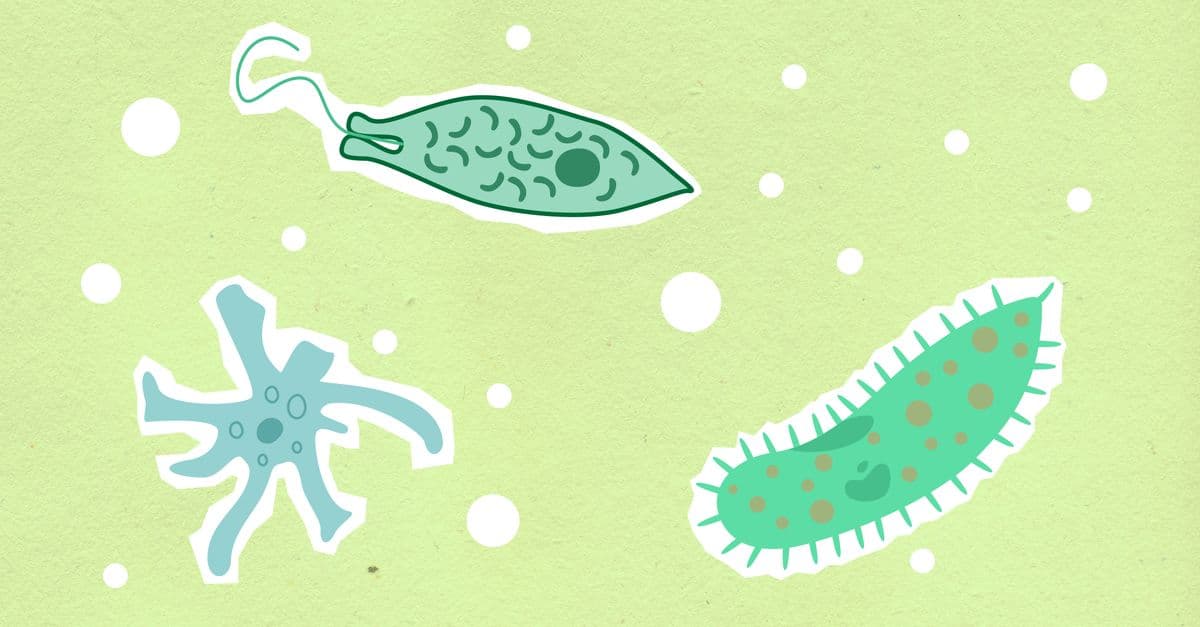
Top view of decorative cardboard appliques representing collection of cells with cores in capsules
Biology & Health

How the Human Immune System Fights Viruses: A Step-by-Step Guide

When a virus enters your body, it triggers a response that unfolds in stages over hours, days, and weeks. The innate immune system fires within minutes, buying time while the adaptive immune system — which can generate targeted weapons against any pathogen — prepares a precise counterattack. The two systems do not operate independently: each depends on signals from the other, and the timing of their interaction determines whether the infection is cleared in a week or becomes severe.

Editorial Team·June 4, 2026·18 min
Page 1 of 2Next →