The Skin Microbiome — Your Body's Outer Ecosystem
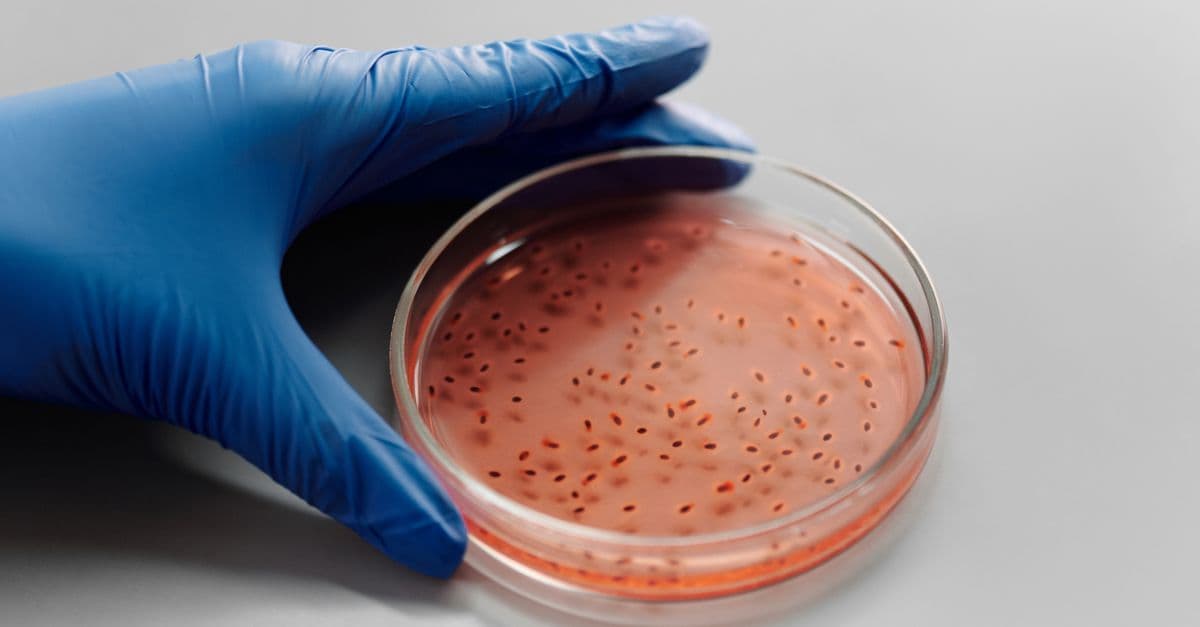
Photo: Edward Jenner / Pexels
Your skin is not a sterile shell. It is a living, breathing rainforest hosting roughly 1,000 bacterial species, dozens of fungi, countless viruses, and even microscopic mites — collectively known as the skin microbiome. These organisms outnumber your skin cells, train your immune system, fight off pathogens, and even produce the molecules responsible for body odor. Understanding them is reshaping dermatology, cosmetics, and our concept of what it means to be "clean."
What Lives on You
The healthy adult skin microbiome includes:
- Bacteria — Dominant genera include Cutibacterium (formerly Propionibacterium), Staphylococcus, Corynebacterium, Streptococcus, and Micrococcus. Counts range from 10² to 10⁷ cells per cm² depending on body site.
- Fungi — Mainly Malassezia species (especially M. globosa and M. restricta), which feed on skin lipids. Found virtually everywhere on the body.
- Viruses — A "virome" including human papillomaviruses, polyomaviruses, and an army of bacteriophages that infect skin bacteria.
- Mites — Demodex folliculorum and D. brevis live in hair follicles and sebaceous glands. Found on nearly 100% of adults over 60. Normally harmless commensals.
The Human Microbiome Project (NIH, 2007–2016) catalogued these communities in unprecedented detail, revealing that the skin is the second-most diverse microbial site on the body after the gut.
Skin Is Not One Habitat — It's Many
Different body regions are ecologically distinct, comparable to deserts, swamps, and forests on a planet. The key variables are sebum (oil), moisture, and temperature.
| Region | Type | Dominant Microbes | Notes |
|---|---|---|---|
| Forehead, scalp, chest | Sebaceous (oily) | Cutibacterium acnes, Malassezia | Low diversity, lipophilic |
| Armpit, groin, navel | Moist | Staphylococcus, Corynebacterium | High biomass, odor production |
| Forearm, palm, buttock | Dry | Mixed, including Proteobacteria | Highest diversity overall |
| Feet (especially between toes) | Moist + dark | Staphylococcus, fungi | Athlete's foot risk site |
| Nostrils | Moist mucosal | S. aureus, Corynebacterium | ~30% of people are S. aureus carriers |
Interpersonal variation is also enormous — two people may share fewer than half their skin microbial species, far more difference than seen in the gut.
What the Microbiome Does for You
The skin microbiome is not a passive coating. It performs at least four indispensable jobs:
- Pathogen exclusion (colonization resistance). Resident microbes occupy ecological niches and produce antimicrobial molecules — bacteriocins, fatty acids from sebum hydrolysis, and acidic pH — that crowd out invaders like Staphylococcus aureus and Streptococcus pyogenes.
- Immune education. Skin commensals signal to keratinocytes and dendritic cells, calibrating tolerance vs inflammation. Germ-free mice raised without skin microbes have profoundly abnormal cutaneous immunity.
- Antimicrobial peptide modulation. The host produces defensins and cathelicidins (LL-37) in response to microbial signals, sculpting which species thrive.
- Barrier maintenance. Microbial metabolites help maintain the skin's slightly acidic "acid mantle" (pH ~4.5–5.5), which is itself antimicrobial.
For deeper background on immunity, see our piece on how the immune system works, and for the gut counterpart, the gut microbiome.
When Things Go Wrong: Dysbiosis and Disease
Skin diseases linked to microbial imbalance ("dysbiosis") are an active research frontier.
Acne vulgaris
The traditional villain is Cutibacterium acnes. But C. acnes is also a healthy commensal — it produces propionic and lactic acids that protect the skin. The modern view is that specific strains and phylotypes of C. acnes, plus biofilm formation in pilosebaceous units, drive acne — not the species as a whole. This is why broad-spectrum antibiotics fail long-term and why phage therapy and strain-specific approaches are being investigated.
Atopic dermatitis (eczema)
Eczema flares are associated with massive overgrowth of Staphylococcus aureus (up to 90% of lesions vs <20% of healthy skin) and a collapse in microbial diversity. Bleach baths, targeted S. aureus phages, and live biotherapeutics with Roseomonas mucosa or S. hominis are in clinical trials.
Rosacea
Strongly correlated with high Demodex mite density. Whether the mites cause the inflammation or thrive because of it is debated. Ivermectin (anti-mite) is FDA-approved for rosacea, supporting at least a contributory role.
Psoriasis, hidradenitis suppurativa
Both show reduced diversity and altered ratios of Cutibacterium, Corynebacterium, and Staphylococcus, though causation remains unclear.
Body Odor: A Microbial Performance
Pure sweat is nearly odorless. Body odor is created when skin bacteria metabolize sweat components. Apocrine glands (concentrated in armpits and groin) secrete lipid-rich, protein-rich sweat that Corynebacterium and Staphylococcus enzymatically transform into volatile thioalcohols and short-chain fatty acids. The dominant odorant 3-methyl-3-sulfanylhexan-1-ol (3M3SH) is released when C. striatum and S. hominis cleave a precursor in fresh sweat. People genetically lacking the ABCC11 transporter (common in East Asia) produce little of this precursor and have minimal underarm odor.
This is why deodorants that target bacteria (antibacterials, alcohols) work, while antiperspirants block sweat itself. It is also why a "fresh" shirt smells bad after a few hours — bacteria break down residue you can't see.
Over-Cleaning, Antibiotics, and "Probiotic" Skincare
Modern Western skin is, on average, less microbially diverse than that of hunter-gatherers (e.g., Yanomami in Venezuela, Hadza in Tanzania), studies suggest. Drivers include:
- Frequent showering with antibacterial soaps
- Hand sanitizer overuse
- Oral and topical antibiotics
- Sealed indoor environments
- Synthetic skincare with preservatives
The cosmetic industry has responded with "probiotic," "prebiotic," and "postbiotic" skincare — products containing live or inactivated bacteria, microbial lysates, or substrates that selectively feed commensals. Evidence is mixed: some clinical trials show modest benefit for eczema and acne, but most marketing outruns the data. Most "probiotic" creams contain heat-killed organisms or fermented lysates, not living cultures.
Demodex Mites: The Roommates You Never See
Demodex mites are 0.3–0.4 mm long, eight-legged arachnids that live head-down in your hair follicles, eating sebum and skin cells. Nearly every adult has them, and they appear to be transmitted from mother to infant. In normal numbers they are commensal; in immunosuppression, rosacea, or blepharitis, populations explode and inflammation follows. They lack an anus and are believed to release accumulated waste only upon death — possibly contributing to the inflammatory aspect of demodicosis.
Microbiome Testing and Personalized Skincare
In recent years, several companies have begun offering skin microbiome testing — DNA sequencing of your microbial community to identify dysbiosis. Platforms like uBiome (now Thorne) and DermTech profile your microbial composition and recommend customized products.
The science: Sequencing is real and reproducible. The recommendations: mixed evidence. A 2023 review found that microbiome-guided skincare recommendations sometimes outperform placebo in small trials, but the effect sizes are modest — often 10–20% improvement over standard care. For serious conditions like moderate-to-severe eczema or acne, dermatologist-prescribed treatments still outperform "personalized" cosmetics.
That said, testing can be informative for curiosity, and identifying S. aureus overgrowth in eczema (for targeted interventions) or elevated Demodex (for rosacea) has clinical value. The catch: results vary by lab, and interpretation requires professional guidance — a microbiome test alone is not a diagnosis.
Age-Related Changes in the Skin Microbiome
The microbiome is not static across your lifespan. Major shifts occur:
Infancy (0–6 months): Birth is a major microbial transition. Vaginally delivered infants acquire maternal vaginal microbes (Lactobacillus, Prevotella); cesarean-born infants instead acquire hospital/skin bacteria. Skin microbiomes stabilize by 6 months but continue evolving through childhood.
Childhood: Relatively stable, though diversity increases with environmental exposure (playing outdoors, contact with siblings/pets).
Puberty: Sebaceous activity surges, shifting ecology toward lipophilic bacteria like Cutibacterium. Acne prevalence peaks in teens partly due to this microbiome shift combined with hormonal changes.
Adulthood: Mostly stable, though occupational and lifestyle factors create variation.
Aging (65+): Skin barrier weakens, pH shifts, and sebaceous output declines. Demodex populations increase (found on nearly 100% of older adults). Microbial diversity often declines, correlating with weaker skin immunity and increased susceptibility to skin infections.
Microbiome and Systemic Health
Evidence is emerging that the skin microbiome can influence systemic immunity and health beyond skin:
T-cell priming: Skin commensals, particularly Staphylococcus epidermidis, produce metabolites (short-chain fatty acids) that prime T-cells in draining lymph nodes. These educated T-cells can then migrate systemically, influencing immune responses throughout the body.
Barrier integrity and translocation: A compromised skin barrier (from burns, eczema, or infection) can allow bacterial translocation into deeper tissues, triggering systemic inflammation.
Cross-reactive immunity: Some skin pathogens share epitopes (immune-recognized protein patterns) with respiratory or gastrointestinal pathogens, meaning skin immunity training can prime responses to systemic invaders.
These mechanisms suggest that skincare isn't purely cosmetic — the microbiome-immune connection is beginning to explain why skin health correlates with overall health outcomes. However, the clinical implications are still emerging and should not be over-interpreted.
Environmental and Lifestyle Factors Shaping the Microbiome
Several factors shift the microbiome within days to weeks:
Climate and humidity: Dry climates favour drier-skin bacteria, humid climates favour moisture-loving species. Moving to a new climate shifts your microbiome partially within weeks.
Diet: Early evidence suggests dietary components (fermented foods, fiber, omega-3 fatty acids) influence skin microbiota, though the mechanism is not well understood. Systemic inflammation from poor diet may indirectly alter skin conditions.
Exercise and sweat: Regular exercise (especially the sweat and occlusion from gym clothes) alters the microbiome, favoring sweat-adapted bacteria. Paradoxically, athletes may have distinct microbiomes that are robust but different.
Stress: Psychological stress alters skin pH, sebaceous output, and immune signaling, creating conditions for dysbiosis. This is one mechanism by which stress exacerbates acne and eczema.
Sleep: Circadian rhythm disruption (shift work, jet lag, insomnia) has been linked to skin conditions in preliminary studies, possibly via altered immune regulation and stress hormone patterns.
Medications: Oral antibiotics deplete skin bacterial diversity temporarily (recovery takes weeks to months). Corticosteroids and immunosuppressants shift the balance toward opportunistic organisms.
The Cosmetics Industry Response
The cosmetic industry is converging on several innovation vectors:
Postbiotic creams: Products containing fermented lysates (heat-killed bacteria or their metabolites) that do not require live cultures but may retain some immunomodulatory benefit. Evidence is limited but growing.
Prebiotics for skin: Inulin, fructooligosaccharides, and specialized carbohydrates that selectively feed commensal bacteria, mimicking the prebiotic concept from the gut. Again, evidence is modest.
Phage therapy: Bacteriophages (viruses that infect bacteria) are being tested as precision tools to target specific pathogenic strains of C. acnes or S. aureus without harming commensals. Early results are encouraging but still experimental.
Strain selection: Rather than generic "probiotic" bacteria, newer formulations target specific strains known to produce protective metabolites (e.g., S. epidermidis produces lipid A analog that reinforces barrier function).
The barrier to adoption: most live bacterial formulations are expensive to produce, unstable at room temperature, and face regulatory hurdles. Heat-killed or fermented formulations are cheaper and more stable but carry less evidence.
Techniques for Studying the Skin Microbiome
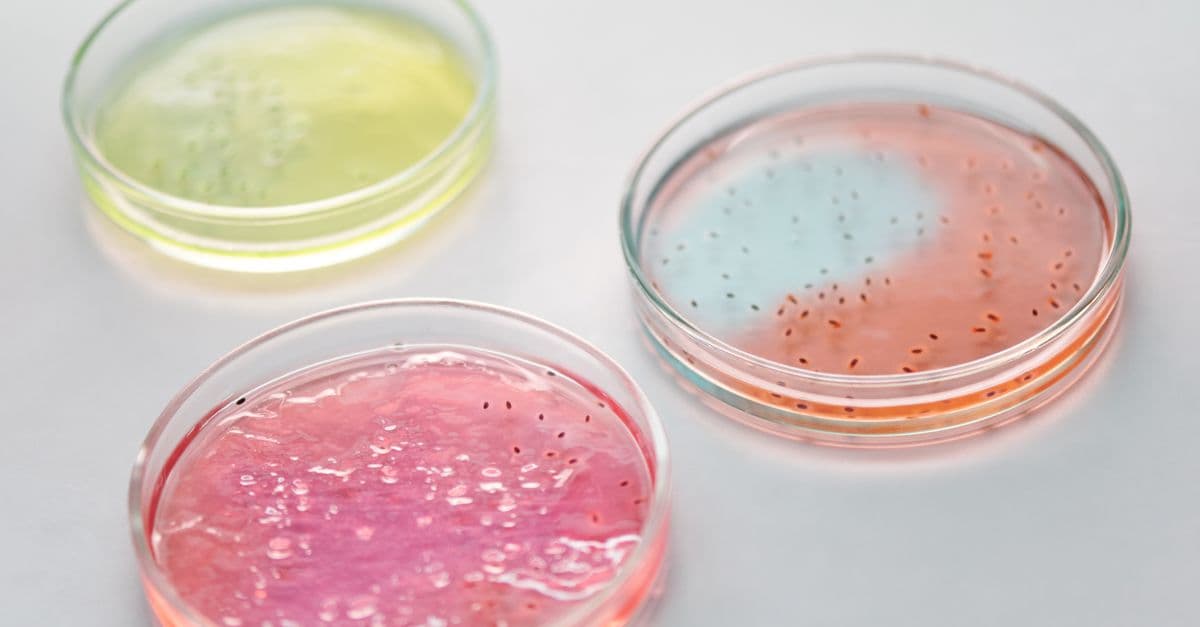
Early microbiome research relied on culture-based methods — growing bacteria in petri dishes. But 99% of bacteria don't grow in lab conditions, so the culturable fraction was biased and incomplete.
Modern microbiome science uses molecular methods:
16S rRNA sequencing: Sequences a specific bacterial marker gene (16S ribosomal RNA) present in all bacteria. By reading millions of sequences, researchers build a census of which bacteria are present and in what proportions. Fast, cheap (~$50/sample), but only identifies bacteria to genus level (e.g., Staphylococcus but not the species).
Whole-genome sequencing (shotgun metagenomics): Sequences all DNA fragments from a skin swab, not just the 16S marker. Provides species and strain identification, plus functional genes (what they can produce). More expensive (~$200-500/sample) but reveals much more detail.
Metatranscriptomics: Sequences RNA (transcripts) instead of DNA, revealing which genes are actively expressed right now, not just present. Gives functional insight into what the microbiome is doing.
Metaproteomics: Identifies proteins produced by the microbiome — the actual functional molecules. Technically hard but most directly measures what commensals are manufacturing.
These methods revealed the 1,000+ species on skin, the functional roles they play, and how they're disrupted in disease. A 2018 study found that healthy and rosacea-affected skin have markedly different microbial gene expression profiles — the same bacteria might be present, but in rosacea they're producing different metabolites. This has shifted the field from "eliminate pathogenic species" to "restore healthy metabolic function."
Source: Byrd, A. L., Belkaid, Y., & Segre, J. A. (2018). "The human skin microbiome." Nature Reviews Microbiology, 16(3): 143–155.
Therapeutic Interventions: From Antibiotics to Engineered Probiotics
Traditional approach (still primary): Antibiotics targeting the pathogenic species. For acne, topical clindamycin or benzoyl peroxide kill C. acnes. For rosacea, ivermectin targets Demodex. Effective short-term but often leads to resistance and recurrence.
Newer approaches:
Combination therapy: Antibiotics plus microbiome-supporting agents (moisturizers, targeted probiotics) to prevent dysbiosis during antibiotic treatment. Early studies show better sustained responses and fewer relapses.
Photodynamic therapy (PDT): Uses light-activated compounds to kill pathogenic bacteria without affecting commensals. Used experimentally for severe acne; precise enough to spare healthy microbes.
Selective antimicrobials: Narrow-spectrum agents targeting only pathogenic strains, not the entire microbiome. Clindamycin resistance in C. acnes has driven interest in alternative agents like adapalene (retinoid) combined with benzoyl peroxide, which work synergistically without resistance.
Engineered probiotics: Scientists are designing bacteria with specific functions. Example: a Staphylococcus epidermidis strain engineered to produce anti-inflammatory lipid A analog. Could theoretically restore healthy skin function in eczema. Still mostly in animal trials.
Bacteriophage (phage) therapy: Viruses that infect specific bacteria. A phage targeting only Cutibacterium acnes subtype A could theoretically clear acne-causing strains while leaving commensals untouched. The challenge: phage must be applied topically, penetrate follicles, and evade immune recognition. Early trials in rosacea are promising; FDA designation of "Breakthrough Device" status given to at least one phage therapy in 2023.
The Sex Differences in Skin Microbiomes
Skin microbiome varies dramatically by sex, driven by hormones, grooming, and immune differences:
Androgen effects: Androgens (testosterone, DHT) increase sebum production. Sebaceous regions (chest, face, back) in men typically have higher Cutibacterium acnes and Malassezia — lipophilic bacteria. This partly explains why acne is often worse in teenage males and can worsen with anabolic steroid use.
Estrogen effects: Estrogen may enhance barrier function and immune tolerance. Prepubertal girls and postmenopausal women (with lower estrogen) often have drier, more sensitive skin.
Menstrual cycle: Preliminary evidence suggests skin microbiome and sebum production fluctuate with the menstrual cycle, though the mechanisms are unclear. Some women report acne flares mid-cycle (ovulation) or premenstrually; this may reflect microbiome and immune shifts.
Personal care products: Women historically use more cosmetics, sunscreen, and skincare products — variables that alter the microbiome. This complicates sex comparisons in studies.
Axillary (armpit) odor: Men produce significantly more underarm odor than women, partly because androgen-dependent bacteria (Corynebacterium) are more active in males. Women taking oral contraceptives often report changes in body odor, suggesting hormonal regulation.
Studies controlling for these factors show that fundamental sex differences in baseline microbiome composition are modest, but the impact of hormones on specific microbial niches (sebaceous vs moist) is substantial.
Future Directions and Unanswered Questions
By 2027:
- More clinical trials of engineered probiotics and phage therapy
- Better understanding of the microbiome's role in skin aging and wrinkles (early evidence links dysbiosis to accelerated aging)
- Personalized microbiome-guided skincare (common today, but ineffective most of the time; better predictive models may improve this)
- Expanded use of microbiome testing in dermatology (current adoption is <5%; may grow with better evidence)
Unanswered questions:
- Can microbiome restoration prevent eczema flares before they start?
- Is there an optimal microbial community state that differs among individuals (personalized medicine)?
- How much does the oral microbiome (which shares the body) influence skin health?
- Can targeting the skin microbiome improve scarring and wound healing after injury?
- What's the microbiome of people with exceptional skin health (never acne, no sensitive skin)? Can we recreate it?
The Takeaway on Skin Microbiomes
Your skin microbiome is a thriving ecosystem with real consequences for skin health and immunity. It protects you, educates your immune system, and determines body odor and skin scent. Disrupting it with extreme hygiene is counter-productive; working with it through gentle cleansing, avoiding prolonged antibiotic use, managing stress, and maintaining diet and sleep makes far more sense than chasing "probiotic" products with weak evidence.
For specific conditions — acne, eczema, rosacea — understanding the microbial dimension opens new therapeutic doors. Targeted antimicrobials, phage therapy, and engineered live biotherapeutics are emerging, with more evidence expected by 2027–2028. Until then, the safest advice is dermatologist-guided treatment rather than self-prescribed microbiome optimization. The future likely involves microbiome-informed skincare, but we're not there yet.
Frequently Asked Questions
Q: Should I stop showering to preserve my microbiome?
A: No. Daily rinsing with water and gentle cleansers does not significantly disrupt the microbiome. The problem is harsh antibacterial soaps, hot water, and over-exfoliation. A short, lukewarm shower with mild cleanser only on odor-prone areas is the dermatologist consensus.
Q: Are antibacterial soaps actually bad?
A: Triclosan and triclocarban were banned in U.S. consumer soaps by the FDA in 2016 due to insufficient evidence of benefit and potential endocrine and microbiome effects. Plain soap and water is equally effective for hygiene and gentler on the microbiome.
Q: Can I "reset" my skin microbiome if I've damaged it?
A: There is no clinically proven reset protocol. The microbiome largely re-establishes itself from your environment, contacts, and your own reservoirs within days to weeks after disruption. Avoid disruption rather than chase expensive "reset" products.
Q: Why do identical twins have different skin microbiomes?
A: Skin microbiomes are shaped primarily by environment, hygiene, diet, contacts, and immune state — not strongly by genetics. Identical twins living apart diverge substantially over time, with environment being the dominant factor.
Q: Does elevated Demodex cause acne?
A: Demodex is more strongly linked to rosacea than acne. Acne is driven mainly by hormonal sebum production and specific C. acnes strains. Demodex contribution to acne is minor, though it may complicate rosacea-acne overlap cases.
Q: Should I buy "probiotic" skincare products for eczema or acne?
A: Some prescription or clinical-trial formulations show modest benefit (e.g., Roseomonas mucosa or S. hominis), but most over-the-counter products contain dead cells or lysates with limited evidence. Dermatologist-recommended treatments or prescription formulations are more effective; save money on cosmetic alternatives unless specifically recommended.
Read next:
- How the immune system works — fighting viruses and bacteria
- The gut microbiome — bacteria, health, and mental health
- How skin works — your largest organ
Sources
- Byrd, A. L., Belkaid, Y., & Segre, J. A. (2018). "The human skin microbiome." Nature Reviews Microbiology.
- NIH Human Microbiome Project (hmpdacc.org).
- Grice, E. A., & Segre, J. A. (2011). "The skin microbiome." Nature Reviews Microbiology.
- Nakatsuji, T. et al. (2017). "Antimicrobials from human skin commensal bacteria protect against Staphylococcus aureus." Science Translational Medicine.
- Two, A. M. et al. (2015). "Rosacea: part I. Introduction, categorization, histology, pathogenesis, and risk factors." JAAD.
- James, A. G. et al. (2013). "The microbiological and biochemical basis of axillary odour production." International Journal of Cosmetic Science.
- Thiboutot, D. et al. (2018). "Practical management of acne for clinicians: An international consensus from the Global Alliance to Improve Outcomes in Acne." JAAD.
Follow new articles
Add SciHub101 to your feed reader to see new science and technology stories.
About the Author
SciHub101 is an independent science and technology publication founded and edited by Buğra Sözeri, a software engineer and app developer based in Türkiye. AI tools assist with drafting and research. Source documentation in the existing archive is uneven, and articles are being reviewed and corrected. The Editorial Team byline identifies editorial responsibility; it does not certify specialist or independent human review. Where we compare products, anything built by our own team is labelled as such — see the editorial guidelines and About page for how corrections and disclosures work.
Related Articles

Circadian Rhythm — Your Body's Internal Clock
How the circadian rhythm works: the brain's master clock, clock genes, light, melatonin, and what shift work and late eating do to a 24-hour body clock.
Sex Hormones Explained — Testosterone and Estrogen
How testosterone, estrogen, and progesterone shape the body, the menstrual cycle, puberty, and menopause — and the science of hormone therapy.
How Skin Works — Your Largest Organ
Skin's three layers, how it protects you, why it ages, and the biology of pigment, sweat, and sensation in your body's largest organ.
Microbiome Research: Bacteria in Human Health Explained
How understanding the microbiome revealed that trillions of bacteria impact health and disease
What's the Difference Between Viruses and Bacteria?
Viruses and bacteria both cause infections and both are too small to see, yet they differ in size, structure, reproduction, and treatment. Here is how to tell them apart.
Why Do We Have Blood Types? The Science and Evolution
Blood types are inherited molecular markers on red blood cells. The ABO polymorphism has been kept alive in primates for at least 20 million years, and infections such as malaria, cholera, and norovirus are the leading explanation for why.