Human Body
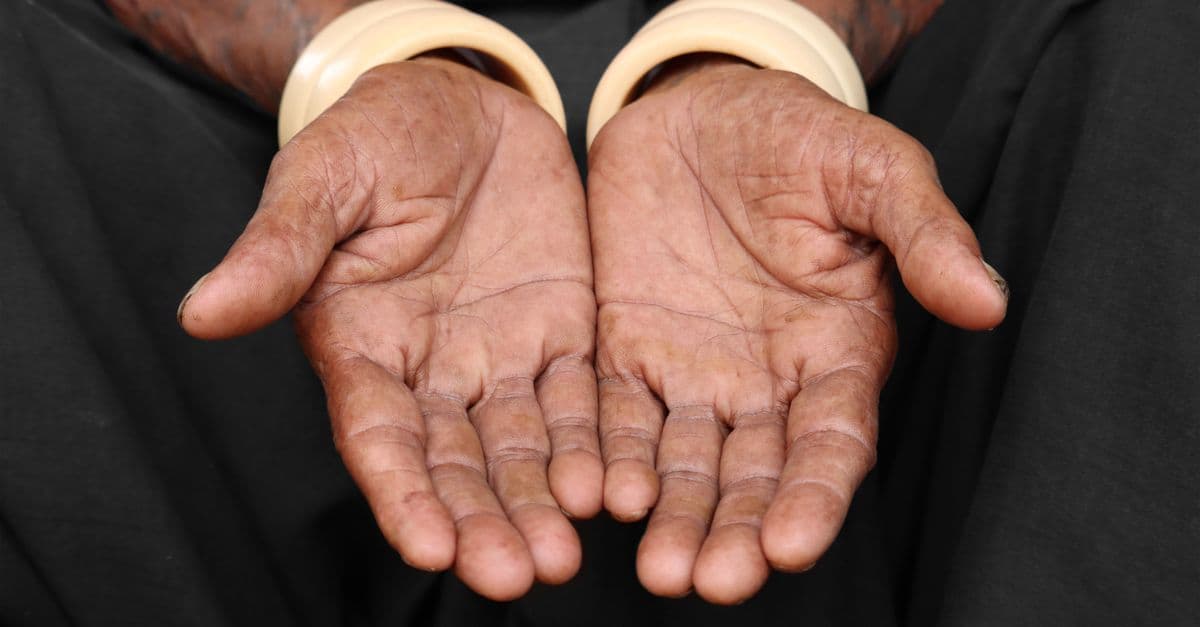
Finger Wrinkling in Water: The Science of Wet Grip
Wrinkled fingers are an active nervous-system response, not simple swelling. This guide explains grip, blood vessels, and evolution.
10 articles tagged with #skin
Wrinkled fingers are an active nervous-system response, not simple swelling. This guide explains grip, blood vessels, and evolution.
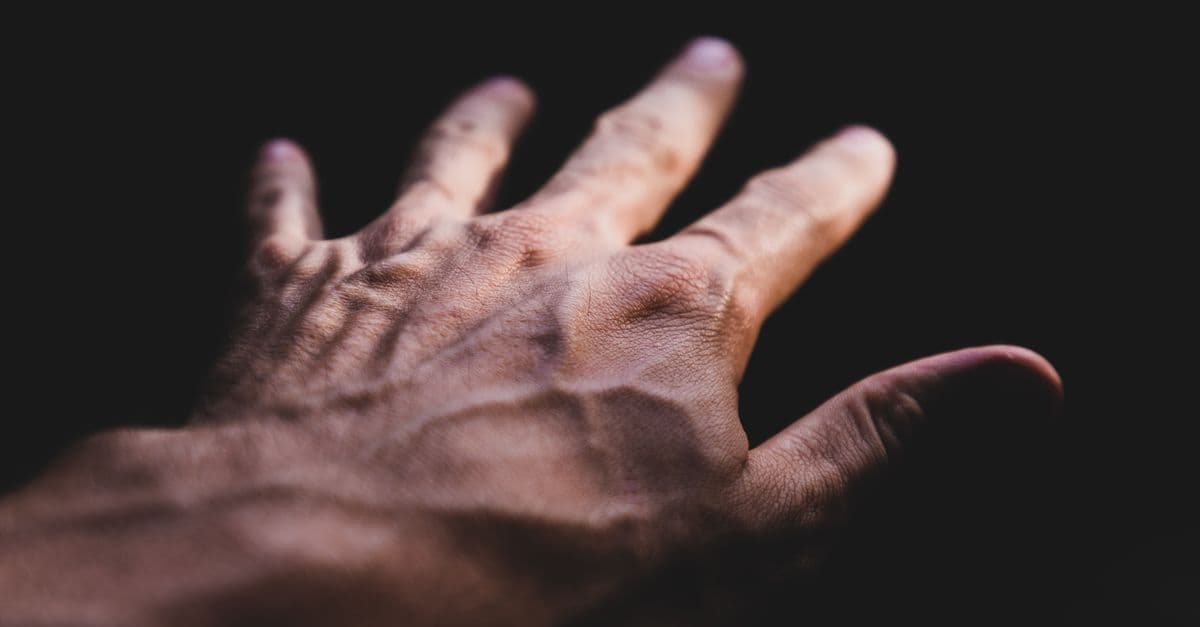
Goosebumps come from a 300-million-year-old reflex: tiny muscles pull hair follicles upright when cold, fear, or music trigger the sympathetic nervous system.
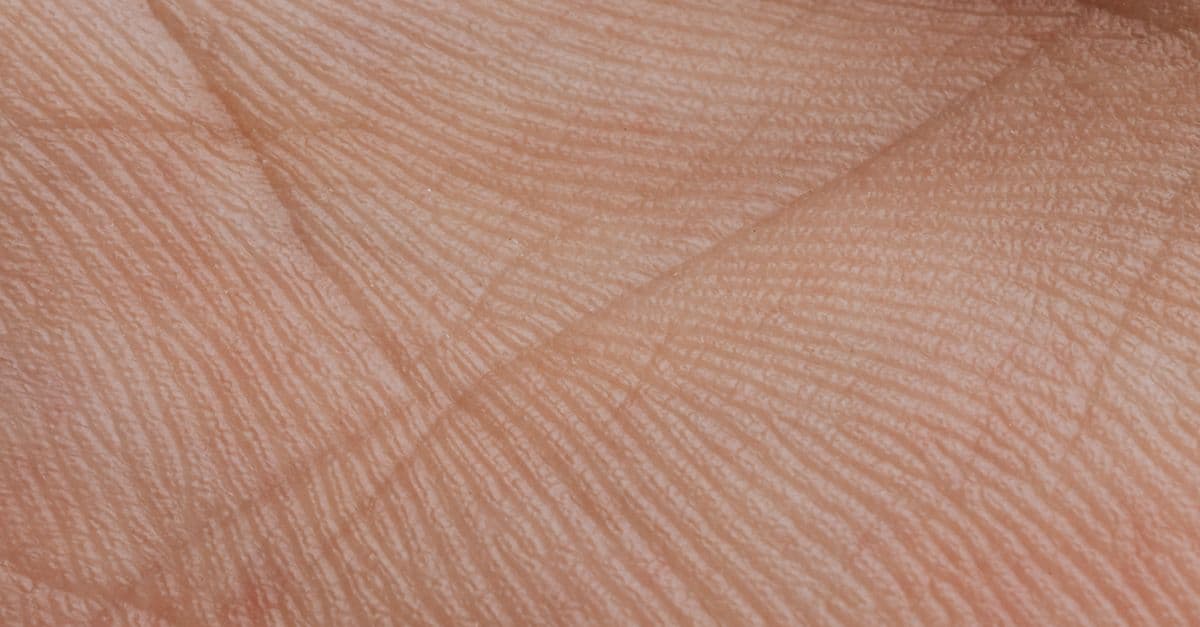
Fingerprints exist primarily to improve grip and amplify fine touch. The ridged skin on your fingertips enhances friction against smooth surfaces and channels vibrations toward specialized nerve endings — but the exact patterns those ridges form are shaped by a reaction-diffusion process that plays out in the womb, governed by competing molecular signals that no two people, not even identical twins, experience in quite the same way.

An octopus can match the texture and color of a rocky seafloor in under 300 milliseconds—while being completely colorblind. This paradox reveals one of nature's most sophisticated biological display systems: three layers of pigment and structural color cells controlled directly by the brain, operating faster than conscious thought.

Wound healing is a four-stage biological process triggered immediately after injury and lasting weeks to years. Within seconds, platelets plug the wound; within hours, immune cells flood the area and initiate inflammation; over days to weeks, fibroblasts synthesize collagen and new blood vessels form; over months to years, tissue remodels and scars form. Despite apparent simplicity, the process involves coordinated signaling across dozens of cell types, growth factors, and immune mechanisms. Understanding wound healing is critical for treating chronic wounds (affecting 2 percent of the global population) and improving outcomes after surgery, trauma, and burn injuries.

Hair growth is driven by a complex, cyclical process occurring within the hair follicle, a specialized pocket of skin containing stem cells, blood vessels, and sebaceous glands. Each hair shaft is made primarily of keratin, a structural protein also found in nails and skin, layered into three distinct tissue structures: the medulla, cortex, and cuticle. Rather than growing continuously, hair moves through four distinct phases—anagen (growth), catagen (transition), telogen (resting), and exogen (shedding)—which determine whether a hair is actively lengthening, preparing to detach, or falling out. Hair color stems from melanin production in the follicle's base, while hair graying occurs when melanin-producing cells exhaust their stem cell reserves.
The skin covers 1.5 to 2 square meters, makes up about 16% of adult body weight, replaces its waterproof outer layer roughly every four weeks, cools you with sweat, builds vitamin D from sunlight, and reads touch through specialized receptors. Here is how each part works.

Why do we feel itchy? The neuroscience of pruritus — dedicated itch neurons, histamine, the itch-scratch cycle, and why itching is contagious.
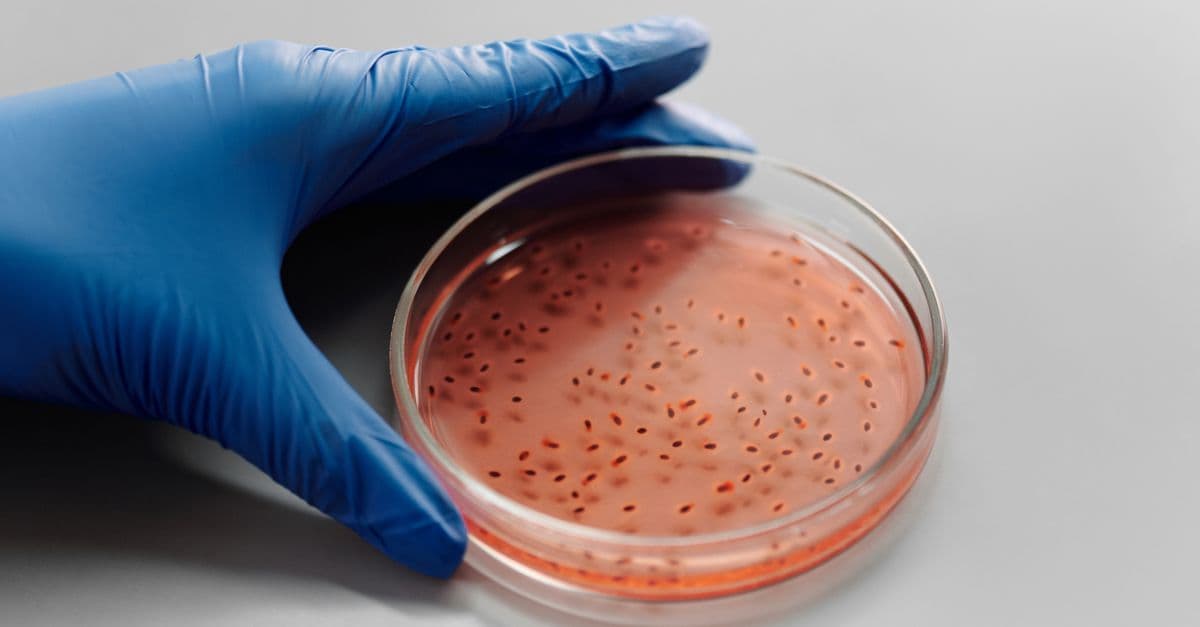
Your skin hosts ~1,000 bacterial species, fungi, viruses, and mites. How the skin microbiome shapes acne, eczema, odor, and immunity.
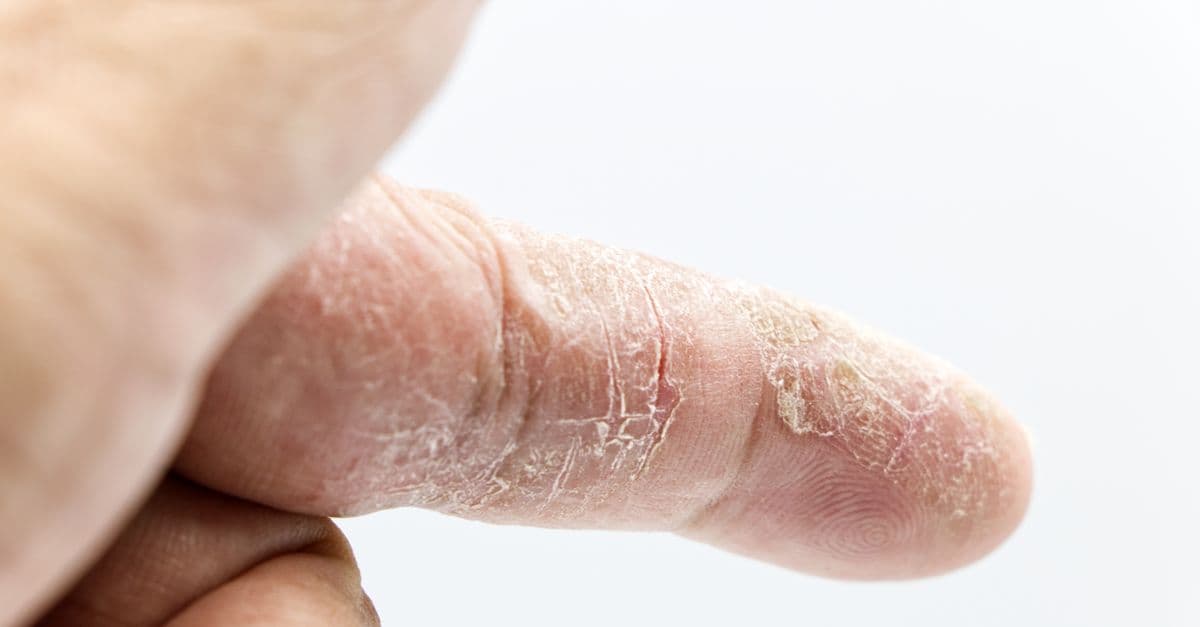
Skin's three layers, how it protects you, why it ages, and the biology of pigment, sweat, and sensation in your body's largest organ.