How Skin Works — Your Largest Organ
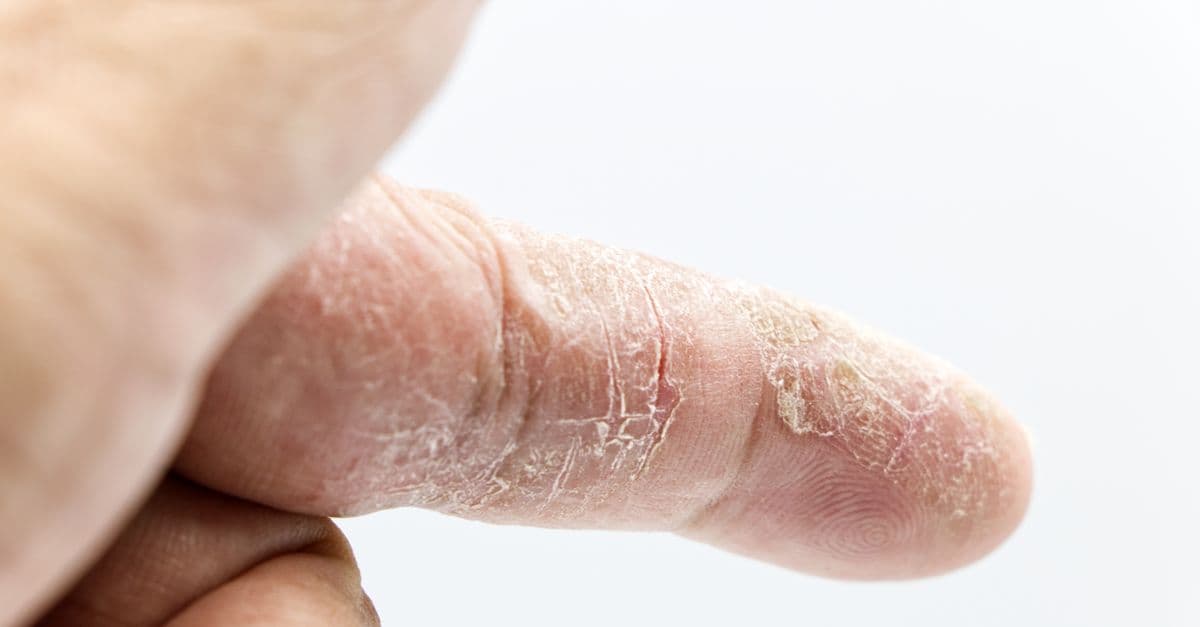
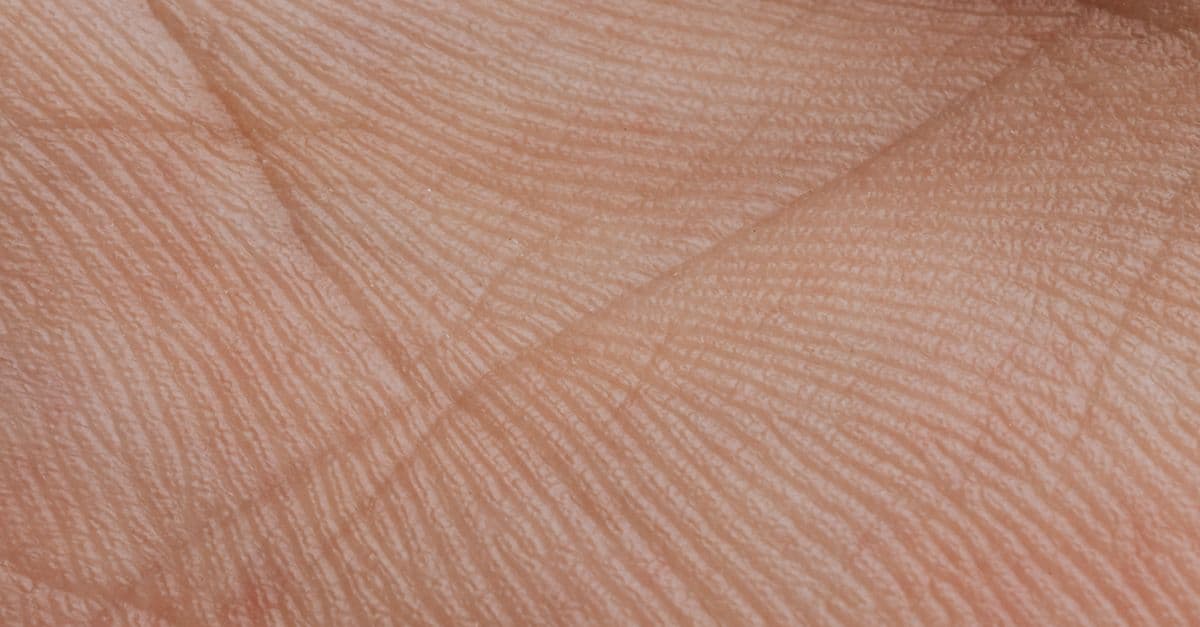
Photo: Srattha Nualsate / Pexels
Your skin covers roughly 2 square meters and accounts for about 16% of your body weight — making it the largest organ in the human body. Far from being a passive wrapper, skin is a sophisticated, multi-layered system that protects you from pathogens, regulates your temperature, manufactures vitamin D, and feeds your brain a constant stream of sensory data.
Three Layers, Three Jobs
Human skin has three principal layers, each with distinct cells and functions.
| Layer | Thickness | Key cells | Main job |
|---|---|---|---|
| Epidermis | 0.05–1.5 mm | Keratinocytes, melanocytes, Langerhans cells | Barrier, pigment, immunity |
| Dermis | 1–4 mm | Fibroblasts, mast cells | Strength, elasticity, sensation, glands |
| Hypodermis | Variable | Adipocytes (fat cells) | Insulation, energy storage, shock absorption |
The Epidermis — Outer Barrier
The epidermis is the layer you see and touch. It contains no blood vessels — it survives on nutrients diffusing up from the dermis. Its main cells:
- Keratinocytes (~90%) — produce keratin, the tough protein also found in hair and nails. Born at the bottom, they mature upward, dying and flattening into the stratum corneum — about 20 layers of dead, keratin-packed cells held together by lipids. This is the actual barrier. You shed about 500 million skin cells per day, replacing the entire epidermis every 4–6 weeks.
- Melanocytes — produce melanin pigment that absorbs UV radiation.
- Langerhans cells — antigen-presenting immune cells that catch pathogens breaching the surface.
- Merkel cells — touch receptors for fine detail.
The Dermis — Living Layer
Beneath the epidermis lies the dermis, the structural and functional core. It contains:
- Collagen fibers — provide tensile strength (skin can resist about 20 MPa of stress)
- Elastin fibers — let skin snap back after stretching
- Blood vessels — deliver nutrients and dump heat
- Sweat glands — eccrine (cooling) and apocrine (armpits, groin)
- Sebaceous glands — produce sebum, an oily mix that waterproofs skin and hair
- Hair follicles — root of each hair, with attached arrector pili muscles that produce goosebumps
- Nerve endings — Meissner's corpuscles (light touch), Pacinian corpuscles (deep pressure/vibration), Ruffini endings (stretch), free nerve endings (pain, temperature)
The Hypodermis — Cushion and Reserve
Also called the subcutis, this fatty layer insulates against cold, cushions against impact, and stores energy. It varies dramatically in thickness — millimeters on the eyelids, centimeters on the abdomen.
What Skin Actually Does
1. Barrier
The stratum corneum keeps water in and pathogens out. Without it, you'd dessicate in hours (which is why severe burns are life-threatening). The skin's slightly acidic surface — the "acid mantle" at pH ~5.5 — also inhibits bacterial growth.
2. Thermoregulation
Humans are unusual mammals: we sweat across nearly our entire body and have very little fur. Cooling happens two ways:
- Vasodilation — blood vessels in the dermis widen, dumping heat through the skin
- Sweat evaporation — each gram of evaporated sweat removes about 2,400 joules
We have 2–4 million sweat glands and can produce up to 2 liters of sweat per hour during intense exercise.
3. Vitamin D Synthesis
UV-B radiation (290–315 nm) converts 7-dehydrocholesterol in skin to vitamin D3 (cholecalciferol). About 10–30 minutes of sun on bare arms and face a few times a week meets most people's needs. Darker skin synthesizes less vitamin D per unit of UV, which becomes relevant at high latitudes.
4. Sensation
Skin is your largest sensory organ. Different receptors detect:
- Light touch (Meissner's corpuscles)
- Pressure and vibration (Pacinian corpuscles)
- Temperature (TRPV1 for heat, TRPM8 for cold)
- Pain (nociceptors)
Fingertips have ~2,500 receptors per cm² — denser than almost any other body region.
5. Immunity
Langerhans cells, dermal dendritic cells, and resident T-cells form a frontline immune defense, sampling antigens and triggering responses.
Skin Color — An Evolutionary Story
Skin pigment comes mainly from melanin, produced by melanocytes and packaged into melanosomes that are transferred to keratinocytes. There are two types:
- Eumelanin — brown/black, strong UV protection
- Pheomelanin — red/yellow, weaker protection, can produce reactive oxygen species under UV
Anthropologist Nina Jablonski's research shows skin color is a classic evolutionary trade-off:
- Near the equator — high UV requires dark skin to prevent folate destruction (vital for fetal development) and DNA damage
- At high latitudes — low UV favors lighter skin to maintain vitamin D synthesis
Humans evolved to fit their UV environment, and migrations of the last 50,000 years drove rapid pigment changes.
Why Skin Ages
Skin ages two ways:
- Intrinsic aging — chronological, genetically programmed. Collagen production drops about 1% per year after age 20. Skin thins and elasticity declines.
- Extrinsic aging (photoaging) — caused mostly by sun exposure. Studies show ~90% of visible facial aging (wrinkles, age spots, sagging, leathery texture) comes from cumulative UV damage, not time alone.
The textbook example: compare the sun-exposed face of an outdoor worker with the sun-protected skin under their watch strap. The difference is striking.
Common Skin Conditions
| Condition | Cause | Treatment basics |
|---|---|---|
| Acne | Sebum + bacteria (C. acnes) + clogged follicles | Topical retinoids, benzoyl peroxide |
| Eczema (atopic dermatitis) | Genetic barrier defect + immune dysregulation | Moisturizers, steroids, dupilumab |
| Psoriasis | Autoimmune; rapid keratinocyte turnover | Biologics (IL-17, IL-23 inhibitors) |
| Vitiligo | Autoimmune melanocyte destruction | JAK inhibitors (ruxolitinib), phototherapy |
| Melanoma | UV-driven melanocyte cancer | Surgery, immunotherapy (anti-PD-1) |
The ABCDE Rule for Melanoma
Watch existing or new moles for:
- Asymmetry
- Border irregularity
- Color variation
- Diameter > 6 mm
- Evolving (changing) appearance
Caught early, melanoma is highly treatable. Once it spreads, survival drops sharply — though immunotherapy has dramatically improved outcomes since 2015.
The skin microbiome — your hidden ecosystem
Your skin hosts trillions of bacteria, viruses, and fungi — a microbial ecosystem called the skin microbiome. Rather than pure parasites, most residents are commensal or mutualistic. The most abundant bacterium is Cutibacterium acnes (formerly Propionibacterium), present on nearly everyone but causing acne only under specific conditions (excess sebum, follicle blockage, inflammation).
Recent research shows the skin microbiome plays crucial roles:
- Barrier immunity — some bacteria produce antimicrobial compounds that inhibit pathogens
- pH regulation — commensal bacteria contribute to the skin's acidic environment
- Training the immune system — microbial antigens help calibrate immune tolerance
- Wound healing — certain microbes accelerate epidermal repair
Disruption of the skin microbiome through antibacterial soaps, antibiotics, or detergents can paradoxically worsen skin conditions. Studies show people who avoid aggressive cleansing often have fewer acne lesions as their microbiome stabilizes. This suggests that some "acne-fighting" products may cause harm by eliminating beneficial bacteria.
Skin types and variation
Skin varies dramatically based on genetics, age, sex, and climate. The most common classification divides skin into five types:
| Type | Characteristics | Key concerns |
|---|---|---|
| Oily | Sebum overproduction, shine, large pores | Acne, oiliness |
| Dry | Low sebum, flaking, tightness | Irritation, eczema risk |
| Combination | Oily T-zone, normal/dry cheeks | Mixed care needs |
| Sensitive | Reactive to irritants, prone to redness | Barrier dysfunction, inflammation |
| Normal | Balanced sebum, good texture | Maintenance only |
The Fitzpatrick scale, developed by dermatologist Thomas Fitzpatrick in 1975, classifies skin phototypes (I–VI) based on sun-burning and tanning response. This classification is critical because:
- Skin cancer diagnosis and treatment differ by type
- Sunscreen efficacy and vitamin D synthesis vary
- Laser treatments carry different risks (hypopigmentation more severe in darker skin)
- Hypertrophic scarring and keloid formation show ethnic variation
The sensory dimension of skin
Skin is exquisitely sensitive. Its sensory richness — detecting temperature, pressure, texture, and pain — constitutes a fifth sense equal in complexity to vision or hearing. The sensory system is layered:
- Thermoreceptors (TRPV1, TRPV2, TRPM8) respond to temperature, with separate pathways for heat and cold
- Mechanoreceptors encode texture and pressure with different receptors for sustained vs. transient stimulation
- Nociceptors (pain receptors) detect harmful stimuli, including through specialized ion channels
- Proprioceptors in skin and subcutaneous tissue report limb position
The brain's somatosensory cortex dedicates disproportionate territory to sensitive regions like the hands and face — a fact revealed by homunculus maps (the "sensory homunculus" cartoon of exaggerated finger and lip size). This explains why hand injuries cause such intense pain and why the face is so sensitive to touch.
Moisturizers, retinoids, and other skin interventions
The evidence for many popular skin treatments remains mixed:
Moisturizers have strong support — they prevent water loss from the stratum corneum and reduce irritation. Effective ingredients include ceramides, glycerin, and hyaluronic acid. However, the active ingredients matter far more than brand or price. Studies show a $5 and $500 moisturizer can perform equivalently if formulations are similar.
Retinoids (vitamin A derivatives) have robust evidence for reducing fine lines and improving skin texture. Retinol, retinaldehyde, and retinoid esters are milder than prescription retinoids like tretinoin and isotretinoin. Effects take weeks to months and require consistent use. The mechanism: retinoids bind retinoic acid receptors, upregulating collagen production and accelerating cell turnover.
Vitamin C serums have modest evidence for brightening and collagen synthesis, but stability is a problem — ascorbic acid oxidizes rapidly, reducing potency.
Hyaluronic acid holds up to 1000× its weight in water, plumping the skin temporarily. However, it only penetrates the upper epidermis, so deep wrinkles aren't truly "filled."
Peptides are amino acid chains that theoretically signal cells to produce collagen, but penetration depth is limited and evidence is weak compared to retinoids.
Aging, collagen breakdown, and anti-aging biology
The hallmark of skin aging is progressive thinning and wrinkle formation. Two processes drive this:
Collagen degradation — UV-exposed skin accumulates reactive oxygen species that damage collagen cross-links. Meanwhile, collagen synthesis declines due to reduced fibroblast activity.
Elastin breakdown — elastin networks degrade over decades, reducing skin's ability to snap back. Once elastin is gone, it's not effectively replaced — an asymmetry that explains why older skin stays wrinkled even after moisturizing.
Recent breakthroughs include:
- Senolytic drugs — compounds that eliminate senescent (permanently non-dividing) cells. Early studies show they can improve skin appearance, though human trials are limited.
- NAD+ precursors — nicotinamide and NMN aim to restore cellular energy metabolism and repair, though evidence remains preliminary.
- Systemic antioxidants — compounds like astaxanthin and resveratrol scavenge free radicals, showing modest effects in controlled studies but inconsistent real-world benefit.
The reality is humbling: no topical intervention has been proven to fully reverse photoaging. Prevention through sun avoidance, protective clothing, and sunscreen remains far more effective than any anti-aging cream or supplement.
Protecting Your Skin
Mainstream dermatology converges on a few high-impact habits:
- Daily broad-spectrum SPF 30+ sunscreen (UVA + UVB)
- Avoid sunburns, especially in childhood (each one raises melanoma risk)
- Skip tanning beds (Class 1 carcinogen per WHO)
- Use a fragrance-free moisturizer if your skin is dry
- Don't smoke — it accelerates wrinkle formation and dulls skin tone
- Maintain a healthy diet rich in antioxidants and omega-3 fatty acids
- Sleep adequately — skin repair accelerates during sleep
How skin heals after injury
Skin repair is a multi-phase process that unfolds over weeks to years. Understanding it explains why some wounds scar while others heal invisibly.
Hemostasis (0–15 minutes): Blood platelets aggregate and form a plug, stopping bleeding. Thrombins activate fibrin to form a clot.
Inflammation (0–3 days): Neutrophils flood the wound, clearing debris and bacteria. Macrophages arrive and release chemical signals (cytokines) that recruit more repair cells and trigger pain and swelling. This phase is immune defense, not repair — hence why wounds hurt.
Proliferation (3–21 days): Fibroblasts deposit new collagen. Angiogenesis (new blood vessel formation) brings oxygen. Keratinocytes migrate from wound edges to re-epithelialize the surface. This phase is characterized by the "proud flesh" or granulation tissue visible in healing wounds.
Remodeling (weeks to years): Collagen is reorganized and cross-linked. Excess cells are pruned. Scar tissue gradually thins and fades. This phase is slow — a surgical scar is still remodeling 12+ months after surgery.
Scarring severity depends on wound depth (dermis vs epidermis), location, age, genetics, and ethnicity. Hypertrophic scars (raised, red) are more common in darker skin. Keloids (scars that grow beyond the original wound) are also more prevalent in African, Asian, and Hispanic populations, suggesting genetic susceptibility.
Source: Singer, A. J., & Clark, R. A. (1999). "Cutaneous wound healing." New England Journal of Medicine, 341(9): 738–746.
Skin conditions and their biology
Beyond the common conditions already mentioned, several other skin diseases reveal fundamental biology:
Warts (human papillomavirus): Caused by HPV infection of keratinocytes. The virus induces local proliferation, creating the bumpy lesion. Most warts resolve spontaneously within 2 years as immune clearance occurs, but some persist. Certain HPV types (particularly HPV-16 and HPV-18) increase skin cancer risk.
Tinea pedis (athlete's foot): Fungal infection by Trichophyton species. The moist, warm environment between toes is ideal for fungal growth. Treatment targets the fungus (azoles, allylamines) but prevention through dryness is equally important.
Impetigo: Highly contagious bacterial skin infection, usually Streptococcus pyogenes or Staphylococcus aureus. Common in children. The bacteria breach the skin barrier and form honey-crusted lesions. Rapidly responsive to antibiotics but easily spreads in daycare settings.
Urticaria (hives): Mast cells in the dermis degranulate, releasing histamine in response to allergen exposure, temperature change, or stress. Histamine causes vasodilation and increased vascular permeability, producing the characteristic itchy welts. Usually resolves within hours but can become chronic.
Pityriasis rosea: Viral exanthem (usually HHV-6 or HHV-7) producing a "Christmas tree" rash on the trunk. Self-limited, lasting 6–8 weeks. No specific treatment, though topical steroids ease itching.
Skin's role in thermoregulation at the extremes
Humans are remarkable for our ability to regulate core temperature through skin. Most mammals regulate through panting or fur; we regulate through sweating and cutaneous blood flow. This has profound implications at thermal extremes.
Heat adaptation: With repeated heat exposure (e.g., hot yoga, industrial workers), the body becomes more efficient at cooling — sweat production shifts earlier and is redistributed to more efficient sites (face, neck, torso). Core temperature rises less for the same environmental heat. This acclimatization takes 1–2 weeks and is mediated partly by epinephrine and partly by local adaptation of sweat glands.
Cold adaptation: Repeated cold exposure (e.g., winter swimmers, arctic workers) does not cause increased thermogenesis in most people, contrary to old ideas. Instead, the perception of cold pain dulls, and vasoconstriction becomes more efficient — paradoxically, cold-adapted people have better peripheral blood flow and less discomfort in cold. This is "habituation" rather than true physiological adaptation.
Raynaud's phenomenon: Exaggerated vasoconstriction in response to cold or stress. Digits turn white (ischemia), then blue (deoxygenation), then red (reperfusion). Poorly understood but linked to increased sympathetic tone and endothelial dysfunction. Far more common in women; can be benign or associated with autoimmune disease.
The sensory homunculus and why your face is so sensitive
The somatosensory cortex devotes disproportionate territory to sensitive body regions. The "sensory homunculus" — a distorted map of the body plotted by cortical area — shows enormous lips, hands, and genitals but tiny trunk and back. This reflects receptor density and functional importance, not body size.
The fingertips are exquisitely sensitive because they:
- Have the highest density of mechanoreceptors (~2,500 per cm²)
- Are used for fine manipulation and texture discrimination
- Are constantly exposed to novel stimuli
The face and lips are similarly sensitive, reflecting their role in facial expression, speech, and taste. A two-point discrimination test (the smallest distance at which two touches feel separate) reveals these differences:
- Fingertip: ~2 mm
- Palm: ~8 mm
- Forearm: ~30 mm
- Back: ~60 mm
This receptor distribution is established developmentally and does not change much with age or training — you cannot increase your two-point discrimination threshold at your fingertips by practice. It is fixed by your genetic wiring and body plan.
Sun exposure, vitamin D, and the risk-benefit tradeoff
Vitamin D synthesis via sun exposure presents a genuine tradeoff: UV-B is carcinogenic, but vitamin D is essential. The evidence suggests:
Vitamin D insufficiency is common: Studies from 2010–2020 found vitamin D deficiency (<20 ng/mL) in 30–40% of US and European populations, particularly in winter months, darker-skinned people, and those with limited sun exposure.
But sun avoidance is not risk-free: While excessive sun exposure causes skin cancer, complete sun avoidance increases risk of other cancers (prostate, breast, colorectal) and multiple sclerosis, possibly via vitamin D deficiency. A 2013 meta-analysis found no increase in all-cause mortality from moderate sun exposure — the cardioprotective and cancer-protective effects of vitamin D may offset skin cancer risk.
The optimum: 10–30 minutes of midday sun exposure (without sunscreen) several times a week on face, arms, and legs, followed by sun protection for longer periods. Those with very dark skin may need 3–10 times longer exposure to synthesize equivalent vitamin D. Supplementation (1000–2000 IU daily, or 50,000 IU monthly) is a safe alternative for people with limited sun access or high skin cancer risk.
Source: Holick, M. F. (2016). "Vitamin D deficiency." New England Journal of Medicine, 357(3): 266–281.
Frequently Asked Questions
Q: Is skin really the largest organ?
A: Yes. By surface area (about 2 m²) and weight (4–5 kg, roughly 16% of body weight), skin is the largest organ. The liver is the largest internal organ by mass.
Q: How often do skin cells replace themselves?
A: The epidermis fully renews every 4–6 weeks. You shed roughly 500 million dead skin cells daily — much of household dust is human skin.
Q: Why do people get different skin colors?
A: Variation in melanin production evolved to balance UV protection against vitamin D synthesis. Populations near the equator evolved darker skin; those at high latitudes lighter skin to maximize vitamin D synthesis.
Q: Does sunscreen block vitamin D production?
A: Lab studies show yes, but real-world application is uneven enough that most users still synthesize adequate vitamin D. Supplementation is an option for people with limited sun exposure or high skin cancer risk.
Q: What's the difference between eczema and psoriasis?
A: Eczema is a barrier-dysfunction disorder (skin cannot retain moisture due to defective filaggrin). Psoriasis is autoimmune — the immune system attacks skin cells, causing rapid turnover. Treatments differ: eczema uses moisturizers and steroids; psoriasis uses biologics targeting immune pathways like IL-17.
Q: Why do scars stay forever while others fade?
A: Superficial wounds (within epidermis) heal without scarring because the epidermis regenerates from basal cells. Wounds reaching the dermis leave permanent scars because collagen laid down during repair is disorganized and cannot be reproduced with the original basket-weave pattern.
Read next:
- Vitamin D — Sun, Supplements, and Why You Need It
- How the human immune system works
- How eyes work — the optics of vision
Sources
- Jablonski, N. G. & Chaplin, G. (2010). "Human skin pigmentation as an adaptation to UV radiation." PNAS 107: 8962–8968.
- Flament, F. et al. (2013). "Effect of the sun on visible clinical signs of aging in Caucasian skin." Clinical, Cosmetic and Investigational Dermatology 6: 221–232.
- American Academy of Dermatology (2024). "Skin Cancer Statistics."
- Proksch, E. et al. (2008). "The skin: an indispensable barrier." Experimental Dermatology 17(12): 1063–1072.
- WHO IARC (2009). "Solarium use and skin cancer." Lancet Oncology.
Follow new articles
Add SciHub101 to your feed reader to see new science and technology stories.
About the Author
SciHub101 is an independent science and technology publication founded and edited by Buğra Sözeri, a software engineer and app developer based in Türkiye. AI tools assist with drafting and research. Source documentation in the existing archive is uneven, and articles are being reviewed and corrected. The Editorial Team byline identifies editorial responsibility; it does not certify specialist or independent human review. Where we compare products, anything built by our own team is labelled as such — see the editorial guidelines and About page for how corrections and disclosures work.
Related Articles

How Pregnancy Works — The Biology of New Life
How pregnancy works: fertilization, implantation, placenta, the three trimesters, labor, complications, and how modern medicine has changed outcomes.
Cholesterol Explained — LDL, HDL, and Heart Risk
What cholesterol is, how LDL and HDL differ, how artery plaques form, and what trials show for statins, PCSK9 drugs, bempedoic acid, and inclisiran.
The Skin Microbiome — Your Body's Outer Ecosystem
Your skin hosts ~1,000 bacterial species, fungi, viruses, and mites. How the skin microbiome shapes acne, eczema, odor, and immunity.

How the Liver Works: Detoxification and Beyond
The liver performs over 500 distinct functions and is the only internal organ that can fully regenerate itself from just 25% of its original tissue.
How the Human Heart Pumps Blood: A Complete Guide
Your heart beats about 100,000 times a day without a single conscious thought. Here's the remarkable engineering behind it.
Why Do We Have Fingerprints? The Science
Fingerprints exist primarily to improve grip and amplify fine touch. The ridged skin on your fingertips enhances friction against smooth surfaces and channels vibrations toward specialized nerve endings — but the exact patterns those ridges form are shaped by a reaction-diffusion process that plays out in the womb, governed by competing molecular signals that no two people, not even identical twins, experience in quite the same way.