Astrobiology — The Science of Life Beyond Earth Explained
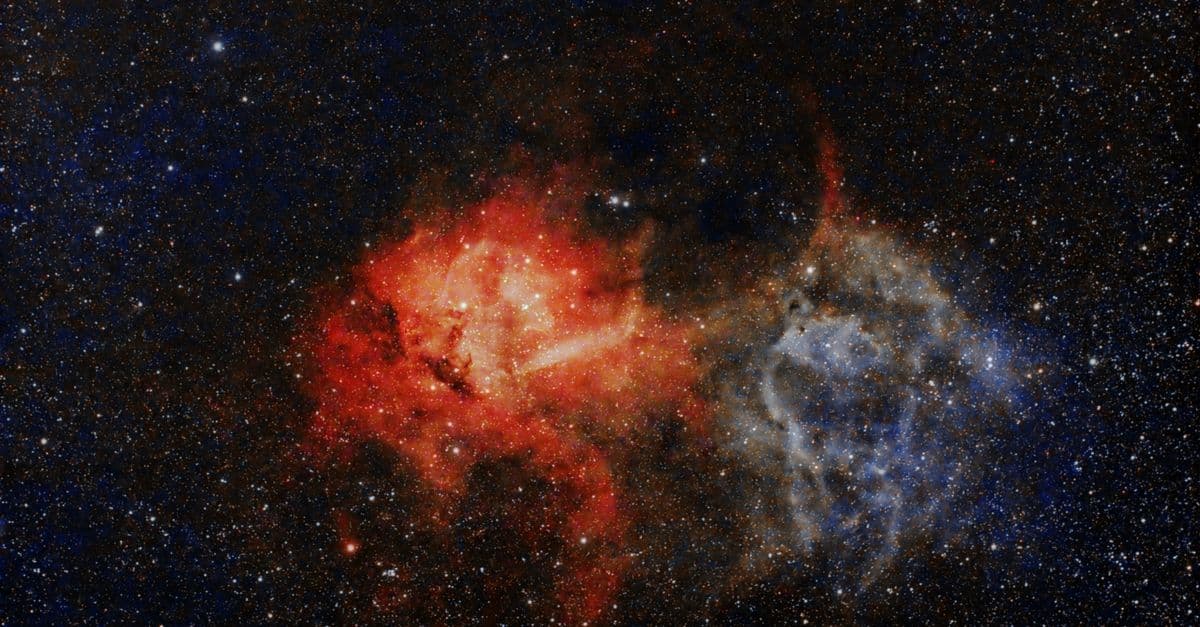
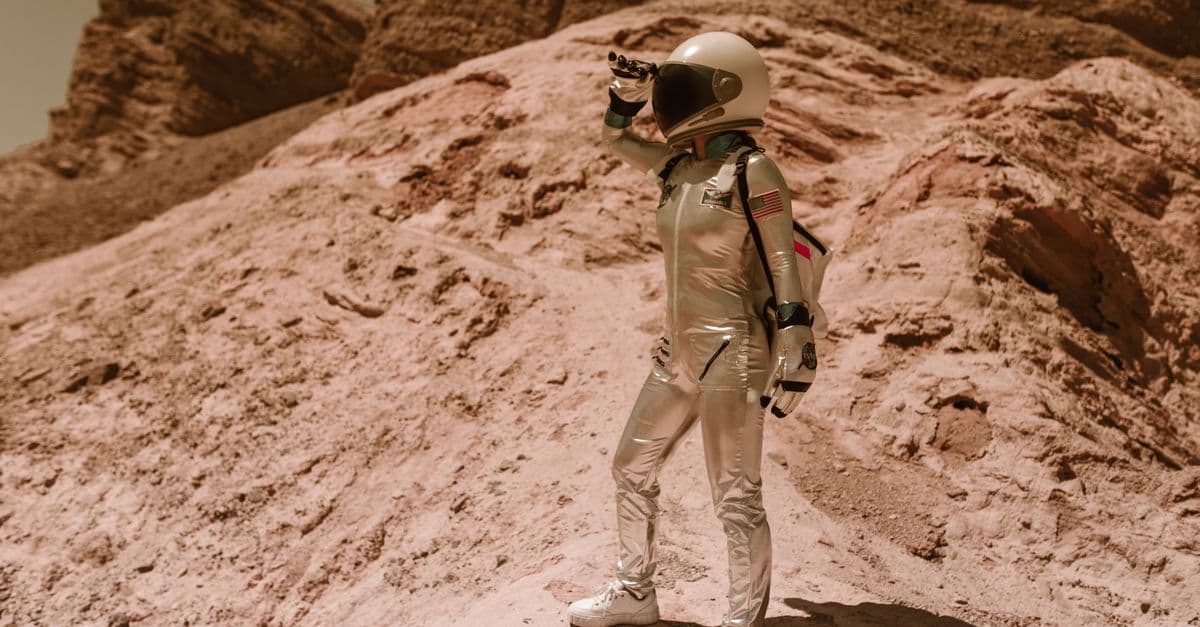
Photo: Luis Felipe Alburquerque Briganti / Pexels
Astrobiology is the scientific study of the origin, evolution, distribution, and future of life in the universe. It is one of the few scientific disciplines defined by a question rather than a method: is there life elsewhere, and if so, what form does it take? NASA formally established its astrobiology program in 1996, the same year that the ALH84001 Martian meteorite was reported to contain possible microfossils (though that interpretation remains contested). In the three decades since, the field has matured from speculative to rigorously observational — driven by discoveries of thousands of exoplanets, ice-covered ocean worlds in our own Solar System, and extreme life thriving in conditions once thought incompatible with biology.
Defining Life — The Foundation of Astrobiology
Astrobiology — the interdisciplinary scientific study of life's potential distribution and nature throughout the universe, drawing from astronomy, biology, chemistry, geology, and planetary science.
Astrobiology begins with a problem: we only know one example of life — Earth life. Everything we identify as "life" shares a common ancestor, uses the same genetic code (DNA/RNA), relies on liquid water as a solvent, and is built from carbon-based chemistry. We do not know whether these features are universal requirements for life or merely the particular solution that happened to arise on Earth.
The working definition used by most astrobiologists (and by NASA) is that life is a self-sustaining chemical system capable of Darwinian evolution. This definition does not require DNA, carbon, or water — it requires replication, metabolism, and heritable variation that can be selected. This broad definition allows astrobiologists to reason about hypothetical silicon-based life, life using ammonia as a solvent, or life based on different genetic polymers.
Three major open questions structure the field:
- How did life originate on Earth, and could the same chemistry arise elsewhere?
- What are the minimum planetary conditions necessary for life?
- How would we detect life at another world — either directly (biosignatures) or indirectly (technosignatures)?
Carl Sagan, arguably the most important popularizer and early scientific advocate of astrobiology, wrote in Cosmos (1980): "The universe is under no obligation to make sense to you." His scientific contributions to the field — including the first rigorous analysis of Mars habitability and Venus's greenhouse effect, and co-authorship of the Pioneer plaque — established the intellectual framework that the field still uses. See our full profile of Carl Sagan.
Extremophiles — Life's Known Boundaries on Earth
The discovery of extremophiles — organisms thriving in conditions once considered incompatible with life — has fundamentally expanded the range of environments astrobiologists consider potentially habitable.
Extremophile — an organism adapted to survive and reproduce in physicochemical conditions that would kill most life, including extreme temperature, pressure, acidity/alkalinity, salinity, radiation, desiccation, or absence of light.
Key extremophile discoveries that reshape astrobiology:
- Hydrothermal vent communities (Corliss et al., 1977): Black smoker vent systems at mid-ocean ridges support complex ecosystems at 400°C vent emissions, with the organisms living in the ~10–80°C mixing zones. The thermal gradient drives chemolithotrophy — life powered by chemical energy rather than sunlight — suggesting that sunlight is not universally necessary.
- Pyrolobus fumarii (Blöchl et al., 1997): An archaeon growing optimally at 106°C, with a maximum at 113°C. This hyperthermophile demonstrates that liquid water at high pressure (the key condition, not temperature) is sufficient for cellular function.
- GFAJ-1 and deep crustal microbes: Bacteria isolated from South African gold mines live 3 km underground, surviving on hydrogen produced by radiolysis of water — another sunlight-independent metabolism.
- Atacama Desert polyextremophiles: Microorganisms in the hyperarid Atacama (the driest non-polar desert on Earth) survive in rock salt crystals, extracting water from deliquescent halite by hygroscopic absorption. This has direct relevance to Mars, whose surface brine conditions may not be completely sterile.
- Tardigrades — famous for their desiccation tolerance: they can lose 97% of body water and remain viable for decades. In 2007, tardigrades survived 10 days of direct exposure to space vacuum and solar UV in the FOTON-M3 mission (Jönsson et al., 2008, Current Biology).
The collective lesson from extremophile research is that life finds a way to exploit almost any energy gradient in the presence of liquid water. The water requirement appears to be the most conserved constraint — no confirmed organism survives long-term in the complete absence of liquid water.
Habitability Criteria — What a World Needs to Support Life
Habitable zone — the range of distances from a star within which a planet with sufficient atmospheric pressure could maintain liquid water on its surface. Also called the Goldilocks zone.
But surface habitability is only one form. The discovery of hydrothermal vents and deep crustal life means that subsurface habitability — driven by geothermal or tidal heating rather than stellar irradiation — is equally important and expands the habitable zone concept dramatically.
The four key habitability requirements for life as we know it are:
- Liquid water — as solvent for biochemical reactions. The requirement is for liquid phase water, not necessarily on the surface or at Earth-like temperatures.
- Energy source — solar radiation, chemical gradients (chemolithotrophy), or tidal/radiogenic heat.
- Chemical building blocks — carbon, hydrogen, nitrogen, oxygen, phosphorus, sulfur (CHNOPS). These are among the most abundant elements in the universe.
- Stable conditions — sufficient time for chemistry and evolution to operate, without sterilizing events (impactor bombardment, extreme radiation fluxes, runaway greenhouse, complete glaciation) for extended periods.
Notably absent from most lists is "complex geology" or "atmospheric oxygen" — these may be required for complex multicellular life but are not obviously necessary for microbial life.
Candidate Worlds in Our Solar System
The Solar System contains several worlds where at least the minimum habitability conditions for microbial life may be met.
| Body | Habitable Zone Type | Water Evidence | Energy Source | Biosignature Access |
|---|---|---|---|---|
| Mars | Surface (ancient), subsurface (present) | Past surface water; subsurface brines possible | Solar (reduced); geothermal | In-situ rovers + sample return |
| Europa | Subsurface ocean | Global ~100 km ocean under ice | Tidal heating (Jupiter) | Future lander/penetrator |
| Enceladus | Subsurface ocean + plumes | Active geysers; sampled organics + H₂ | Tidal heating (Saturn) | Cassini flythrough; future mission |
| Titan | Non-aqueous surface | Methane/ethane lakes; subsurface water-ammonia? | Solar (weak); internal heat | Dragonfly mission (2034) |
| Ganymede | Deep subsurface ocean | Likely global ocean under deep ice | Tidal (minor); radiogenic | No near-term mission |
| Callisto | Deep subsurface ocean | Magnetometer evidence for ocean | Radiogenic heat | No near-term mission |
| Venus | Cloud layer | Sulfuric acid aerosols (not water) | Solar | Venus Emissivity Mapper |
Six Solar System bodies are considered serious astrobiology targets by NASA and ESA as of 2026.
Mars — The Closest and Most Studied
Mars is the most studied astrobiology target. Billions of years ago, Mars had liquid surface water — the Curiosity rover's Gale Crater investigations confirmed the presence of ancient habitable lake environments with neutral pH, low salinity, and redox gradients suitable for chemolithotrophy (Grotzinger et al., 2014, Science). The question is whether life ever arose in these environments — and if so, whether it persists in subsurface brines or permafrost today.
The Mars surface is now hostile to life due to UV radiation, perchlorate concentrations, and lack of liquid water. The subsurface is more promising. MARSIS radar on Mars Express detected what appears to be a ~20 km wide subglacial lake under the south polar layered deposits at a depth of ~1.5 km (Orosei et al., 2018, Science). The water is maintained as liquid by either dissolved perchlorates or geothermal heat — both possible, though the latter would require active volcanism that has not been confirmed.
Perseverance's 2021–2025 sample cache, destined for eventual return to Earth in the Mars Sample Return campaign, represents the best opportunity to directly test whether Mars ever hosted life. For the engineering challenges of getting humans to Mars eventually, see Mars settlement engineering.
Europa — An Ocean World
Europa, Jupiter's moon, is the most compelling astrobiology target in the Solar System for many researchers. Its subsurface liquid water ocean — maintained by Jupiter's tidal heating — is estimated at 100 km depth and may contain twice the volume of all Earth's oceans. The ocean is in contact with a rocky seafloor, potentially creating hydrothermal vent-like environments similar to those on Earth where chemolithotrophic life thrives.
NASA's Europa Clipper mission (launched October 2024) will conduct 50 close flybys of Europa between 2030 and 2034, measuring the ocean's depth and chemistry, mapping surface chaos terrain that may expose fresh ocean material, and searching for plume activity similar to Enceladus. Directly sampling the ocean requires a future lander or subsurface penetrator — a technically demanding mission that is currently in concept study.
The moon's radiation environment (Jupiter's intense magnetosphere doses Europa's surface at ~5,000 mSv/day) means any surface organisms would require meter-scale ice shielding or subsurface habitation. The search for life on Europa, and its ocean moon companion Enceladus, is covered in more depth in the search for life on Europa and Enceladus.
Enceladus — The Plumes of Saturn
Enceladus, Saturn's small moon (504 km diameter), was revealed by Cassini (2004–2017) as perhaps the most astrobiologically accessible world in the Solar System. Its south polar geysers erupt liquid water, ice crystals, organic molecules, and molecular hydrogen (H₂) into space — all directly sampled by Cassini's instruments.
The presence of H₂ is particularly significant: it indicates water-rock reactions (serpentinization) at hydrothermal vents, exactly the process that produces chemical energy for chemolithotrophic life on Earth. The pH of the ocean is estimated at 8.5–10.5 (alkaline), and organic molecules up to C15 complexity were detected by the Ion and Neutral Mass Spectrometer (Waite et al., 2017, Science). No life was detected directly, but the chemical conditions in Enceladus's ocean appear to meet all known requirements for chemolithotrophic metabolism.
Biosignatures — How We Would Detect Life
Biosignature — a substance, object, or pattern whose origin specifically requires a biological process and that cannot readily be explained by abiotic chemistry.
The reliability of a biosignature depends on three factors: how definitively it indicates biological rather than abiological origin, how detectable it is remotely or in situ, and how robust it is to preservation over geological timescales.
| Biosignature Type | Examples | Detection Method | Reliability | Abiotic False Positive Risk |
|---|---|---|---|---|
| Atmospheric disequilibrium | O₂ + CH₄ coexistence; N₂O | Transmission spectroscopy | Moderate-High | Low (for O₂+CH₄ combination) |
| Oxygen/ozone | O₂ >1%, O₃ absorption | Spectroscopy | Moderate | Low (photochemical O₂ possible) |
| Isotopic fractionation | δ¹³C depletion; δ³⁴S patterns | Mass spectrometry | High (in context) | Low with multiple lines |
| Molecular chirality | Homochiral amino acids, sugars | Chirality assays | High | Very low |
| Organic complexity | Membrane lipids, nucleobases, polymers | GC-MS, MALDI | Moderate | Moderate (abiotic organics exist) |
| Morphological | Cellular microstructures, stromatolites | Microscopy, CT scanning | Moderate | Moderate (mineral mimics possible) |
| Technosignatures | Radio signals, megastructures, light pollution | Radio telescopes, photometry | High if genuine | Very low |
No single biosignature is definitive; multiple corroborating lines of evidence are required.
The most reliable atmospheric biosignature is the simultaneous presence of oxygen and methane in a planetary atmosphere. Thermodynamically, these two gases react with each other: CH₄ + 2O₂ → CO₂ + 2H₂O. Their coexistence requires continuous replenishment from a biological source (photosynthesis for O₂; methanogenesis for CH₄). On Earth, both gases are maintained by biology at levels far out of thermodynamic equilibrium — a fact Carl Sagan used when analyzing Galileo spacecraft flyby data of Earth as a control test of biosignature detection (Sagan et al., 1993, Nature).
James Webb Space Telescope is now capable of probing exoplanet atmospheres for biosignature gases via transmission spectroscopy, though detecting Earth-level O₂ around a Sun-like star at current sensitivity would require hundreds of transits. JWST has already detected CO₂, water, methane, and sulfur dioxide in exoplanet atmospheres (see James Webb telescope discoveries 2026), establishing the observational foundation. A direct biosignature detection at an exoplanet will likely require the next generation of large direct-imaging telescopes (the Habitable Worlds Observatory proposed by NASA's 2020 Decadal Survey).
The Drake Equation and Estimating N
The Drake equation, formulated by Frank Drake at the 1961 Green Bank Conference, provides a framework for estimating the number of communicative civilizations in the Milky Way:
N = R × fp × ne × fl × fi × fc × L*
Where: R* = star formation rate, fp = fraction with planets, ne = number of habitable planets per system, fl = fraction where life arises, fi = fraction developing intelligence, fc = fraction communicating, L = duration of communicative phase.
Drake's original 1961 estimate yielded N ≈ 10. Modern data has vastly improved three of the seven factors: we now know R* ≈ 3/year, fp ≈ 1 (essentially all stars have planets), and ne ≈ 0.4–0.8 for rocky planets in habitable zones (from Kepler statistics). The remaining four biological and technological factors are still pure guesswork, spanning many orders of magnitude.
The uncertainty in the Drake equation is dominated not by astrophysics but by what is called the "abiogenesis factor" (fl) — how likely is life to arise given a habitable environment — and the "longevity factor" (L). If either is very small, the universe could be largely empty of detectable civilizations. The Drake equation article covers the mathematical details and parameter estimates.
The Fermi Paradox — Where Is Everybody?
In 1950, physicist Enrico Fermi asked over lunch: if intelligent life is common, where are all the aliens? The Solar System has existed for 4.6 billion years; the Milky Way is ~13.8 billion years old. A civilization that began even 1 million years before us and achieved interstellar travel at 1% of the speed of light would have colonized the Galaxy many times over by now. Yet we see no evidence of anyone.
Fermi paradox — the apparent contradiction between the high probability estimates for extraterrestrial civilizations and the total absence of evidence for, or contact with, such civilizations.
The most scientifically rigorous modern analysis of the Fermi paradox (Sandberg, Drexler, and Ord, 2018, arXiv) showed that when the uncertainties in Drake equation parameters are treated as probability distributions rather than point estimates, the resulting distribution of N values is dominated by the probability that we are alone in the observable universe — even though mean estimates of N are high. They call this the "dissolving" of the Fermi paradox: the paradox disappears once you account for the fact that "likely" in a 3-sigma probability distribution still leaves a substantial probability of zero.
For an in-depth treatment of the Fermi paradox hypotheses, see the Fermi paradox — why isn't the universe full of alien civilizations. The search for life in exoplanet atmospheres article covers the observational frontier for detecting biosignatures remotely.
SETI — The Search for Technosignatures
The Search for Extraterrestrial Intelligence (SETI) focuses specifically on detecting technological signals — radio transmissions, laser pulses, or other artifacts of technological civilizations. The Breakthrough Listen initiative (launched 2015 with $100 million in private funding) conducts the most comprehensive SETI survey to date, monitoring 1 million nearby stars, the center of the Milky Way, and 100 nearby galaxies for artificial radio and optical signals.
No confirmed SETI signal has been detected, though several candidate events have been reported and subsequently explained by terrestrial radio frequency interference or natural astrophysical sources. The WOW! signal (1977, Ohio State Big Ear telescope) remains unexplained but has not been repeated in 45 years of follow-up.
The machine learning and radio telescope signal processing for SETI article describes how AI is now applied to the vast datasets produced by these surveys — a critical development given that Breakthrough Listen alone generates petabytes of radio data per year.
Frequently Asked Questions
Q: What is astrobiology and how is it different from SETI? A: Astrobiology is the broad scientific study of life's origins, evolution, and potential distribution in the universe — including origin-of-life chemistry, extremophile biology, planetary habitability, and biosignature science. SETI (Search for Extraterrestrial Intelligence) is the specific, observational search for technological signals from other civilizations. SETI is a subset of astrobiology, but astrobiology is much broader, encompassing the study of microbial life as well as intelligent life.
Q: What is the most promising place to look for life in our Solar System? A: Most astrobiologists currently rank Enceladus and Europa as the highest-priority targets, because both have confirmed subsurface liquid oceans in contact with rocky seafloors, and Enceladus actively ejects its ocean material into space where it can be directly sampled. Mars is the most accessible target with existing missions, but the probability of life there (especially extant life) may be lower given the harsh current surface conditions.
Q: What are biosignatures and how would we detect them? A: Biosignatures are physical, chemical, or atmospheric signs that specifically indicate biological activity. For exoplanets, the key atmospheric biosignature is the simultaneous presence of oxygen and methane — gases that react with each other and must be continuously replenished by biology if both are to coexist. Detection requires transmission spectroscopy of exoplanet atmospheres during transits, a technique JWST is beginning to apply. For Solar System worlds, in-situ mass spectrometry (searching for organic complexity, isotopic fractionation, chirality) is more sensitive.
Q: Could life exist on Titan? A: Titan is unique among Solar System moons: it has a dense nitrogen atmosphere, methane rain, and lakes of liquid methane and ethane on its surface. Some researchers have proposed hypothetical life forms using methane as a solvent instead of water, which would be dramatically different from Earth life. NASA's Dragonfly mission (launching 2028, arriving 2034) will search for signs of prebiotic chemistry or non-water-based life. Titan also likely has a subsurface water-ammonia ocean, providing a second potential habitat.
Q: What is the Drake equation? A: The Drake equation is a probabilistic framework for estimating the number (N) of communicating extraterrestrial civilizations in the Milky Way. It multiplies the rate of star formation by fractions representing stars with planets, planets with life, life that becomes intelligent, intelligent species that communicate, and the duration of their communicative phase. Modern astrophysics has well-constrained the first three factors; the biological and technological factors remain deeply uncertain.
Q: Has any Martian meteorite ever contained evidence of life? A: In 1996, NASA scientists reported that the ALH84001 Martian meteorite contained putative microfossils and polycyclic aromatic hydrocarbons (PAHs) potentially indicative of biological activity (McKay et al., 1996, Science). This claim generated enormous scientific debate. Subsequent analyses showed that the morphological structures could be explained by abiotic mineral processes, and the PAHs were consistent with Earth contamination or abiotic synthesis. The scientific consensus is that ALH84001 does not provide convincing evidence of life.
Q: What would happen if we discovered microbial life on Mars? A: Scientifically, this would be the most profound discovery in human history — demonstrating that life is not unique to Earth and that abiogenesis is either common or that life was transferred between worlds (panspermia). Practically, it would raise immediate questions about contamination (was it Earth life transferred to Mars, or Martian life transferred to Earth via meteorites?), planetary protection policy (should humans visit Mars if it has indigenous life?), and the Fermi paradox implications of finding life in two Solar System bodies.
Q: What is the habitable zone and why is it important? A: The habitable zone (or Goldilocks zone) is the range of orbital distances from a star where liquid water could exist on a planet's surface given sufficient atmospheric pressure. Earth orbits squarely within the Sun's habitable zone. For the full explanation of habitable zone science and its limits, see what is the habitable zone and why Earth is in it. Note that subsurface habitability (as on Europa) can extend habitability far outside the classical stellar habitable zone.
Sources
- Grotzinger, J. P., et al. (2014). A habitable fluvio-lacustrine environment at Yellowknife Bay, Gale Crater, Mars. Science, 343(6169), 1242777.
- Orosei, R., et al. (2018). Radar evidence of subglacial liquid water on Mars. Science, 361(6401), 490–493.
- Waite, J. H., et al. (2017). Cassini finds molecular hydrogen in the Enceladus plume: evidence for hydrothermal processes. Science, 356(6334), 155–159.
- Sagan, C., et al. (1993). A search for life on Earth from the Galileo spacecraft. Nature, 365(6448), 715–721.
- Jönsson, K. I., et al. (2008). Tardigrades survive exposure to space in low Earth orbit. Current Biology, 18(17), R729–R731.
- McKay, D. S., et al. (1996). Search for past life on Mars: Possible relic biogenic activity in Martian meteorite ALH84001. Science, 273(5277), 924–930.
- Sandberg, A., Drexler, E., and Ord, T. (2018). Dissolving the Fermi paradox. arXiv, 1806.02404.
- Blöchl, E., et al. (1997). Pyrolobus fumarii, gen. and sp. nov., represents a novel group of archaea, extending the upper temperature limit for life to 113°C. Extremophiles, 1(1), 14–21.
- Brack, A. (1999). Life in the Solar System. Advances in Space Research, 24(4), 417–433.
- Kasting, J. F., Whitmire, D. P., and Reynolds, R. T. (1993). Habitable zones around main sequence stars. Icarus, 101(1), 108–128.
Follow new articles
Add SciHub101 to your feed reader to see new science and technology stories.
About the Author
SciHub101 is an independent science and technology publication founded and edited by Buğra Sözeri, a software engineer and app developer based in Türkiye. AI tools assist with drafting and research. Source documentation in the existing archive is uneven, and articles are being reviewed and corrected. The Editorial Team byline identifies editorial responsibility; it does not certify specialist or independent human review. Where we compare products, anything built by our own team is labelled as such — see the editorial guidelines and About page for how corrections and disclosures work.
Related Articles
Mars Settlement Engineering — Life Support, Radiation, and ISRU Explained
The engineering challenges of permanent Mars settlement: life support systems, radiation shielding, food production, water extraction, and in-situ resource utilization.
What James Webb Telescope Has Actually Found (2022–2026) — The Discoveries That Rewrote Astronomy
JWST's confirmed discoveries from 2022 to 2026: ancient galaxies too massive for theory, exoplanet biosignature debates, star formation in infrared, and solar system science.
The Search for Extraterrestrial Life: Where Do We Stand?
The search for life beyond Earth focuses on two main questions: (1) Has intelligent life evolved elsewhere in the cosmos? (2) Has life in any form (microbial) emerged on exoplanets or moons? The Drake Equation (1961) estimated the number of communicative civilizations in the Milky Way at N = R × f_p × n_e × f_l × f_i × f_c × L, yielding estimates from 1 to 1 million civilizations depending on parameter assumptions. Yet 70 years of SETI (Search for Extraterrestrial Intelligence) has found no confirmed signals. Meanwhile, exoplanet discoveries (5,500+ as of 2026) reveal that habitable-zone Earth-like planets are common. Mars, Europa, and Enceladus show signs of liquid water and reduced carbon compounds. JWST observations have detected biosignature candidates in exoplanet atmospheres. The paradox is stark: habitable worlds appear common, yet no confirmed biosignatures have been found. This article reviews the evidence for habitable zones, biosignature detection, and the Fermi Paradox.

What Is the Great Filter? The Fermi Paradox's Darkest Solution
The Milky Way holds 200 to 400 billion stars and we have found no sign of another civilization. The Great Filter proposes that one step on the road from chemistry to spacefaring is almost impossible, and we do not know whether we have already passed it.
What If Aliens Existed? What Contact Would Actually Look Like
A thought experiment on alien biology, first contact protocols, and Fermi paradox resolutions — what discovering extraterrestrial life would really mean.
The Drake Equation — How Many Aliens Exist?
The Drake Equation estimates how many alien civilizations exist in the Milky Way. Learn each factor, the modern numbers, and what it actually tells us.