Space
The ISS Explained — Living in Space
How the International Space Station works: orbit, modules, daily life, science, and the transition to commercial stations and China's Tiangong by 2030.
20 articles tagged with #microgravity
How the International Space Station works: orbit, modules, daily life, science, and the transition to commercial stations and China's Tiangong by 2030.

Sleeping in a sleeping bag on a wall, recycling urine into drinking water, and exercising to save your bones. This is life in space.

ISS experiments produce metal alloys and composite materials with properties impossible on Earth, advancing aerospace, electronics, and clean energy.

ISS experiments with brain organoids and amyloid-beta protein reveal how microgravity reshapes neural aging and protein folding, opening a new research platform for Alzheimer's disease.
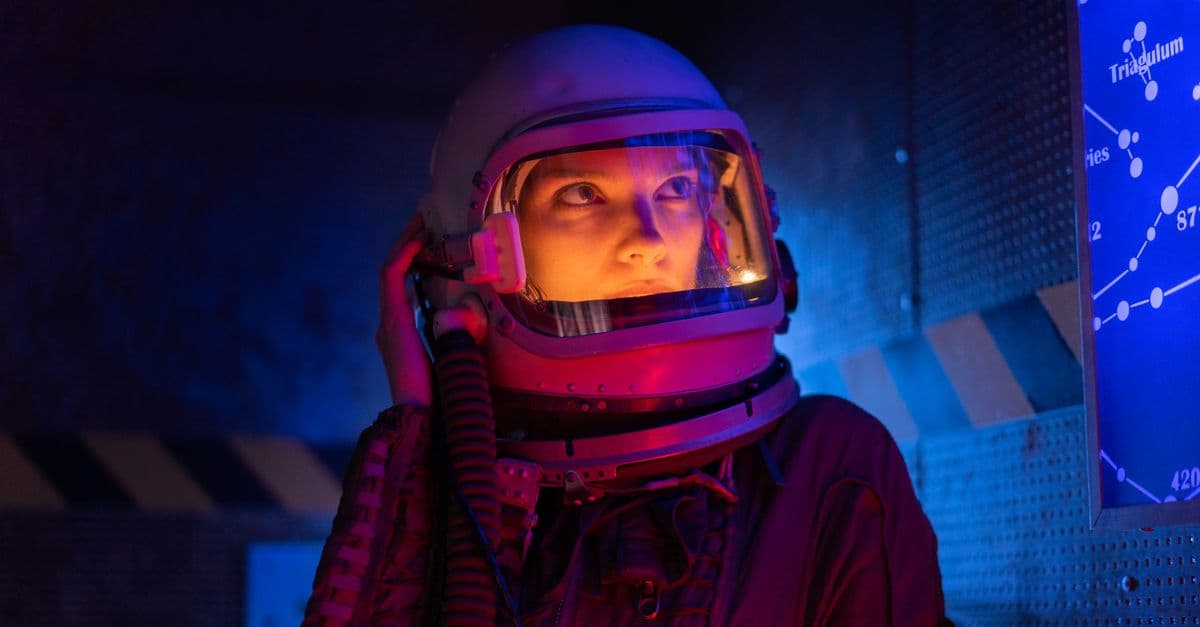
ISS experiments reveal that bacteria behave differently in microgravity, becoming more virulent and developing antibiotic resistance faster—with surprising implications for spacecraft safety and planetary protection.

Spaceflight produces aging-like changes in bone, muscle and the cardiovascular system, most of which largely reverse after return. Here is what the NASA Twins Study and ISS research do, and do not, show about aging.

ISS astronauts lose bone density faster than aging populations, revealing mechanisms of osteoporosis and informing prevention and treatment strategies.
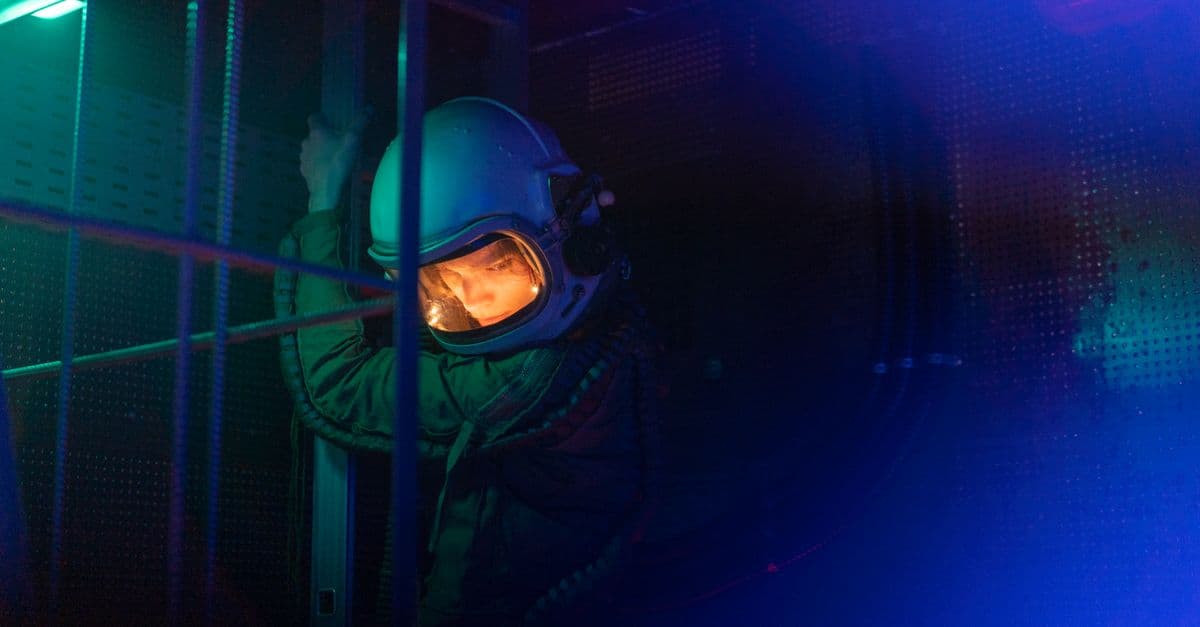
ISS experiments reveal that cancer cells behave differently in microgravity, sometimes becoming more aggressive but also more vulnerable—insights accelerating cancer research.

ISS research reveals how weightlessness causes fluid shifts, cardiac deconditioning, and blood flow changes—insights applicable to heart disease treatment on Earth.

ISS experiments reveal how flames behave without gravity, fundamentally changing fire safety for spacecraft and advanced combustion engine design.

Microgravity experiments aboard the ISS unlock fluid behavior impossible to study on Earth, transforming heat transfer technology and spacecraft design.
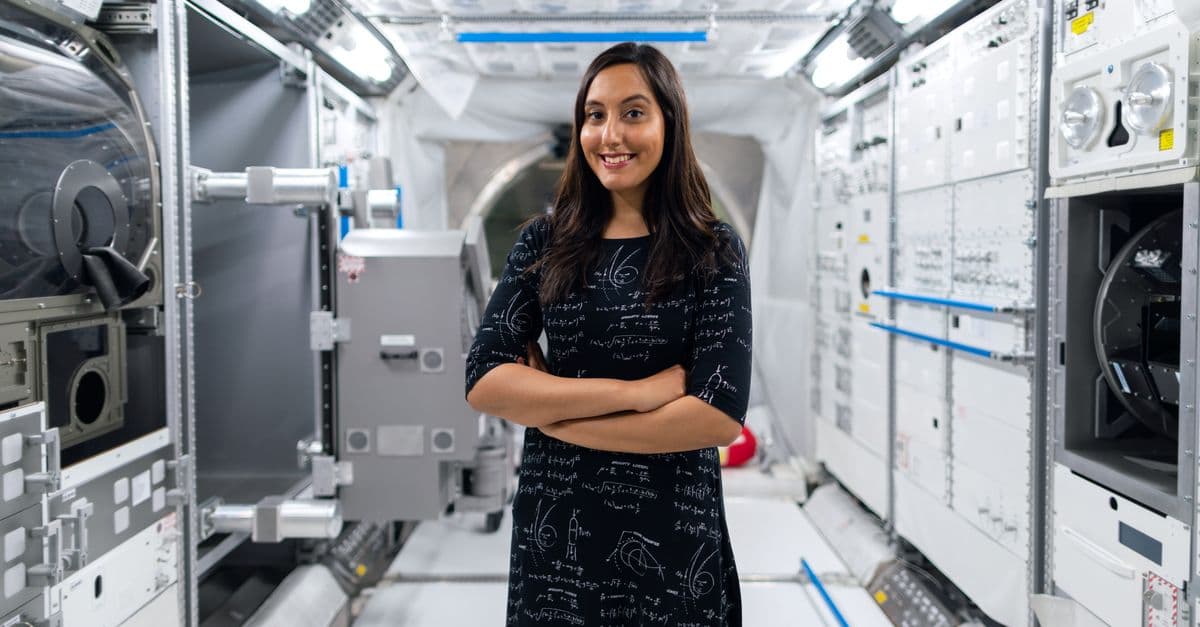
NASA's Twins Study, GeneLab rodent missions, and single-cell astronaut data show how removing gravity rewrites gene activity — and what that reveals about immunity, aging, and disease on Earth.