Space
Why Is the Night Sky Dark? Olbers' Paradox Explained
The night sky is dark because the universe has a finite age, not because stars are few. How Olbers' paradox works, who solved it, and what it reveals.
168 articles tagged with #space
The night sky is dark because the universe has a finite age, not because stars are few. How Olbers' paradox works, who solved it, and what it reveals.
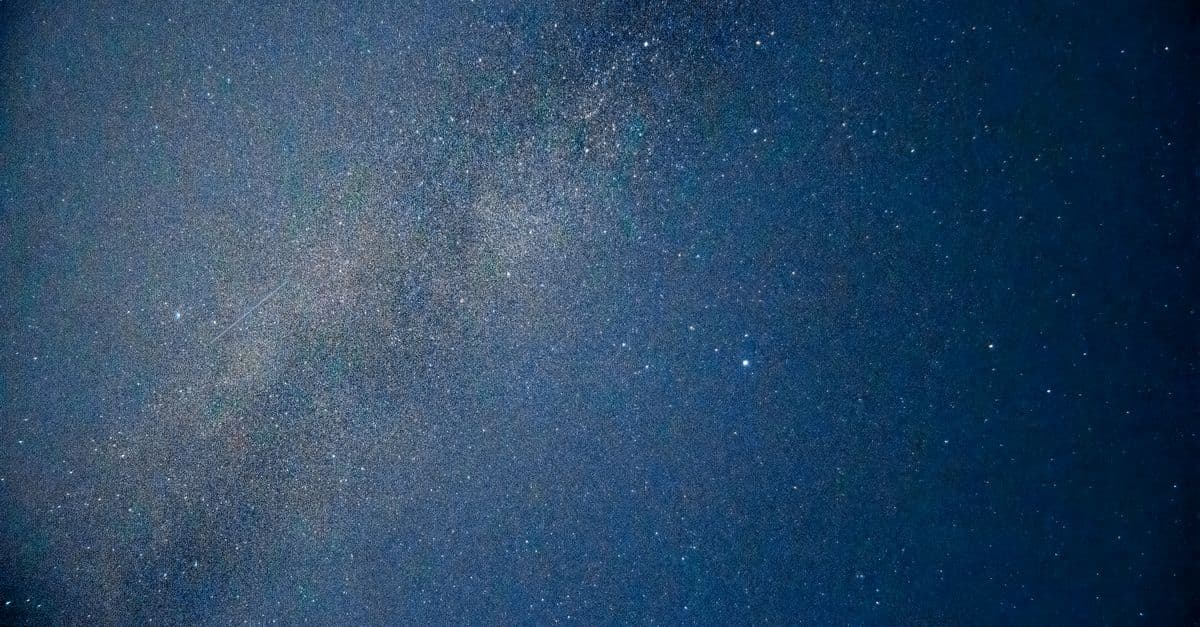
Stars twinkle because Earth's turbulent atmosphere bends starlight in constantly shifting ways. Because stars are infinitely distant, they act as point sources, so even tiny bends in light rays cause dramatic brightness and color flickers. Planets, being much closer, show a small disk that averages out the jitter. Twinkling is worst near the horizon and is why the best observatories sit on mountaintops or in orbit.
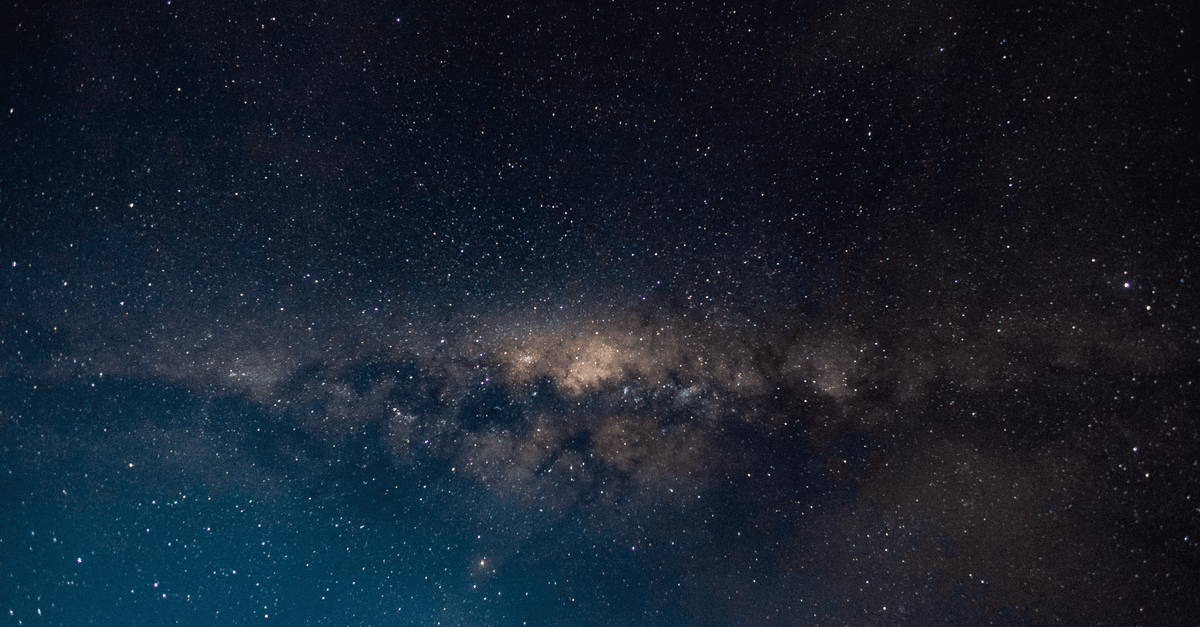
Earth's 23.5-degree axial tilt, not its elliptical orbit, is why we have seasons. The tilt means each hemisphere receives more direct sunlight and longer daylight hours for part of the year (summer), then less direct light and shorter days for another part (winter). The two hemispheres always experience opposite seasons simultaneously. Solstices and equinoxes mark the extremes and midpoints of this tilt cycle.
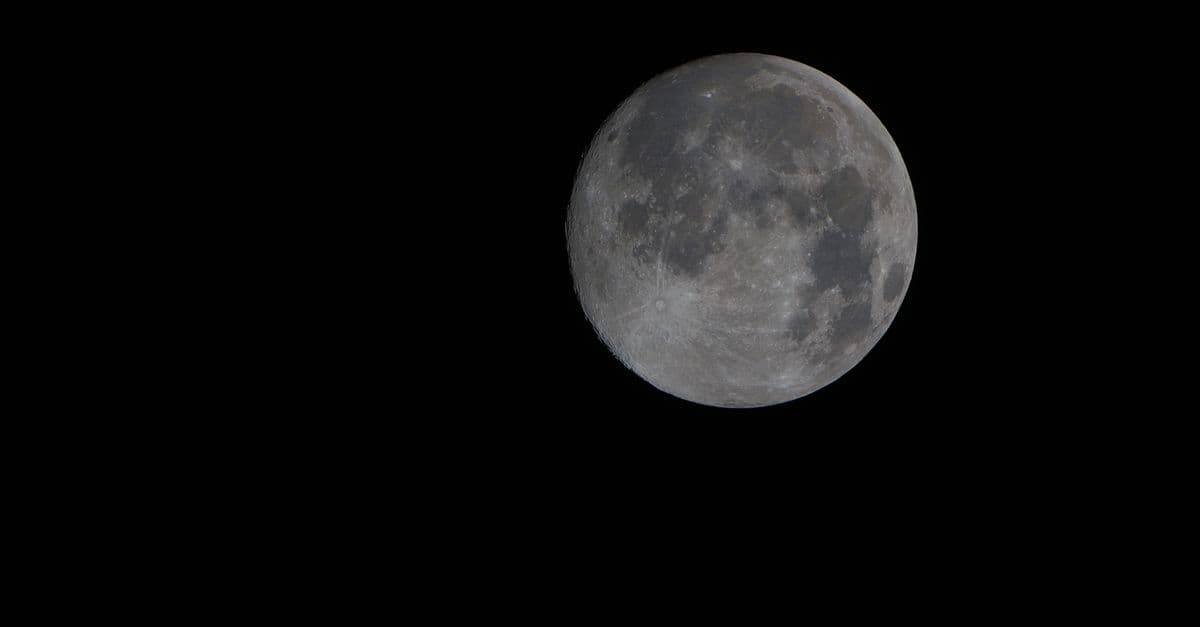
Half the Moon is always sunlit; phases are how much of that lit half we see as the Moon orbits Earth. The synodic month lasts 29.5 days, moving through new, crescent, quarter, gibbous, and full phases. Phases are NOT Earth's shadow—that's an eclipse. The Moon always shows us the same near side due to tidal locking, a gravitational dance between Earth and Moon.

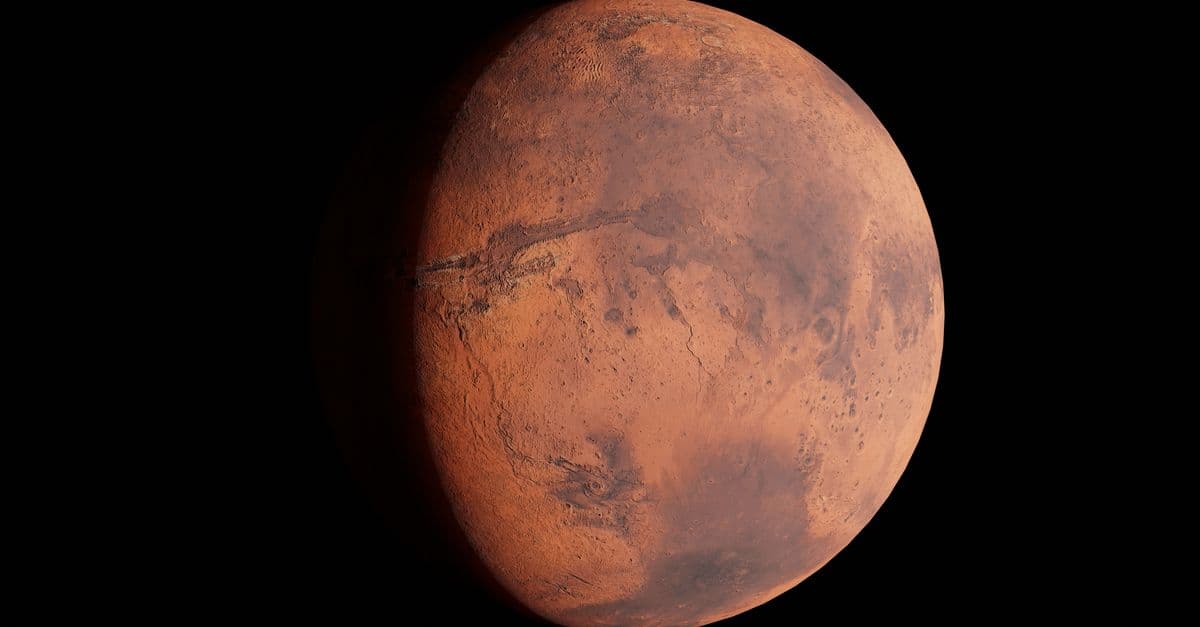
Mars looks red because iron in its dust and surface rocks has oxidized into rust-colored minerals. A 2025 study argues the main pigment is ferrihydrite, a water-bearing iron mineral, and that planet-wide winds spread the fine powder that gives Mars its color.
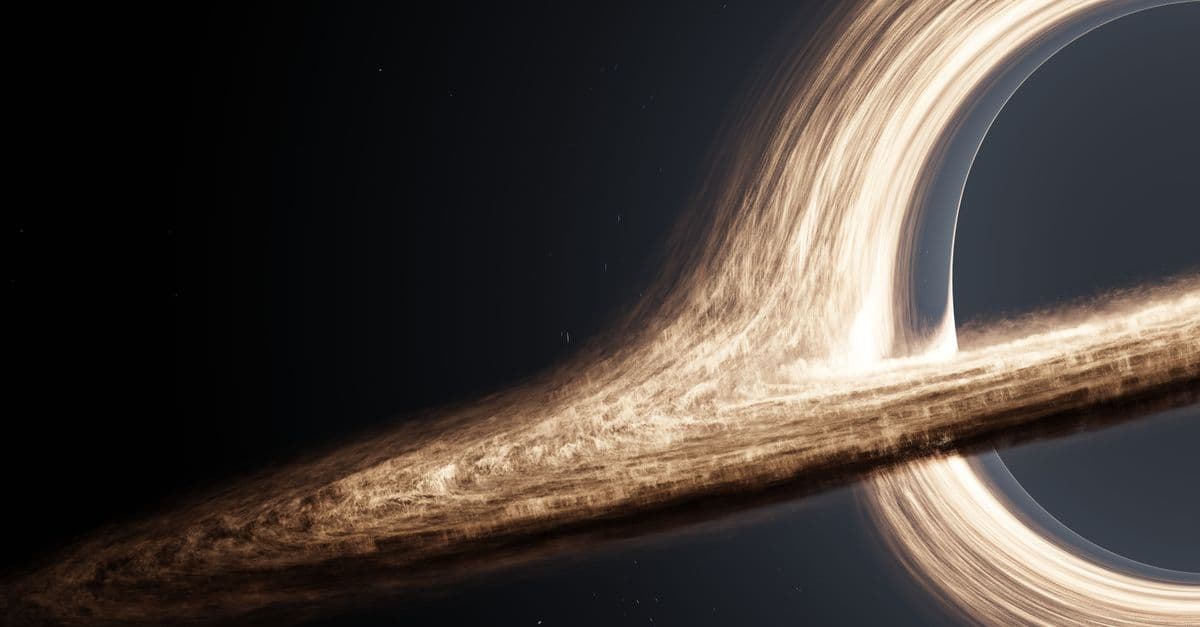
The Event Horizon Telescope created the first black hole image by linking radio telescopes across Earth. Here is how the experiment worked.
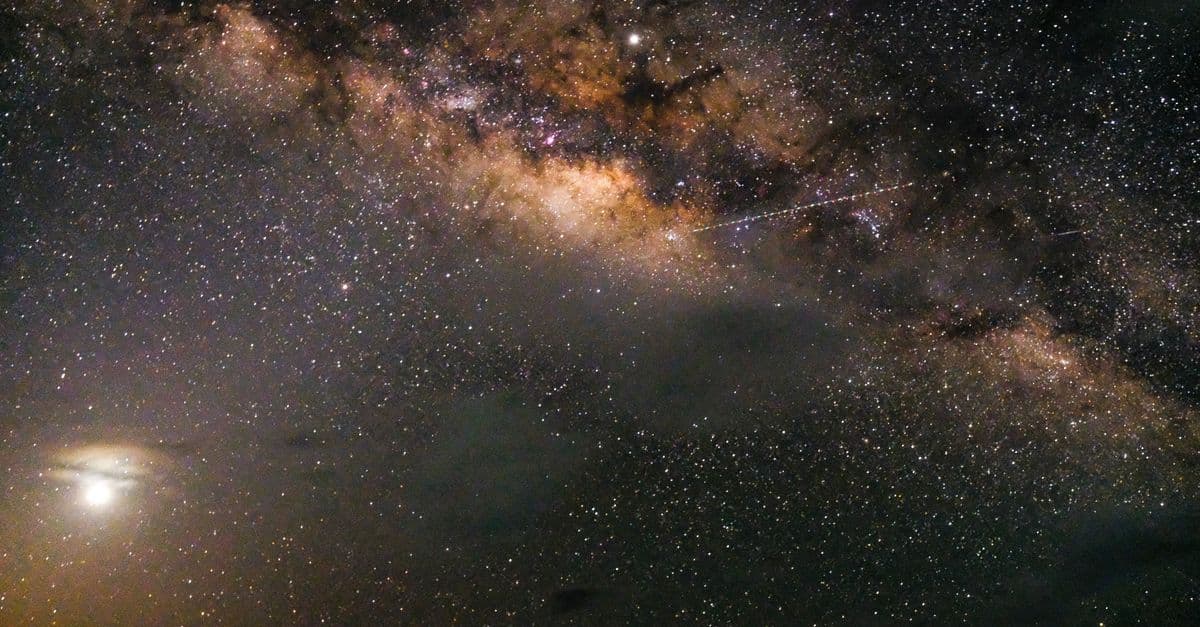
The most massive black holes challenge galaxy formation models. This article explains ultramassive black holes, how mass is measured, and why records change.
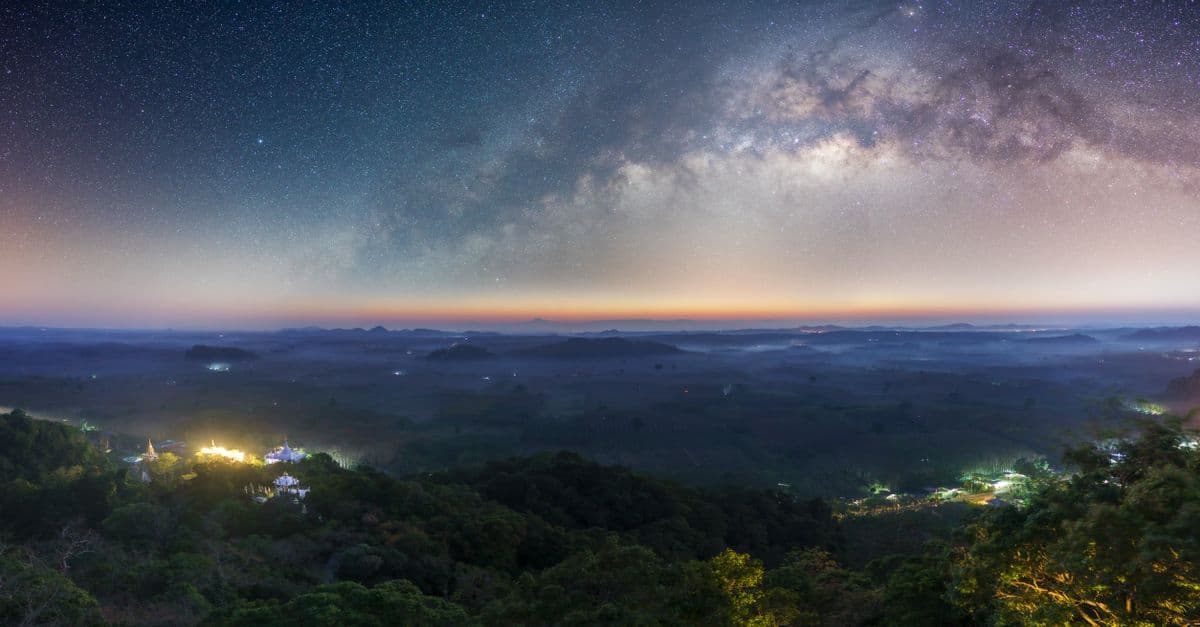
A guide to the nearest potentially habitable exoplanets, from Proxima b to TRAPPIST-1e, what JWST has found, and why 'habitable' rarely means confirmed.

If you placed the star UY Scuti where our Sun is, its surface would engulf Mercury, Venus, Earth, Mars, and reach out past the orbit of Jupiter. It is one of the largest known stars — a hypergiant so vast that light takes hours to cross it. Yet by another measure, this colossus is a lightweight: a star can be a thousand times wider than the Sun and still weigh less than the heaviest stars, which are smaller but unimaginably dense. Size, in space, is not what it seems.
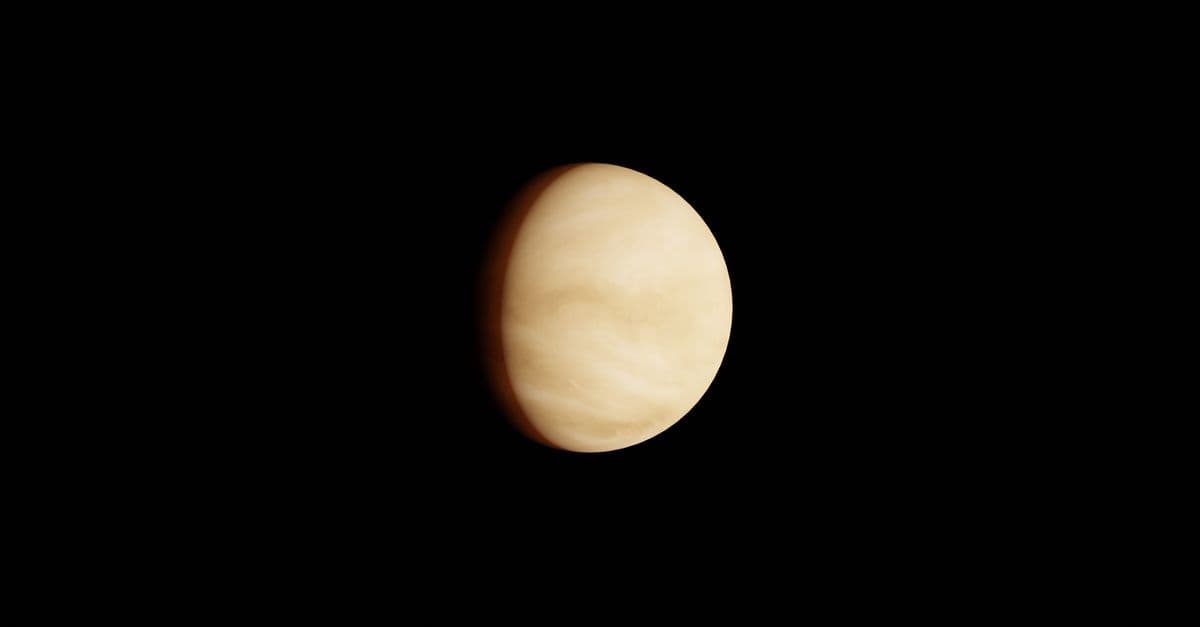
Venus rotates in the opposite direction of every other planet in the solar system, and it does so so slowly that a single Venusian day lasts 243 Earth days — longer than its year of 225 days. If you stood on Venus, the Sun would rise in the west and set in the east, and by the time it crossed the sky, you would have already lapped the planet in its orbit. Two competing theories — a primordial giant impact and the slow grind of atmospheric tides — argue over how a world ended up this strange, and neither has yet won.
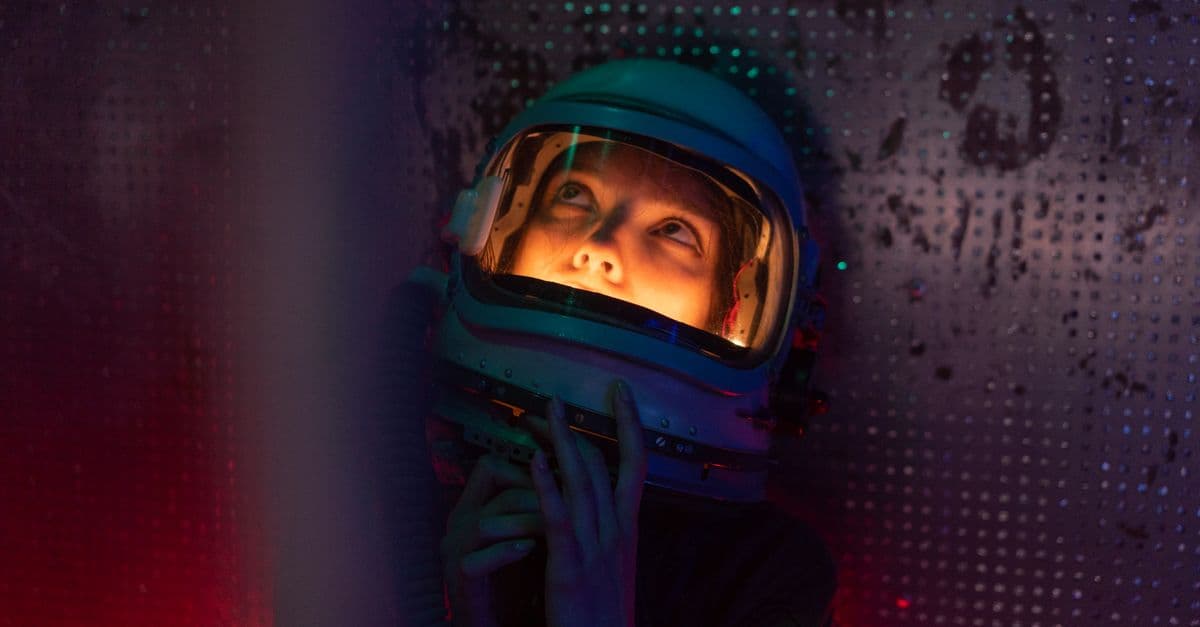
An astronaut in a spacesuit orbiting Earth faces four immediate threats: the vacuum of space (zero pressure, instant death in seconds without suit), extreme temperature swings (−150°C in shadow, 150°C in sunlight), intense radiation (solar wind, cosmic rays), and hypoxia (lack of oxygen). The Environmental Control and Life Support System (ECLSS) on spacecraft manages all four through oxygen generation, carbon dioxide removal, water recycling, temperature regulation, and pressure maintenance. The International Space Station recycles 90 percent of water and generates oxygen through electrolysis. Deep-space missions to Mars will require even more sophisticated recycling: current ECLSS efficiency is insufficient for 2-year Mars transit. This article examines how astronauts survive in space, the engineering of life support, and the challenges of keeping humans alive in the harshest environment.
The search for life beyond Earth focuses on two main questions: (1) Has intelligent life evolved elsewhere in the cosmos? (2) Has life in any form (microbial) emerged on exoplanets or moons? The Drake Equation (1961) estimated the number of communicative civilizations in the Milky Way at N = R × f_p × n_e × f_l × f_i × f_c × L, yielding estimates from 1 to 1 million civilizations depending on parameter assumptions. Yet 70 years of SETI (Search for Extraterrestrial Intelligence) has found no confirmed signals. Meanwhile, exoplanet discoveries (5,500+ as of 2026) reveal that habitable-zone Earth-like planets are common. Mars, Europa, and Enceladus show signs of liquid water and reduced carbon compounds. JWST observations have detected biosignature candidates in exoplanet atmospheres. The paradox is stark: habitable worlds appear common, yet no confirmed biosignatures have been found. This article reviews the evidence for habitable zones, biosignature detection, and the Fermi Paradox.