Skip to content
ISSUE 10.29.26/24 CATEGORIES

space

168 articles tagged with #space

Close-up of vintage vinyl records displayed on a rustic brick wall, creating an artistic, nostalgic atmosphere.
World Records

The Most Massive Objects in the Universe: Stars, Black Holes, and Cosmic Walls

Stephenson 2-18 is a star so large that if it replaced the Sun, its surface would engulf Saturn's orbit. The black hole at the center of galaxy TON 618 contains 66 billion solar masses — more than the combined mass of every star in the Milky Way. The Hercules-Corona Borealis Great Wall spans 10 billion light-years, a structure so enormous that its very existence challenges the standard cosmological model. Mass in the universe operates at scales that have no human analogy, and each record reveals a different physical constraint — or its violation.

Editorial Team·June 2, 2026·15 min
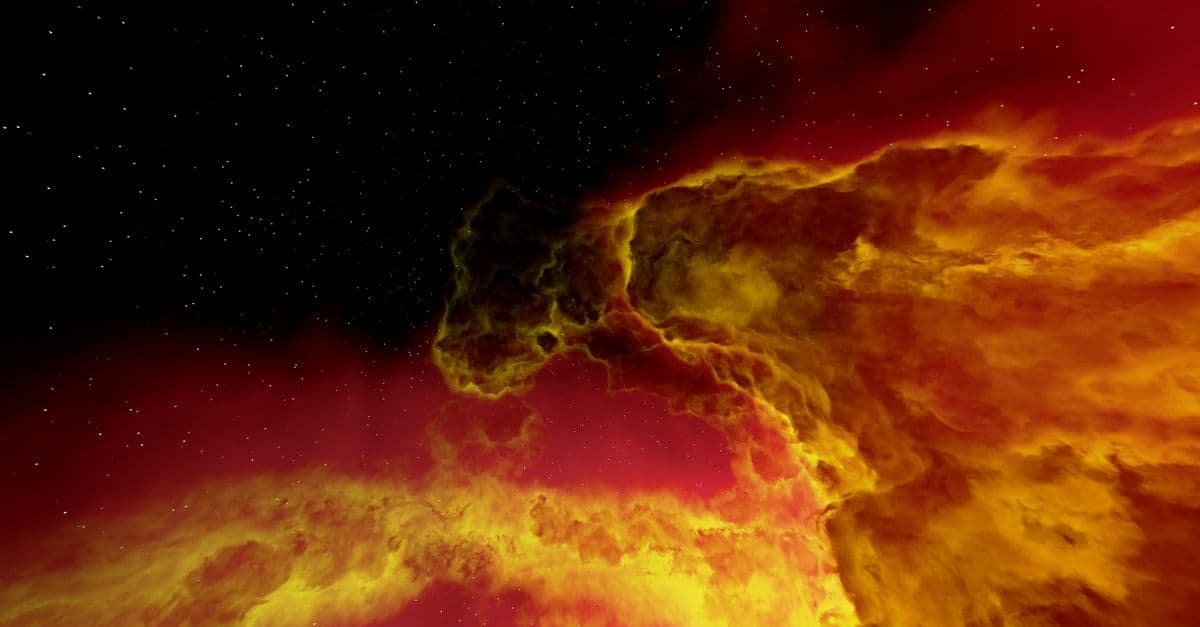
Stunning view of a colorful nebula in space against a backdrop of stars.
Space

AGB Stars: The Carbon Factories That Seed the Universe

Most of the carbon in your body was not made in a supernova. It was made in the bloated outer layers of a dying star on the asymptotic giant branch — a phase of stellar evolution so chemically productive that a single AGB star can enrich the surrounding interstellar medium with more carbon than a thousand supernovae. These stars pulse, dredge up nuclear-processed material from their interiors, and blow it into space in slow, dense winds that eventually become planetary nebulae.

Editorial Team·June 1, 2026·17 min
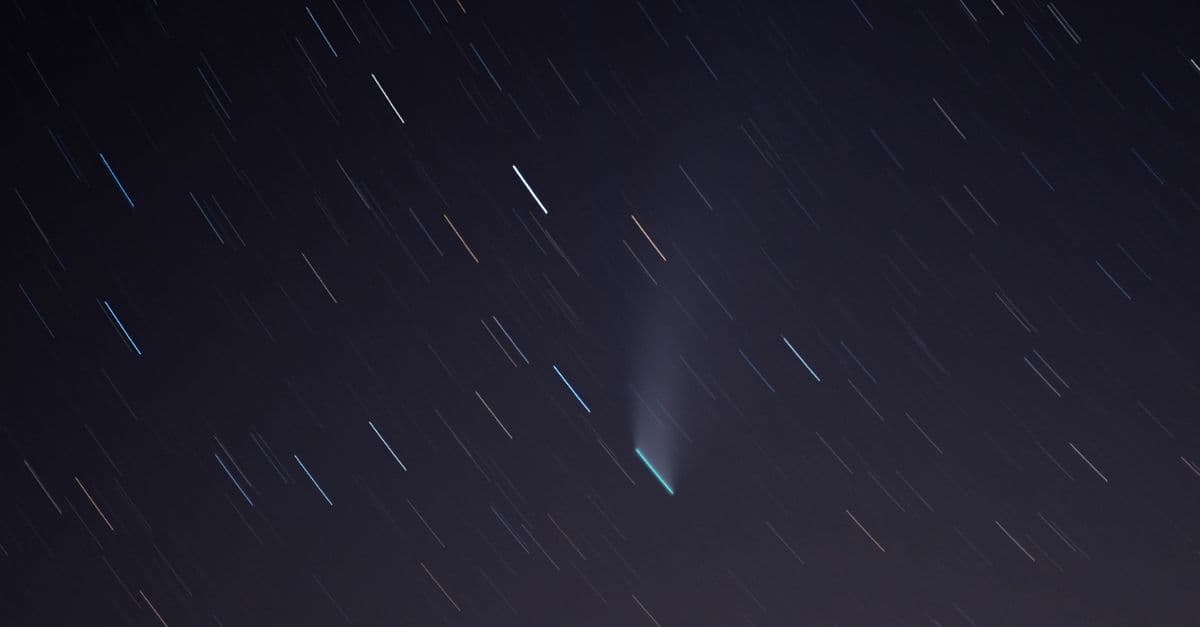
Long exposure of star trails and a comet illuminating the night sky over Airolo, Switzerland.
Space

2I/Borisov: The First Confirmed Interstellar Comet

In August 2019, an amateur astronomer in Crimea spotted a faint smudge moving at impossible speed. It turned out to be a comet from another star system — only the second interstellar object ever confirmed in our solar system, and the first one to look genuinely familiar.

Editorial Team·June 1, 2026·16 min
Ethereal image of a colorful nebula set against the vast starry cosmos.
Space

Enceladus's Hydrothermal Vents and the Case for Life

Saturn's tiny moon Enceladus shoots plumes of water vapor and hydrogen gas into space from cracks in its icy crust. Those plumes carry direct evidence of 90°C hydrothermal vents on the ocean floor — the same kind of environment where life on Earth may have started.

Editorial Team·June 1, 2026·17 min
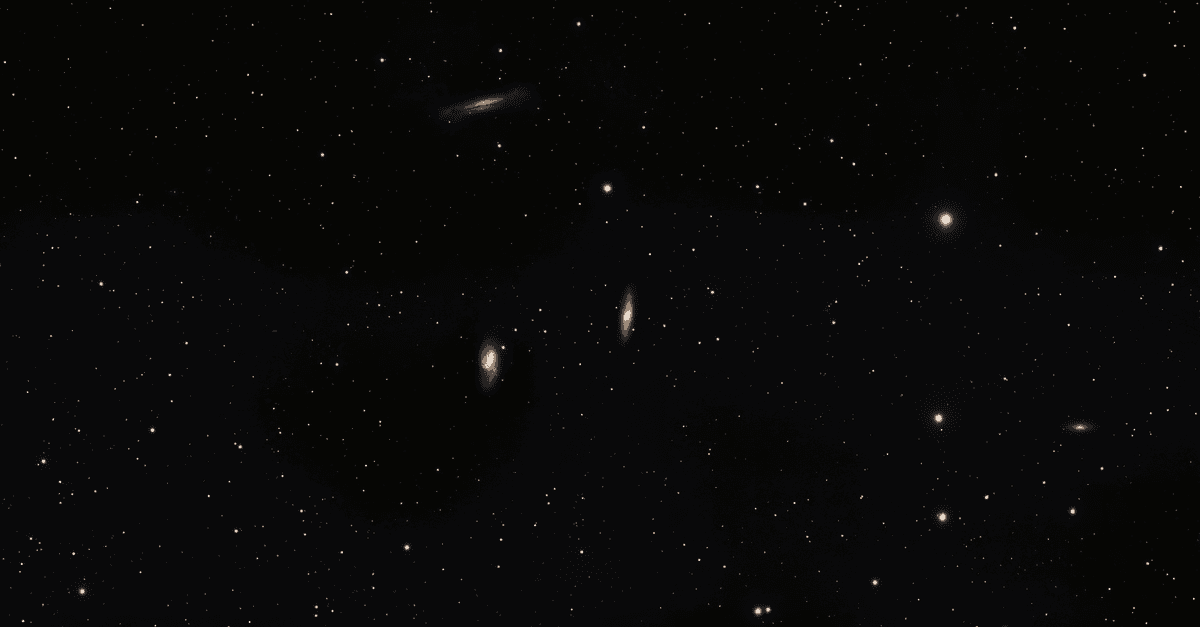
Capture of the Milky Way galaxy stretching across the dark night sky, filled with stars.
Space

Galactic Cannibalism: The Milky Way's History of Mergers

The Milky Way did not grow peacefully. It reached its current size by absorbing smaller galaxies — tearing them apart with tidal forces, stripping their stars into long streams, and incorporating their material into the disk and halo. One major collision 10 billion years ago reshaped the Milky Way's entire inner halo. Another is happening right now. A third, larger one is coming in 4 billion years, and there is nothing that can stop it.

Editorial Team·June 1, 2026·19 min
A breathtaking view of a starry sky featuring the Milky Way and a meteor streaking across.
Space

JWST's WASP-39b: First Clear CO₂ in an Exoplanet Atmosphere

In 2022, the James Webb Space Telescope returned the first clear, detailed evidence of carbon dioxide in a planet outside the solar system. The same planet later gave up sulfur dioxide made by starlight chemistry, water, carbon monoxide, sodium, and potassium, and showed that its morning and evening edges differ.

Editorial Team·June 1, 2026·27 min
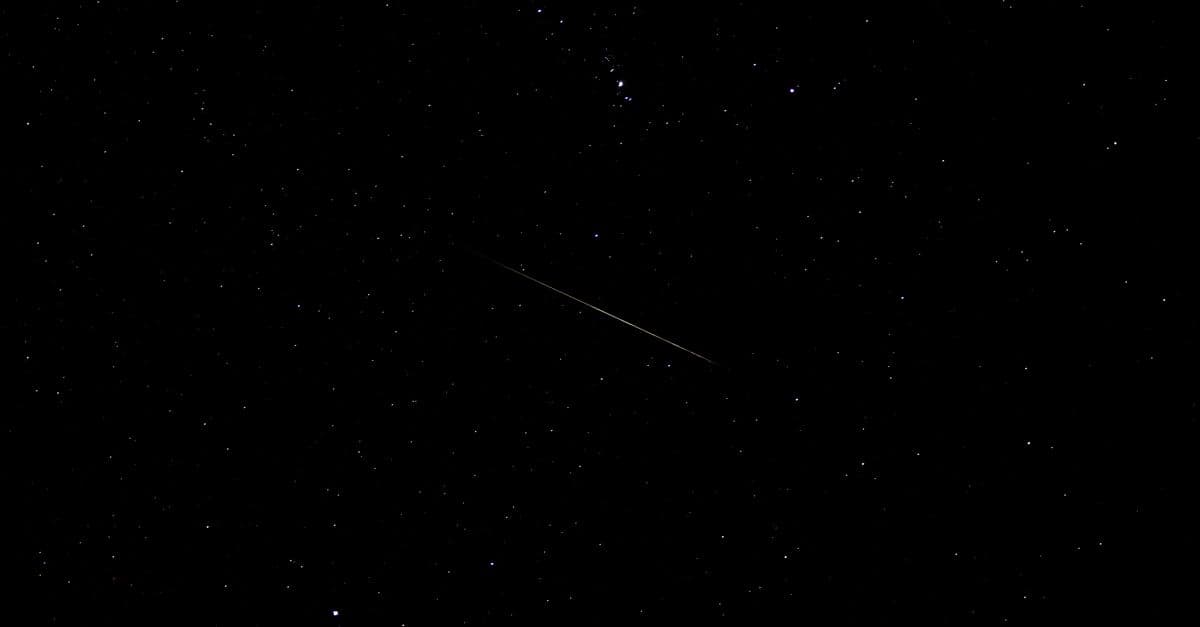
A serene view of a shooting star across a starry sky, perfect for astronomy lovers.
Space

Long-Period Comets: Messengers From the Edge of the Solar System

Comet Hale-Bopp, which dominated the 1997 night sky, had not been seen by any human being before. Its previous perihelion passage was in approximately 2215 BCE, before writing systems existed in most of the world. It had spent the intervening 4,200 years falling inward from the outer solar system at speeds so slow that a bicycle could have overtaken it. When it finally arrived, its pristine composition — unchanged since the solar system formed 4.5 billion years ago — gave scientists a direct sample of the raw material from which planets were built. Long-period comets are the oldest, least-altered objects available for study. They are time capsules from the beginning.

Editorial Team·June 1, 2026·19 min
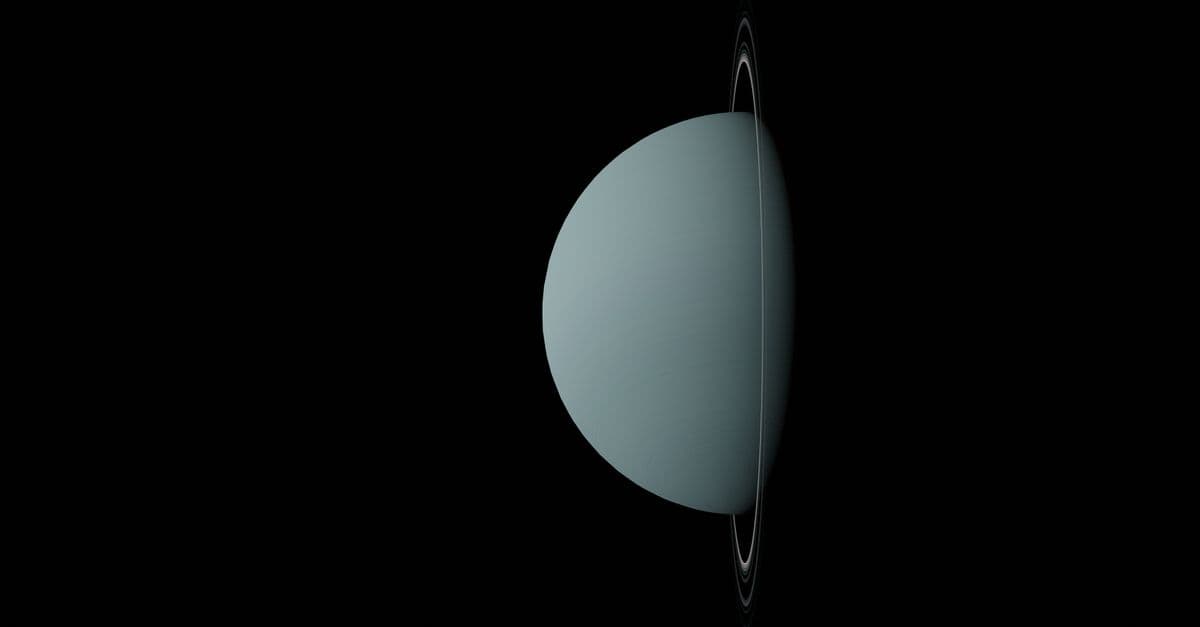
A digitally created image showcasing the planet Uranus with its smooth rings against a dark, outer space background.
Space

Planetary Rings Explained: Not Just Saturn

Saturn's rings are the solar system's most famous structure, but they are far from unique. Uranus has 13 dark, narrow rings discovered by accident in 1977. Neptune has incomplete arcs instead of full circles. Jupiter has a faint ring made of dust blasted off its innermost moons by meteorite impacts. All four giant planets have rings — and they all work differently. Saturn's may be geologically young, which raises a question nobody has fully answered: where did they come from?

Editorial Team·June 1, 2026·17 min