Science
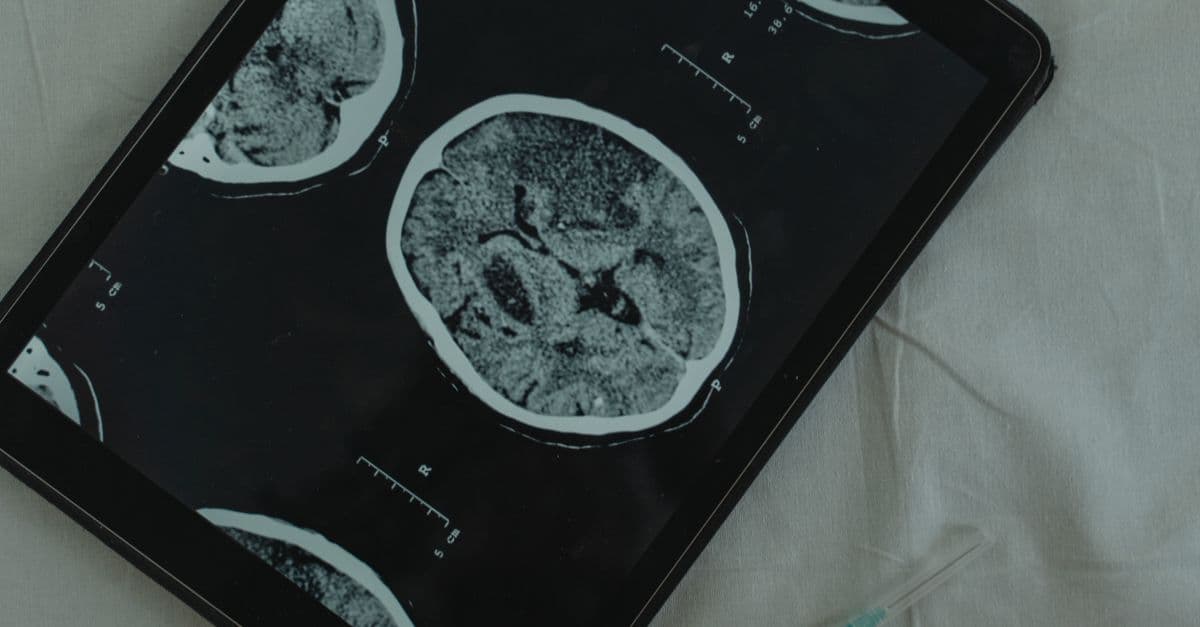
Why Anesthesia Is Still a Mystery
We've used general anesthesia since 1846 and perform 300 million surgeries a year with it — but we still don't know exactly how it works.
39 articles tagged with #medicine
We've used general anesthesia since 1846 and perform 300 million surgeries a year with it — but we still don't know exactly how it works.
From bacterial immune system to approved therapies: how CRISPR-Cas9, base editing, and prime editing are rewriting the genetic code of medicine.

A doctor who knows your complete medical history, never forgets, is available at 3 AM, and has read every study ever published. What's not to like?

Imagine waking up to a headline: AI has cracked cancer, Alzheimer's, and every infectious disease. What would that world actually look like?
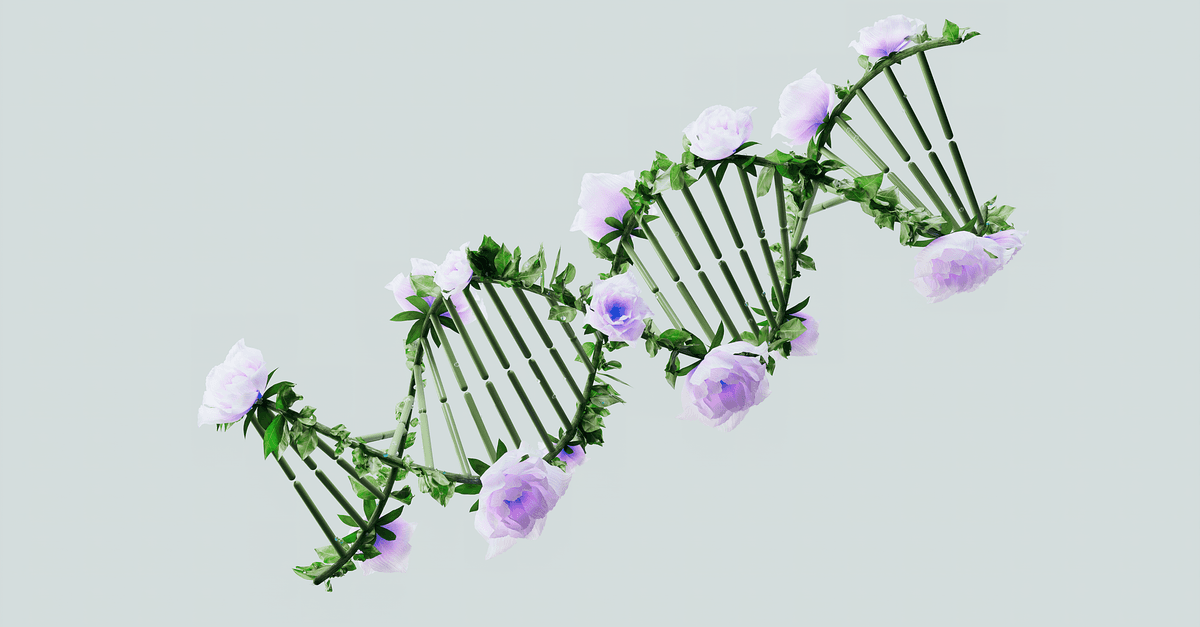
Machine learning is being tested on organ matching, graft-survival prediction, and kidney nonuse. Here is what the evidence shows and where it stops.
The Black Death killed a third of Europe. The 1918 flu killed more people than World War I. Epidemics have redirected history more than any army.
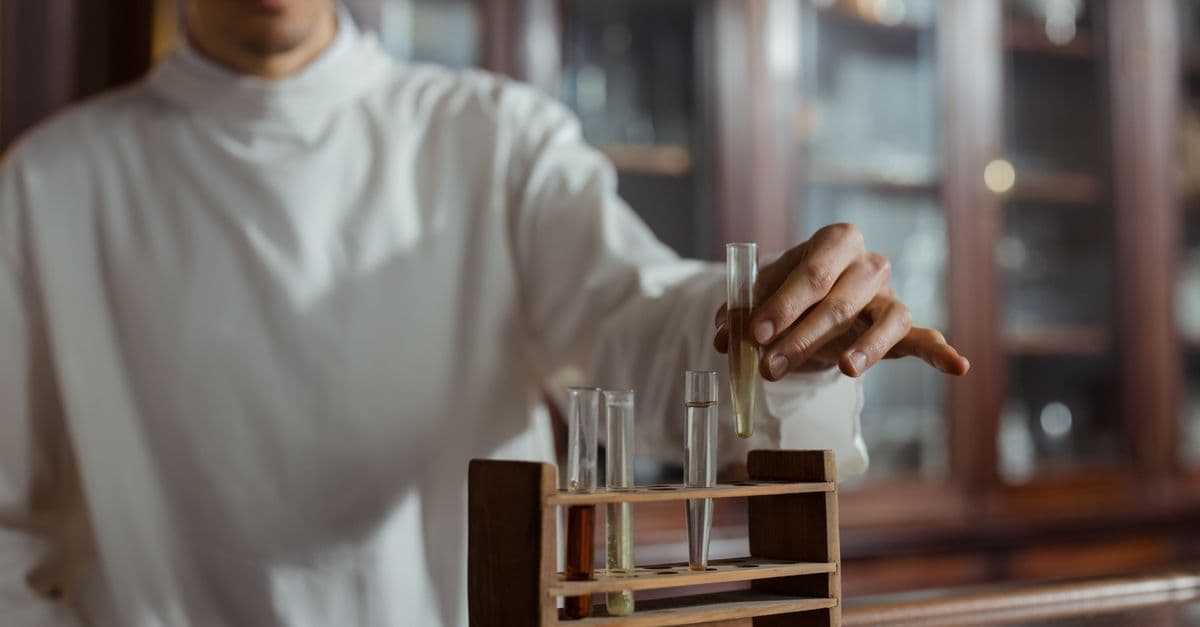
Before 1846, surgery meant unbearable agony and a near-certain chance of fatal infection. Here's how medicine solved both problems within a generation.
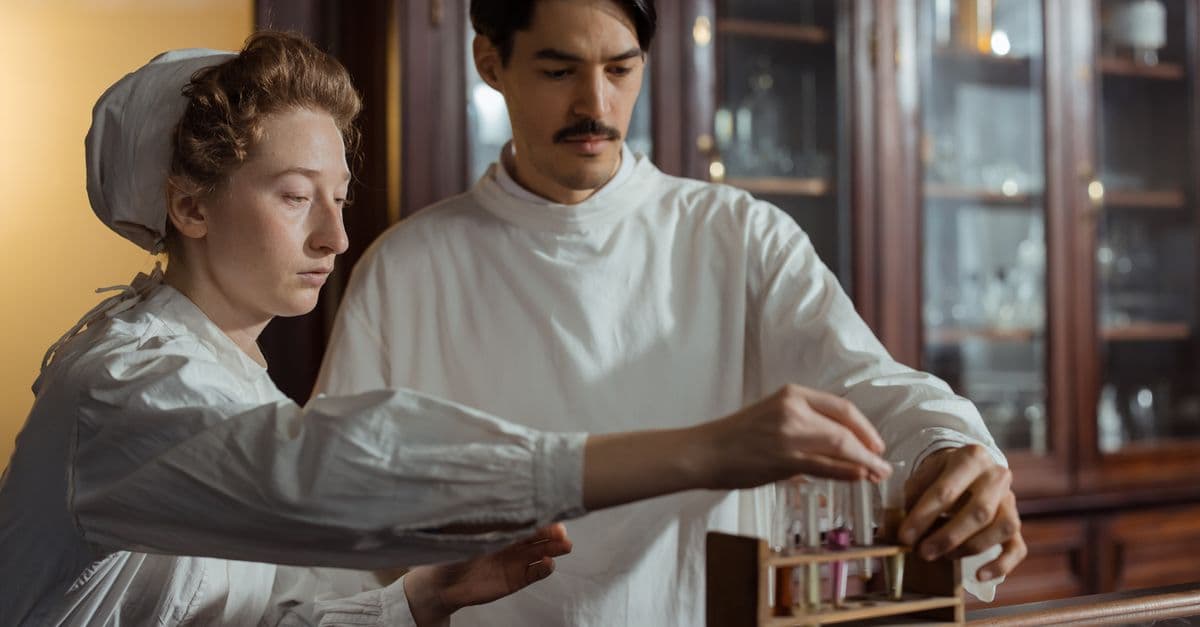
DNA was discovered in 1869, but nobody knew what it did. Working out its role and structure took 84 more years, and the story is more collaborative, and more complicated, than the famous version.
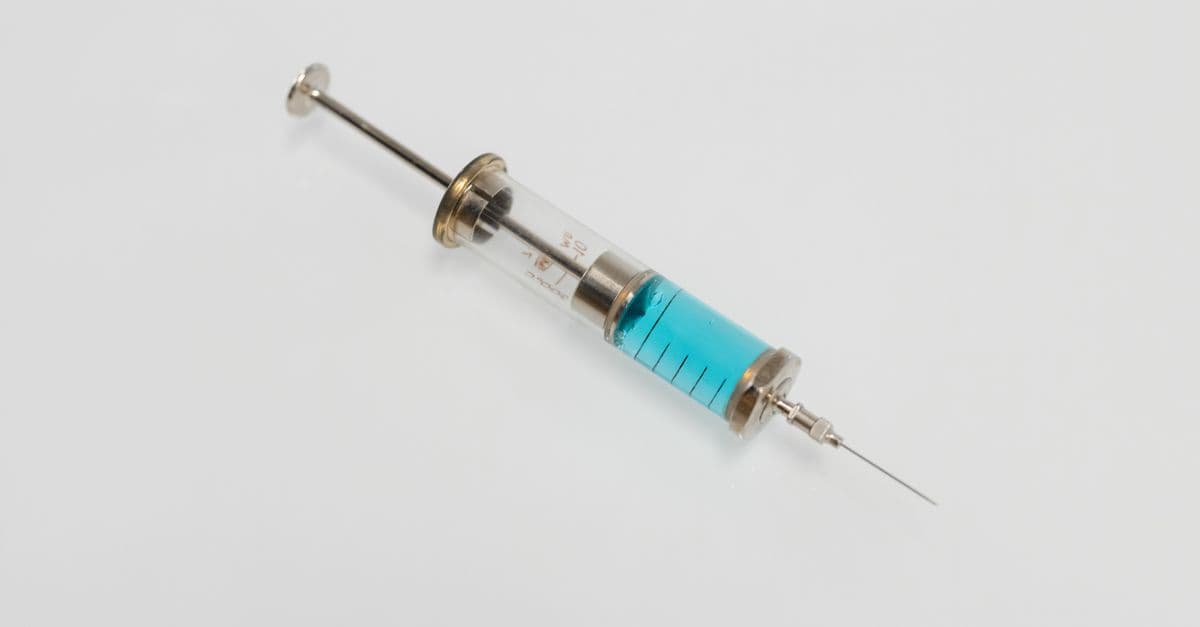
Medicine has gone from bloodletting and prayer to gene editing in just a few centuries. Here's how we got there.

From smallpox to COVID-19, vaccines are humanity's most powerful medical technology. Here's how we discovered them.
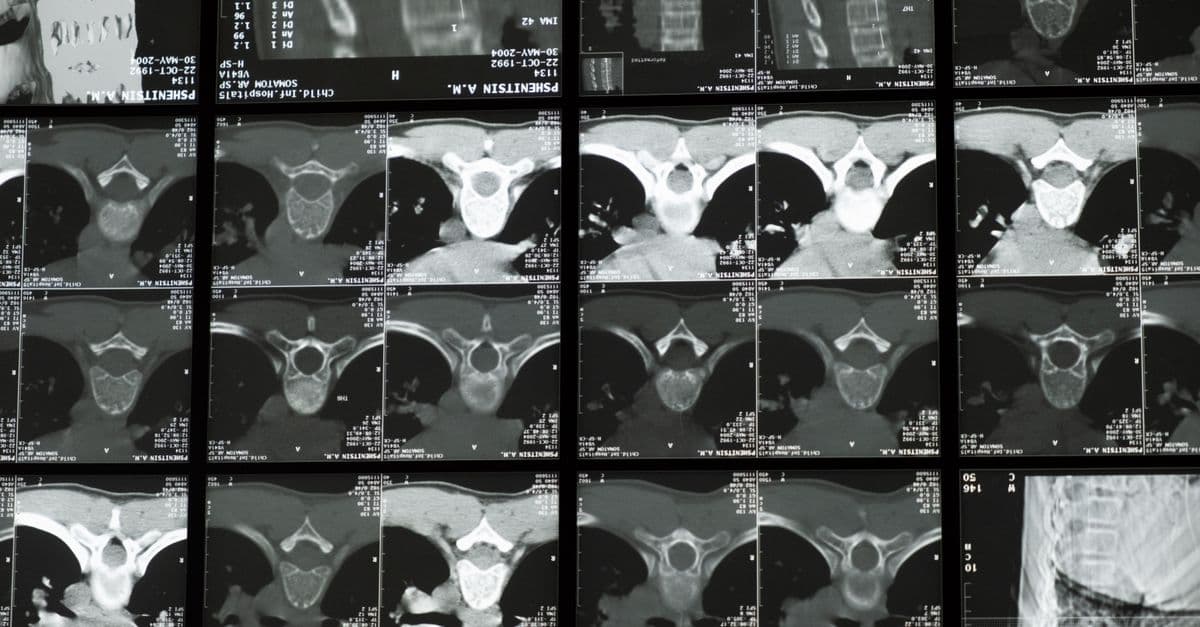
MRI sees inside your body without radiation by making hydrogen atoms in your tissues sing at a specific radio frequency.
Nanotechnology engineers matter at the level of individual atoms. It's already in your sunscreen, cancer treatments, and phone.