How Do Animals Hibernate: The Science of Nature's Most Extreme Survival State
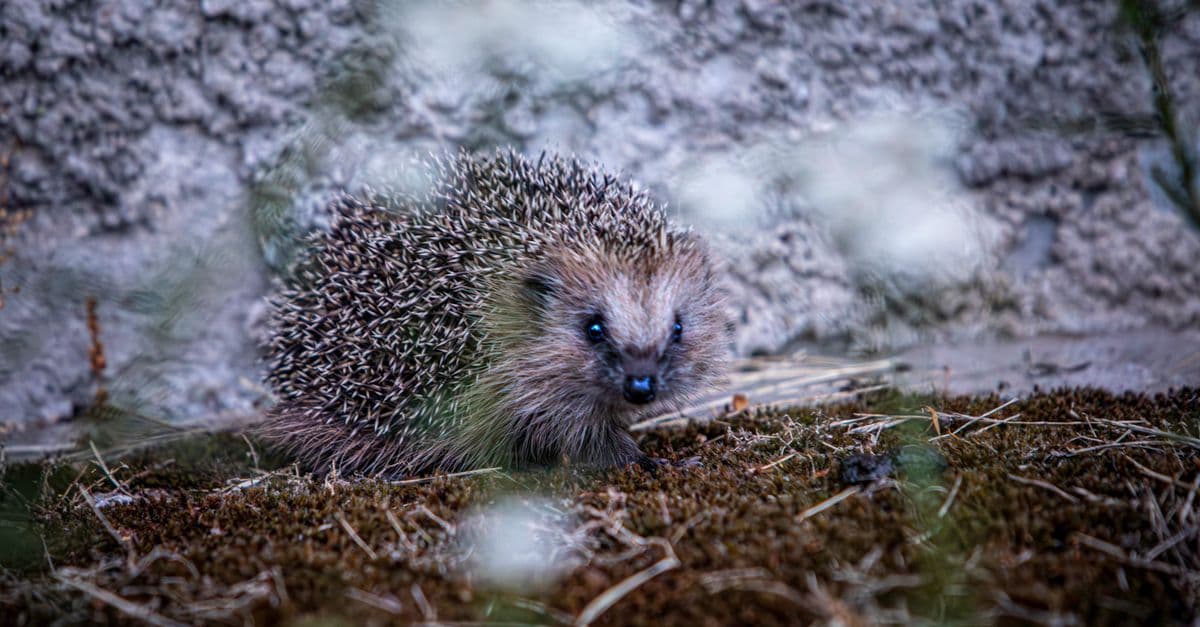
Photo: Erik Karits / Pexels
A 13-lined ground squirrel weighing 200 grams enters a burrow in October and drops its body temperature from 37°C to within a fraction of freezing. Its heart slows from 200 beats per minute to a single beat. Breaths come once every few minutes. Every organ in its body operates at roughly 2% of normal metabolic rate. Seven months later, it emerges — not starved, not atrophied, not cognitively impaired — and resumes a normal life. The physiological feat this represents makes some of the most dramatic human medical achievements look modest by comparison.
What Hibernation Actually Is (It Is Not Sleep)
The most persistent misconception about hibernation is that it is a form of very deep sleep. It is not. Sleep is an active neurological state during which the brain cycles through distinct phases, memory consolidates, and metabolic rate drops only modestly — around 5–10% compared to waking. Hibernation, by contrast, is a fundamentally different physiological mode that some scientists prefer to call facultative hypothermia: a state the animal enters deliberately, sustains through active biochemical suppression, and exits through controlled rewarming.
Torpor — the core physiological state of hibernation — is defined as a controlled, reversible depression of metabolic rate to below the level required to maintain normal body temperature. True torpor is not just cold sleep; it is a different mode of cellular operation maintained by specific molecular signals.
Hibernation — extended torpor lasting weeks to months, typically over winter, during which the animal does not eat, drink, or excrete. Between bouts of deep torpor, most hibernators experience brief periodic arousals — short warming episodes lasting hours to a day — before descending again. These arousals cost enormous energy and remain incompletely understood; they may allow memory consolidation, immune function, or cellular repair.
Estivation — the warm-weather equivalent of hibernation, practiced by animals like lungfish and certain snails facing drought or extreme heat. The mechanisms share significant overlap with winter torpor.
The distinction between hibernation and sleep is not semantic. When a hibernating animal is awakened artificially, it is disoriented, sluggish, and physiologically stressed in ways qualitatively different from a sleeping animal being roused. Waking from torpor requires the animal to actively generate heat — a metabolic process that takes several hours and burns significant fat reserves.
Source: Carey, H.V. et al. (2003), "Mammalian hibernation: cellular and molecular responses to depressed metabolism and low temperature," Physiological Reviews, Vol. 83 — foundational review of cellular mechanisms in hibernating mammals.
Two Extremes: Ground Squirrels vs. Bears
Hibernation is not one thing. It spans a spectrum from the profound to the relatively mild, and no two animals illustrate that range better than the 13-lined ground squirrel and the American black bear.
The Deep Torpor of Ground Squirrels
The 13-lined ground squirrel (Spermophilus tridecemlineatus) is the laboratory standard for hibernation research because its torpor is extreme by any measure. Body temperature falls to as low as -3°C — technically below the freezing point of water, with cellular ice formation prevented by biochemical antifreeze compounds. Heart rate drops from a normal ~200 beats per minute to 3–5 beats per minute, and can fall to a single beat per minute at the deepest stages. Breathing becomes episodic: the animal may not breathe for 60 minutes at a time, then take a series of breaths, then stop again.
Metabolic rate falls to 1–2% of normal basal metabolic rate. To put that in context: a resting human burns roughly 80 watts of metabolic power. A ground squirrel in deep torpor, scaled to human size, would be burning the equivalent of about 1–2 watts. This is achieved through active suppression of cellular machinery — not simply the passive slowdown that would result from getting cold.
The Light Torpor of Bears
Black bears and grizzly bears were excluded from textbook definitions of hibernation for decades because their body temperature only drops by 4–6°C during winter denning — to roughly 31–35°C. This was considered insufficiently dramatic to qualify as "real" hibernation.
That view has been revised. Modern definitions of hibernation focus on metabolic suppression, not temperature drop. Bears suppress their metabolic rate to roughly 25% of normal during winter denning — dramatic enough, just achieved differently. Because their body temperature remains higher, their physiology can accomplish things no small hibernator can manage.
Female black bears give birth during winter denning. Cubs are born in January or February while the mother's metabolic rate is severely suppressed, and the mother nurses them without waking, without eating, and without drinking — from fat and protein her body is simultaneously catabolizing from its own stores while also synthesizing the milk that feeds the cubs. No other mammal does this.
Source: Tøien, Ø. et al. (2011), "Hibernation in black bears: independence of metabolic suppression from body temperature," Science, Vol. 331 — demonstrated that bears suppress metabolism independently of their body temperature, redefining the definition of hibernation.
| Feature | 13-lined ground squirrel | Black bear |
|---|---|---|
| Body temperature during torpor | −3 to +5°C | 31–35°C |
| Heart rate during torpor | 1–5 bpm | ~8–19 bpm |
| Metabolic rate (% of basal) | 1–2% | ~25% |
| Torpor bout duration | Days to weeks | Weeks to months (continuous) |
| Periodic arousals | Yes, every 1–3 weeks | No |
| Feeds during winter | No | No |
| Gives birth during winter | No | Yes |
| Body weight loss (winter) | ~40% | ~15–25% |
How Cells Survive Doing Almost Nothing
The puzzle at the heart of hibernation research is not the cooling itself — refrigerating biology is straightforward. The puzzle is that the animal survives the cooling and then recovers fully. Two problems make this unexpectedly difficult.
First, every time blood supply is cut off to a tissue and then restored — a condition called ischemia-reperfusion injury — the restoration of oxygenated blood causes an inflammatory cascade that damages or destroys cells. This is why heart attacks and strokes cause permanent damage even in patients who survive them: by the time blood flow is restored, the returning oxygen generates reactive molecules that inflame and kill the oxygen-starved tissue. Ground squirrels experience ischemia-reperfusion conditions with every torpor bout and every arousal, multiple times per winter, and emerge without damage. They have evolved molecular defenses against this process that human medicine is actively trying to replicate.
Second, cells that are barely active are still cells that must maintain their membranes, protect their DNA, repair oxidative damage, and prevent the protein misfolding that leads to cell death. Hibernating animals appear to enter a state of molecular stasis in which these housekeeping processes are carefully regulated rather than simply halted.
Hydrogen sulfide has emerged as one key player. Research from 2022 in Nature Communications and related work found that hydrogen sulfide accumulates in tissues during deep torpor and helps suppress mitochondrial respiration — the cellular process that converts oxygen to energy. The enzyme sulfide:quinone oxidoreductase controls mitochondrial function during torpor by managing hydrogen sulfide concentrations. This is essentially a biochemical brake applied to the cell's powerplant.
Source: Fleckenstein, J.L. and colleagues, work summarized in PMC8809085 — American Journal of Physiology, 2022 — on hydrogen sulfide suppression of mitochondrial respiration in 13-lined ground squirrels.
Thyroid hormone signaling is also heavily modified during torpor. Research published in Communications Biology (2022) showed that the hypothalamus of arctic ground squirrels undergoes dramatic structural remodeling of thyroid hormone signaling during hibernation — the same hormonal axis that controls metabolic rate in all mammals. Hibernators effectively reprogram their metabolic thermostat at the molecular level, not just in response to the cold but as an active preparation for entering torpor.
Source: Drew, K.L. et al. (2022), "Hypothalamic remodeling of thyroid hormone signaling during hibernation in the arctic ground squirrel," Communications Biology, Nature Portfolio — identified molecular basis for metabolic reprogramming in hibernators.
Why Muscles and Bones Don't Waste Away
Here is the problem that should be immediately obvious to anyone who has worn a cast for a broken arm: immobility destroys muscle. A human confined to bed rest for three weeks loses 10–20% of muscle mass, and even a week of immobilization begins measurable atrophy. An astronaut in microgravity — without weight-bearing exercise — loses bone mass at a rate of about 1–2% per month. Yet a ground squirrel that spends seven months in a burrow, motionless, emerges with intact musculature and bone density. How?
The mechanisms are only partially understood, but several factors are well-established.
Bears show almost no muscle atrophy during winter denning despite complete inactivity. Studies comparing bear muscle before and after hibernation find minimal loss of mass, strength, and fiber integrity. The bear's system actively cycles muscle proteins throughout winter — breaking them down and rebuilding them — rather than simply halting protein synthesis. Nitrogen, normally excreted as urea, is recycled in hibernating bears rather than lost. The urea cycle appears to run in reverse, with urea nitrogen reincorporated into amino acids and used to rebuild muscle proteins. This is not a process mammalian physiology is generally thought capable of.
In ground squirrels, periodic arousals from torpor may serve a muscle-maintenance function. During the warmer periods between torpor bouts, the squirrel's normal muscle-maintenance machinery briefly comes back online. The arousals are metabolically expensive — they consume a significant fraction of the squirrel's winter fat reserves — but the muscle preservation they enable may justify the cost.
Bone density is protected by related mechanisms. Bears maintained in captivity show no significant bone loss during six months of simulated denning, while humans would lose 10–15% of bone density in the same period. Researchers have identified proteins in bear blood that, when applied to human bone cells in culture, suppress the signals that trigger bone resorption. These proteins are candidates for future treatments for osteoporosis.
Source: McGee-Lawrence, M.E. et al. (2009), "Mammalian hibernation as a model of disuse osteoporosis: the temporal and biochemical mechanisms of bone loss during torpor and recovery," Journal of Experimental Biology — established the bone-preservation mechanisms of hibernating bears and their medical relevance.
How Animals Prepare for Hibernation
Hibernation does not begin abruptly. It is the culmination of months of preparation driven by hormonal changes, behavior modification, and prodigious eating.
Hyperphagia — compulsive overeating in preparation for winter — is not simply a matter of eating more. In ground squirrels, a specific shift in dietary preference precedes hyperphagia: animals begin selecting foods high in polyunsaturated fatty acids, particularly those found in seeds and nuts. These fats remain liquid at low temperatures, which is critical — a ground squirrel whose body temperature falls to near 0°C needs cell membranes built from fats that won't solidify and turn brittle. The animal is literally building itself a cold-compatible body before entering the cold.
A black bear in pre-hibernation hyperphagia can consume 20,000 calories per day for weeks. Body weight increases by up to 30%. The fat deposited is not merely a fuel reserve — it contains specific fatty acid compositions that will serve as both fuel and the raw material for winter milk production in pregnant females.
Circadian rhythms reorganize in the weeks before torpor onset. The brain's master clock shifts its sensitivity to light signals, gradually lengthening the interval between active periods. Internal fat sensors signal the hypothalamus. The result is a coordinated whole-body preparation that would be essentially impossible to replicate externally — no drug or temperature schedule could induce the same state without the months of molecular preparation that precede it.
What Hibernation Teaches Human Medicine
The medical implications of hibernation research are not speculative — they are active research programs funded by NASA, NIH, and major hospital systems.
Stroke and cardiac surgery. The ischemia-reperfusion protection in hibernating animals is directly relevant to the millions of people whose brain or heart tissue is damaged when blood flow is interrupted and then restored. Researchers at the University of Alaska Fairbanks and elsewhere are working to identify the specific molecular signals that grant ground squirrels ischemia tolerance — signals that could potentially be administered to stroke or heart attack patients to protect tissue during the critical window of treatment.
Muscle atrophy. The mechanisms preventing muscle wasting in hibernating bears are relevant to three major medical problems: spinal cord injury patients, long-term ICU patients on ventilators, and astronauts on long-duration missions. The muscle-protective proteins found in bear blood represent potential drug targets.
Spaceflight. NASA has funded research into inducing a hibernation-like state in astronauts for long-duration missions, potentially to Mars. A crew in metabolically suppressed torpor would require less food, less water, less oxygen, less living space, and would suffer less psychological stress from the confinement of a months-long journey. The challenge is not just inducing the state — which remains unsolved in humans — but doing so safely and reliably and enabling full recovery on arrival.
Source: Bradford, M. (2019), "NASA wants to send astronauts to Mars in hibernation," Space.com — summarizes NASA's Innovative Advanced Concepts program funding for human torpor research for deep-space missions.
Alzheimer's and neurodegeneration. Hibernating animals show dramatic changes in tau protein during deep torpor — the same protein whose misfolded tangles characterize Alzheimer's disease. In torpid animals, tau becomes heavily phosphorylated (a form associated with neurological disease in humans), yet during arousal it fully dephosphorylates and neurons remain healthy. Understanding why this process is reversible in hibernators but not in Alzheimer's patients could reveal mechanisms for clearing tau pathology.
Source: Arendt, T. et al. (2003), "Reversible paired helical filament-like phosphorylation of tau is an adaptive process associated with neuronal plasticity in hibernating animals," Journal of Neuroscience, Vol. 23 — established the reversible tau phosphorylation phenomenon in hibernating animals.
The Peripheral Animals: Fat-Tailed Dwarf Lemurs and Hummingbirds
Most public understanding of hibernation draws on temperate mammals — bears, groundhogs, hedgehogs. But hibernation appears across a much wider evolutionary range, and two cases are particularly revealing.
The fat-tailed dwarf lemur (Cheirogaleus medius) of Madagascar is the only primate known to hibernate, doing so for up to seven months in tree holes. Unlike most hibernators, which use cold to suppress metabolism, this lemur hibernates in a tropical climate where temperatures fluctuate widely. On warm days, its body temperature can rise to 37°C — and its metabolism briefly rises too, passively following ambient temperature. On cool nights, both fall. It is a completely different strategy from the precise metabolic regulation of temperate hibernators, but it arrives at the same functional outcome.
Hummingbirds enter torpor every night. Because their mass is so small — 3 to 8 grams — and their metabolic rate so extraordinarily high, they cannot maintain body temperature through a cold night without burning through their entire fat reserve before dawn. Instead, they drop into a nightly torpor, lowering body temperature by up to 30°C and reducing metabolic rate by 90%. They arouse themselves before dawn, shivering violently to raise their temperature, and are flying by sunrise. This nightly torpor is physiologically similar to seasonal hibernation — the same molecular machinery at work on a 12-hour cycle rather than a 7-month one.
What People Get Wrong About Hibernation
"Hibernating animals are cold." Sometimes, but not always. Bears' body temperature stays above 30°C throughout winter denning. The metabolic suppression is real; the dramatic cold is a ground squirrel trait, not a universal one.
"You shouldn't wake a hibernating animal because it will die." The concern is real but the mechanism is different from what most people assume. Forcing an animal out of torpor prematurely doesn't directly kill it — the arousal itself is dangerous because it is enormously energetically expensive. A hibernator roused in mid-winter must generate the heat to rewarm its body using fat reserves it needs to survive until spring. Artificial arousals can deplete those reserves and leave the animal unable to survive. The risk is starvation, not some fragility of the torpid state itself.
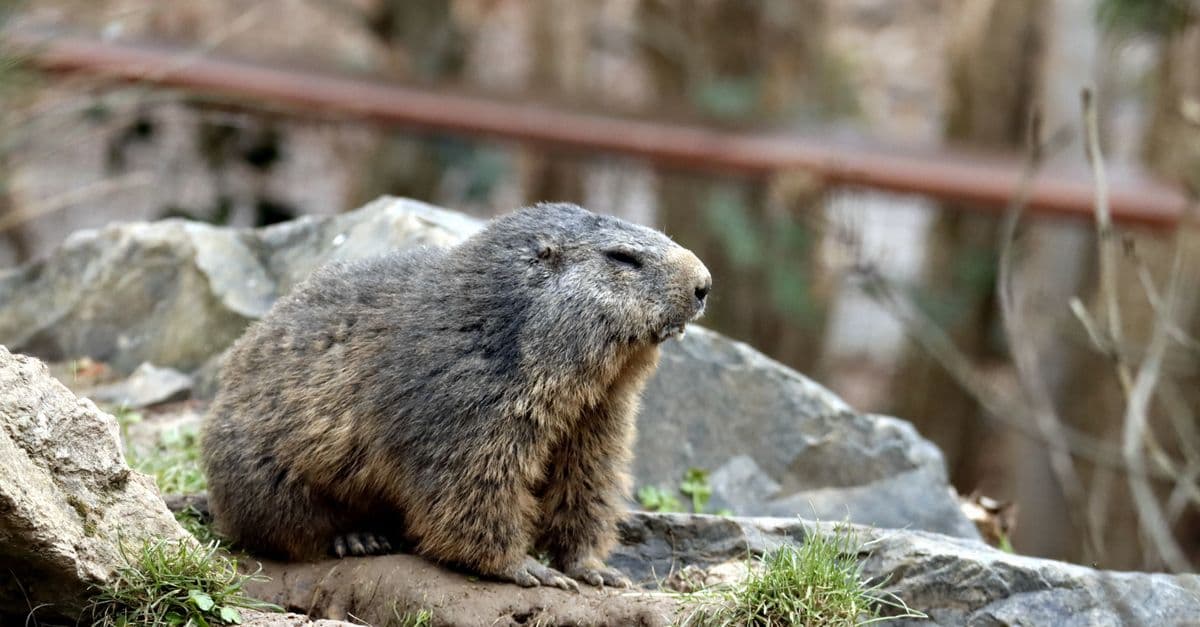
"Groundhog Day predicts weather." Purely cultural. Groundhogs (Marmota monax) are genuine hibernators, but their emergence date is driven by internal circadian and hormonal cues, not any ability to forecast temperatures. The ceremony is 19th-century Pennsylvania German folklore mapped onto an animal that, to its credit, at least actually hibernates.
Frequently Asked Questions
Q: Is hibernation the same as torpor?
A: Torpor is the core physiological state — a controlled depression of metabolic rate — and hibernation is extended torpor lasting weeks to months over winter. All hibernation involves torpor, but not all torpor is hibernation: hummingbirds enter torpor every night, which is physiologically the same process running on a 12-hour cycle rather than a 7-month one.
Q: Do bears really hibernate?
A: Bears do hibernate by modern definitions, though their torpor is far shallower than that of ground squirrels. A black bear's body temperature drops only 4–6°C during winter denning, but its metabolic rate falls to roughly 25% of normal. Research published in Science in 2011 confirmed that bears suppress metabolism independently of body temperature, which is the key criterion.
Q: Can hibernating animals freeze to death?
A: Some can survive genuinely sub-zero body temperatures. The 13-lined ground squirrel can tolerate body temperatures as low as -3°C — below the freezing point of water — without cellular ice formation, due to biochemical antifreeze compounds. Bears, by contrast, maintain body temperatures well above freezing throughout winter denning, so the question does not apply to them.
Q: Why do hibernating animals wake up periodically?
A: Most small hibernators experience brief periodic arousals every one to three weeks, lasting hours to a day, during which body temperature and metabolic rate return nearly to normal. The exact function is still debated, but current evidence suggests arousals allow memory consolidation, immune system maintenance, and cellular repair processes that cannot occur during deep torpor. These arousals are energetically expensive, consuming a significant fraction of winter fat reserves.
Q: Could humans ever be induced into a hibernation-like state?
A: No reliable method exists yet. NASA funds research into human torpor for long-duration spaceflight, and the molecular pathways in hibernating animals are being studied as potential targets. The difficulty is that humans lack the months-long molecular preparation — the fat-composition changes, hormonal reprogramming, and antifreeze biochemistry — that precede safe torpor in animals. Inducing a cold-induced metabolic depression in humans without that preparation causes cardiac arrhythmia and organ damage rather than controlled torpor.
Q: Do hibernating animals lose muscle mass?
A: Remarkably little, compared to what immobility does to humans. Bears show almost no measurable muscle atrophy after months of denning, apparently because their urea cycle recycles nitrogen back into muscle proteins rather than excreting it. Ground squirrels benefit from periodic arousals, during which normal muscle-maintenance processes briefly come back online. The mechanisms underlying this muscle preservation are active research targets for treating disuse atrophy in ICU patients and astronauts.
The Takeaway
Hibernation is one of biology's most sophisticated survival strategies — not a passive shutdown but an actively maintained biochemical state that defies most of what we expect of living tissue. The ability to survive months of near-zero metabolism, repeated ischemia-reperfusion cycles, and total immobility without damage is not luck or simplicity. It is the result of hundreds of millions of years of selection pressure building a molecular toolkit that human medicine is only beginning to decode. The ground squirrel curled in its winter burrow is running a program more complex than anything we have yet been able to replicate, and it has been doing so since long before humans existed to wonder at it.
Read next:
Follow new articles
Add SciHub101 to your feed reader to see new science and technology stories.
About the Author
SciHub101 is an independent science and technology publication founded and edited by Buğra Sözeri, a software engineer and app developer based in Türkiye. AI tools assist with drafting and research. Source documentation in the existing archive is uneven, and articles are being reviewed and corrected. The Editorial Team byline identifies editorial responsibility; it does not certify specialist or independent human review. Where we compare products, anything built by our own team is labelled as such — see the editorial guidelines and About page for how corrections and disclosures work.
Related Articles
How Do Birds Migrate Thousands of Miles: Navigation, Fat, and Flight
An Arctic tern chick hatches in Greenland, fledges, and within weeks makes its first 70,000 km round-trip migration to Antarctica — a journey it has never made before, with no experienced adult to follow. By the end of its 30-year life, it will have flown the equivalent of three trips to the Moon and back. The mechanisms behind this feat involve quantum physics, internal clocks, and a navigation system more sophisticated than anything human engineers have yet replicated.
How Animal Camouflage Works: Crypsis, Mimicry, and the Biology of Invisibility
A cuttlefish can reproduce the texture of a gravel bed on its skin — in complete darkness. Chameleons change color not primarily to hide, but to communicate. A stick insect's body plan is so precise that its eggs mimic seeds, tricking ants into carrying them to new locations. Camouflage is not a coat of paint; it is a complete biological system built by evolution over hundreds of millions of years.
The Science of Animal Regeneration: How Axolotls, Planarians, and Starfish Rebuild Themselves
An axolotl can regrow an amputated limb — including bones, nerves, blood vessels, muscle, and skin — in perfect working order within six weeks. It can also regrow portions of its brain, heart, and spinal cord. A planarian flatworm cut into 200 pieces will grow 200 new worms, each complete. The genetics behind these abilities are not alien to mammals; we have most of the same genes. The question is why we stopped using them.
What If Humans Could Hibernate Like Bears?
Bears enter hibernation — a state of profound metabolic depression where heart rate drops 90%, body temperature falls 10°C, and they survive months without eating. If humans evolved this ability, it would revolutionize medicine, space exploration, and civilization by allowing suspension of biological aging and safe exploration of extreme environments.
The Longest-Living Animals Explained: Biology of Extreme Longevity
A Greenland shark alive today may have been born before the Thirty Years' War ended in 1648. An ocean quahog clam called Ming was 507 years old when researchers accidentally killed it by opening its shell. A bowhead whale carries harpoon fragments from weapons manufactured in the 1800s, embedded in its blubber for over a century. Extreme longevity in animals is not accidental — it is the product of specific biological mechanisms that researchers are now mapping in molecular detail.
The Deadliest Animals in the World: The Tiny Killer That Beats the Lion
Ask which animal kills the most people and the mind jumps to sharks, lions, or crocodiles. The real answer is something you've swatted without a second thought: the mosquito, which killed an estimated 597,000 to 610,000 people in 2023 and 2024 alone — more than every large predator combined, many times over. The deadliest animals on Earth aren't the biggest or fiercest. They're the ones that carry disease, and the ranking overturns almost everything our instincts tell us.