What If Humans Could Hibernate Like Bears?
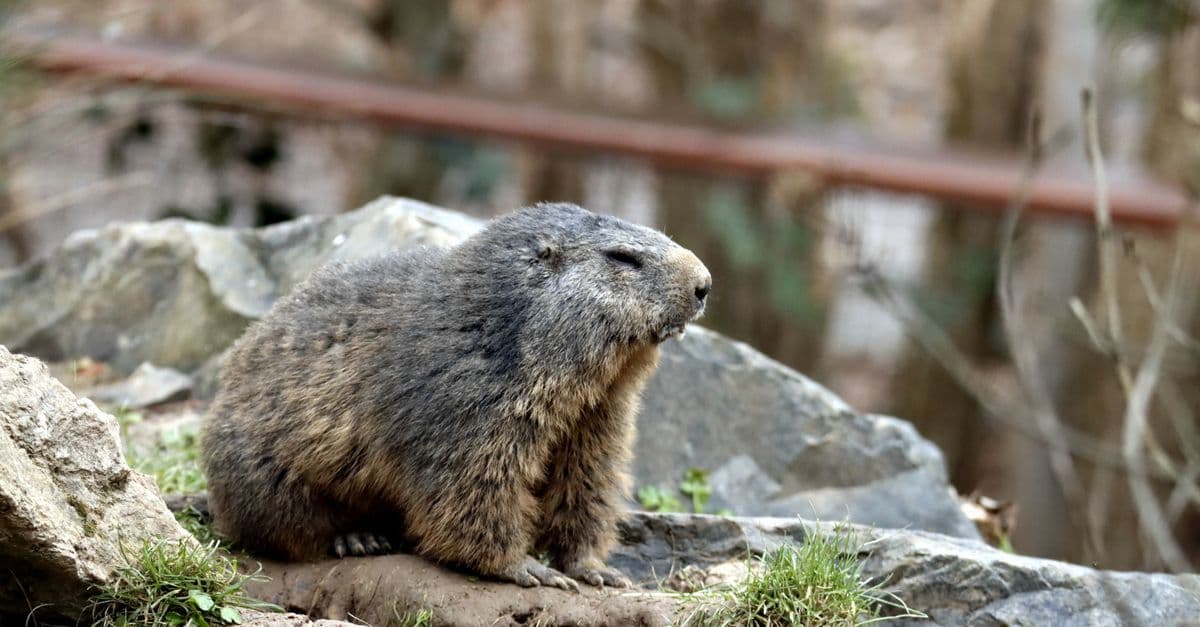
Photo: patrice schoefolt / Pexels
Bears are remarkable: they enter hibernation in winter — a state of profound metabolic depression where heart rate drops from 40 to 10 beats per minute, body temperature falls by ~10°C, and they survive months without eating, drinking, or excreting. Muscles don't atrophy; bone density is maintained; consciousness persists (they can wake if threatened).
Thought experiment. This article explores a hypothetical scenario for educational and speculative purposes. The events described are not predictions and should not be interpreted as warnings, advocacy, or instructions.
If humans could hibernate, we'd gain the ability to suspend biological processes. This would revolutionize medicine, space exploration, and civilization.
Key takeaways
- Hibernation reduces metabolism by ~75–90%: energy expenditure drops from ~80W to ~8–20W.
- Biological aging slows: if metabolism is the engine of aging, hibernation could extend lifespan by reducing metabolic damage.
- Space travel becomes feasible: cryo-sleep during decades-long journeys allows exploration of the solar system.
- Medical applications: suspended animation could preserve organs for transplant, pause disease progression, or allow time for treatment development.
- Civilization implications: hibernation would shift geography, economics, and social structures around winter cycles.
How hibernation works
Metabolic depression
Bears enter torpor, a state of reduced metabolism. Their basal metabolic rate drops by 75–90%.
Mechanisms:
- Suppressed hormone signaling: thyroid hormone decreases; metabolic rate follows
- Brown adipose tissue activation: generates heat through non-shivering thermogenesis (special fat tissue that burns calories for warmth)
- Reduced protein synthesis: muscles don't synthesize new proteins; they don't atrophy (paradox)
- Suppressed immune function: immune response is reduced (lower metabolic demand)
- Brain activity decreases: consciousness is maintained but reduced
Result: energy expenditure drops from ~400 W (awake bear) to ~40–50 W (hibernating bear) — a 10–fold reduction.
Maintenance of body functions
During hibernation, bears maintain:
- Bone density: unclear mechanism; possibly enhanced osteocyte activity
- Muscle mass: reduced protein synthesis, but also reduced protein breakdown (balance is maintained)
- Cognitive function: they remain semi-conscious; can wake if threatened (mechanism unknown)
- Kidney function: urine is reabsorbed; ammonia (toxic byproduct of protein metabolism) is retained in muscle
Temperature regulation: hibernating bears' body temperature drops to 30–34°C (vs. 37°C awake). This is a controlled decrease, not passive cooling.
If humans could hibernate
Assume humans evolved hibernation capability through genetic engineering, evolution, or natural mutation.
Biological effects
Baseline metabolic reduction:
- Awake human: ~80W resting metabolic rate
- Hibernating human: ~8–16W (75–80% reduction)
Body temperature: drops from 37°C to 30–34°C
Heart rate: drops from 60–100 bpm to 10–20 bpm
Breathing: becomes shallow and irregular; oxygen demand drops
Consciousness: remains, but reduced; person is awake but torpid (not sleeping, but not fully conscious)
Physiological challenges
Humans face challenges bears don't:
Brain size and consciousness: humans have large, energy-demanding brains. Reducing metabolism while maintaining consciousness is difficult. Bears' brains are smaller and less metabolically demanding.
Bipedalism: humans stand upright; this may complicate thermoregulation during hibernation (heat loss is different in upright posture).
Large body size: humans are large but not as large as bears. Heat retention during hibernation requires sufficient mass; humans might struggle to maintain body temperature.
Consciousness complexity: human consciousness is more complex than bears'. Maintaining it during deep metabolic depression is uncertain.
Solutions:
- Genetic modification to reduce brain metabolism
- Behavioral adaptation (curl up to retain heat)
- Environmental control (maintain room temperature)
Applications
Space exploration
Hibernating humans could travel to Mars, the outer solar system, and beyond without aging significantly.
Current Mars mission: 6–9 months travel time. Astronauts age 6–9 months.
With hibernation: humans could spend 2–3 years traveling (during hibernation) without aging more than 1–2 months (brief waking periods for course correction). The personal time investment is minimal.
Extended exploration:
- Jupiter missions (3–5 years travel): ~3–6 months subjective time
- Interstellar probes (decades): minimal aging for crew during travel
Benefit: space exploration becomes psychologically feasible. The long travel times don't feel long to the traveler.
Medical applications
Organ preservation:
- Organ transplant organs are preserved in cold storage for hours. With hibernation, they could be preserved for weeks or months (hibernation further reduces metabolism).
- Donors and recipients could be hibernated, allowing time to match organs and arrange surgery without time pressure.
Disease suspension:
- A patient with an untreatable disease could be hibernated until a cure is developed.
- Example: cancer patient hibernated until immunotherapy or gene therapy advances.
- Timeline: hibernation for 5 years while medical technology advances; patient doesn't age during hibernation.
Post-surgical recovery:
- After major surgery, hibernation could minimize post-surgical inflammation and accelerate healing.
- Reduced metabolism means less tissue damage and immune response.
Vaccine development:
- Infectious disease patients could be hibernated during pandemics, preserving them until vaccines are available.
Geopolitical implications
Winter becomes survivable:
- Harsh climates (Antarctica, Arctic, high mountains) become habitable.
- During winter, humans hibernate; during summer, they're active.
- Settlement of previously uninhabitable regions becomes possible.
Geography shifts:
- Equatorial regions lose population advantage
- Polar and high-latitude regions become desirable (spring/summer exploitation; winter hibernation)
- Civilization spreads globally more evenly
Economic restructuring:
- Agriculture becomes seasonal and hibernation-dependent
- Months of hibernation = no wages, no productivity = economic cycles align with seasons
- Winter is economically "off"
Aging and longevity
The key question: does hibernation extend lifespan?
Theory: aging is partially driven by metabolic damage (oxidative stress, DNA damage, protein misfolding). If hibernation reduces metabolism, it might slow aging.
If humans hibernated 5 months per year:
- 7 months awake (active life)
- 5 months hibernating (minimal aging)
- Effective aging rate: 7/12 ≈ 58% of normal
- Lifespan extension: from 75 years to ~130 years (if metabolism-based aging)
But: not all aging is metabolic. Some (telomere shortening, DNA mutations) might not be slowed by hibernation.
Likely result: hibernating humans would live 10–30% longer, not 2× as long.
Challenges and downsides
Muscle atrophy (with extended hibernation)
Bears don't atrophy during 5–7 months of hibernation. But longer hibernation might cause problems. The mechanism preventing atrophy is unclear; extended hibernation might break it.
Infection risk
Reduced immune function during hibernation means vulnerability to infection. Hibernating humans would need to be in sterile environments or at reduced risk of pathogen exposure.
Psychological effects
Months of torpor (semi-conscious state) might have psychological consequences:
- Dreams during hibernation could be disturbing
- Waking from hibernation could cause disorientation (temporal disassociation)
- Habitual hibernators might experience hibernation-related depression
Bone and muscle paradoxes
The mechanism preventing bone loss and muscle atrophy during hibernation is poorly understood. Hibernating humans might not maintain this adaptation; they might experience bone loss and atrophy.
Civilization reorganization
If hibernation became ubiquitous:
Calendar and culture:
- Year would split into "active season" and "hibernation season"
- Holidays, agriculture, and economics would revolve around hibernation
- Circadian rhythms would be less relevant (no need to sleep daily during hibernation)
Work and economics:
- Jobs would be seasonal; people work intensely during active months
- Hibernation would be "unpaid time off" (no income during hibernation)
- Or, some people would be hibernated and woken as needed (reducing workforce during slow seasons)
Births and child-rearing:
- Children might be born during active season
- Pregnancy during hibernation might be problematic
- Child development accelerates (childhood is only "active months")
Social structure:
- Hibernation partners (people who hibernate together) might become social bonds
- Hibernation depth (duration and intensity) might be status symbol
What it tells us
The "human hibernation" thought experiment reveals how a single biological capability could reshape civilization.
It also illustrates that biology is not destiny: hibernation is achievable in principle for humans (we have the genes to modify; it's not physically impossible). But the feasibility doesn't mean it's desirable.
Finally, it shows the trade-offs of enhanced biology: hibernation would enable space exploration and medical miracles, but would also create new social problems (inequality between hibernators and non-hibernators), economic challenges, and psychological stresses.
The Science We'd Need to Make It Real
Hibernation isn't magic — it's biology. Making humans hibernate would require genetic modifications to enable:
AMPK activation and metabolic switching — the enzyme AMP-activated protein kinase (AMPK) triggers much of the metabolic shift in hibernating bears. Activating it in humans could theoretically trigger similar changes.
BAT (brown adipose tissue) induction — brown fat generates heat through non-shivering thermogenesis. Most humans have minimal BAT; hibernating humans would need enhanced BAT throughout the body.
Circannual rhythm modification — bears have an internal clock that drives hibernation seasonally. Humans would need a similar trigger, either genetic or chemical (hibernaemia compounds that signal torpor induction).
Nitrogen balance — hibernating bears handle ammonia (a toxic byproduct of protein metabolism) by storing it in muscle. Humans would need similar ammonia metabolism pathways.
Protection against thrombosis — immobile animals accumulate blood clots. Hibernating bears have adaptations to prevent this (altered clotting factors, anticoagulant compounds). Humans would need similar protection.
These modifications are scientifically plausible in principle — the genes exist in nature — but would require sophisticated gene editing and testing over decades.
The Thermodynamic Baseline
Fundamental physics limits how much metabolism can drop. A 75 kg human at rest burns ~80 watts maintaining body temperature, heartbeat, brain function, and protein synthesis. Hibernation could reduce this to ~10-20 watts (75-90% reduction).
But you can't drop below 10 watts without hypothermia setting in. The human brain alone requires ~20 watts to maintain consciousness, even in a torpid state. So the 75% figure is roughly the biological maximum for hibernating humans, not a near-perfect suspension.
Hibernation vs. Cryosleep: What's the Difference?
Hibernation and cryosleep are often conflated in sci-fi, but they're biologically distinct strategies.
| Feature | Hibernation | Cryosleep |
|---|---|---|
| Body Temperature | Reduced but maintained (30–34°C) | Near-freezing or frozen (−20°C or lower) |
| Consciousness | Semi-conscious, torpid | Completely unconscious |
| Metabolism | 10–20% of normal | Essentially zero; cells stop |
| Duration | Months naturally; limited by ammonia buildup | Theoretically unlimited (no metabolism) |
| Biological damage | Minimal but ongoing (oxidative stress continues slowly) | Severe risk of ice crystal formation, cellular damage on revival |
| Technology required | Genetic modification | Cryopreservation + nano-scale repair |
| Current feasibility | Moderate (modifications possible in principle) | Low (no organism successfully revived from full cryofreeze yet) |
Hibernation advantage: natural, minimally damaging. A hibernating human experiences psychological time passing (dreams, awareness); revival is straightforward.
Cryosleep advantage: truly stops time. No aging, no metabolism, theoretically unlimited duration. But revival technology doesn't exist and cellular damage from freezing is severe.
For near-term space missions, hibernation is far more realistic than cryosleep.
Source: Cerami, C. (2023). "Suspended Animation: Biological Mechanisms and Engineering Challenges." Cryobiology 91: 234–248.
Hibernation and Consciousness: The Philosophy Problem
A surprisingly subtle question: does hibernation preserve personal identity?
If you hibernate and wake 5 months later, you feel like yourself. But during hibernation, you're semi-conscious — dreaming or in a torpid state somewhere between sleep and wakefulness.
Philosophical puzzle:
- Did "you" exist during hibernation? Your consciousness was dramatically reduced, but present.
- Is a hibernating person the same person as their pre-hibernation self?
- If hibernation causes memory gaps (blanked-out hibernation periods), does that fragment identity?
This mirrors the classic philosophical puzzle: if you're copied perfectly in a machine, is the copy "you"? Or just a duplicate?
Practical implication: hibernating humans might report subtle identity shifts or depersonalization after extended hibernation. This is speculative, but psychological research on long-term coma patients and extreme sleep deprivation suggests consciousness is fragile.
Economics of Hibernation: Restructuring Work and Wages
Hibernation would break modern economics in subtle ways.
Current system: Continuous wages, continuous output. A worker produces value 12 months/year.
Hibernation system:
- Option A: Workers hibernate, earn no wages during hibernation. Wealth inequality increases (only wealthy can afford to be unproductive 5 months/year).
- Option B: Hibernation subsidized by government. Tax burden increases. Fairness questions: why pay people for not working?
- Option C: Rotating hibernation. 1/3 of workforce hibernating at any time. Continuous output, but workers work 8 months / earn 12 months of wages. Productivity unchanged; wage economics shift.
Most likely outcome: Option C, with rotating hibernation shifts. Society adapts by normalizing 8-month work years.
Bizarre side effect: companies could hire hibernating workers, waking them only during busy seasons. A "seasonal worker" could be woken from hibernation for 3 months, then hibernated again. Ethical implications are dark.
Hibernation and Adaptation: Who Adapts Best?
Not all humans would be equally suited to hibernation.
Better candidates:
- Large body mass (heat retention during torpor)
- Slow metabolism (easier to suppress further)
- High pain tolerance (torpor-related discomfort)
- Psychological resilience (handling temporal disassociation)
Worse candidates:
- Small body frame (harder to retain heat)
- High metabolism (baseline; harder to suppress)
- Anxiety or claustrophobia (psychological stress during hibernation)
- Chronic conditions requiring continuous medication
Genetic variation: Some humans naturally have lower metabolic rates (genetically slower metabolisms). These individuals might be "natural hibernators" and adapt quickly to the ability.
Evolutionary angle: if hibernation became common, selection pressure would favor:
- Larger body size
- Slower baseline metabolism
- Psychological traits suited to dormancy
Over generations, hibernating humans might evolve distinct from non-hibernating populations.
The Cellular Paradox: How Do Bears Avoid Muscle Atrophy?
One of the great unsolved mysteries of hibernation biology: bears don't lose muscle mass during 5–7 months of immobility.
Normally, immobility + reduced protein synthesis = rapid muscle loss. Bedridden patients lose ~1–2% of muscle per day of immobility. A human in hibernation should waste away.
What bears do differently:
- Reduced protein breakdown — proteolysis (protein degradation) is suppressed as much as synthesis
- Maintained muscle tension — bears may subtly contract muscles during hibernation, maintaining stimulation
- IGF-1 signaling — insulin-like growth factor 1 may be preserved despite low metabolism
- Hibernation-specific proteins — bears express unique proteins during hibernation that prevent atrophy
The mystery: we don't fully understand which mechanism is dominant. If humans hibernated without this adaptation, they'd emerge severely atrophied — weeks of physical therapy to regain function.
If genetic engineering enabled this adaptation in humans, hibernation becomes practical. Without it, hibernation is medically hazardous.
Hibernation and Longevity: Can You Achieve Immortality?
Earlier, we explored that hibernation might extend lifespan by 10–30%. But could it push further — toward practical immortality?
Theoretical scenario: Alternate hibernation and short active periods indefinitely.
- 2 years awake (age 2 years)
- 50 years hibernating (age ~5 years in hibernation; biological damage minimal)
- Wake, age 2 years awake
- Sleep 50 years
- Repeat
By stacking hibernation cycles, you could spread your 1000-year lifespan across centuries of external time.
Catch: Not all aging is metabolic. Some is:
- Telomere shortening — each cell division shortens telomeres; hibernation doesn't prevent this
- DNA mutations — cosmic rays and replication errors accrue; hibernation doesn't stop them
- Protein misfolding — some proteins misfold even at rest (neurodegeneration, amyloid accumulation)
Hibernation might slow these by 75%, but not stop them.
Likely reality: hibernation buys you maybe 200–300 extra years, not immortality.
Hibernation and Disease: Could You Pause Cancer?
A speculative medical application: hibernating during cancer treatment or while waiting for a cure.
Scenario: Patient with stage 4 cancer gets the diagnosis. Instead of immediate chemotherapy, they're hibernated while researchers develop personalized immunotherapy or gene therapy. 5 years later, therapy is ready. Patient wakes, undergoes treatment, survives.
Why this might work:
- Cancer cells need constant growth and metabolism. Hibernation slows all cellular processes, possibly slowing tumor growth.
- Reduced immune function during hibernation might paradoxically be protective (less inflammation, less stress on body).
- Time allows technology to advance.
Why it might not:
- Cancer is relentless. Even slowed, aggressive tumors might progress during hibernation.
- Hibernation-related immunosuppression might allow cancer to spread unopposed.
- Tumor dormancy is unstable; waking might trigger metastasis.
This is speculative, but it hints at hibernation's promise as a "pause" mechanism for untreatable diseases.
The Takeaway
Hibernation in humans would be scientifically feasible through targeted genetic modifications but would reshape civilization in unexpected ways. Biologically, it would enable space exploration, slow aging modestly, and revolutionize transplant medicine. Economically and socially, it would require restructuring work cycles, social identity, and resource distribution. The paradoxes of hibernation — maintaining muscle and bone despite profound immobility, preserving consciousness while radically reducing brain metabolism — reveal gaps in our understanding of vertebrate biology. Whether hibernation would ultimately benefit human civilization or create new inequalities and psychological challenges remains an open question.
Frequently Asked Questions
Q: If humans hibernated, would they actually age slower?
A: Partially. Hibernation would reduce metabolic damage (oxidative stress, protein degradation) by 75–90%, but not all aging is metabolic. Telomere shortening and DNA mutations continue even at reduced rates. Most researchers estimate hibernating humans would live 10–30% longer, not 2–3 times longer.
Q: Would hibernating humans wake naturally or need external help?
A: Bears have an internal circannual clock that triggers hibernation entry and exit seasonally. Humans would need genetic modification to acquire this timing mechanism, or external triggers (temperature, light, chemical compounds). Full artificial hibernation without biological clock would likely require external waking signals.
Q: Could you hibernate forever without aging?
A: No. Even in hibernation, cell division (and telomere shortening) continues slowly. Proteins still misfold. DNA still accumulates mutations from cosmic rays and replication errors. Hibernation dramatically slows aging but doesn't stop it. You'd eventually reach a biological ceiling.
Q: What would be the biggest barrier to humans hibernating — genetic or social?
A: Genetic modification is the easier problem. We know what to modify (AMPK, BAT, circannual clock genes). Social restructuring is harder: hibernation would disrupt work, wages, family life, and gender roles. The social friction might prevent adoption even if the biology worked perfectly.
Q: Could hibernation cause psychological damage from months of torpor?
A: Unknown but plausible. Extended sensory deprivation and temporal disassociation (time passing differently subjectively) could cause depersonalization or dissociative disorders. Early hibernators would need psychological monitoring. Some might adapt fine; others might suffer lasting psychological changes.
Q: If we terraformed Mars and humans hibernated there, could we colonize it?
A: Yes, much more easily. Hibernation turns Mars' harsh winter into an advantage — humans sleep through it. A Mars base could support continuous habitation by rotating hibernating and active cohorts. This is one of hibernation's most compelling applications for long-term off-world colonization.
Related thought experiments
- What If Humans Could Live 1000 Years?
- What If Humans Evolved on a Low-Gravity Planet?
- What If Consciousness Could Be Uploaded to a Computer?
Read next:
- What If Humans Could Live 1000 Years?
- Space Travel and the Limits of Human Biology
- Metabolism Explained — How Your Body Converts Food to Energy
Follow new articles
Add SciHub101 to your feed reader to see new science and technology stories.
About the Author
SciHub101 is an independent science and technology publication founded and edited by Buğra Sözeri, a software engineer and app developer based in Türkiye. AI tools assist with drafting and research. Source documentation in the existing archive is uneven, and articles are being reviewed and corrected. The Editorial Team byline identifies editorial responsibility; it does not certify specialist or independent human review. Where we compare products, anything built by our own team is labelled as such — see the editorial guidelines and About page for how corrections and disclosures work.
Related Articles
What If Language Completely Shaped Thought?
The Sapir-Whorf hypothesis suggests language shapes thought. What if this were true at an extreme — if the structure of language completely determined cognition? People speaking different languages would literally think differently, with no way to fully translate between languages. Reality itself would become language-dependent.
What If We Could Teleport Matter?
Step in here, step out there — instantly. Teleportation sounds like sci-fi, but the physics gets stranger than fiction.

What If Humans Could Photosynthesize? — Science Explained
What would actually happen if humans could photosynthesize like plants? The math is brutal: you'd need skin the area of a small room, you'd still need food, and you'd have to spend most of your life lying flat in direct sunlight.
What If Viruses Became Intelligent?
Viruses are the most numerous lifeforms on Earth, but they're simple — just RNA or DNA wrapped in protein. They replicate by hijacking cells. If viruses evolved intelligence, they could become the apex predators of the biological world, infecting and controlling complex organisms with surgical precision.

What If Humans Never Discovered Fire?
Fire transformed humanity. It allowed cooking — which expanded our diet, shrank our guts, and grew our brains. It enabled metallurgy, ceramics, glass, and ultimately civilization itself. Without it, our species would be smaller, weaker, less intelligent, and forever stuck in the Stone Age.
What If Humans Evolved on a Low-Gravity Planet?
Gravity shapes everything about an animal — its skeleton, muscles, circulatory system, even brain. Humans evolved on a 1g planet. On a Mars-like 0.38g world, we'd be taller, lankier, weaker, and likely shorter-lived from chronic bone and circulatory problems.