The Deadliest Animals in the World: The Tiny Killer That Beats the Lion
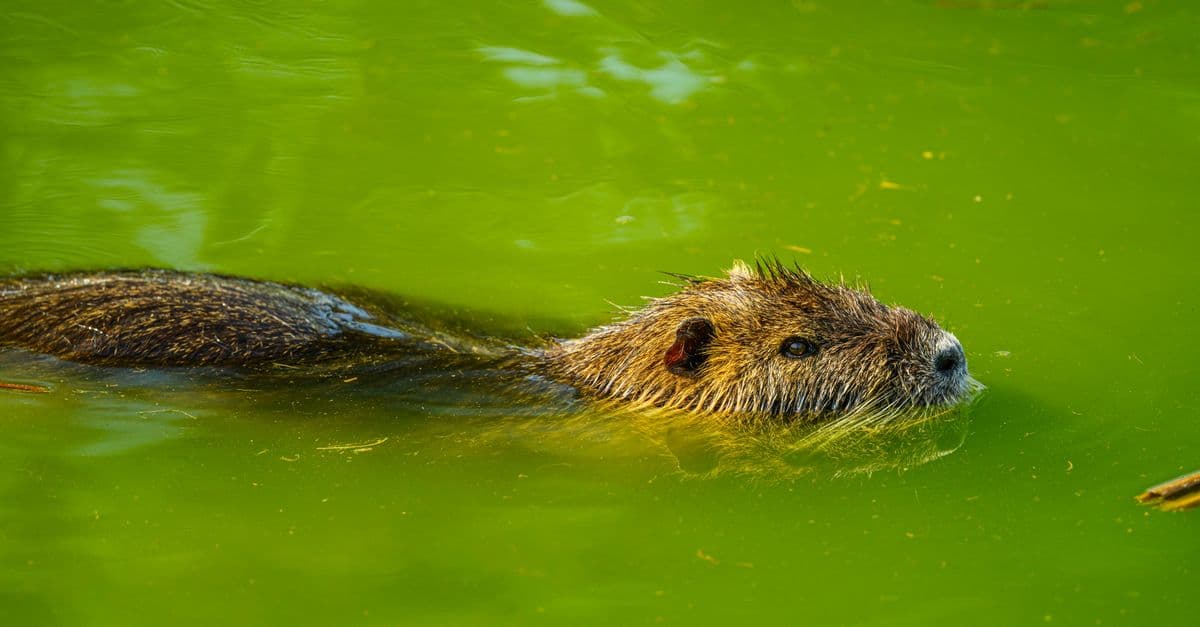
Photo: Petr Ganaj / Pexels
The deadliest animal in the world is the mosquito, which killed an estimated 597,000 to 610,000 people in 2023 and 2024 combined, according to the World Health Organization's World Malaria Report — vastly more than sharks, lions, and crocodiles combined. It doesn't bite you to death; it kills by carrying disease. Ranking animals by the human deaths they actually cause, rather than by how frightening they look on screen, overturns almost every instinct we have about which creatures to fear.
The Short Answer: Deadliest Animals by Human Deaths per Year
Table 1. Estimated annual human deaths by animal or animal-borne disease vector, most recent global figures.
| Rank | Animal | Est. Human Deaths/Year | Mechanism | Primary Source |
|---|---|---|---|---|
| 1 | Mosquito | ~597,000–610,000 | Malaria, plus dengue, Zika, yellow fever, West Nile | WHO World Malaria Report 2024 |
| 2 | Freshwater snails | 200,000+ | Schistosomiasis (parasitic flatworm) | WHO / peer-reviewed epidemiology |
| 3 | Snakes | 81,000–138,000 | Venom (envenoming) | WHO Snakebite Envenoming Fact Sheet |
| 4 | Dogs (rabies) | ~59,000 | Rabies virus, transmitted via bite | WHO Rabies Fact Sheet |
| 5 | Scorpions | ~3,000–3,250 | Venom | Frontiers in Public Health, 2025 |
| 6 | Hippopotamuses | Widely cited at ~500, though verified regional data suggests far fewer | Direct attack (territorial/aggressive) | Africa Check |
| 7 | Crocodiles | Roughly 300–1,000 (Africa alone reports 300+) | Direct attack | crocattack.org attack database |
| 8 | Box jellyfish | 40–100 (likely undercounted) | Venom, cardiac arrest within minutes | NOAA Ocean Service |
| 9 | Sharks | Roughly 5–12 | Direct attack (rare, unprovoked) | International Shark Attack File |
| 10 | Lions | A few hundred, largely regional | Direct attack | Regional wildlife-conflict studies |
Humans kill more humans than any animal on this list except mosquitoes, but that is a different statistical category entirely — homicide and war are deliberate acts, not predation or disease transmission, so this list sticks to what animals themselves cause. Large, feared predators such as sharks and lions don't come close to cracking the top five, and even hippos and crocodiles — genuinely dangerous animals that kill people every year — are a rounding error next to the mosquito.
Why the Mosquito Is the Deadliest Animal on Earth
A mosquito on its own is a fragile insect that a light breeze can knock off course. What makes it the deadliest animal on Earth is a role it plays without any intent: it is a disease vector, meaning it transmits pathogens from one host to another while feeding on blood, rather than causing harm through its own bite.
The biggest killer a mosquito carries is malaria, caused by Plasmodium parasites that the insect picks up from an infected person and injects into the next person it bites. According to the WHO's World Malaria Report 2024, there were an estimated 282 million malaria cases and 610,000 malaria deaths globally in 2024, up slightly from 597,000 deaths in 2023 out of 263 million cases. Roughly 95% of those deaths occurred in the WHO African Region, and children under five accounted for about 76% of the deaths there — malaria is, overwhelmingly, a disease that kills young children in low-income countries with limited access to prevention and treatment.
Mosquitoes are not a one-disease threat. Depending on the species, they also spread dengue, Zika virus, yellow fever, and West Nile virus, each with its own regional footprint and death toll. Malaria alone dwarfs the rest combined, but the pattern is the same across all of them: a tiny probability of transmission per bite, multiplied by the billions of bites mosquitoes deliver worldwide every year, produces a death toll that no solitary predator could ever approach through direct attack.
This is the core insight behind the entire ranking: deadliness scales with disease and frequency of contact, not with size or ferocity. A creature doesn't need claws, venom potent enough to drop an elephant, or the jaw strength to crush bone. It needs to be everywhere humans are, and it needs a biological mechanism — usually a pathogen — that turns an ordinary encounter into a lethal one. It's the same lesson, that the most dangerous threats are often invisible rather than dramatic, that shows up across the deadliest natural disasters in history, where slow-moving famine and disease following a flood often kill far more people than the initial event itself.
How does a mosquito bite actually transmit malaria?
A female Anopheles mosquito (only females bite, because they need blood protein to develop eggs) picks up Plasmodium parasites when it feeds on an infected person's blood. The parasite develops inside the mosquito's gut for one to two weeks, then migrates to its salivary glands. The next time that mosquito bites someone, it injects saliva containing the parasite directly into the bloodstream, starting a new infection.
Freshwater Snails: The Second-Deadliest Animal Almost Nobody Names
If mosquitoes dominate the public imagination as the "deadly small animal," freshwater snails occupy an almost identical ecological role and yet remain nearly unknown outside of tropical medicine. Certain species of freshwater snail — genera like Biomphalaria, Bulinus, and Oncomelania — serve as the intermediate host for parasitic flatworms called schistosomes, and infection with these parasites causes a disease called schistosomiasis, also known as bilharzia.
The mechanism is indirect, similar to the mosquito's role but through skin contact rather than a bite. Schistosome eggs pass into freshwater in human waste, hatch into larvae, infect a snail, multiply, and then release a different larval stage back into the water that can penetrate human skin directly during bathing, wading, or farming in contaminated water. Estimates place the death toll from schistosomiasis at more than 200,000 people a year, with the heaviest burden in sub-Saharan Africa, which accounts for roughly nine out of every ten cases worldwide. More than 250 million people globally are infected at any given time, most without realizing the parasite is slowly damaging their liver, bladder, or intestines over years.
Schistosomiasis rarely kills quickly. It kills the way chronic untreated disease usually does: through years of organ damage, anemia, and increased vulnerability to other illness, culminating in death that often gets attributed to liver failure or bladder cancer rather than to the parasite that caused it. That undercount is one reason its true death toll is difficult to pin down precisely, and why estimates in credible sources range from roughly 200,000 to nearly 280,000 a year.
Why the Scary Predators Barely Register
Sharks, lions, bears, and crocodiles dominate popular fear and film, but the actual numbers tell a very different story.
- Sharks kill somewhere between 5 and 12 people a year worldwide, according to the International Shark Attack File at the University of Florida — the 2025 report recorded 65 total human-shark encounters, of which 9 were fatal and unprovoked, in line with a five-year average of about 8 unprovoked fatalities annually.
- Lions and other large cats kill a few hundred people a year at most, almost entirely in rural regions of sub-Saharan Africa where humans and lion territory overlap.
- Crocodiles are the deadliest large predator on this list. Documented attack databases record roughly 287 deaths a year on average over the past decade, though because so many attacks happen in remote parts of Africa and Southeast Asia and go unreported, the real toll is likely higher — sub-Saharan Africa alone is estimated to see more than 300 fatal Nile crocodile attacks a year.
- Hippopotamuses are frequently cited as killing around 500 people a year in Africa, a figure that has been repeated in wildlife media for decades. Fact-checking organizations like Africa Check have found that this widely quoted number lacks a solid primary source, and that region-specific studies — such as a 2012 analysis of human-wildlife conflict in Zambia — recorded closer to 11 hippo deaths a year in that particular country. The true continent-wide figure is almost certainly in the hundreds, not the low thousands sometimes claimed, but precise nationwide reporting simply doesn't exist for most of the countries where hippos and humans share rivers.
These animals are genuinely dangerous in a direct encounter, but direct encounters are rare events, geographically concentrated and largely avoidable with basic precautions. Mosquitoes and infected snails, by contrast, are present anywhere their habitat allows, and avoiding all contact with them for an entire life is not realistic for most of the roughly 3.4 billion people the WHO estimates live in malaria-risk areas. Our fear response is tuned to dramatic, visible threats — big teeth, sudden movement — not to statistical risk accumulated one bite or one wade through a river at a time. That mismatch between instinct and actual risk is also why the strongest animals by relative strength and the fiercest-looking predators aren't remotely the same list as the deadliest.
Why do sharks get so much more media attention than mosquitoes despite killing far fewer people?
Human risk perception is driven by vividness and novelty, not statistical frequency — a phenomenon researchers call the "availability heuristic." A shark attack is rare, visually dramatic, and makes international news; malaria deaths are common, happen quietly in homes far from most media markets, and rarely generate a single dramatic headline, even though the cumulative toll is thousands of times larger.
Venom vs. Disease vs. Size: Three Different Kinds of Danger
The deadliest animals fall into three fairly distinct categories, and it's worth separating them because they kill through completely different mechanisms.
Disease vectors — mosquitoes, freshwater snails, tsetse flies — kill indirectly, in enormous numbers, by transmitting pathogens rather than by attacking. This category dominates the entire list. It also includes smaller but still significant killers: the tsetse fly spreads African trypanosomiasis, commonly known as sleeping sickness, which killed an estimated 48,000 people a year in the early 2000s before an intensive control campaign — driven by improved diagnostics and vector control — drove reported cases down roughly 95%, to fewer than 1,000 cases worldwide in 2023, according to the WHO fact sheet on human African trypanosomiasis. That collapse is one of the more overlooked public health successes of the past two decades, and it shows how quickly a disease-vector death toll can change with sustained intervention, unlike a predator's kill count, which stays roughly constant regardless of policy.
Venomous animals — snakes, scorpions, box jellyfish — kill directly, through toxins injected during a bite or sting, but the toll depends heavily on population density near the animal's habitat and on access to antivenom. Snakes alone account for an estimated 81,000 to 138,000 deaths a year according to the WHO, with almost 70% of that burden concentrated in South Asia and more than half of the global total occurring in India specifically, where rural agricultural workers and children are most affected. Scorpions cause a comparatively modest but still serious 3,000 or more deaths a year, concentrated in hotspots including Mexico, Brazil, Iran, Algeria, and Morocco. Box jellyfish, widely described as the most venomous marine animal, kill an estimated 40 to 100 people a year — a toll that researchers suspect is undercounted because several countries with high exposure, including parts of Southeast Asia, lack formal reporting systems for jellyfish-related deaths.
Large predators — sharks, crocodiles, big cats, hippos — kill directly and rarely, representing a tiny fraction of the animal-caused death toll despite receiving the overwhelming majority of public attention, film coverage, and tourist warning signage.
The most venomous individual creatures on the planet, drop for drop, are not necessarily the deadliest by death toll. The inland taipan of Australia has venom potent enough that a single bite could theoretically kill dozens of adult humans, yet it causes close to zero human deaths a year because it lives in remote, sparsely populated arid regions and rarely encounters people at all. Toxicity per bite and total death toll are simply different measurements, the same way peak height and total volume are different records when comparing the largest and smallest animals — a giraffe is taller than a blue whale, but a blue whale outweighs it by roughly 100 times.
How Public Health Interventions Have Reshaped This List Over Time
The ranking of deadliest animals is not fixed. It shifts as public health interventions change how effectively a given pathogen spreads. Sleeping sickness is the clearest example: intensive tsetse fly control and improved case detection cut deaths from roughly 48,000 a year in 2004 to fewer than 1,000 reported cases worldwide by 2023, a decline of about 95% within two decades.
Malaria has followed a less dramatic but still meaningful trajectory. Insecticide-treated bed nets, indoor spraying campaigns, and the rollout of the RTS,S and R21 malaria vaccines beginning in the 2020s have driven malaria mortality down substantially compared to the early 2000s, even though case counts and deaths ticked upward again between 2023 and 2024 due to funding shortfalls — the WHO notes that total global malaria funding of roughly $4 billion in 2023 fell far short of an $8.3 billion target. Rabies deaths, driven almost entirely by dog bites, have similarly declined for decades in regions with mass dog vaccination programs, and the WHO has set a formal target of zero human rabies deaths from dog transmission by 2030.
What this means practically is that funding, vaccination coverage, and vector control are the real levers that move this ranking, far more than anything about the animals themselves changing. A mosquito in 2026 is not biologically different from a mosquito in 1990; what changed the malaria death toll over that period was bed nets, drug resistance patterns, and health system investment. That's a genuinely different kind of causality than what drives shark or crocodile attack numbers, which are governed mostly by human population growth into predator habitat rather than by any public health intervention.
Common Misunderstandings About the "Deadliest Animal" Ranking
"Deadliest" and "most dangerous to encounter" are not the same thing. A box jellyfish sting can kill an adult within minutes and is, encounter for encounter, vastly more lethal than a mosquito bite. But almost nobody encounters a box jellyfish in a given year, while billions of people are bitten by mosquitoes annually. The ranking in this article measures total human deaths, which rewards frequency of contact as much as, or more than, per-encounter lethality.
Humans are sometimes included, sometimes excluded, and the choice changes the ranking dramatically. Some versions of this list, popularized by campaigns like the Gates Foundation's annual infographic, place humans second on the list — behind mosquitoes but ahead of snakes — because of homicide and conflict deaths. This article treats human-caused deaths as a separate category, since war and homicide involve intent and social causation in a way that predation and disease transmission do not, and because including humans tends to obscure rather than illuminate what actually makes an animal dangerous.
A high death toll doesn't mean the animal is trying to kill you. Mosquitoes, snails, and tsetse flies gain nothing from a host's death — a dead host is a worse outcome for a pathogen that depends on the host staying mobile long enough to be bitten again or to shed more parasite eggs into the water. The lethality is a side effect of disease severity, not a strategy. Compare that with a crocodile or a lion, where the attack is the point: predation is functional behavior aimed at acquiring food.
Regional risk varies enormously, and averages hide that. A global average of "600,000 malaria deaths a year" makes malaria sound like a uniform planetary risk. In reality, roughly 95% of those deaths occur in a single WHO region, sub-Saharan Africa, and the risk to a traveler or resident in most of North America, Europe, or East Asia is close to zero. The same is true of snakebite, which is heavily concentrated in South Asia, and freshwater snail-borne disease, concentrated in Africa. Global rankings are useful for identifying where public health resources matter most, but they are poor guides to personal risk in any specific location.
Do more people die from mosquitoes than from all wars combined?
In most recent years, yes. Malaria alone killed roughly 600,000 people in 2024, a figure that exceeds annual global battle-related deaths from armed conflict in the vast majority of years over the past two decades, according to conflict-tracking datasets maintained by organizations like the Uppsala Conflict Data Program. Malaria deaths are also far more concentrated among children under five than conflict deaths are.
Which country has the highest number of animal-related deaths per year?
India records the highest documented totals for several categories on this list simultaneously: it accounts for more than half of the world's estimated snakebite deaths (roughly 58,000 a year) and has historically reported some of the highest rabies death counts due to a large free-roaming dog population. This concentration reflects population density, rural agricultural work near snake habitat, and gaps in rural healthcare access rather than any unusual abundance of dangerous animals.
The takeaway
The deadliest animal rankings expose a gap between what humans are wired to fear and what actually kills them: evolution tuned our threat response to sudden, visible danger, not to the slow arithmetic of billions of small, repeated encounters with disease-carrying insects and snails. Mosquitoes, freshwater snails, and venomous snakes together account for well over 800,000 deaths a year, concentrated overwhelmingly among the world's poorest and most rural populations, while sharks and lions — the animals that populate nightmares and blockbuster films — kill a few hundred people combined. The real lesson isn't that big predators are harmless; it's that public health investment in bed nets, clean water, antivenom access, and vaccination campaigns is the single most effective tool for changing this ranking, because it targets the actual mechanism of death rather than the animal that merely carries it.
Read next:
- The Deadliest Natural Disasters in History
- The Strongest Animals by Relative Strength
- The Largest and Smallest Animals
Sources
- World Health Organization — World Malaria Report 2024
- World Health Organization — Malaria Fact Sheet
- World Health Organization — Snakebite Envenoming Fact Sheet
- World Health Organization — Rabies Fact Sheet
- World Health Organization — Human African Trypanosomiasis (Sleeping Sickness) Fact Sheet
- Frontiers in Public Health — Scorpionism: a neglected tropical disease with global public health implications, 2025
- NOAA Ocean Service — Box Jellyfish
- International Shark Attack File, University of Florida — Yearly Worldwide Summary
- Africa Check — Fact-check on hippopotamus death toll claims
- crocattack.org — Crocodilian Attack Statistics
- Schistosomiasis epidemiology, WHO-sourced summary via peer-reviewed literature
Bottom line: The deadliest animal on Earth is one you can kill with a slap, because deadliness is about disease and frequency of contact, not fangs. The lion makes the headlines; the mosquito, the freshwater snail, and the snake make the graveyards.
Last verified: July 2026
Follow new articles
Add SciHub101 to your feed reader to see new science and technology stories.
About the Author
SciHub101 is an independent science and technology publication founded and edited by Buğra Sözeri, a software engineer and app developer based in Türkiye. AI tools assist with drafting and research. Source documentation in the existing archive is uneven, and articles are being reviewed and corrected. The Editorial Team byline identifies editorial responsibility; it does not certify specialist or independent human review. Where we compare products, anything built by our own team is labelled as such — see the editorial guidelines and About page for how corrections and disclosures work.
Related Articles

The Largest Volcanoes in the World: The Mountain That's Mostly Underwater
Mauna Loa in Hawaii rises 4,170 metres above the sea — but that's only the tip. Measured from its true base on the ocean floor, it stands roughly 17 kilometres tall, more than twice Everest's height above sea level, and is so heavy it has pushed the seabed downward beneath it. It may not even be the largest volcano on Earth by volume. And lurking beneath Yellowstone is something that isn't a mountain at all: a supervolcano whose eruptions are measured not in metres but in continents.

The Biggest Stars in the Universe: A Sun So Vast It Could Swallow Saturn's Orbit
If you placed the star UY Scuti where our Sun is, its surface would engulf Mercury, Venus, Earth, Mars, and reach out past the orbit of Jupiter. It is one of the largest known stars — a hypergiant so vast that light takes hours to cross it. Yet by another measure, this colossus is a lightweight: a star can be a thousand times wider than the Sun and still weigh less than the heaviest stars, which are smaller but unimaginably dense. Size, in space, is not what it seems.
The Largest and Smallest Animals: Blue Whales, Tiny Frogs, and the Physics of Size
The blue whale is the largest animal known to have ever existed on Earth — heavier than any dinosaur, longer than three school buses, with a heart the size of a small car. At the other extreme, *Paedophryne amauensis*, a frog from Papua New Guinea, reaches a maximum body length of 7.7 mm — smaller than a blueberry, light enough to balance on a fingernail. Between these two poles, the animal kingdom spans roughly seven orders of magnitude in body length. These extremes are not accidents: they are set by specific physical constraints that dictate how small a warm-blooded body can be, how large a land animal can get, and why the ocean enables sizes impossible on land.

The Strongest Animals by Relative Strength: Beetles, Ants, and the Science of Scaling
A horned dung beetle weighing less than 2 grams can pull a load equivalent to 1,141 times its own body weight — the equivalent of an average adult human dragging two fully loaded 18-wheel trucks simultaneously. A tropical mite just 1 mm long generates a pull force 1,150 times its body weight. These numbers are not accidents of evolution: they follow directly from a physical law called the square-cube relationship, which guarantees that smaller animals will always be stronger relative to their size than larger ones. Understanding why reveals something fundamental about the limits of scale in biology.

The Oldest Living Trees in the World: A Pine Older Than the Pyramids
High in California's White Mountains grows a bristlecone pine that was already a thousand years old when the Egyptians built the Great Pyramid. Named Methuselah, it has been alive for over 4,850 years — a single organism that has witnessed the entire span of recorded human civilization. And it may not even be the oldest: some trees cheat death by cloning themselves, producing organisms that have lived, in a sense, for tens of thousands of years.
The Tallest Trees in the World: Hyperion and the Limits of Living Tall
Hidden in a Californian valley, its exact location kept secret to protect it, stands Hyperion — a coast redwood roughly 116 metres tall, the tallest living thing on Earth. It is taller than the Statue of Liberty, older than most nations, and growing near a hard ceiling that physics imposes on every tree: a height beyond which water simply cannot be lifted. The tallest trees aren't just big; they're pushing against the laws of nature.