stem-cells
6 articles tagged with #stem-cells
Biology & Health
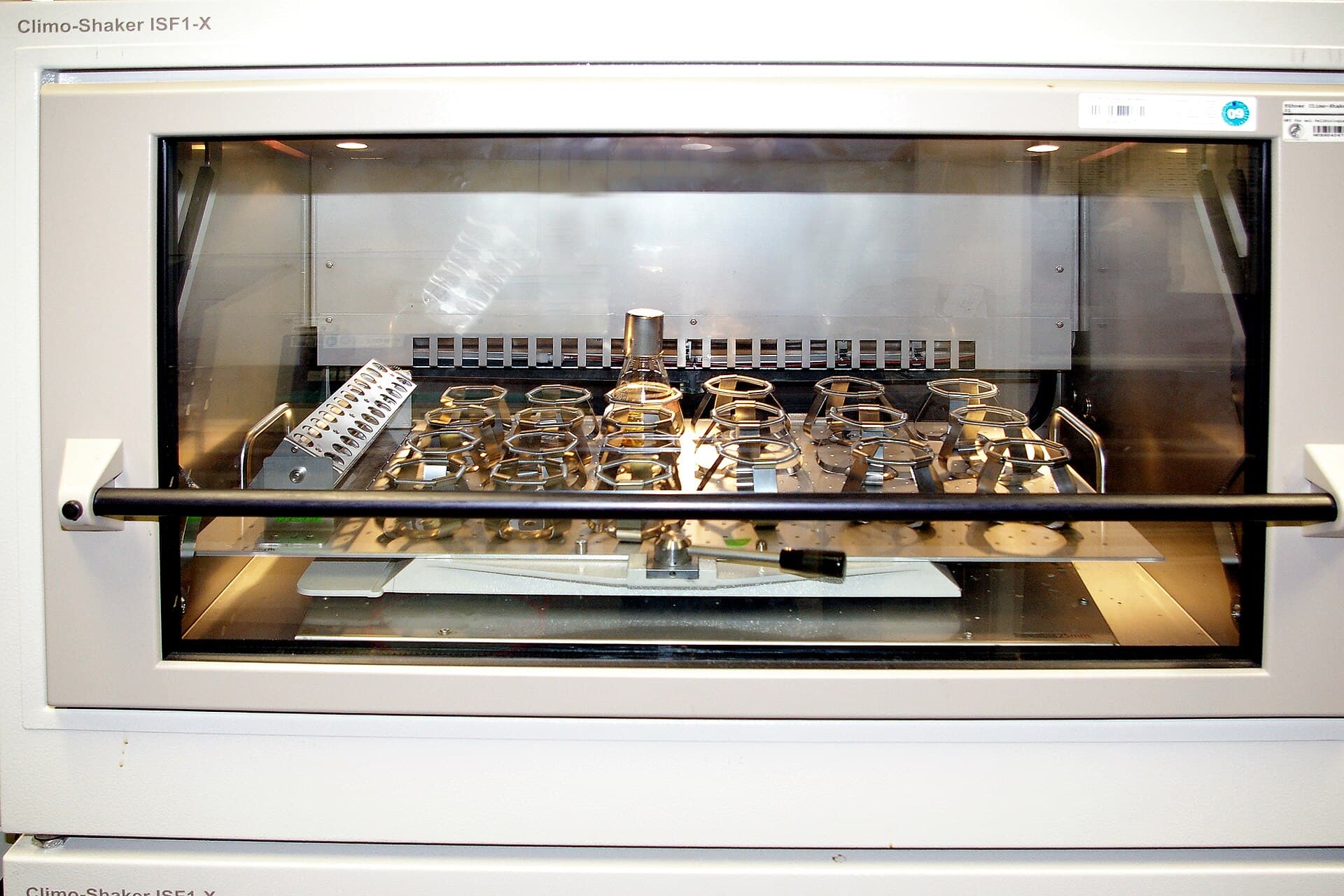
Organoids Explained: What Mini-Organs Can and Cannot Model
Organoids are 3D cell cultures that self-organize into organ-like structures. See how they are grown, what they have taught us, and why they are not tiny organs.
Animals
The Science of Animal Regeneration: How Axolotls, Planarians, and Starfish Rebuild Themselves
An axolotl can regrow an amputated limb — including bones, nerves, blood vessels, muscle, and skin — in perfect working order within six weeks. It can also regrow portions of its brain, heart, and spinal cord. A planarian flatworm cut into 200 pieces will grow 200 new worms, each complete. The genetics behind these abilities are not alien to mammals; we have most of the same genes. The question is why we stopped using them.
Experiments
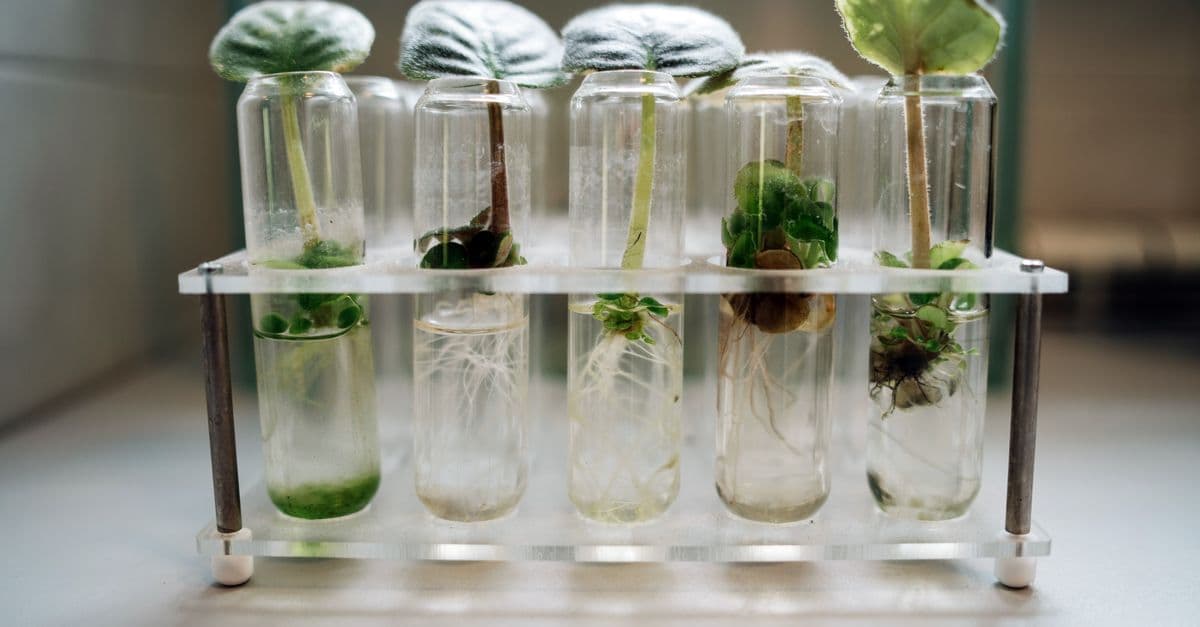
The Gurdon Frog Cloning Experiment: How a Tadpole Gut Cell Became a New Frog
John Gurdon transplanted intestinal nuclei into enucleated frog eggs in 1962, proving cell differentiation is reversible. His work led directly to Dolly the sheep and iPSCs.

What If
What If Humans Could Regrow Limbs Like Axolotls?
Axolotls do it effortlessly. What would it mean for medicine, warfare, disability, and human identity if we could too? The science is closer than you think — and the implications are stranger than you'd expect.

Science
Organ Development in Microgravity: Growing Tissues Beyond Earth
ISS bioprinters and bioreactors are growing heart, retina, and cartilage tissue in orbit. Here's the real science behind space-based tissue engineering.