The Gurdon Frog Cloning Experiment: How a Tadpole Gut Cell Became a New Frog
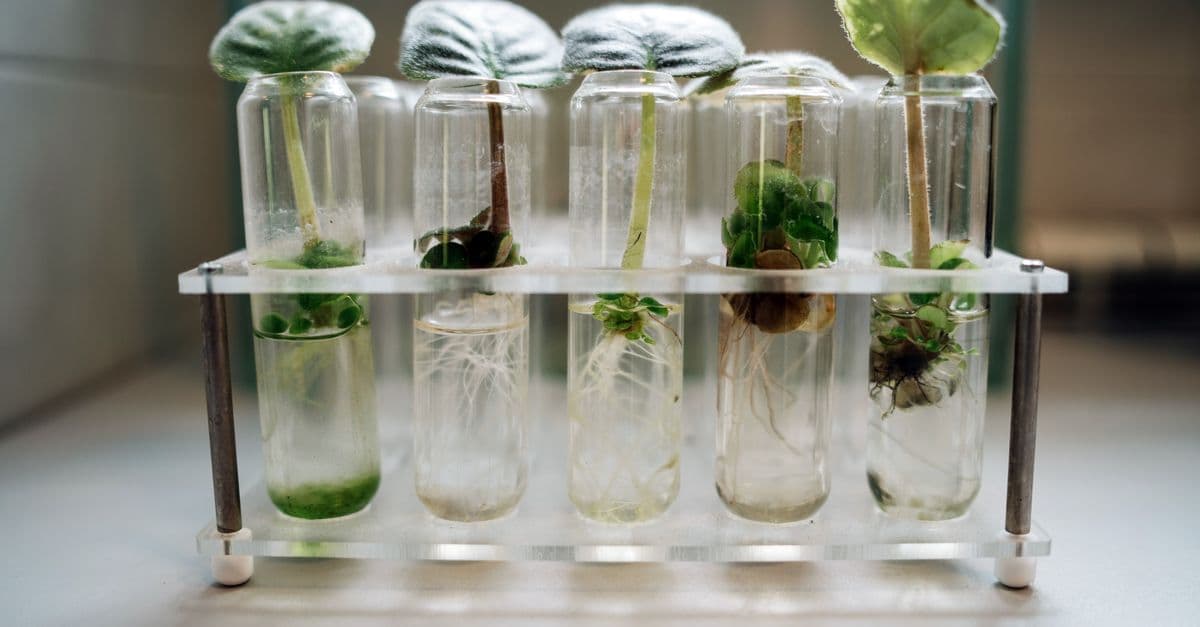
Photo: Mikhail Nilov / Pexels
The textbook view of cell development, dominant well into the 1950s, was essentially a one-way ratchet: as a fertilized egg divided and its daughter cells specialized — becoming skin, muscle, gut lining — they lost the information needed to become anything else. Specialization was permanent. Then a researcher at Oxford took the nucleus from a tadpole's gut cell, inserted it into an egg that had had its own nucleus destroyed, and watched the egg develop into a new frog. That frog was genetically identical to the tadpole that had donated the nucleus. The ratchet, it turned out, could run in reverse.
The Prevailing View Before Gurdon: Differentiation as a One-Way Gate
The biological concept that Gurdon overturned had deep roots. When a fertilized egg develops into a complex organism, each cell division produces daughter cells that take on increasingly narrow roles. A stem cell becomes a precursor cell; a precursor cell becomes a gut epithelial cell or a neuron or a muscle cell. The question was whether this progressive narrowing was caused by the loss of genetic information or by changes in how the existing information was used.
Cell differentiation — the process by which a less specialized cell becomes more specialized, expressing a particular subset of its genes to fulfill a specific function in a tissue or organ.
The most influential experimental attack on this question before Gurdon came from Robert Briggs and Thomas King at the Institute for Cancer Research in Philadelphia. In 1952, they developed the technique of somatic cell nuclear transfer (SCNT) — removing the nucleus from a frog egg and replacing it with a nucleus from another cell — using the frog Rana pipiens.
Source: Briggs, R. & King, T.J. (1952), "Transplantation of living nuclei from blastula cells into enucleated frogs' eggs," Proceedings of the National Academy of Sciences, 38, 455–463 — the founding SCNT paper, demonstrating that early embryo nuclei could support development when transplanted.
Briggs and King found that nuclei from early embryo cells (blastula stage) could support normal development, but nuclei from more advanced, differentiated cells could not. Their conclusion was that differentiation involves irreversible changes to the genome — that genes are progressively lost or permanently silenced as cells specialize. This was widely accepted.
Gurdon found the opposite using a different frog species and, crucially, a more advanced donor cell type.
Gurdon's Experimental System: The African Clawed Frog
Gurdon chose Xenopus laevis, the African clawed frog, rather than Briggs and King's Rana pipiens. This choice was consequential. Xenopus develops faster, is more robust as a laboratory animal, and its eggs are larger and easier to manipulate. It remains the standard frog model for developmental biology today.
Xenopus laevis — the African clawed frog, a South African species widely used in developmental biology, endocrinology, and genetics. Females can be induced to lay eggs on demand by hormone injection, providing a continuous supply of experimental material.
Gurdon began his graduate work in 1956 in the laboratory of Michael Fischberg at Oxford. His initial task was to improve the nuclear transfer technique itself. The procedure required removing the egg's own nucleus (enucleation) without damaging the egg, then injecting a replacement nucleus from the donor cell.
Enucleation was accomplished by ultraviolet irradiation — UV light damages DNA without disrupting the egg's cytoplasm, destroying the egg's genetic material while leaving the cellular machinery intact. This was a key technical advantage over mechanical enucleation, which was more disruptive to the egg.
Source: Gurdon, J.B. (1962), "The developmental capacity of nuclei taken from intestinal epithelium cells of feeding tadpoles," Journal of Embryology and Experimental Morphology, 10, 622–640 — the landmark 1962 paper reporting successful development from differentiated intestinal cell nuclei.
The 1962 Result: Gut Cells That Grew into Frogs
The critical question was: what happens if you use a nucleus from a cell that is not just partially specialized, like a blastula cell, but fully differentiated — a cell that has already committed to being one specific tissue type?
Gurdon used cells from the intestinal epithelium of feeding tadpoles. These cells are unambiguously differentiated. They form the lining of the gut, with specific structural specializations for absorption, and they express the gene set appropriate to gut function. Under the Briggs-King interpretation, their nuclei should have lost the developmental potential to become a whole organism.
Gurdon removed nuclei from these intestinal cells and injected them, one at a time, into Xenopus eggs whose own genetic material had been destroyed by UV irradiation. The vast majority of the transplanted eggs failed to develop normally — most arrested early, or developed into abnormal embryos. But a small fraction, roughly 1–2% in Gurdon's best experiments, developed into swimming tadpoles.
Some of those tadpoles, through serial nuclear transfer (taking nuclei from the first-generation tadpoles and repeating the process), eventually gave rise to adult frogs. These frogs were fertile and phenotypically normal.
Source: Gurdon, J.B. (1962), Journal of Embryology and Experimental Morphology, 10, 622–640 — key data: intestinal epithelial nuclei supporting development to the feeding tadpole stage in approximately 1.5% of transfers.
The implication was stark. If a gut cell nucleus — a nucleus that had been directing gut-specific gene expression — could, when placed in an egg cytoplasm, direct the development of an entire organism with all cell types, then the genome of that gut cell had not lost any genes. It still contained the full developmental program. Specialization was a matter of gene expression, not gene content.
Why the Low Success Rate Did Not Invalidate the Conclusion
Critics, including Briggs and King, challenged Gurdon's results on the grounds that the very low success rate (1–2%) might indicate that the successful transplants came from rare, partially undifferentiated cells mixed in with the gut epithelium — contaminating stem cells or progenitor cells, rather than true terminally differentiated gut cells.
This was a serious criticism and Gurdon took it seriously. He addressed it through increasingly rigorous cell identification and serial transplantation experiments. Serial transplantation — taking a nucleus from a first-generation tadpole and transplanting it into a new egg — amplified the signal: each cycle demonstrated that the developmental potential was in the nucleus, not a random artifact, and that it persisted through multiple rounds of transfer.
Source: Gurdon, J.B. & Uehlinger, V. (1966), "Fertile' intestine nuclei," Nature, 210, 1240–1241 — demonstration that serial nuclear transfer from intestinal nuclei produced fertile adult frogs, further confirming full developmental potential.
The contaminating stem-cell argument was also undermined by Gurdon's use of genetic markers. By using albino frogs as egg donors (whose eggs carry a known genetic mutation) and normally pigmented tadpoles as nucleus donors, he could show that the resulting tadpoles had the pigmentation pattern of the nucleus donor, confirming that the development was driven by the transplanted nucleus and not by any residual egg genome.
Somatic cell nuclear transfer (SCNT) — the technique of removing the nucleus from a somatic (body) cell and inserting it into an enucleated egg, creating an embryo with the genetic makeup of the nucleus donor.
The Cytoplasm Is the Reprogrammer
What Gurdon's experiment implicitly demonstrated — and what took decades to understand mechanically — is that the egg cytoplasm contains reprogramming factors: molecules that can reverse the epigenetic state of a nucleus, stripping away the differentiation-associated modifications and resetting it to a state capable of directing full development.
Epigenetics — changes in gene expression that do not involve changes to the DNA sequence itself. These include chemical modifications to histones (the proteins DNA wraps around) and methylation of cytosine bases in DNA. Differentiation is largely an epigenetic phenomenon: a gut cell and a neuron have identical DNA but different epigenetic marks that activate different gene subsets.
When a differentiated nucleus enters an egg cytoplasm, the cytoplasm's reprogramming factors — which include oocyte-specific transcription factors and chromatin-remodeling enzymes — systematically remove differentiation-specific epigenetic marks and impose a pluripotent state. This process is slow, error-prone (explaining the low efficiency of SCNT), and not fully understood even today.
Source: Gurdon, J.B. & Byrne, J.A. (2003), "The first half-century of nuclear transplantation," Proceedings of the National Academy of Sciences, 100, 8048–8052 — Gurdon's 50-year retrospective on SCNT and its mechanistic implications.
The identity of the key reprogramming factors in the egg cytoplasm became a major research goal after Gurdon's work. The answer, in part, came from Shinya Yamanaka's work with induced pluripotent stem cells.
The Timeline: From Frog Eggs to iPSCs and Dolly
| Year | Event |
|---|---|
| 1938 | Hans Spemann proposes "fantastical experiment" of nuclear transplantation to test if nuclei retain full developmental potential |
| 1952 | Briggs & King perform first successful SCNT using early embryo nuclei in Rana pipiens; conclude differentiated nuclei cannot support development |
| 1956 | Gurdon begins graduate work with Fischberg at Oxford |
| 1958 | Gurdon's first successful SCNT from tadpole tissue using UV enucleation |
| 1962 | Gurdon publishes landmark paper: intestinal epithelial nuclei produce swimming tadpoles |
| 1966 | Serial transplantation produces fertile adult frogs from intestinal nuclei |
| 1975 | Gurdon's lab establishes Xenopus egg injection as a standard tool for studying mRNA function |
| 1996 | Dolly the sheep cloned by Wilmut et al. at Roslin Institute using SCNT from an adult mammary cell — first cloning of an adult mammal |
| 2006 | Yamanaka publishes induced pluripotent stem cells (iPSCs): four transcription factors reprogram adult mouse cells to pluripotency |
| 2007 | Human iPSCs produced by Yamanaka's group and Thomson's group independently |
| 2012 | Gurdon and Yamanaka share Nobel Prize in Physiology or Medicine "for the discovery that mature cells can be reprogrammed to become pluripotent" |
| 2025 | Gurdon dies in Cambridge, age 91 |
The Road to Dolly and iPSCs
Gurdon's result did not immediately produce a wave of cloning experiments. The technical difficulty was enormous, the efficiency was low, and the biological significance — proving a conceptual point about genome totipotency — was not yet connected to any therapeutic application.
That connection came in stages. In 1996, Ian Wilmut and Keith Campbell at the Roslin Institute in Edinburgh cloned Dolly the sheep from an adult mammary gland cell — the first clone of an adult mammal. The technique was directly descended from Gurdon's approach: a somatic cell nucleus transplanted into an enucleated egg. The Roslin team used a key technical refinement (synchronizing the cell cycle of the donor cell) to improve efficiency. Dolly demonstrated that SCNT was not restricted to amphibians, or to cells from young embryos.
Source: Wilmut, I. et al. (1997), "Viable offspring derived from fetal and adult mammalian cells," Nature, 385, 810–813 — the Dolly paper, citing Gurdon's frog work as the conceptual foundation for mammalian SCNT.
The second branch came from Shinya Yamanaka's insight that if reprogramming was caused by specific factors in the egg cytoplasm, those factors might be identifiable. By screening transcription factors expressed in embryonic stem cells, Yamanaka identified four (OCT4, SOX2, KLF4, and c-MYC — now called the Yamanaka factors) that, when introduced into adult cells, could reprogram them to a pluripotent state without nuclear transfer. These are induced pluripotent stem cells (iPSCs).
Source: Takahashi, K. & Yamanaka, S. (2006), "Induction of pluripotent stem cells from mouse embryonic and adult fibroblasts by defined factors," Cell, 126, 663–676 — the iPSC paper, explicitly acknowledging Gurdon's demonstration that reprogramming is possible.
iPSCs bypass the need for eggs entirely, making personalized pluripotent cells from any patient's own skin or blood cells a laboratory routine. The path from Gurdon's 1962 frog experiment to patient-specific stem cell therapies is direct, even if it took 44 years to travel.
What the Experiment Demonstrated About Gene Expression
The deepest implication of Gurdon's work concerns the relationship between genetic information and cellular identity. Before 1962, it was plausible to suppose that differentiation involved permanent, irreversible changes to DNA — gene deletions, chromosomal rearrangements, or some other form of genetic loss. Gurdon showed this was not so. Every differentiated cell retains a complete genome. Specialization is not written in the DNA sequence but in the pattern of which genes are turned on or off — the epigenome.
This insight reframed the question of development from "what genetic information do cells lose?" to "what mechanisms control which genes are expressed?" It opened the door to epigenetics as a field and pointed toward chromatin structure, DNA methylation, and transcription factor networks as the key regulatory layers.
Source: Gurdon, J.B. (2012), Nobel Lecture, "The egg and the nucleus: a battle for supremacy," NobelPrize.org — Gurdon's account of the conceptual transformation his work triggered.
The Molecular Machinery of Reprogramming
The 50 years following Gurdon's 1962 experiment were largely a period of trying to identify the molecular factors responsible for what the egg cytoplasm did to a transplanted nucleus. Gurdon himself called this the "battle between egg and nucleus" — the egg's cytoplasm trying to impose an embryonic program on the nucleus, the nucleus carrying its differentiated state.
The key conceptual advance was the recognition that differentiation is maintained by epigenetic modifications — chemical marks on histones and DNA that stabilize the expression pattern of differentiated cells without changing the underlying DNA sequence. A gut cell expresses gut-specific genes not because it has different DNA but because its chromatin is organized so that gut-specific genes are accessible and other genes are silenced. The egg cytoplasm contains demethylases, histone-modifying enzymes, and pluripotency-specific transcription factors that can systematically reverse these marks on a transplanted nucleus, reinstating the embryonic chromatin state.
Source: Gurdon, J.B. & Melton, D.A. (2008), "Nuclear reprogramming in cells," Science, 322, 1811–1815 — Gurdon's review of the molecular basis of nuclear reprogramming as understood at the time of the iPSC revolution, co-authored with the stem cell biologist Douglas Melton.
The most important molecular factor identified in the egg cytoplasm is a protein called nucleoplasmin, an abundant oocyte chaperone that removes somatic histones from transplanted chromatin and replaces them with oocyte-specific histone variants. This histone exchange is one of the earliest steps in reprogramming and is essential for restoring the developmental potential of a somatic nucleus.
Histone — a protein around which DNA is wound to form chromatin. Chemical modifications to histones (acetylation, methylation) control whether the associated DNA is accessible to transcription factors and whether the genes it encodes are turned on or off.
Other oocyte factors include OCT4, NANOG, and SOX2 — transcription factors also found in embryonic stem cells, which Yamanaka would later use in his iPSC experiments. The convergence between what the egg cytoplasm does naturally and what Yamanaka's four factors do artificially is not coincidental: Yamanaka deliberately searched for factors expressed in embryonic stem cells that could explain the egg's reprogramming power. His iPSC discovery was a direct molecular translation of Gurdon's cellular observation.
Source: Bhutani, N., Brady, J.J., Damian, M. et al. (2010), "Reprogramming towards pluripotency requires AID-dependent DNA demethylation," Nature, 463, 1042–1047 — demonstrating a specific molecular mechanism (DNA demethylation via activation-induced deaminase) required for nuclear reprogramming, connecting Gurdon's cellular observations to molecular mechanisms.
Controversies and Lingering Questions
Despite the 2012 Nobel Prize, some questions raised by Gurdon's experiments remain unsettled. The efficiency problem — why SCNT succeeds in only a small fraction of attempts even with highly refined protocols — is not fully understood. Modern SCNT in cattle, the species in which the technique has been most intensively optimized, still achieves live birth rates of roughly 5–10% of transplants, and many of the animals that are born show abnormalities associated with incomplete epigenetic reprogramming.
The most common abnormality is called large offspring syndrome: SCNT-derived animals are often born larger than normal, with placental abnormalities and developmental defects, because the placental cells (which form from the trophectoderm) are particularly resistant to reprogramming. This asymmetry — embryonic cells reprogram more readily than extraembryonic cells — reflects a fundamental difference in the chromatin organization of these lineages that the egg cytoplasm cannot fully override.
Source: Young, L.E. et al. (1998), "Large offspring syndrome in cattle and sheep," Reviews of Reproduction, 3, 155–163 — early documentation of the SCNT-associated developmental abnormalities now understood as consequences of incomplete epigenetic reprogramming.
Whether these abnormalities result from the SCNT procedure itself or from subtle defects introduced during cell culture before nuclear transfer is still debated. Dolly the sheep died at age six — half the expected lifespan for a Finn Dorset sheep — with arthritis and lung disease, raising concerns about premature aging in SCNT animals. Subsequent analyses suggested that Dolly's telomeres (the protective caps at chromosome ends) were shorter than normal, consistent with the hypothesis that the mammary cell nucleus used to clone her had accumulated some age-related chromatin changes that the egg could not fully reverse.
Source: Shiels, P.G. et al. (1999), "Analysis of telomere lengths in cloned sheep," Nature, 399, 316–317 — report of shortened telomeres in Dolly, suggesting incomplete reversal of donor cell aging during nuclear reprogramming.
What People Get Wrong About Gurdon's Experiment
"Gurdon cloned a frog in 1962." He produced tadpoles from differentiated cell nuclei. Some of those tadpoles, through serial transfer, became adult frogs. But "cloning" in the popular sense — producing an adult organism that is a copy of another adult — took several more years to achieve in frogs and was not achieved in a mammal until Dolly in 1996.
"The experiment was immediately accepted." Briggs and King disputed Gurdon's interpretations for years, arguing that contaminating undifferentiated cells explained the results. The debate was resolved progressively through improved markers and serial transfer experiments over the 1960s.
"High success rates prove the concept." The low efficiency (1–2%) was actually important evidence for the difficulty of reprogramming. It showed that the egg cytoplasm does not reprogram nuclei reliably — the machinery is robust but error-prone. Modern SCNT, even with refined protocols, still achieves single-digit percentages of normal development. The key point is not the efficiency but the fact that it happens at all.
"Gurdon's work is only relevant to cloning." The work is foundational to the entire stem cell field. Understanding that differentiation is reversible — and that specific molecular factors in the egg can accomplish the reversal — was the conceptual seed for therapeutic stem cell research, disease modeling using patient-derived cells, and the possibility of regenerative medicine.
FAQs
Q: What cell type did Gurdon use as the nucleus donor in his key 1962 experiment?
A: Intestinal epithelial cells from feeding tadpoles of Xenopus laevis. These are fully differentiated cells forming the gut lining of an organism that is past the embryonic stage and actively feeding — making them a stringent test of the claim that differentiated nuclei retain full developmental potential.
Q: What percentage of transplants successfully developed, and does that matter?
A: Roughly 1–2% of nuclear transfers produced swimming tadpoles in Gurdon's best experiments. The low rate matters for two reasons: it confirmed that reprogramming is difficult and error-prone, and it provided fuel for critics arguing that the successes came from undifferentiated contaminant cells. Gurdon addressed the latter through genetic markers and serial transplantation.
Q: What is the connection between Gurdon's work and Dolly the sheep?
A: Dolly (1996) used the same principle — somatic cell nuclear transfer — that Gurdon pioneered. The Roslin team extended the technique to adult mammalian cells (mammary gland cells) using key refinements in cell-cycle synchronization. Gurdon's proof that SCNT was conceptually possible was the foundation they built on.
Q: What are induced pluripotent stem cells and how do they relate to Gurdon?
A: iPSCs are adult cells reprogrammed to a pluripotent embryonic-like state by introducing four transcription factors (the Yamanaka factors). They bypass the need for eggs. The logic — that adult cells can be returned to an undifferentiated state by exposing their nuclei to the right molecular environment — is a direct descendant of Gurdon's nuclear transfer findings. Gurdon and Yamanaka shared the 2012 Nobel Prize precisely because the prize committee viewed their work as two routes to the same discovery.
Q: Did Gurdon's school biology teacher predict he would fail at science?
A: Yes. A report written when Gurdon was 15 at Eton College said, "I believe Gurdon has ideas about becoming a scientist; on his present showing this is quite ridiculous." Gurdon kept the report framed on his wall in Cambridge for the rest of his career.
Q: What happened to Gurdon in 2025?
A: John Gurdon died in March 2025 in Cambridge, England, at the age of 91. Obituaries in Nature and other journals noted that he had continued working in his laboratory at the Gurdon Institute — named for him — until shortly before his death.
Gurdon's School Report and the Making of a Scientist
Among the details of Gurdon's biography, one stands out as both ironic and instructive. When he was 15 years old, his science teacher at Eton College wrote an assessment that has become one of the most famous negative school reports in the history of science:
"I believe Gurdon has ideas about becoming a scientist; on his present showing this is quite ridiculous; if he can't learn simple biological facts he would have no chance of doing the work of a specialist, and it would be a sheer waste of time, both on his part, and of those who have to teach him."
Gurdon kept this report framed on his office wall at the Gurdon Institute in Cambridge for the rest of his career. He did not keep it as a grudge — he mentioned in interviews that he found it genuinely useful as a motivational object, a reminder that assessments of potential are unreliable and that persistence through discouragement is more informative about future achievement than early evaluations.
The anecdote also illustrates something about the nature of breakthrough science. Gurdon's key contribution was not technical virtuosity — though the nuclear transfer experiments required considerable manual skill — but conceptual stubbornness: he refused to accept that the Briggs-King result, obtained with a different frog species and at an earlier developmental stage, was the final word on what differentiated nuclei could do. He redesigned the experiment to use more mature cells in a more tractable species, and he continued working through a decade of criticism that his results might reflect contamination rather than true reprogramming.
Source: Gurdon, J.B. (2012), Nobel Prize Autobiography, NobelPrize.org — Gurdon's own account of his educational background, early failures, and the motivation to pursue nuclear transplantation.
This persistence is a feature, not an accident, of the most important experiments in biology. The experiments that overturn consensus require a researcher willing to accept that the consensus might be wrong and that a technically demanding, initially low-yield experiment is worth pursuing. Nuclear transfer in 1958 was all of these things: the technique was difficult, the yield was low, and the conclusion contradicted what the field's most distinguished practitioners had concluded. Gurdon's 2012 Nobel Prize is, among other things, a validation of that stubbornness.
The Takeaway
Gurdon took a cell whose job was to line a frog's gut and showed that its nucleus still contained the instructions for building an entire organism. That single demonstration dismantled the dominant model of irreversible differentiation and replaced it with a question that became the engine of a field: what are the molecular factors that lock a nucleus into one identity, and what can unlock it? The answers to that question are still being found — in stem cell biology, cancer research, and regenerative medicine — and all of them trace back to a tadpole intestine.
Read next:
Weekly digest
Stay ahead of the curve
Get the best science, AI, and tech stories delivered to your inbox every week. No spam — unsubscribe any time.
About the Author
SciHub101 is an independent science and technology publication founded and edited by Buğra Sözeri, a software engineer and app developer based in Türkiye. Articles are drafted against peer-reviewed literature and primary sources, fact-checked, and edited by a human before publication. Where we compare products, anything built by our own team is labelled as such — see the editorial guidelines and About page for how corrections and disclosures work.
Related Articles

The Hafele-Keating Experiment: Atomic Clocks, Airplanes, and Time Dilation
In October 1971, physicists flew atomic clocks around the world and proved time dilation is real — clocks gained and lost nanoseconds exactly as Einstein predicted.
The Griffith Transformation Experiment: The Mice That Changed Genetics
In 1928, Frederick Griffith injected mice with dead bacteria and live harmless bacteria — and the mice died. Here's why that result rewrote the history of genetics.
The Dolly the Sheep Cloning Experiment
Dolly proved that an adult cell nucleus could be reprogrammed to create a whole animal. This guide explains the experiment and its impact.
The Science of Animal Regeneration: How Axolotls, Planarians, and Starfish Rebuild Themselves
An axolotl can regrow an amputated limb — including bones, nerves, blood vessels, muscle, and skin — in perfect working order within six weeks. It can also regrow portions of its brain, heart, and spinal cord. A planarian flatworm cut into 200 pieces will grow 200 new worms, each complete. The genetics behind these abilities are not alien to mammals; we have most of the same genes. The question is why we stopped using them.

What If Humans Could Regrow Limbs Like Axolotls?
Axolotls do it effortlessly. What would it mean for medicine, warfare, disability, and human identity if we could too? The science is closer than you think — and the implications are stranger than you'd expect.
How Biological Regeneration Works: From Axolotls to Human Healing
Some animals can regrow entire limbs, hearts, and even heads. Others — like humans — cannot. Scientists are now uncovering the molecular switches that separate regenerators from non-regenerators, and the findings could transform medicine.