Immunotherapy: How Doctors Train the Immune System to Kill Cancer

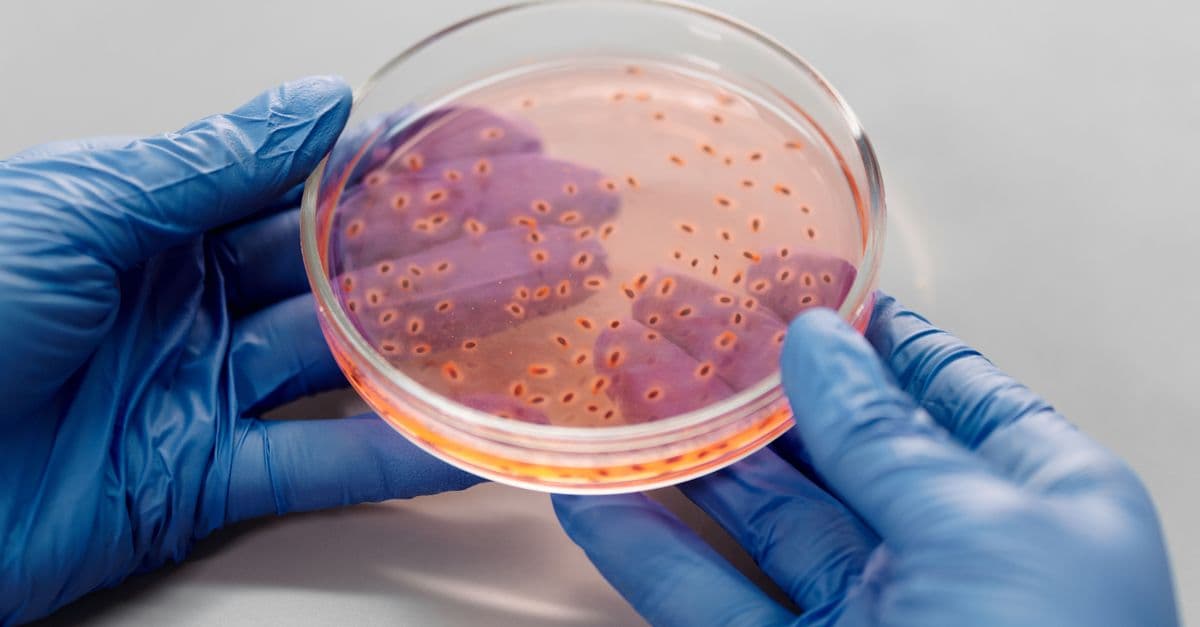
Photo: Tara Winstead / Pexels
A tumor is not invisible to the immune system. It is disguised. Cancer cells hijack a set of molecular "off switches" that T cells normally use to avoid attacking healthy tissue, and they flip those switches on to shut down the very cells built to destroy them. Immunotherapy does not attack the tumor directly the way chemotherapy or radiation does. It removes the disguise, or in some cases builds new immune cells from scratch, so the immune system can finish the job itself. Discovered independently by James Allison and Tasuku Honjo, this approach now extends survival in melanoma, lung cancer, and several blood cancers that were once close to uniformly fatal.
What cancer does to hide from the immune system
Every day, immune cells patrol the body looking for cells that display abnormal proteins on their surface. Mutated, damaged, or infected cells get flagged and killed. In theory, cancer cells — riddled with mutations — should be flagged constantly.
Tumors survive anyway, and for decades that was a genuine puzzle in cancer biology. The immune system clearly works well enough to reject organ transplants and clear viral infections, yet it lets tumors grow to a kilogram or more before symptoms even appear. Researchers in the 1990s traced part of the answer to a set of receptors T cells carry called immune checkpoints, most notably CTLA-4 and PD-1.
Checkpoints exist for a good reason. Without them, T cells would attack the body's own healthy tissue anytime they got mildly activated, causing autoimmune disease. A checkpoint receptor is a brake pedal: when a matching "ligand" molecule binds to it, the T cell quiets down instead of attacking. Tumor cells learned, through the blind trial-and-error of mutation and selection, to manufacture those braking ligands themselves. A tumor cell displaying PD-L1 on its surface can walk right up to a T cell built to kill it and switch it off on contact.
How checkpoint inhibitors switch the immune system back on
A checkpoint inhibitor is a monoclonal antibody, a lab-made protein engineered to bind one specific target with high precision. Ipilimumab binds CTLA-4. Pembrolizumab and nivolumab bind PD-1. Atezolizumab binds PD-L1 on the tumor side of the interaction instead.
Picture a tumor cell holding up a badge that says "don't attack me" and a T cell reading that badge and standing down. A checkpoint inhibitor is like handing the T cell a pair of glasses that make the badge unreadable. The badge is still there, but the brake signal can no longer get through, so the T cell defaults back to its natural behavior: attack anything that looks abnormal. That is the whole mechanism. The drug does not poison cells, cut DNA, or interfere with cell division the way chemotherapy does. It removes a false signal.
This is fundamentally different from how older cancer drugs work, and the difference explains both the successes and the risks. Chemotherapy is like carpet-bombing anything that divides quickly, cancer cells and hair follicles and gut lining alike, which is why hair loss and nausea are common side effects. Checkpoint inhibitors are more like disabling a jammer: they do not choose a target themselves, they let the immune system's own targeting do the work.
How do checkpoint inhibitors actually kill cancer cells?
They do not kill cancer cells directly. They block the CTLA-4 or PD-1/PD-L1 signal that suppresses T cells, restoring the T cell's ability to recognize tumor antigens and launch a cytotoxic attack — releasing enzymes that trigger the cancer cell to self-destruct.
Why did Allison and Honjo win the Nobel Prize?
James Allison discovered that blocking CTLA-4 released anti-tumor immunity in mice, and Tasuku Honjo independently discovered the PD-1 receptor and its role in tumor immune evasion. Together their work established immune checkpoint blockade as a cancer therapy class, earning the 2018 Nobel Prize in Physiology or Medicine (NobelPrize.org).
What the actual response numbers look like
Response rates are the single most important, and most misunderstood, statistic in immunotherapy coverage. A "response" means the tumor measurably shrank or disappeared on imaging. It does not mean every patient who receives the drug benefits.
In the pivotal CheckMate 067 trial in advanced melanoma, five-year overall survival was 44% for nivolumab alone and just over 50% for the combination of nivolumab plus ipilimumab, compared with roughly 26% for ipilimumab alone (Larkin et al., NEJM, 2019). In treatment-naive metastatic melanoma patients, response rates were around 40% for nivolumab and 45% for pembrolizumab, with anti-PD-1 antibodies outperforming the older anti-CTLA-4 drug ipilimumab, which produced response rates closer to 30% (KEYNOTE-001, Annals of Oncology).
Those numbers sound dramatic against a disease that, before 2011, killed most patients with metastatic melanoma within a year. They are also a reminder that immunotherapy is not a universal cure. Roughly half of patients in even the best-responding cancers see no meaningful benefit, and identifying who will respond before treatment starts remains one of oncology's open problems.
Response rate benchmarks across cancer types
| Cancer type | Drug regimen | Approximate response or survival benchmark | Source |
|---|---|---|---|
| Advanced melanoma | Nivolumab monotherapy | 44% five-year overall survival | Larkin et al., NEJM, 2019 |
| Advanced melanoma | Nivolumab + ipilimumab combo | ~50% five-year overall survival | Larkin et al., NEJM, 2019 |
| Advanced melanoma | Pembrolizumab monotherapy | 43% five-year overall survival | Annals of Oncology, KEYNOTE-001 |
| High-risk resected melanoma | mRNA-4157 vaccine + pembrolizumab | 49% reduction in recurrence or death risk at 5 years vs. pembrolizumab alone | Merck/Moderna, KEYNOTE-942 |
| Relapsed/refractory pediatric B-cell ALL | Tisagenlecleucel (CAR-T) | 81% remission rate within 3 months | NEJM, Maude et al. |
Table: Illustrative response benchmarks from major published trials, not a guarantee of individual outcomes.
CAR-T cells: building a new immune system from scratch
Checkpoint inhibitors work with the T cells a patient already has. CAR-T cell therapy takes a more radical approach: it removes T cells from the patient's blood, genetically engineers them in a lab to carry a synthetic receptor called a chimeric antigen receptor, then multiplies and infuses them back in.
The synthetic receptor works like a universal key cut for one specific lock. In most approved CAR-T products, that lock is CD19, a protein found on the surface of B cells, including the cancerous B cells in certain leukemias and lymphomas. The engineered T cells no longer need the tumor to present the right antigen through the normal, easily-evaded pathway — they recognize CD19 directly, the way a key fits a lock without needing anyone's permission.
The clearest illustration of what this can do is Emily Whitehead. In April 2012, at age six, she became the first pediatric patient treated with what would become tisagenlecleucel after standard chemotherapy failed to control her acute lymphoblastic leukemia. The engineered cells triggered a severe immune reaction that nearly killed her before the leukemia went into remission — and she has remained in remission for more than a decade (Children's Hospital of Philadelphia). In the pivotal trial for that same therapy, the overall remission rate within three months was 81%, with every responding patient testing negative for minimal residual disease (Maude et al., NEJM, 2018).
As of 2026, seven CAR-T products are FDA-approved across leukemias, lymphomas, and multiple myeloma, including tisagenlecleucel and lisocabtagene maraleucel, the latter recently becoming the first CAR-T therapy approved for marginal zone lymphoma (AJMC, 2026; FDA press announcement).
What is cytokine release syndrome, and why does it matter?
Cytokine release syndrome is a flu-like to life-threatening immune overreaction that occurs when engineered CAR-T cells rapidly activate and flood the bloodstream with inflammatory signaling molecules. Meta-analyses of CD19 CAR-T trials found severe cytokine release syndrome in about 18.5% of patients and neurotoxicity in roughly 21.7%, both manageable with steroids or the antibody tocilizumab in most cases but requiring intensive monitoring (pooled analysis, PubMed).
Bispecific antibodies: a third way to force the introduction
Checkpoint inhibitors remove a brake. CAR-T cells build a new sensor from a patient's own cells. Bispecific antibodies solve the same targeting problem with a much simpler piece of engineering: a single antibody molecule with two different binding arms, one that grabs a T cell and one that grabs a tumor cell, physically stapling them together whether the T cell was ever interested in the tumor or not.
Blinatumomab, the prototype of this class, is built to bind CD3 (a marker present on essentially every T cell) with one arm and CD19 (a marker on B cells, including cancerous B cells in certain leukemias) with the other. Think of it as a matchmaker that does not care whether either party wanted to meet: it physically drags a killer T cell into contact with a leukemia cell, forming what researchers call an immune synapse, the same close-contact structure a T cell would form if it had recognized the tumor on its own. That forced proximity is enough to trigger the T cell to release cytotoxic granules and kill the tumor cell, without requiring the T cell to first recognize a mutated tumor antigen or requiring the tumor cell to present anything through its own normal antigen-presentation machinery (Blood, Klinger et al.).
That mechanism matters because it sidesteps a failure point checkpoint inhibitors cannot get around. Checkpoint blockade only works if a T cell already recognizes the tumor and is merely being suppressed by a checkpoint signal; if the tumor never triggered T-cell recognition in the first place, removing the brake changes nothing. A bispecific antibody does not need that pre-existing recognition. It manufactures the encounter directly, which is part of why blinatumomab produces meaningful responses in leukemias where checkpoint inhibitors alone have historically underperformed.
In adults with relapsed or refractory B-cell acute lymphoblastic leukemia, blinatumomab monotherapy produced an overall response rate (complete remission plus complete remission with partial hematologic recovery) of 43%, and response climbed to 55% among patients whose disease was confined to the bone marrow rather than spread more broadly (ScienceDirect, tumor-intrinsic and -extrinsic determinants of blinatumomab response). Disease burden at the start of treatment is a strong predictor of outcome: patients with fewer than 50% lymphoblasts in the bone marrow achieved complete remission or complete remission with partial recovery 73% of the time, compared with only 29% in patients whose marrow was more heavily infiltrated with leukemia cells at baseline (PMC, blinatumomab response determinants). In patients being monitored for minimal residual disease, meaning leukemia cells too sparse to see on a standard test but detectable with more sensitive molecular assays, 78% achieved a complete molecular response after blinatumomab (PMC, blinatumomab MRD response).
Bispecific antibodies fail for a different reason than checkpoint inhibitors do, and that failure mode is itself informative. Because the drug depends entirely on the tumor displaying CD19 on its surface, leukemia cells that mutate CD19 away, lower how much of it they express, or disable the internal machinery CD19 normally signals through can become functionally invisible to blinatumomab even though the T cells around them are fully capable of killing (PMC, CD19 loss and blinatumomab resistance). It is the bispecific-antibody equivalent of the tumor changing its badge rather than switching off the T cell's brake, and it is one reason oncologists now think of checkpoint inhibitors, CAR-T cells, and bispecific antibodies as complementary tools that fail in different ways rather than interchangeable versions of the same idea.
How is a bispecific antibody different from a checkpoint inhibitor?
A checkpoint inhibitor blocks a suppressive signal on T cells that already recognize a tumor, letting a pre-existing immune response proceed. A bispecific antibody physically links any nearby T cell to a tumor cell by binding both simultaneously, forcing an attack that does not depend on the T cell ever having recognized the tumor on its own.
Why some cancers respond and others barely react at all
The single biggest predictor of whether checkpoint blockade will work is not the organ the cancer started in, it is how many mutations the tumor's DNA carries, a measurement oncologists call tumor mutational burden. Every mutation is a chance that the resulting protein looks different enough from normal human protein that a T cell can recognize it as foreign, the way a passport photo that no longer resembles the person raises a border agent's suspicion. A tumor riddled with mutations produces many of these abnormal proteins, called neoantigens, and gives the immune system many independent chances to notice something is wrong. A tumor with very few mutations looks, to a patrolling T cell, almost indistinguishable from healthy tissue.
That distinction is precise enough that the FDA has approved pembrolizumab for any solid tumor with a tumor mutational burden of 10 or more mutations per megabase of DNA, regardless of what organ the cancer originated in, only the second time the agency approved a cancer drug based purely on a molecular biomarker rather than the tumor's location in the body. In the trial supporting that approval, patients with high tumor mutational burden across nine different cancer types achieved an overall response rate of 29%, with more than half of those responses lasting a year or longer (PMC, FDA approval summary for TMB-high pembrolizumab). Cancers caused by mutagens that damage DNA directly, ultraviolet light in melanoma and tobacco carcinogens in lung cancer, tend to accumulate mutations quickly and land on the high end of that scale, which is a large part of why those two cancers were where checkpoint inhibitors first showed dramatic results.
Mutational burden is only half the picture, though. Oncologists also describe tumors as "hot" or "cold" based on how many immune cells have already infiltrated the tumor tissue itself. A hot tumor is already crowded with T cells that got close enough to try to attack but were shut down locally, usually by checkpoint signals, which is exactly the scenario checkpoint inhibitors were built to fix: the immune system did its part, and the drug just needs to release the brake. A cold tumor has few or no T cells inside it at all, which means there is no local immune response for a checkpoint inhibitor to unleash, because nothing was mounted in the first place. Blocking PD-1 on a T cell population that never showed up to the tumor site accomplishes nothing, which is a mechanistic explanation for why checkpoint inhibitors alone tend to underperform in cancers like most pancreatic tumors and many cases of ovarian and prostate cancer, all of which are typically low-mutation and immunologically cold (ScienceDirect, tumor mutational burden as a pan-cancer biomarker).
The relationship between mutational burden and drug benefit is also not universal across every cancer type, which matters for how much weight doctors put on it. One large pan-cancer analysis found a statistically meaningful correlation between tumor mutational burden and checkpoint inhibitor benefit in only eight of 27 cancer types examined, a reminder that mutational burden is a genuinely useful biomarker but not a perfect predictor on its own, and that no single test currently identifies every patient who will respond (AACR, Clinical Cancer Research, TMB as a predictor). Even genuinely cold, low-mutation tumors occasionally respond; a case report described a chemotherapy-resistant metastatic pancreatic cancer patient with an unusually high tumor mutational burden who had a partial response to pembrolizumab alone, illustrating that the biomarker predicts probability, not certainty, in either direction (PMC, pembrolizumab response in high-TMB pancreatic cancer).
What makes a tumor "cold" versus "hot"?
A "hot" tumor already has T cells inside it that recognized the cancer but were shut down by local checkpoint signals, making it a strong candidate for checkpoint inhibitors. A "cold" tumor has few or no infiltrating immune cells to begin with, so there is no existing immune attack for a checkpoint inhibitor to release, which is why cold tumors typically need a different strategy, such as combination therapy or approaches that first draw immune cells into the tumor.
Why doctors increasingly combine immunotherapy instead of using it alone
If a cold tumor's problem is that no immune response ever got started, the logical fix is not a stronger brake-release drug, it is pairing immunotherapy with something that first gets T cells into the tumor or exposes more targets for them to recognize. That reasoning is why combination regimens, not single-drug immunotherapy, are now standard first-line treatment for several of the most common cancers.
Chemotherapy and immunotherapy sound like they should work against each other, since chemotherapy kills dividing cells including some immune cells. In practice, chemotherapy can also kill tumor cells in a way that spills their contents and mutated proteins into the surrounding tissue, effectively advertising the tumor's neoantigens to nearby immune cells and turning a colder tumor hotter before the checkpoint inhibitor ever acts. In KEYNOTE-189, adding pembrolizumab to standard chemotherapy in previously untreated metastatic non-squamous non-small cell lung cancer nearly doubled five-year overall survival compared with chemotherapy alone, from 11.3% to 19.4%, and median overall survival more than doubled, from 10.6 months to 22.0 months (Journal of Clinical Oncology, 5-year KEYNOTE-189 outcomes). That survival benefit held up regardless of how much PD-L1 the tumor expressed and regardless of whether the cancer had already spread to the liver or brain, evidence that the chemotherapy component was doing genuine immunological work rather than just shrinking the tumor on its own (NEJM, KEYNOTE-189 original trial).
Combining two different checkpoint inhibitors is a separate strategy built on a different logic: CTLA-4 and PD-1 act at different stages of the T cell's activation, CTLA-4 earlier when T cells are first being primed in lymph nodes, PD-1 later when activated T cells reach the tumor itself. Blocking both removes two independent brakes instead of one, which is why nivolumab plus ipilimumab produced roughly 50% five-year overall survival in advanced melanoma compared with 44% for nivolumab alone, a meaningful gain but one that came with substantially higher rates of serious immune-related side effects, since two brakes removed means the immune system has two fewer checks on attacking healthy tissue too (Larkin et al., NEJM, 2019, CheckMate 067, cited above).
Radiation is being tested in similar combinations for a related reason: destroying part of a tumor with focused radiation can release tumor antigens locally, sometimes triggering an immune response that reaches tumor deposits elsewhere in the body that were never irradiated, an effect researchers call the abscopal effect. Pairing a personalized neoantigen vaccine with an existing checkpoint inhibitor, the approach behind the KEYNOTE-942 melanoma results described above, is the same underlying logic taken further: instead of hoping chemotherapy or radiation exposes the right targets by chance, the vaccine tells the immune system exactly which mutated proteins to look for, then the checkpoint inhibitor makes sure nothing shuts the resulting T cells down once they find the tumor.
None of these combinations are free. Every regimen that removes more brakes, exposes more targets, or activates more T cells simultaneously also raises the odds and severity of immune-related adverse events, which is the central trade-off oncologists now weigh regimen by regimen rather than treating "more immunotherapy" as automatically better.
Why does combining immunotherapy with chemotherapy or radiation work?
Chemotherapy and radiation can kill tumor cells in a way that releases mutated tumor proteins into surrounding tissue, effectively exposing new targets to the immune system and turning an immunologically cold tumor hotter. A checkpoint inhibitor given alongside then prevents T cells that respond to that newly exposed material from being shut down again, which is why combination regimens now outperform either approach alone in cancers like non-small cell lung cancer.
Cancer vaccines: teaching the immune system a new target before it needs one
Checkpoint inhibitors remove a brake. CAR-T cells install a new sensor. Cancer vaccines take a third approach: they show the immune system exactly what to look for, the way a police sketch gives officers a face to search for instead of a vague description.
Modern personalized cancer vaccines sequence a patient's own tumor DNA, identify the specific mutated proteins (neoantigens) unique to that tumor, and manufacture an RNA into cells, instructing them to temporarily produce a viral protein that trains the immune system.">mRNA vaccine, similar in underlying technology to COVID-19 vaccines, that trains T cells to recognize those exact mutations. Because the neoantigens are patient-specific, no two vaccines are identical, which is a very different manufacturing model from a mass-produced flu shot.
In the KEYNOTE-942 trial, patients with high-risk resected melanoma who received Moderna and Merck's personalized mRNA vaccine (mRNA-4157/V940, since named intismeran autogene) alongside pembrolizumab saw a 49% reduction in the risk of recurrence or death at five years compared with pembrolizumab alone (Merck, five-year KEYNOTE-942 data, 2026). It is the first randomized trial in which a personalized mRNA cancer vaccine improved outcomes against an active comparator rather than a placebo, which is a meaningfully higher evidentiary bar to clear.
Why the same drug that saves one patient can harm another
Immune-related adverse events are the flip side of immunotherapy's mechanism, and they follow logically from how the drugs work. If you remove the brakes that stop T cells from attacking the body's own tissue, some of those T cells will occasionally attack tissue that isn't cancerous.
The clinical picture looks nothing like chemotherapy toxicity. Instead of hair loss and bone marrow suppression from cell-killing drugs, patients on checkpoint inhibitors can develop pneumonitis (lung inflammation), colitis (gut inflammation, sometimes severe enough to require hospitalization), hepatitis, or endocrine damage to the thyroid, pituitary, or adrenal glands that can be permanent. Combination therapy — CTLA-4 plus PD-1 blockade together — produces higher response rates than either drug alone, but also substantially higher rates of serious immune-related toxicity, which is the central trade-off oncologists weigh when choosing a regimen.
Managing these side effects usually means giving immunosuppressive drugs like corticosteroids, which sounds paradoxical: treating a cancer drug's side effect by dialing the immune system back down. In practice it works because the goal is calming the autoimmune-like reaction in healthy tissue while the anti-tumor T cell response, which was activated earlier and more broadly, continues.
Why cost and access are as much a barrier as biology
Effectiveness is only part of the story. CAR-T therapy in the United States carries list prices between $424,000 and $543,000 for the one-time cell infusion alone, and real-world costs including hospitalization and supportive care can run from $700,000 to $1 million per patient (economic review, ScienceDirect, 2024).
Access tracks income and geography closely. Studies of CAR-T utilization found that white patients made up 57% to 74% of recipients, patients in the highest income quartile were consistently the largest group receiving treatment, and roughly 75% of infusions happened at large private hospitals, effectively excluding patients without access to major academic medical centers (Citeline; ScienceDirect utilization study, 2026). For comparison, a CAR-T therapy developed in India, NexCAR19, costs between $20,000 and $40,000, a tenth of the U.S. price for a broadly similar product, underscoring that much of the cost gap reflects manufacturing, regulatory, and market structure rather than the biology itself.
What people get wrong about immunotherapy
"Immunotherapy is gentler than chemotherapy." It is different, not automatically gentler. Immune-related adverse events can be as serious as chemotherapy toxicity, including organ damage that persists after treatment stops. Some patients tolerate immunotherapy far better than chemo; others develop complications chemo never would have caused.
"If checkpoint inhibitors work for melanoma, they'll work for any cancer." Response depends heavily on how many mutations a tumor carries (its mutational burden) and how visible those mutations are to T cells. Melanoma and lung cancer, both linked to mutagens like UV light and tobacco smoke, tend to carry high mutational burdens and respond relatively well. Cancers with fewer mutations, like most pancreatic cancers, have historically responded far more poorly to checkpoint blockade alone.
"CAR-T is a pill or infusion patients can get anywhere." It is a living-drug manufacturing process: cells are extracted, shipped to a specialized facility, genetically engineered, expanded, quality-tested, and shipped back, typically taking two to four weeks per patient. That logistics chain is a major reason it remains concentrated in large academic centers rather than community clinics.
"A tumor shrinking on a scan means the cancer is cured." Response and cure are not the same thing. Some patients who respond dramatically later relapse as tumors develop resistance mechanisms, including losing the very antigens the immune system was trained to recognize. Long-term, durable remission happens in a genuine subset of responders, not universally.
FAQ
Q: How do checkpoint inhibitors work? A: Tumor cells display checkpoint ligands like PD-L1 that bind T cell receptors (PD-1, CTLA-4) and shut the T cell down. Checkpoint inhibitor antibodies block that binding, restoring the T cell's ability to recognize and attack the tumor.
Q: What percentage of patients respond to immunotherapy? A: It varies widely by cancer type. In advanced melanoma, response rates for anti-PD-1 drugs run 40% to 45% in treatment-naive patients (KEYNOTE-001, Annals of Oncology). In other cancers, response rates can be well below 20%, and biomarkers to predict individual response before treatment are still being refined.
Q: What are immune-related adverse events? A: They occur when the reactivated immune system attacks healthy tissue instead of only the tumor. Common examples include pneumonitis, colitis, hepatitis, and damage to hormone-producing glands, managed with corticosteroids or, in severe cases, treatment interruption.
Q: Is immunotherapy a cure for cancer? A: For a subset of responding patients, remission has lasted a decade or more, including CAR-T patient Emily Whitehead, in remission over ten years after treatment (Children's Hospital of Philadelphia). But many patients either do not respond initially or relapse later, so "cure" applies to a portion of responders, not to the therapy category as a whole.
Q: How is CAR-T cell therapy different from a checkpoint inhibitor? A: A checkpoint inhibitor is a drug that removes a brake on the T cells a patient already has. CAR-T therapy extracts a patient's T cells, genetically engineers them with a synthetic receptor targeting a specific tumor protein such as CD19, multiplies them in a lab, and reinfuses them, essentially building a new, targeted immune cell population.
Q: What is cytokine release syndrome and how dangerous is it? A: It is a systemic inflammatory reaction caused by rapidly activating engineered CAR-T cells, ranging from fever to life-threatening organ dysfunction. Meta-analyses found severe cases in roughly 18.5% of CD19 CAR-T patients, typically managed with the antibody tocilizumab or corticosteroids.
Q: How much does CAR-T cell therapy cost? A: U.S. list prices for the cell infusion alone run $424,000 to $543,000, with total treatment costs including hospitalization reaching $700,000 to $1 million (ScienceDirect economic review, 2024). Costs are substantially lower in some other countries, reflecting differences in manufacturing and healthcare system structure rather than the underlying biology.
Q: What is a personalized cancer vaccine and how does it differ from a preventive vaccine? A: Unlike a preventive vaccine such as an HPV shot, a personalized cancer vaccine is manufactured after a tumor is sequenced, targeting the specific mutated proteins unique to that patient's cancer. In the KEYNOTE-942 trial, adding a personalized mRNA vaccine to pembrolizumab cut the five-year risk of melanoma recurrence or death by 49% compared with pembrolizumab alone (Merck, 2026).
Q: Why do some cancers respond to immunotherapy better than others? A: Response correlates with tumor mutational burden, roughly how many mutated proteins a tumor displays for the immune system to recognize. Cancers linked to mutagens like UV exposure (melanoma) or smoking (lung cancer) tend to carry more mutations and respond better than cancers with fewer mutations, such as most pancreatic tumors.
Q: Can immunotherapy be combined with chemotherapy or radiation? A: Yes. Combining checkpoint inhibitors with chemotherapy or radiation improves outcomes in several cancer types compared with either approach alone, and combination regimens are increasingly standard first-line treatment for cancers like non-small cell lung cancer.
Q: What is a bispecific antibody and how does it treat cancer? A: A bispecific antibody like blinatumomab has two binding arms, one that grabs a T cell (via CD3) and one that grabs a tumor cell (via CD19 in B-cell leukemias), physically forcing the two into contact so the T cell attacks even if it never recognized the tumor on its own. In relapsed or refractory adult B-cell acute lymphoblastic leukemia, blinatumomab produced an overall response rate of 43%.
The takeaway
Immunotherapy's real innovation was not a new poison for tumors — it was the recognition that the immune system already had the tools to fight cancer and simply needed the disguise removed. Checkpoint inhibitors, CAR-T cells, bispecific antibodies, and personalized vaccines are four different ways of doing that: unblocking existing T cells, engineering new ones, forcing an introduction between a T cell and a tumor that would never have met on its own, or giving the immune system a wanted poster. Which of those tools works, if any, depends heavily on biology doctors can now measure in advance — how many mutations a tumor carries and whether immune cells have already infiltrated it — which is also why combination regimens, not single drugs, are increasingly the default. None of them work for everyone, the side effects are real and sometimes serious, and cost currently limits who can access the most advanced options. But for the patients whose immune systems can be retrained, remissions once considered impossible in advanced melanoma and blood cancers are now measured in years rather than months.
Read next:
Follow new articles
Add SciHub101 to your feed reader to see new science and technology stories.
About the Author
SciHub101 is an independent science and technology publication founded and edited by Buğra Sözeri, a software engineer and app developer based in Türkiye. AI tools assist with drafting and research. Source documentation in the existing archive is uneven, and articles are being reviewed and corrected. The Editorial Team byline identifies editorial responsibility; it does not certify specialist or independent human review. Where we compare products, anything built by our own team is labelled as such — see the editorial guidelines and About page for how corrections and disclosures work.
Related Articles
Microbiome Research: Bacteria in Human Health Explained
How understanding the microbiome revealed that trillions of bacteria impact health and disease

Germ Theory: Pasteur & Koch's Microbial Discovery Explained
How germ theory revealed that microorganisms cause disease revolutionizing medicine and public health
What Causes Cancer? The Science of Uncontrolled Cells
Cancer isn't one disease — it's hundreds, all sharing one root cause: cells that lose control of how they divide. Here's what triggers it, how it spreads, and what we can actually do about it.

Cancer Cell Behavior in Zero-G: How Microgravity Changes Tumor Growth
ISS experiments reveal that cancer cells behave differently in microgravity, sometimes becoming more aggressive but also more vulnerable—insights accelerating cancer research.

What If Big Pharma Was Hiding a Cure for Cancer? Why the Conspiracy Doesn't Hold Up
The "Big Pharma is hiding the cancer cure" claim is one of the oldest conspiracy theories. Here's why basic economics, biology, and the way drug development actually works make it impossible.

Countries with the Most Doctors Per Capita (Physicians Per 1,000 People Ranked)
Cuba has 9.54 physicians per 1,000 people — the highest doctor-to-population ratio of any large nation on earth. That is nearly three times the OECD average of 3.7, and more than six times the WHO's minimum recommended threshold of 1.5. Behind Cuba sit Monaco, Greece, Belgium, and Lithuania in a top five dominated by an unexpected mix of a Caribbean socialist state and small European nations.