What Causes Cancer? The Science of Uncontrolled Cells
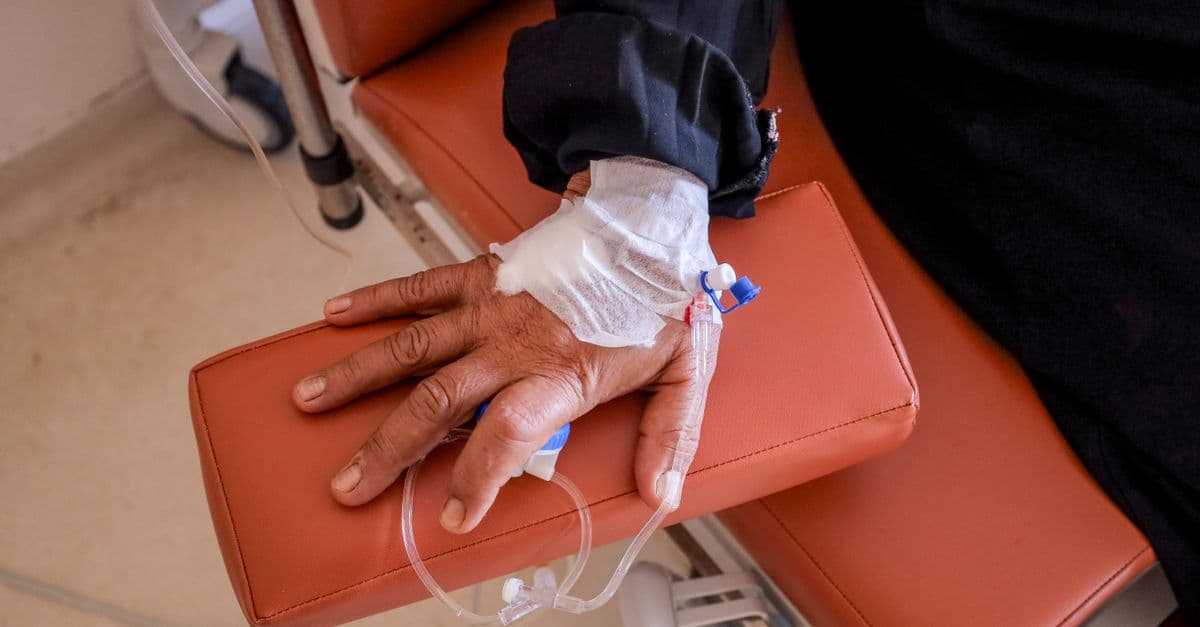
Photo: محمد عزام الشيخ يوسف / Pexels
Cancer is what happens when cells lose control of how they divide. Normally, every cell in your body follows strict rules — when to grow, when to stop, when to die. Cancer cells break those rules. They keep dividing, refuse to die, ignore neighbours, and eventually invade other tissues.
Educational content, not medical advice. Talk to your doctor before changing any medication, treatment, or routine. Information here reflects current research but every person's situation differs.
The disease isn't one thing — it's hundreds, depending on which cell type and which mutations are involved. But every cancer has the same fundamental story.
Key takeaways
- Cancer is caused by accumulated DNA mutations that disrupt normal cell-division controls.
- Risk factors include smoking, UV radiation, certain viruses, age, genetics, and lifestyle.
- About 30–50% of cancers are preventable through behavioural changes and screening.
- Treatments have transformed in the last decade: immunotherapy and targeted drugs now cure cancers that were once fatal.
- Cancer is more survivable than ever, but it's also more common as populations age.
Why cells normally behave
A cell in your body has clear instructions:
- Divide when needed (after injury, during growth).
- Stop when neighbours signal "enough."
- Die (apoptosis) when damaged or no longer needed.
These rules are encoded in your DNA. Specific genes — called proto-oncogenes, tumour suppressors, and DNA repair genes — keep cell division in check. When they work, you're fine.
How cancer starts
Cancer starts when a cell's DNA gets damaged in just the wrong places. Most damage is repaired or kills the cell. But some mutations:
- Activate oncogenes (genes that make cells divide more)
- Disable tumour suppressors (like BRCA1, BRCA2, p53)
- Knock out DNA repair systems
A single mutation usually isn't enough. Cancer typically requires 5–10 specific mutations to accumulate, which is why most cancers happen later in life. Each mutation makes the cell slightly more dysfunctional. Eventually a cell:
- Divides without permission.
- Ignores stop signals from neighbours.
- Refuses to die.
- Tells nearby blood vessels to feed it (angiogenesis).
- Loses anchor proteins and starts migrating (metastasis).
- Evades the immune system.
Hanahan and Weinberg's famous "Hallmarks of Cancer" paper formalised these shared traits.
What causes the mutations?
1. Random copying errors
Every time a cell divides, it copies 6 billion DNA letters. Even with proofreading, some errors slip through. Over a lifetime, mutations accumulate just from normal cell division. This is why age is the single biggest cancer risk factor.
2. Tobacco
Smoking causes ~22% of cancer deaths globally. Tobacco smoke contains over 70 known carcinogens that directly damage DNA in lung, throat, mouth, bladder, and pancreas cells.
3. UV radiation
UV rays from the sun damage DNA in skin cells, causing melanoma and other skin cancers. Sun exposure during childhood is a particularly strong risk factor.
4. Viruses
Roughly 10% of cancers are caused by viruses:
- HPV → cervical, throat, anal cancers (preventable with vaccination)
- Hepatitis B and C → liver cancer
- Epstein-Barr → lymphoma
- HIV → multiple cancers via immune suppression
- HTLV-1 → adult T-cell leukaemia
5. Chemical and radiation exposure
Asbestos, benzene, arsenic, ionising radiation, and dozens of other carcinogens are well-documented contributors.
6. Inherited mutations
About 5–10% of cancers are caused by mutations inherited from parents — most famously BRCA1/BRCA2 (breast/ovarian) and Lynch syndrome (colon).
7. Lifestyle
- Obesity links to 13 different cancers.
- Heavy alcohol consumption raises risk for breast, colon, liver, mouth, throat cancers.
- Processed meats are class 1 carcinogens (colon cancer).
- Lack of physical activity contributes.
Why cancer is hard to treat
A few reasons:
Cancer cells are your cells
They share most biology with healthy cells, so anything that kills them tends to harm normal tissue too — the basis of chemotherapy side effects.
Tumours evolve
A tumour isn't one cell type — it's a population of slightly different cells, each with different mutations. Treatments may kill 99% but leave behind resistant cells that regrow. This is why "remission" doesn't always mean "cure."
Metastasis
Once cancer spreads to distant organs, surgery and radiation can't reach all of it. Metastatic cancer is responsible for ~90% of cancer deaths.
Immune evasion
Cancer cells learn to "hide" from the immune system using tricks like PD-L1 — proteins that tell immune cells "I'm friendly, leave me alone." For how doctors respond to this, see immunotherapy and how doctors train the immune system to kill cancer.
How modern treatment has changed
The last 15 years have transformed cancer treatment:
1. Targeted therapy
Drugs like Imatinib (Gleevec) target specific mutations rather than dividing cells in general. For chronic myeloid leukaemia, Gleevec turned a fatal disease into a chronic, manageable one with near-normal life expectancy.
2. Immunotherapy
Checkpoint inhibitors like pembrolizumab and nivolumab block cancer's "I'm friendly" signal, letting the immune system attack tumours. Some advanced cancers — once nearly untreatable — now have long-term remission rates above 50%.
CAR-T cell therapy engineers a patient's own T-cells to recognise their cancer. It's curing some leukaemias and lymphomas that were universally fatal a decade ago.
3. Precision medicine
Tumours are now sequenced to identify their specific mutations, allowing doctors to choose treatments matched to each individual cancer's genetics rather than just the organ where it started.
4. Liquid biopsies
Detection from a blood draw — looking for cancer DNA shed into the bloodstream — is making earlier diagnosis possible without invasive procedures.
5. mRNA vaccines
Personalised cancer vaccines, using mRNA technology pioneered by COVID research, train immune systems to attack tumours specific to each patient. Early trials are showing remarkable results in melanoma and pancreatic cancer.
The role of inflammation in cancer
Chronic inflammation has emerged as a critical cofactor in cancer development. When tissues are persistently inflamed — from repeated infections, autoimmune disorders, or chronic irritants — they accumulate mutations at higher rates. Inflammatory cytokines like TNF-α and IL-6 can promote both cell proliferation and angiogenesis (the growth of new blood vessels that feed tumours).
Classic examples include inflammatory bowel disease (Crohn's and ulcerative colitis), which dramatically increase colorectal cancer risk, and chronic hepatitis B and C infections, which cause liver inflammation and ultimately hepatocellular carcinoma. This discovery has led to preventive strategies using anti-inflammatory drugs in high-risk patients and explains why aspirin, an anti-inflammatory, shows modest protective effects against several cancer types.
How the immune system normally controls cancer
Your body's immune system is constantly patrolling for cancerous cells and destroying them before they form tumours. T-cells and natural killer cells can recognise and eliminate damaged cells before they proliferate. This process, called immunosurveillance, explains why people with weakened immune systems (from HIV, transplant immunosuppression, or chemotherapy) face dramatically elevated cancer risk.
However, cancer cells evolve mechanisms to evade this surveillance. They downregulate proteins that alert immune cells ("don't eat me" signals), produce immunosuppressive molecules, and even recruit immune cells that protect rather than attack them. A tumour microenvironment of cancer-associated fibroblasts and immunosuppressive cells creates a protective barrier.
Cancer statistics and epidemiology
Globally, cancer is a leading cause of death and disability. The World Health Organization estimates roughly 20 million new cancer cases and 10 million cancer deaths annually as of 2026. The most common cancers worldwide are lung cancer, breast cancer, colorectal cancer, prostate cancer, and gastric cancer — with incidence varying by region based on local risk factors and screening practices.
In developed nations, incidence is rising due to aging populations and Western lifestyle factors (obesity, sedentary behaviour, alcohol). However, survival rates have improved substantially. Five-year overall survival for all cancers combined in the US has risen from 49% in 1975 to over 70% today, driven by earlier detection and better treatments.
Age-specific risk is non-linear: cancer is rare in children and young adults but rises exponentially with age. Someone who reaches age 100 has a cumulative lifetime risk exceeding 50%. This age dependency reflects the time required for multiple mutations to accumulate.
The mechanisms of immunotherapy
The breakthrough in immunotherapy came from understanding how cancer "switches off" immune attack. Cancer cells express PD-L1 (programmed death ligand 1), a protein that binds to PD-1 on T-cells, sending a "don't attack me" signal. Checkpoint inhibitors like pembrolizumab and nivolumab block this interaction, effectively removing the "off switch."
CAR-T cell therapy (chimeric antigen receptor T-cell therapy) takes this further. Doctors extract a patient's T-cells, genetically engineer them in the laboratory to express a synthetic receptor that recognises cancer-specific antigens, expand them to large numbers in culture, and infuse them back into the patient. These engineered T-cells then hunt and destroy every cell expressing the target antigen. For some blood cancers, remission rates exceed 80%.
Oncolytic virus therapy — using viruses engineered to infect and kill cancer cells while sparing healthy cells — is another frontier. These viruses can both directly lyse tumour cells and trigger anti-tumour immune responses.
Major cancer types and their origins
Cancer manifests differently depending on which cell type is affected and which mutations accumulate. Understanding the differences between cancer types helps explain why some respond to certain treatments while others don't. The most common cancers worldwide have distinct molecular origins and risk profiles.
| Cancer Type | Primary Site | Primary Risk Factor | Key Mutation(s) | 5-Year Survival |
|---|---|---|---|---|
| Lung cancer | Lungs | Smoking (85% of cases) | KRAS, TP53, EGFR | ~22% |
| Breast cancer | Breast tissue | Age, estrogen exposure | BRCA1/BRCA2, HER2 | ~91% |
| Colorectal cancer | Colon/rectum | Age, inflammatory bowel disease | APC, KRAS, TP53 | ~67% |
| Prostate cancer | Prostate | Age, family history | PTEN, TP53 | ~98% |
| Melanoma | Skin | UV radiation | BRAF, NRAS | ~93% |
| Pancreatic cancer | Pancreas | Smoking, chronic pancreatitis | KRAS, TP53, BRCA2 | ~12% |
| Liver cancer | Liver | Hepatitis B/C, cirrhosis | TP53, CTNNB1 | ~20% |
| Stomach cancer | Stomach | H. pylori infection, diet | TP53, CDH1 | ~32% |
Table: The eight most common cancers, their primary causes, and molecular drivers. Survival rates vary by stage at diagnosis and access to treatment.
Source: World Health Organization (2026) — Global cancer observatory; SEER Database, National Cancer Institute (2026).
Lung cancer alone accounts for roughly 13% of all cancers globally, with non-small-cell lung cancer (NSCLC) comprising 85% of cases. While smoking remains the dominant risk factor, never-smokers develop lung cancer too — especially in East Asia, suggesting genetic susceptibility and secondhand smoke exposure play roles. EGFR mutations, common in adenocarcinoma lung cancers, are now standard screening targets because erlotinib and gefitinib (EGFR inhibitors) can produce dramatic responses in mutation-positive cases.
Breast cancer affects roughly 2 million women annually and has seen the most dramatic improvements in survival due to hormone receptor testing, HER2 testing, and targeted therapies. Luminal A and Luminal B subtypes (estrogen-receptor-positive) respond to endocrine therapy like tamoxifen and aromatase inhibitors. HER2-positive cancers are now often cured with trastuzumab (Herceptin) combined with chemotherapy. Triple-negative breast cancers (negative for estrogen, progesterone, and HER2 receptors) are more aggressive but increasingly respond to immunotherapy.
Colorectal cancer is highly preventable through screening — colonoscopy can detect and remove precancerous polyps years before they become invasive. The adenoma-to-carcinoma sequence in colon cancer is well-understood: normal epithelium → small polyp (APC mutation) → larger polyp (KRAS mutation) → invasive carcinoma (TP53 loss) over 10–15 years. This long progression window is why screening programmes save lives.
Pancreatic cancer remains one of the deadliest cancers, with only 12% five-year survival, largely because it's typically diagnosed at advanced stages when the tumour has already metastasised.
Source: National Cancer Institute, SEER Cancer Statistics (2026) — Pancreatic cancer incidence and survival trends. Symptoms often don't appear until the cancer is large. BRCA2 mutations carry a 10-fold elevated lifetime risk; recent work with PARP inhibitors (drugs that exploit BRCA deficiency) has shown promise but the cancer's aggressive biology and early spread remain major challenges.
Liver cancer (hepatocellular carcinoma) is strongly linked to chronic hepatitis B and C infections and cirrhosis. Prevention through HBV vaccination in childhood and HCV treatment with direct-acting antivirals can avert most HCC cases. Screening high-risk patients with ultrasound and AFP (alpha-fetoprotein) blood tests can detect tumours at earlier stages when surgery is curative.
Prostate cancer is exceptionally common in older men but often indolent — many men die with prostate cancer rather than from it. This has led to debate over PSA screening and aggressive treatment. Androgen-deprivation therapy (blocking testosterone) is effective for early disease, while enzalutamide and abiraterone address hormone-resistant disease. Metastatic prostate cancer survival has improved substantially in the last decade.
Cancer stem cells and treatment resistance
A major reason cancers recur after treatment is the existence of cancer stem cells (CSCs) — a rare population of cancer cells with properties of normal stem cells: self-renewal, differentiation, and quiescence. While bulk chemotherapy and radiation kill rapidly dividing cells, quiescent stem cells may survive because they're not actively cycling. After treatment, these surviving stem cells can re-seed the tumour. This parallels the biology of normal stem cell regeneration, where tissue renewal depends on a small population of self-renewing cells, except cancer stem cells lack the normal growth constraints.
Cancer stem cells are characterised by high expression of stemness genes (like OCT4, SOX2, NANOG) and often live in protected "niches" within the tumour microenvironment. They maintain themselves through asymmetric division — each stem cell divides to produce one new stem cell and one differentiated cell. This property, combined with resistance to standard treatments, makes CSCs a major therapeutic target.
Researchers are exploring several strategies to target CSCs. Differentiation therapy aims to force CSCs to differentiate into non-stem progeny, removing the self-renewal property. Niche disruption targets the microenvironmental signals (like Wnt, Notch, or Hedgehog signalling) that protect CSCs. Stemness inhibitors directly block the genes (like OCT4 or SOX2) that maintain stemness. Early results are promising in combination with conventional therapies — attacking both the bulk tumour and the small population of stem cells.
The ratio of cancer stem cells to differentiated cancer cells varies by tumour type and influences prognosis. Leukaemias, which are driven by leukaemic stem cells, have benefited greatly from targeted and immunotherapeutic approaches that specifically target the stem cell compartment. Solid tumours with large CSC populations often show worse responses to chemotherapy and higher recurrence rates.
Genetic testing and prevention strategies
Understanding your genetic risk for cancer can guide prevention and screening decisions. Hereditary cancer syndromes account for 5–10% of cancers, and genetic testing can identify carriers of high-risk mutations.
BRCA1 and BRCA2 — the most well-known cancer genes — carry 40–80% lifetime risk of breast cancer and 10–40% risk of ovarian cancer. Women with BRCA mutations have several options: intensive screening (regular MRI and ultrasound), preventive surgery (prophylactic mastectomy or oophorectomy), or chemoprevention with tamoxifen. A 2025 study in Lancet Oncology found that prophylactic salpingo-oophorectomy in BRCA1/2 carriers reduced ovarian cancer risk by over 90%.
Source: Lancet Oncology (2025) — Prophylactic oophorectomy in BRCA1/2 carriers; National Cancer Institute (2026) — Hereditary cancer risk assessment guidelines.
Lynch syndrome — mutations in mismatch-repair genes (MLH1, MSH2, MSH6, PMS2) — confers 70% lifetime risk of colorectal cancer and elevated risk of stomach, ovarian, and endometrial cancers. Carriers benefit from annual colonoscopy starting at age 20–25, which can detect and remove polyps before they progress.
Familial adenomatous polyposis (FAP) — caused by APC mutations — leads to hundreds of colonic polyps by age 30 if left untreated. Prophylactic colectomy (surgical removal of the entire colon) is standard of care and is essentially curative.
TP53 mutations (Li-Fraumeni syndrome) confer risks across multiple cancer types — breast, sarcoma, adrenal cortex tumours, brain tumours, and leukaemia. Screening is challenging but often includes regular breast MRI, colonoscopy, and consideration of preventive measures.
Testing is now affordable and accessible via commercial labs. Current guidelines (from NCCN, ASCO, and others) recommend germline genetic testing for anyone with a personal history of cancer before age 50, metastatic cancer, multiple relatives with cancer, or certain cancer types (like pancreatic or gastric) regardless of family history.
For those without identified mutations, polygenic risk scores — computational models combining hundreds of common variants — are emerging. Early versions can stratify people into low, intermediate, and high-risk groups for breast cancer, prostate cancer, and colorectal cancer. Integration of polygenic scores with traditional risk factors may eventually personalise screening recommendations.
Combination therapies and emerging treatment frontiers
Modern cancer treatment increasingly relies on combination therapy — striking the tumour from multiple angles simultaneously. A single drug may have limited efficacy because cancer cells evolve resistance. Combining drugs with different mechanisms can overcome this resistance and improve outcomes.
Chemotherapy + targeted therapy is now standard for many cancers. For example, HER2-positive breast cancer is treated with trastuzumab (anti-HER2 antibody) plus chemotherapy (paclitaxel or docetaxel), producing remission rates far higher than chemotherapy alone.
Chemotherapy + immunotherapy is showing remarkable results. Pembrolizumab plus chemotherapy improves survival in non-small-cell lung cancer compared to either agent alone. The rationale: chemotherapy debulks the tumour and can enhance antigen release, priming immune cells; checkpoint inhibitors then unleash immune attack.
Targeted therapy + immunotherapy is another frontier. For example, BRAF-mutant melanomas respond to vemurafenib (BRAF inhibitor) but resistance emerges quickly; adding immunotherapy extends remission duration. Similarly, in EGFR-mutant lung cancers, combining EGFR inhibitors with checkpoint inhibitors prolongs progression-free survival.
Radiotherapy + immunotherapy is being studied intensively. Radiation damages cancer DNA and can expose antigens, triggering immune recognition. Early trials suggest combining stereotactic body radiotherapy (SBRT) with checkpoint inhibitors may improve outcomes in metastatic disease.
Bispecific antibodies — engineered proteins with two "arms" binding different targets — represent a new class emerging from immunology. BiTE (bispecific T-cell engager) antibodies can bind a cancer antigen on one end and CD3 (a T-cell marker) on the other, literally tethering T-cells to cancer cells for destruction. Blinatumomab (anti-CD19/CD3) has high remission rates in B-ALL; others are in trials.
Source: New England Journal of Medicine (2024–2025) — Bispecific antibody trials in haematologic and solid malignancies.
Gene therapy — delivering functional genes into cancer cells or immune cells — is moving from the laboratory into clinic. Beyond CAR-T cells, researchers are developing oncolytic adenoviruses carrying p53 (to restore tumour suppression), dendritic cell vaccines carrying patient-specific cancer mutations, and TCR (T-cell receptor) engineered therapies targeting patient-specific neoantigens. This complements emerging CRISPR gene-editing approaches that can correct mutations directly in cancer cells or immune cells ex vivo before reintroduction.
Artificial intelligence in drug discovery is accelerating the pace. AI models can predict which mutations confer drug resistance, personalise treatment selection, and identify novel drug combinations. This approach bridges the gap between genomic data and clinical action.
The future of cancer medicine
Cancer research is at an inflection point. For the first time, we have precision tools — genomic sequencing, immunotherapy, targeted agents, and AI — that can match treatment to individual tumour biology rather than treating all patients with a given cancer type identically.
The cancer genomics revolution means every tumour is now sequenced as standard of care in developed nations. This reveals not just the primary cancer's mutations but also how heterogeneous the tumour is — different cells within the same tumour may carry different driver mutations, explaining why some drugs work in some parts of the tumour but not others.
Liquid biopsies — detecting circulating tumour DNA (ctDNA) in blood — are shifting the paradigm from late diagnosis to early detection. Companies like GRAIL and Guardant are developing plasma tests that can detect circulating DNA from various cancers before symptoms appear. If validated in large screening trials, ctDNA screening could revolutionise cancer survival by catching tumours at stages where they're still localised and curative.
Source: Nature Cancer (2025) — Circulating tumour DNA for early cancer detection; ASCO (2026) — Liquid biopsy guidelines and clinical applications.
Checkpoint inhibitors have moved beyond melanoma and lung cancer into gastric cancer, colorectal cancer, head-and-neck cancer, and urothelial cancer with regulatory approvals in 2023–2026. Not all patients respond, but biomarkers like tumour mutational burden (TMB) and mismatch-repair deficiency are improving patient selection.
Tertiary lymphoid structures — immune cell clusters forming within tumours — are emerging as predictive biomarkers. Tumours with dense lymphoid infiltrates respond better to immunotherapy, and their presence predicts survival. Future studies may focus on inducing tertiary lymphoid structure formation to prime tumours for immune attack.
Neoadjuvant therapy (treatment before surgery) is increasingly standard, shrinking tumours preoperatively and eliminating micrometastases before they can establish. For certain cancers like breast, rectal, and gastric cancers, neoadjuvant immunotherapy or chemotherapy has improved long-term survival and allowed more conservative surgery (e.g., breast-conserving therapy instead of mastectomy).
The long-term vision is cancer prevention and early interception — detecting and treating precancerous lesions before they become invasive, and in some cases preventing cancer entirely through immunisation (like HPV vaccines) or chemoprevention (like tamoxifen in high-risk women or aspirin in select populations).
What you can actually do
About 30–50% of cancers are preventable. The big levers:
- Don't smoke. Single biggest controllable factor.
- Limit alcohol. No "safe" amount — risk scales with consumption.
- Maintain healthy weight. Obesity drives 13 cancer types.
- Get vaccinated for HPV and Hepatitis B.
- Use sun protection. SPF 30+, hats, shade — especially in childhood.
- Get screened. Colonoscopy from 45, mammography from 40–50, PSA discussion with doctor for men, Pap smears for women.
- Stay active. Regular exercise lowers risk for most cancers.
- Don't stress about food fads. Processed meat and heavy alcohol matter; "antioxidant" smoothies don't change much.
Frequently Asked Questions
Q: Do mobile phones cause cancer?
A: No. The evidence after 30+ years and dozens of large studies is essentially negative. Mobile phone radiation is non-ionising — it doesn't have enough energy to break DNA bonds. The IARC classification as "possibly carcinogenic" (Class 2B) is precautionary, not evidence of actual risk.
Q: Can cancer be inherited?
A: Some predispositions are inherited (BRCA, Lynch, Li-Fraumeni). Even with strong family history, lifestyle and environment still play a major role in whether inherited mutations trigger disease.
Q: Is sugar feeding cancer?
A: Cancer cells do use glucose for energy, but so do all your cells. Cutting sugar doesn't selectively starve cancer; ketogenic diets show research interest but aren't proven cures.
Q: Is cancer becoming more common?
A: Yes, mostly because populations live longer — age is the biggest risk factor. Age-adjusted rates for many cancers are stable or declining due to better prevention and detection.
Q: Why is immunotherapy not working for all cancers?
A: Some cancers are highly immunogenic (recognized by the immune system), while others hide effectively using genetic and microenvironmental tricks. The immunotherapy response depends on the cancer type, mutations, and individual patient factors.
Q: How close are we to a universal cancer cure?
A: A single universal cure is unlikely because cancer isn't one disease. The approach now is precision medicine — tailored treatments for specific cancer types and individual mutations, with immunotherapy and targeted drugs progressively conquering more cancer types.
Read next:
Follow new articles
Add SciHub101 to your feed reader to see new science and technology stories.
About the Author
SciHub101 is an independent science and technology publication founded and edited by Buğra Sözeri, a software engineer and app developer based in Türkiye. AI tools assist with drafting and research. Source documentation in the existing archive is uneven, and articles are being reviewed and corrected. The Editorial Team byline identifies editorial responsibility; it does not certify specialist or independent human review. Where we compare products, anything built by our own team is labelled as such — see the editorial guidelines and About page for how corrections and disclosures work.
Related Articles

The Vitamin D Paradox — Why It's So Important and So Misunderstood
Vitamin D clearly prevents rickets, yet large trials of extra vitamin D in healthy adults keep coming back flat. Here is how that paradox arises and what the evidence supports.

The Science of Focus — Attention in the Age of Distraction
Attention is not one ability but a set of brain systems with hard limits. Here is what neuroscience and psychology have actually measured about focus, interruptions, and training attention.
Immunotherapy: How Doctors Train the Immune System to Kill Cancer
How checkpoint inhibitors, CAR-T cells, and cancer vaccines turned the immune system into a cancer treatment — and why it only works for some patients
Epigenetics: How Your Environment Changes the Way Your DNA Is Read
Your DNA sequence is mostly fixed at birth. But which genes get turned on or off is a different story entirely.
Cancer Cell Behavior in Zero-G: How Microgravity Changes Tumor Growth
ISS experiments reveal that cancer cells behave differently in microgravity, sometimes becoming more aggressive but also more vulnerable—insights accelerating cancer research.

Countries with the Highest Cancer Rates (2025 Ranked)
Australia has the world's highest cancer incidence rate — 468 cases per 100,000 people. Denmark leads Europe. The US ranks 5th globally. High-income countries detect more cancer but survive it better. Cancer kills 10 million people annually — the world's second-leading cause of death.