Why Do Leaves Change Color? The Science of Autumn
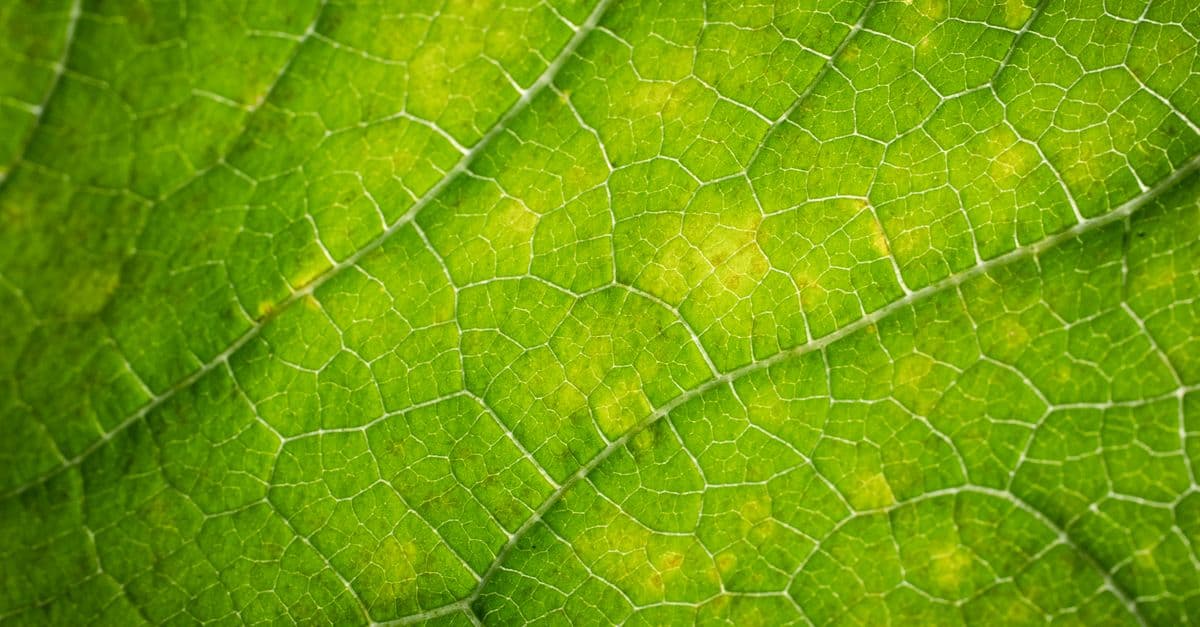
Photo: Mehul Patel / Pexels
Every autumn, billions of leaves shift from green to gold, crimson, and bronze, transforming entire forests into tapestries of color. Yet this spectacular display is not decorative—it is the visible consequence of a ruthless metabolic calculation. When daylight shortens and temperatures plummet, trees trigger senescence, a programmed shutdown of the leaf. In those final weeks of activity, chlorophyll vanishes, carotenoid pigments reveal themselves, and anthocyanins bloom in shades of red and purple. Finally, the tree seals the leaf at an abscission layer and drops it, severing its connection to conserve precious water and nutrients for winter. Understanding why leaves change color requires tracing this cascade from photosynthesis and pigment chemistry through the ecological clock that governs tree biology. What appears simple—a leaf turning red—is actually an intricate interplay of light, temperature, cellular signals, and evolutionary strategy.
The Reason Leaves Are Green: Chlorophyll and Photosynthesis
Chlorophyll — the green pigment in chloroplasts that absorbs light energy and drives photosynthesis, converting carbon dioxide and water into glucose and oxygen.
For most of the year, leaves appear uniformly green because chlorophyll is present in overwhelming abundance. Chlorophyll is not merely a color; it is the molecular engine of plant life. Its structure, centered around a magnesium ion nestled within a porphyrin ring, allows it to absorb photons in the blue and red regions of the light spectrum, while reflecting green wavelengths back to our eyes. This light absorption powers photosynthesis, the process by which trees harvest solar energy and convert it into chemical bonds—the glucose that fuels growth, respiration, and survival.
A single leaf contains millions of chloroplasts, each packed with stacks of thylakoid membranes where chlorophyll dwells. Chlorophyll concentration is so high that it drowns out all other pigments. Yellow xanthophyll molecules and orange carotene molecules are also present in the leaf, but they are outnumbered roughly ten-to-one by chlorophyll. The tree manufactures chlorophyll continuously throughout the growing season because leaves are factories: as long as there is sufficient daylight and warmth, the leaf justifies its metabolic cost by fixing carbon and feeding the plant.
Source: Taiz, L., et al. (2015), Plant Physiology and Development, Sinauer Associates — chlorophyll structure and abundance in leaves; light absorption and photosynthetic efficiency.
This calculus changes abruptly when autumn arrives. Shortening photoperiod and dropping temperatures signal to the tree that winter approaches and photosynthesis will soon become impossible. The tree does not maintain green machinery that cannot run. Instead, it initiates leaf senescence—a controlled shutdown in which chlorophyll synthesis halts and existing chlorophyll molecules are dismantled.
The Hidden Pigments: Carotenoids and Xanthophylls Revealed
Carotenoids — a family of fat-soluble pigments (including carotenes and xanthophylls) that absorb light in the blue region and appear yellow, orange, or red; present in leaves year-round but masked by chlorophyll until autumn.
The yellow and orange hues that burst through autumn landscapes are not new pigments. Carotenoids were manufactured throughout the growing season, present in every leaf since spring, yet rendered invisible by the overwhelming green of chlorophyll. They serve a protective function, dissipating excess light energy that would otherwise damage the photosynthetic machinery. In essence, they are a safety mechanism—a buffer against photoinhibition.
Two main classes of carotenoids exist. Carotenes (such as alpha-carotene and beta-carotene) are purely hydrocarbons, chains of carbon and hydrogen that reflect orange and yellow light. Xanthophylls are oxygenated carotenoids—carotenes with oxygen-containing functional groups attached—and they shift the color toward yellow. Both accumulate steadily in the leaf throughout summer, accumulating in the thylakoid membranes and chloroplast envelope.
When chlorophyll synthesis ceases in autumn, the tree does not immediately degrade chlorophyll. Instead, chlorophyll is salvaged. The plant breaks apart the chlorophyll molecule, harvesting the magnesium ion at its core (which is precious and will be relocated to other tissues) and catabolizing the porphyrin ring into smaller nitrogen-containing compounds that are transported back to the branch or root for storage or reuse. As chlorophyll vanishes, the carotenoids beneath it emerge like a landscape revealed by a receding fog. The leaf switches from absorbing solar energy to simply reflecting it—from a solar panel to a painted pane of glass.
Source: Matile, P., et al. (1999), Plant Cell and Environment, Journal article — chlorophyll degradation pathways and carotenoid persistence; xanthophyll and carotene composition.
The intensity of yellow or orange depends on the leaf's history. A leaf that was shaded most of the summer will have accumulated fewer carotenoids (because shade reduces the need for photoprotection). A leaf that was fully exposed to high summer sun will have packed in more carotenoids and will therefore display more vivid yellows and oranges. This is one reason why the south- and west-facing sides of a tree, and the outer crowns of the canopy, often turn color earlier and more brilliantly than the shaded interior.
The Red and Purple Pigments: Anthocyanins Are Made, Not Revealed
Unlike carotenoids, anthocyanins — water-soluble pigments that absorb light across the blue and red spectrum, appearing red, purple, or dark burgundy; synthesized de novo in leaves during senescence, not merely revealed from prior storage.
Here is where autumn reveals an astonishing twist. Red and purple leaves are not simply yellows and oranges seen through a filter. Red and purple hues are produced by anthocyanins, and here is the puzzle: anthocyanins are costly to manufacture. They require nitrogen, energy, and dedicated enzymatic machinery. Yet the tree synthesizes them abundantly in autumn, precisely when it is shutting down the leaf and preparing to abandon it.
The paradox has sparked decades of debate among plant ecologists. Why invest resources in a pigment for a dying organ? Several hypotheses compete. One prominent theory, the "photoprotection hypothesis," proposes that anthocyanins shield the leaf from photoinhibition during senescence. As chlorophyll degrades and the photosynthetic machinery shuts down, the leaf becomes vulnerable to light damage. Anthocyanins, which absorb photons in blue and red wavelengths, may reduce the light energy reaching the damaged chloroplasts, buying time for the tree to salvage nitrogen and other nutrients from the dying leaf before dropping it.
A second hypothesis, the "coevolution hypothesis," suggests that red leaves are honest signals to insects such as aphids. A red leaf signals a tree in active senescence, one that is withdrawing its defenses and hastening nutrient reabsorption. An aphid investing in colonizing a red leaf will struggle to feed its offspring before the leaf falls. Thus, red coloration may deter herbivores from wasting effort on leaves that will soon be gone. Supporting this idea, insects have been observed to avoid red leaves in favor of green ones.
A third hypothesis invokes "pathogen defense": anthocyanins have antimicrobial properties, and red coloration may shield the leaf from fungal or bacterial infection during the vulnerable senescence window when the protective waxy cuticle is breaking down and nutrient barriers are failing.
Source: Archetti, M., et al. (2009), Ecology Letters, Wiley — coevolution hypothesis; anthocyanin synthesis in senescence and signaling to herbivores.
Source: Schaberg, P.G., et al. (2008), Ecology, Ecological Society of America — photoprotection hypothesis; anthocyanins and light stress during senescence.
Anthocyanin color varies depending on pH and the specific molecular structure. In acidic vacuoles, the same anthocyanin molecule appears red; in less acidic conditions, it appears more purple or blue. This is why a single tree can produce leaves that are scarlet, crimson, burgundy, and plum, sometimes on the same branch.
Senescence: The Leaf's Programmed Shutdown
Senescence — a genetically controlled program of aging, maturation, and resource recycling in which the leaf stops growth, halts photosynthesis, and dismantles cellular machinery to reabsorb valuable nutrients before organ death and abscission.
The trigger for autumn's color change is not the cold itself, but the shortening of daylight. Trees measure photoperiod—the ratio of light to dark each day—with remarkable precision. As day length falls below a critical threshold (roughly 12 hours for many temperate tree species), the tree perceives autumn and initiates senescence in its leaves. Temperature also matters: warm, sunny autumn days slow senescence; frost or cold nights accelerate it.
Once senescence is triggered, senescence hormones, particularly ethylene and abscisic acid (ABA), rise to high concentrations in the leaf. These hormones reprogram the leaf's metabolism. Gene expression shifts dramatically. Genes encoding photosynthetic proteins are turned off; genes encoding catabolic enzymes are switched on. The leaf begins dismantling itself in an orderly fashion.
Chlorophyll is stripped from the thylakoids. The proteins that make up the photosystem complexes (PSII, PSI) are unfolded and broken down. Nitrogen-rich compounds are extracted and transported down the petiole (leaf stem) to branch or trunk, where they are stored for reuse in spring growth. Phosphorus and potassium are also recovered and relocated. The leaf is being harvested like a crop: its valuable elements are withdrawn, leaving behind only the carbon-based cell wall and indigestible cellulose.
This recycling process can recover 40 to 80 percent of a leaf's nitrogen and phosphorus, depending on the species and environmental conditions. For a tree, this reabsorption is a matter of survival. Nitrogen is the most limiting nutrient in soil for most forests, and conserving it between seasons is critical. A tree that cannot efficiently reabsorb nitrogen from its leaves will starve slowly and produce weak growth the following spring.
Source: Lim, P.O., et al. (2007), Annual Review of Plant Biology, Annual Reviews — senescence gene regulation, ethylene and ABA signaling, nutrient reabsorption rates.
The colors we see—yellows, reds, purples—are the visible markers of this internal harvesting. They are not decoration; they are a snapshot of ongoing chemistry.
Leaf Color Pigments: A Seasonal Table
| Pigment Class | Color | When Present | Primary Role |
|---|---|---|---|
| Chlorophyll (a and b) | Green | Spring–early fall; dominant all summer | Photosynthesis; light harvesting |
| Carotenes | Orange–yellow | Year-round; revealed in autumn after chlorophyll fades | Photoprotection in summer; visible in fall |
| Xanthophylls | Yellow–pale orange | Year-round; revealed in autumn after chlorophyll fades | Photoprotection in summer; visible in fall |
| Anthocyanins | Red–purple–burgundy | Synthesized de novo during senescence; peak in mid-to-late autumn | Photoprotection during shutdown; possible herbivore deterrent; antimicrobial defense |
The Abscission Layer: How Trees Drop Leaves
Abscission — the controlled separation and shedding of an organ (such as a leaf) from the plant, achieved by formation of an abscission layer (a zone of specialized, weak cells) at the base of the petiole that breaks under minimal force.
As senescence proceeds and resources are withdrawn, the tree faces a final decision: drop the leaf or hold on. Holding a leaf through winter costs energy (the tree must transport water and sugars to maintain the leaf cell wall) and risks desiccation (winter winds and snow can dislodge frozen leaves, and the tree cannot replace the water lost through the damaged leaf). Dropping the leaf is the rational choice.
To drop a leaf safely, the tree constructs an abscission layer, a specialized zone of cells located where the leaf stalk (petiole) joins the branch. In this zone, a hormone-triggered enzyme called cellulase weakens the cell wall adhesion between neighboring cells. Pectin, a carbohydrate polymer that glues cells together, is chemically cleaved. The middle lamella—the adhesive layer between cells—becomes fragile.
Simultaneously, a protective corky layer, called the abscission scar tissue, forms on the branch side of the abscission layer, sealing the branch against desiccation and infection. The leaf is now attached only by its vascular tissue—the xylem and phloem bundles that carry water and sap. A gust of wind or the weight of frost is enough to snap these final threads. The leaf falls.
Source: Roberts, J.A., et al. (2002), Journal of Experimental Botany, Oxford University Press — abscission layer formation, cellulase and pectin degradation, protective tissue development.
The timing of abscission varies by species and environment. Oaks often cling to their leaves through much of winter, even after they have turned brown and desiccated. Aspens and birches drop earlier. Deciduous trees in wet climates may hold leaves longer than those in dry regions. A warm, humid autumn can delay abscission; an early hard frost can hasten it.
Why Some Years Are More Vivid Than Others
Not every autumn is equally brilliant. Some years, the entire temperate forest blazes in scarlets and golds; other years, color is muted, appearing more brown than red. Variation depends on a constellation of weather and environmental factors.
Temperature and sunlight are paramount. Warm, sunny autumn days with cool (but not freezing) nights produce the most vivid colors. Warmth supports ongoing photosynthesis and nutrient mobilization; cool nights prevent anthocyanin breakdown and may promote additional anthocyanin synthesis. By contrast, a cloudy, warm autumn or an early hard freeze dampens color intensity. Clouds reduce the light available to drive anthocyanin synthesis and damage control; early freezes kill the leaf abruptly, halting the ordered senescence process before color can fully develop.
Water availability also matters. A drought in late summer depletes soil moisture and can trigger senescence earlier than normal, shortening the color display. Conversely, adequate autumn moisture supports continued nutrient reabsorption and allows senescence to unfold fully. In very wet autumns, however, fungal disease can obscure color beneath mold and rot.
Nitrogen and nutrient status influence anthocyanin production. Trees growing in nitrogen-rich soil often produce more anthocyanins (better resourced to invest in pigment synthesis), and they may display more red color. Trees under nutritional stress may show muted coloration.
Genetic variation among trees also plays a role. Some cultivars and species are simply genetically programmed to produce more anthocyanins or to retain color longer. The bright-red Japanese maples, for instance, are selected and cultivated because their genetics favor vigorous anthocyanin synthesis and vivid, stable red color.
Source: Archetti, M., & Brown, S.P. (2004), Proceedings of the Royal Society B, Royal Society — optimal color intensity; temperature and anthocyanin synthesis; genetic variation in pigment investment.
These factors also explain why the same species can vary dramatically in color from year to year and tree to tree. An unusually warm, sunny autumn in a region is prized by photographers and tourists; an early frost or drought is lamented as a "poor color year."
The Evolutionary and Ecological Case for Autumn Red
Why did the autumn color change mechanism evolve at all? The answer appears to lie in the efficiency of senescence and the costs of maintaining a leaf through winter.
Deciduousness itself—the strategy of dropping leaves seasonally—evolved as an adaptation to dormancy in cold climates. A tree that maintains leaves through winter must defend them against freeze damage, supply them with water in a frozen, unavailable soil, and protect them from desiccating winds. The metabolic cost is prohibitive, especially in regions where photosynthesis halts for months. By dropping leaves, the tree sheds a costly, vulnerable organ and enters a low-metabolism state that requires far less energy.
Within deciduousness, the senescence process—the careful recycling of nutrients—evolved to maximize resource conservation. A tree that could recover 50 percent more nitrogen from a falling leaf gained a competitive advantage over a tree that abandoned its leaves in a green, resource-rich state. Selection thus favored genotypes with elaborate senescence machinery, including pigment changes that mark the phase of active nutrient reabsorption.
The red coloration itself may have evolved as a signal. If the "coevolution hypothesis" (insects avoid red leaves) is correct, then red coloration represents an escalating arms race: trees evolved anthocyanin synthesis to warn herbivores, and insects evolved to avoid red leaves, creating a pressure for trees to synthesize even more anthocyanins, and so on. Alternatively, if photoprotection is the primary function, then vivid red coloration indicates a tree that is maximizing its defense against light damage during a vulnerable window—and red is simply the honest result of high anthocyanin concentration.
Source: Ennos, R.A., et al. (1999), Oecologia, Springer — evolutionary basis of deciduousness and senescence; nutrient reabsorption as selection driver.
Most likely, multiple selective pressures shaped the autumn color response. A mechanism that efficiently recycles nutrients, protects the leaf from light damage, and signals senescence status to herbivores would confer compounding advantages, and all three may have contributed to the elaboration of anthocyanin synthesis during senescence.
The Takeaway
Autumn leaf color is not a mystery but a precisely orchestrated sequence of biochemical events. Chlorophyll, the pigment powering photosynthesis all summer, is systematically dismantled and its nitrogen salvaged when daylight shortens and cold approaches. Carotenoid and xanthophyll pigments, present since spring but hidden beneath chlorophyll, emerge as yellows and oranges. Red and purple anthocyanins are synthesized anew, serving roles in photoprotection, herbivore deterrence, or antimicrobial defense. Finally, the tree constructs an abscission layer and seals off the leaf, severing its connection and allowing it to fall. This is not waste or decoration—it is ruthless resource management. The tree is literally harvesting the leaf, extracting its valuable elements, and returning to dormancy for winter. The colors we admire are the visible consequence of a metabolic calculation made by trees over millions of years.
Frequently Asked Questions
Q: Are the yellow and orange colors in autumn leaves the same in all trees?
A: Yellow and orange colors come from the same pigment families (carotenes and xanthophylls) in most deciduous trees, but their exact proportions and concentrations vary by species, leaf age, and growing conditions. Sugar maple leaves may appear more orange due to higher carotene levels, while birch leaves trend more golden-yellow due to higher xanthophyll concentrations. Environmental conditions, such as sunny versus shaded leaves on the same tree, also shift the balance. Additionally, some pigments fade or degrade differently depending on temperature and light exposure, so the precise shade of yellow or orange you see is a sum of genetic predisposition, pigment composition, and environmental factors.
Q: Why do some trees keep their brown leaves all winter while others drop them in fall?
A: Some deciduous trees, such as oaks and beech, exhibit "marcescence," a delayed abscission in which the tree forms an abscission layer but does not drop the leaf until spring, when new growth begins. This may occur because the abscission process is incomplete, because cold temperatures prevent the final separation, or because the tree has a genetic predisposition to hold brown leaves through winter. The advantage is debated: dead leaves may provide insulation for buds, reduce water loss through stored leaves, or serve as a mechanical deterrent to browsing herbivores. Conifers, such as pine and spruce, do not lose their needles seasonally; they retain them year-round using thickened waxy coatings and specialized antifreeze compounds that allow them to tolerate winter.
Q: Can I predict which fall will have the most vivid colors?
A: Vivid fall color typically requires a combination of warm, sunny September and early October days (to sustain photosynthesis and anthocyanin synthesis) followed by cool but frost-free nights (to halt anthocyanin breakdown). Early rainfall is beneficial, but too much cloud cover or an early hard freeze reduces color intensity. If you observe these conditions in your region—warm days, cool nights, adequate moisture, and persistent sunshine—expect brilliant color. By late September, you can often predict color intensity by checking regional weather forecasts and consulting historical data for your area; some universities and forestry services publish "fall color reports" based on phenology observations.
Q: Why are some plants red in autumn and others yellow, when they all have the same pigments?
A: All deciduous plants contain both carotenoids (yellow/orange) and anthocyanins (red/purple), but the relative amounts vary. A plant with high carotenoid concentration and low anthocyanin synthesis will appear yellow; one with high anthocyanin synthesis and moderate carotenoids will appear red. Genetic variation, photoperiod sensitivity, temperature, and light exposure during senescence all influence the balance. Additionally, the pH within leaf cells affects anthocyanin color: the same anthocyanin can appear more red in acidic vacuoles or more purple in neutral ones. Thus, the visible color is a weighted average of multiple pigment concentrations and their chemical environment.
Q: Do leaves actually "know" when to change color, or is it just a chemical response to cold?
A: Leaves respond to environmental signals—particularly day length and temperature—through hormonal cascades (ethylene, ABA, jasmonic acid) that are triggered by sensor proteins in the leaf cells. These proteins perceive light wavelength, light duration, and temperature, and they activate gene expression programs that initiate senescence. This is not consciousness but rather a sophisticated biological sensing and response system shaped by evolution. The "knowledge" is hardwired into the plant's genome: genes encoding day-length sensors, temperature sensors, and the hormones and enzymes of senescence are all present, and their activation is essentially automatic when conditions match the programmed thresholds.
Q: Can I make leaves change color faster by exposure to cold or other treatments?
A: Exposure to mild cold (near 0°C, not freezing) can accelerate anthocyanin synthesis and senescence in some species, but a hard freeze (below -5°C) will damage the leaf and halt the orderly senescence process, resulting in dull brown coloration rather than vivid red or yellow. Artificially increasing light exposure in autumn may enhance carotenoid and anthocyanin visibility but cannot substantially override the photoperiod and temperature signals that govern senescence timing. Nutrient addition or water management might slightly influence anthocyanin intensity, but these effects are minor. In essence, the color change timing is driven by day length and cannot be dramatically accelerated without damaging the leaf; the process is evolutionarily tuned to a specific schedule.
Read next:
Follow new articles
Add SciHub101 to your feed reader to see new science and technology stories.
About the Author
SciHub101 is an independent science and technology publication founded and edited by Buğra Sözeri, a software engineer and app developer based in Türkiye. AI tools assist with drafting and research. Source documentation in the existing archive is uneven, and articles are being reviewed and corrected. The Editorial Team byline identifies editorial responsibility; it does not certify specialist or independent human review. Where we compare products, anything built by our own team is labelled as such — see the editorial guidelines and About page for how corrections and disclosures work.
Related Articles

Why Do Onions Make Us Cry? The Science of Tear Gas
An intact onion does nothing to your eyes. But cutting one releases enzymes that act on sulfur compounds, triggering a chemical cascade that produces syn-propanethial-S-oxide — a volatile gas that irritates your cornea and forces your eyes to water. The science behind this everyday kitchen reaction reveals how plants weaponize chemistry as a defense mechanism.
How Do Fireflies Glow? The Science of Bioluminescence
Fireflies produce light through a chemical reaction called bioluminescence, where the protein luciferin is oxidized by the enzyme luciferase using oxygen and ATP to emit photons with nearly zero heat loss. The insect controls flash timing by regulating oxygen flow to its light organ, and each species produces a distinct flash pattern used for mating recognition. This same light-producing chemistry has become essential to modern biology, allowing researchers to track gene expression, detect ATP in tissue samples, and study cellular processes in real time.
How Photosynthesis Works — The Process That Feeds the Planet
Photosynthesis takes sunlight, water, and CO₂ and produces sugar and oxygen. It powers nearly every food chain on Earth — and it produced the air you're breathing right now.
What If Humans Could Photosynthesize? — Science Explained
What would actually happen if humans could photosynthesize like plants? The math is brutal: you'd need skin the area of a small room, you'd still need food, and you'd have to spend most of your life lying flat in direct sunlight.
The Chemistry of Photosynthesis — From Photons to Sugar
How photosynthesis works at the molecular level — the light reactions, Z-scheme, electron transport chain, Calvin cycle, and why quantum coherence may be involved.
What If Humans Could Photosynthesize Like Plants?
A photosynthesising human sounds like a way to escape grocery bills — but the math says even a perfectly solar-powered human couldn't survive on sunlight alone. Here's why.