bioluminescence
8 articles tagged with #bioluminescence

Biology & Health
How Do Fireflies Glow? The Science of Bioluminescence
Fireflies produce light through a chemical reaction called bioluminescence, where the protein luciferin is oxidized by the enzyme luciferase using oxygen and ATP to emit photons with nearly zero heat loss. The insect controls flash timing by regulating oxygen flow to its light organ, and each species produces a distinct flash pattern used for mating recognition. This same light-producing chemistry has become essential to modern biology, allowing researchers to track gene expression, detect ATP in tissue samples, and study cellular processes in real time.
Biology & Health
How Do Fireflies Produce Light: The Science of Bioluminescence
Fireflies generate light without heat through a chemical reaction that achieves 41% efficiency — nearly three times more efficient than an incandescent bulb — powered entirely by ATP and oxygen.
Science
Deep Ocean Mysteries: What We Still Don't Know About Earth's Last Frontier
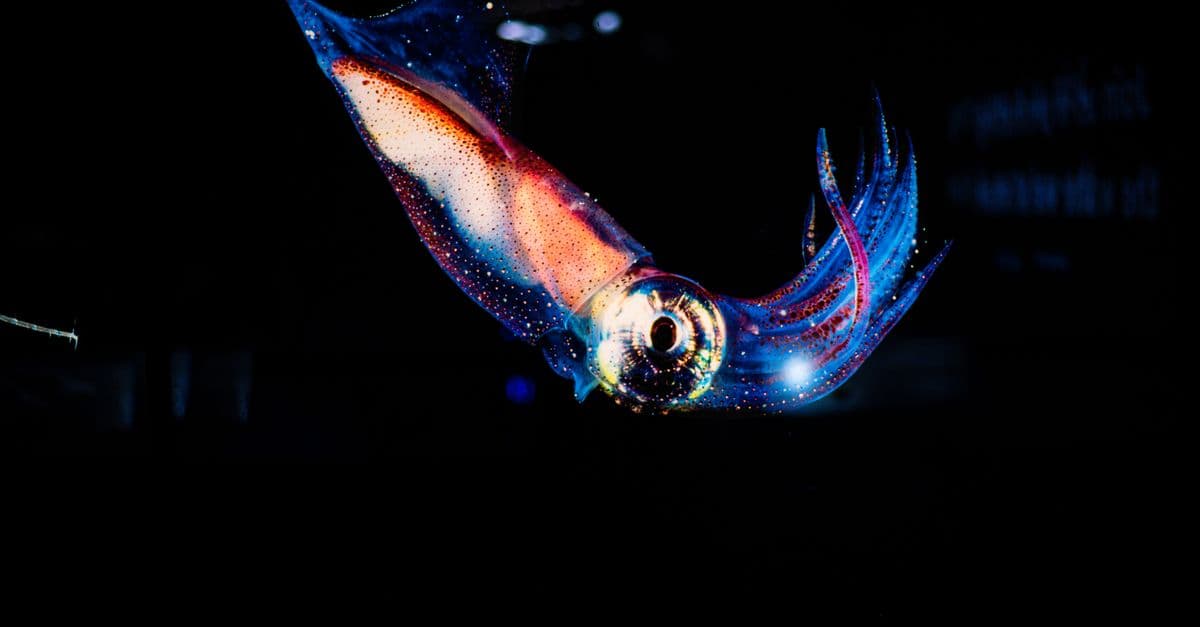
More than 80 percent of the ocean floor remains unmapped at high resolution. Below 6,000 meters lies the hadal zone — a world of crushing pressure, strange chemistry, and organisms that have never seen sunlight. Hydrothermal vents support entire ecosystems without photosynthesis. Bioluminescent creatures illuminate the midnight zone with cold blue fire. Scientists estimate we have catalogued fewer species from the deep sea than from the surface of Mars. The abyss is not empty. It is full of answers to questions we have barely learned to ask.
Animals
How Bioluminescence Works in Animals: The Chemistry of Living Light
More than 76% of deep-sea animals produce their own light. Fireflies flash in coordinated sequences. A jellyfish discovered off the coast of Friday Harbor, Washington, gave biologists a tool that transformed cell biology, earned three scientists a Nobel Prize, and now glows inside cancer cells in laboratories around the world. Bioluminescence — light produced by a living organism — is one of evolution's most useful accidents, and its chemistry is surprisingly simple.
Animals
The Deepest Sea Creatures Explained: Life at the Bottom of the Ocean
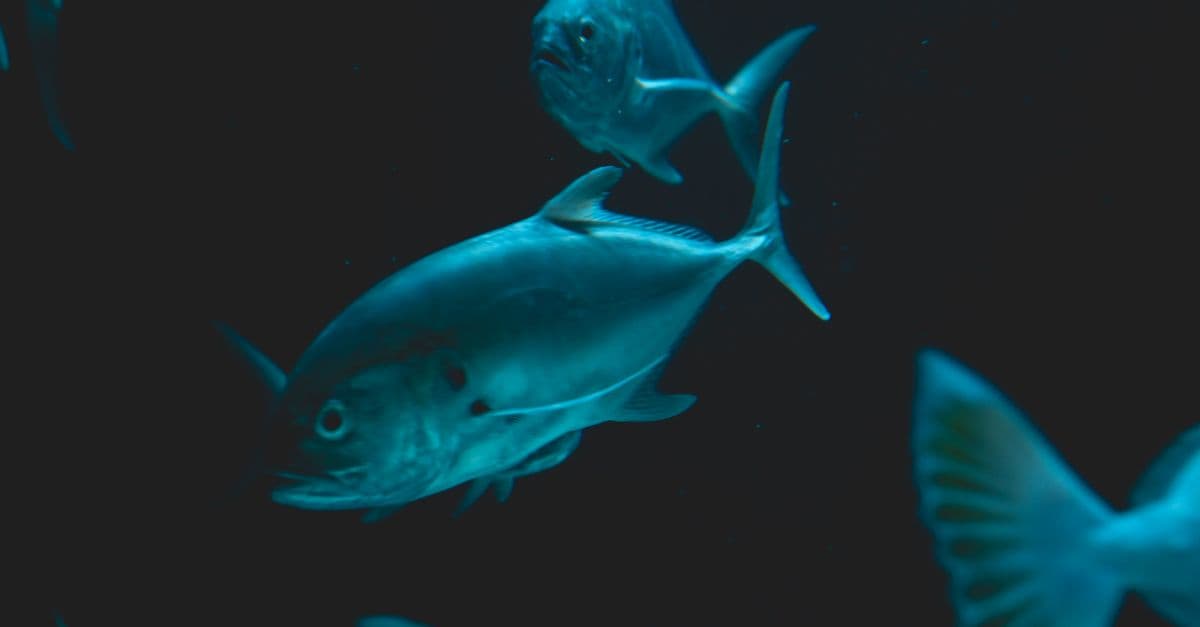
At 8,000 meters below the Pacific surface, pressure exceeds 800 atmospheres — enough to crush a submarine hull — and no sunlight has penetrated for geological eons. Yet animals live there, and not just survive: they thrive in communities as dense and diverse as any shallow reef. The hadal zone is where life tests what it can endure, and the answers have rewritten basic biology.
Biology & Health
Deep-Sea Creatures and Bioluminescence: Life in the Dark Ocean
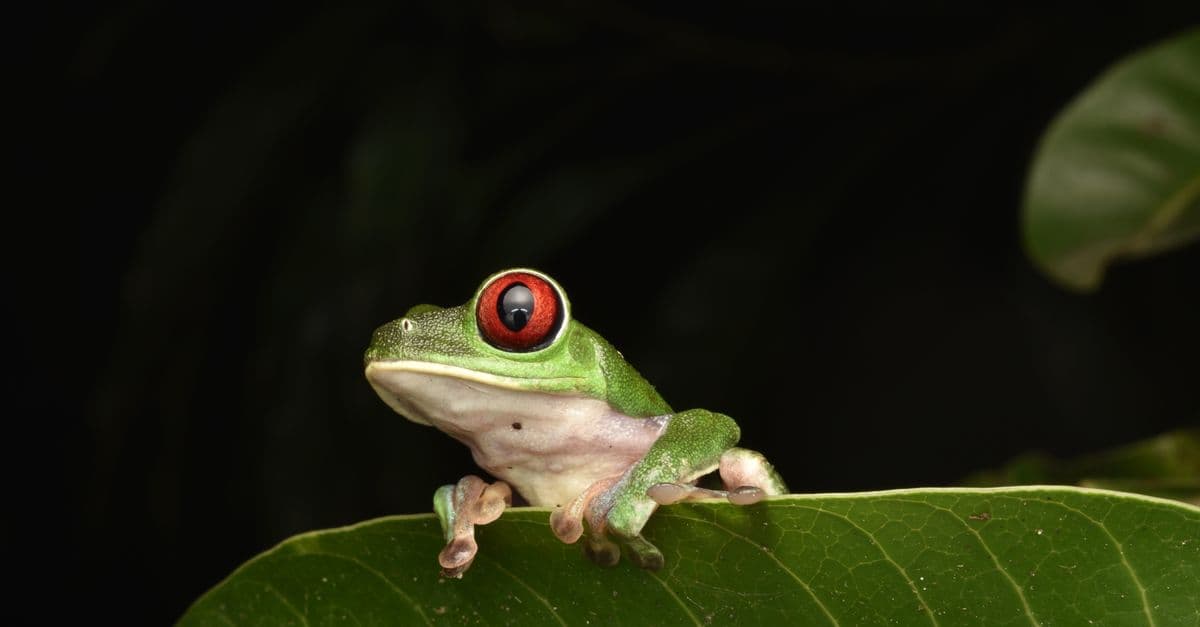
Below 200 meters, there is no sunlight — yet roughly 76% of deep-sea animals produce their own light. The deep ocean is full of living lanterns.