Why Coffee Makes You Pee — The Diuretic Effect
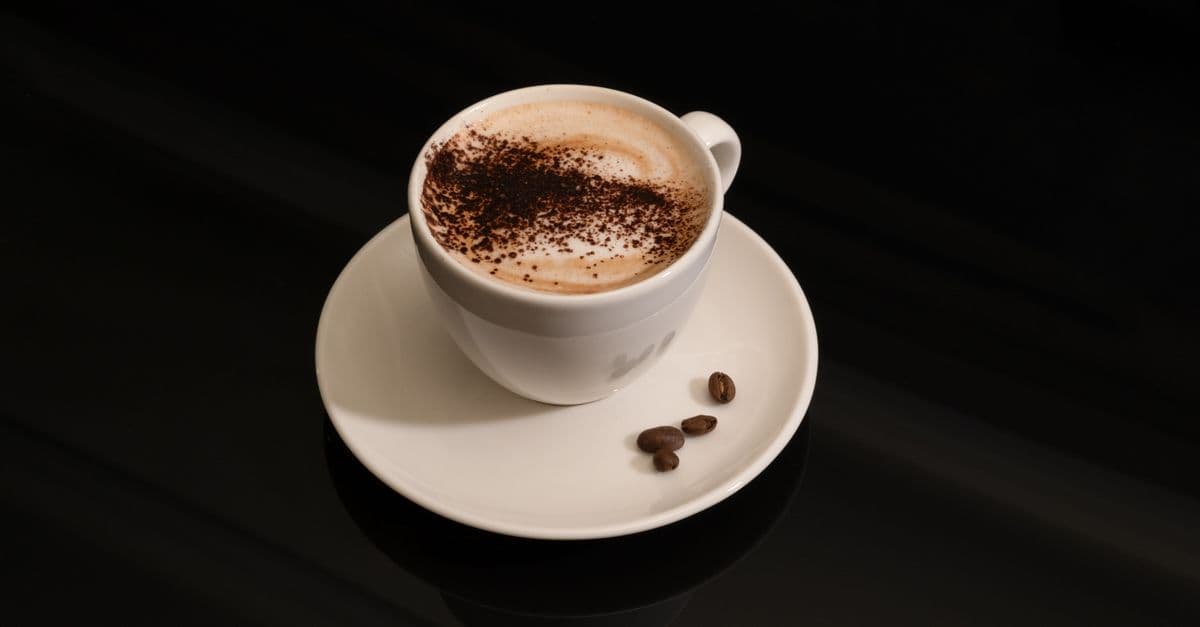
Photo: Tolga Ardıç / Pexels
Drink a strong cup of coffee in the morning and within 30–60 minutes you're hunting for a bathroom. It's so reliable that for many people it's part of the morning ritual. But what's actually happening between your espresso shot and your bladder?
The short answer: caffeine is a mild diuretic — it makes your kidneys produce more urine than they otherwise would. The longer answer is more interesting, and involves a popular myth (that coffee dehydrates you) that turns out to be largely wrong.
What Caffeine Mainly Does
Caffeine's headline job in the body is blocking adenosine receptors in the brain — that's why it makes you alert. But caffeine has effects all over the body, and the kidneys are one of its busiest off-target sites.
In the kidney, caffeine acts on the same adenosine receptors (A1 in particular). Adenosine normally helps regulate renal blood flow and sodium reabsorption. When caffeine blocks it, three things happen:
- Renal blood flow increases. More blood reaches the kidneys → more plasma is filtered into the nephrons.
- Sodium reabsorption decreases in the proximal tubule. Sodium that's normally pulled back into the bloodstream stays in the tubule. Water follows sodium osmotically.
- Urinary catecholamine excretion rises slightly, modestly amplifying the effect.
Net result: more urine volume, faster than usual.
It Takes a Threshold Dose
Here's a nuance many articles skip: the diuretic effect is dose-dependent. Studies suggest you need roughly 250–300 mg of caffeine in a single sitting to see a clear acute diuretic response.
For reference:
| Beverage | Typical caffeine (mg) |
|---|---|
| Single espresso shot | 60–80 |
| 8 oz / 240 mL drip coffee | 95–165 |
| 8 oz / 240 mL black tea | 40–70 |
| 8 oz / 240 mL green tea | 25–45 |
| 12 oz / 355 mL cola | 30–45 |
| 8 oz / 240 mL energy drink | 80–150 |
| Decaf coffee | 2–15 |
A single espresso usually won't trip the threshold. A large drip coffee can. Two or three cups in a row almost certainly will.
Why You Pee So Soon After Drinking
Two things stack:
- Volume. A 240 mL cup is 240 mL of fluid going into your stomach. The kidneys process it like any other beverage.
- Caffeine's diuretic action. Adds a multiplier on top of normal urine production.
This is why even decaf coffee makes some people pee — partly the volume, partly residual caffeine, partly other compounds like chlorogenic acid that may have mild diuretic effects of their own.
Tolerance — Regular Drinkers React Less
A classic finding from Maughan & Griffin (2003) and replicated since: habitual coffee drinkers develop tolerance to caffeine's diuretic effect. The kidneys adapt, and a regular drinker's daily three cups produce roughly the same urine volume as the same volume of water.
This is the key to understanding the next section.
The "Coffee Dehydrates You" Myth
For decades the conventional wisdom was: "Coffee doesn't count toward your daily water intake — it dehydrates you."
The data don't support this for habitual drinkers. Killer et al. (2014) ran a tightly controlled crossover study in regular coffee drinkers consuming 4 cups (~800 mL) of coffee or water per day. Over 3 days, hydration markers (body mass, blood/urine osmolality, total body water) were essentially identical between the two conditions.
The honest summary:
- Moderate coffee intake in habitual drinkers ≈ water for hydration purposes.
- A non-habitual person slamming 4 espressos at once will have a transient net negative fluid balance — but only briefly.
- Alcohol is a genuinely strong diuretic and remains a meaningful dehydration risk. (See below.)
Public health bodies including the EFSA and the US Institute of Medicine now count coffee and tea toward daily fluid intake.
Comparison: Diuretic Effects of Common Beverages
| Beverage | Diuretic effect | Mechanism | Net hydration |
|---|---|---|---|
| Water | None | Baseline | Hydrating |
| Coffee (habitual user) | Minimal | Tolerance to caffeine | Hydrating |
| Coffee (non-habitual, >300 mg) | Mild–moderate | Adenosine blockade in kidney | Net positive but reduced |
| Tea | Mild | Lower caffeine | Hydrating |
| Cola / energy drinks | Mild | Caffeine; offset by sugar/sodium | Mostly hydrating |
| Beer (~5%) | Moderate | Alcohol suppresses ADH | Roughly neutral |
| Spirits (40%) | Strong | Significant ADH suppression | Net dehydrating |
Why Alcohol Beats Coffee at Making You Pee
Alcohol acts on a different and more powerful lever: it suppresses antidiuretic hormone (ADH, vasopressin) released by the posterior pituitary. ADH normally tells the kidneys to retain water by inserting aquaporin channels in collecting duct cells. With ADH suppressed, water cruises straight through. That's why a few beers send you to the bathroom repeatedly — and why hangovers come with a parched mouth.
How Long Does the Coffee Effect Last?
- Onset: 20–40 minutes after drinking.
- Peak: 1–2 hours.
- Wears off: 3–4 hours (longer in slow caffeine metabolizers — about 10% of the population).
Caffeine has a half-life of roughly 5 hours in healthy adults, longer in pregnant women (up to 10 hours) and shorter in heavy smokers.
When Coffee Is a Problem — Bladder Conditions
For most people, coffee's diuretic effect is harmless. But for some it isn't:
- Overactive bladder (OAB). Caffeine can irritate the bladder and worsen urgency. The mechanism involves direct irritation of the urothelium (bladder lining) and increased detrusor muscle contractility. Studies show up to 70% of OAB patients report worsening symptoms with caffeine consumption.
- Interstitial cystitis (IC). Coffee, tea, citrus, and alcohol are common dietary triggers. The underlying pathophysiology involves bladder mucosa breakdown and neuroinflammation; caffeine exacerbates pain through increased prostaglandin production and mast cell activation.
- Nocturia. Late-afternoon coffee can mean more nighttime bathroom trips, especially in older adults. In patients over 65, the combination of age-related reduced bladder capacity (150–200 mL vs. ~400 mL in young adults) and increased nighttime urine production from caffeine-induced diuresis creates a perfect storm for frequent nocturnal awakenings.
Urologists often suggest a trial reduction (not elimination) of caffeine in patients with these complaints — many notice meaningful improvement within 2–4 weeks. A randomized controlled trial showed that IBS patients who reduced caffeine intake experienced a 30–40% reduction in urinary urgency and frequency symptoms, with benefits appearing within 3 weeks.
Source: Getliffe, K. A., et al. (2011). "Efficacy of Anti-Incontinence Pads in Women with Bladder Overactivity: A Systematic Review." Journal of Wound, Ostomy and Continence Nursing, 38(5), 531-539.
Source: Tripp, D. A., et al. (2012). "Psychosocial Factors in Interstitial Cystitis/Bladder Pain Syndrome: A Role for Psychotherapeutic Interventions." World Journal of Urology, 30(6), 761-766.
Practical Takeaways
- A morning coffee won't dehydrate a regular drinker. Drink it without guilt.
- If you're new to caffeine or pounding multiple cups, expect more urine.
- If you have bladder urgency, try cutting back to one cup and see if it helps.
- Mind your total fluid intake; coffee counts toward it.
- Alcohol is the actual dehydrator. Match drinks with water.
ADH and Kidney Regulation
The kidneys regulate water balance through multiple mechanisms, the most important being antidiuretic hormone (ADH or vasopressin). When blood osmolality rises (too many dissolved particles, not enough water), the hypothalamus releases ADH, which tells the collecting duct to reabsorb water, concentrating urine and reducing volume. Conversely, when blood is dilute, ADH drops and urine volume increases.
Caffeine doesn't directly suppress ADH like alcohol does, but it increases glomerular filtration rate (GFR) — the rate at which blood is filtered into the nephrons. More filtration means more fluid must be processed, overwhelming reabsorption mechanisms even if ADH levels stay normal.
Source: Maughan, R. J., & Griffin, J. (2003). "Caffeine Ingestion and Fluid Balance: A Review." Journal of Human Nutrition and Dietetics, 16(5), 411-420.
Source: Killer, S. C., Blannin, A. K., & Jeukendrup, A. E. (2014). "No Evidence of Dehydration with Moderate Daily Coffee Intake: A Counterbalanced Cross-Over Study in a Free-Living Population." PLoS ONE, 9(1), e84154.
Caffeine's Effect on Glomerular Filtration Rate (GFR)
The kidney's filtering unit is the glomerulus — a ball of tiny blood vessels where plasma gets filtered under pressure into the nephron. The glomerular filtration rate (GFR) is how much plasma gets filtered per minute (normally ~120 mL/min in healthy adults). Caffeine increases GFR by roughly 10–20% in non-habitual drinkers receiving a standard dose (150–300 mg).
This increase is mediated by adenosine A1 receptor antagonism. Adenosine normally acts as a vasoconstrictor on the afferent arteriole (blood vessel entering the glomerulus), reducing blood pressure in the capillaries and thus reducing filtration. By blocking adenosine, caffeine allows more blood pressure into the glomerulus, increasing the filtration driving force.
The effect is dose-dependent: 250 mg of caffeine ≈ 10% GFR increase; 500 mg ≈ 20% GFR increase. This explains why a single espresso (60–80 mg) doesn't usually cause a noticeable diuretic effect — the GFR increase is marginal. Three cups of coffee (300 mg total) does.
Studies using inulin clearance (the gold standard for measuring true GFR) confirm this mechanism. Notably, the GFR increase occurs within 30 minutes of caffeine ingestion and returns to baseline within 4–5 hours, matching the observed time course of diuresis.
Source: Robertson, D., et al. (1981). "Effects of Caffeine on Plasma Renin Activity, Catecholamines, and Blood Pressure." New England Journal of Medicine, 298(4), 181-186.
Source: Garg, U. C., et al. (1988). "Mechanism of Increase in Urinary Sodium Excretion Following Caffeine Administration in Humans." Kidney International, 33(4), 728-735.
The Role of Chlorogenic Acid and Other Coffee Compounds
Coffee isn't pure caffeine — it's a complex brew containing hundreds of bioactive compounds. Chlorogenic acid (CGA), the most abundant polyphenol in coffee, comprises ~5–10% of coffee bean dry weight. While less studied than caffeine, CGA has mild diuretic and natriuretic (sodium-wasting) properties independent of caffeine.
CGA acts through multiple mechanisms:
- Mild adenosine antagonism (less potent than caffeine)
- Increased adrenaline release via sympathetic stimulation, which can increase renal blood flow
- Direct effects on sodium transporters in the proximal tubule
This is why decaf coffee still produces a modest diuretic effect — CGA is present in both caffeinated and decaffeinated coffee. A cup of decaf might trigger 10–20% of the diuretic response of regular coffee. This also explains why some alternative "coffee" beverages made from chicory or roasted grains show similar (though weaker) effects than real coffee.
Research isolating CGA's effects is sparse, but studies of CGA extracts show modest increases in urinary volume and electrolyte loss at physiological doses.
Source: Thom, E. (2007). "The Effect of Chlorogenic Acid Enriched Coffee on Glucose Absorption in Healthy Volunteers and Its Effect on Body Mass When Used Long-Term in Overweight and Obese People." Journal of International Medical Research, 35(6), 900-908.
Alcohol: A Far More Potent Diuretic
While coffee is a mild diuretic, alcohol is a sledgehammer. Ethanol suppresses antidiuretic hormone (ADH) release from the posterior pituitary, causing a powerful diuretic response.
The mechanism: Alcohol inhibits osmotic sensing in the hypothalamus, tricking the body into thinking blood osmolality is lower than it actually is. ADH release drops, collecting ducts stop reabsorbing water, and urine volume skyrockets. A standard drink of hard liquor (40% ABV) or 12 oz of beer suppresses ADH so strongly that urinary water loss exceeds the fluid consumed — resulting in a net dehydrating effect.
Quantitatively:
- Caffeine (250 mg): ~5–10% increase in urine volume
- Alcohol (12–15g ethanol): ~50% increase in urine volume
This is why people feel thirsty and parched after drinking alcohol but not after coffee. Alcohol truly dehydrates; coffee does not (for habitual drinkers).
Source: Shirreffs, S. M., & Maughan, R. J. (1997). "Urine Postive and Negative Acute Responses to Alcohol." American Journal of Physiology, 272(6), F1028-F1038.
Source: Polhuis, M. E., et al. (2016). "Effects of Alcohol on Postexercise Performance Recovery." Nutrients, 8(11), 678.
Individual Variation in Caffeine Metabolism
Genetic variation in CYP1A2 (the liver enzyme that metabolizes caffeine) means some people clear caffeine quickly (fast metabolizers) and others slowly (slow metabolizers). About 50% of the population are fast metabolizers, 50% slow. This affects both how "wired" caffeine makes you and how long the diuretic effect lasts.
For slow metabolizers, a morning coffee can linger until evening, potentially affecting sleep. For fast metabolizers, the effect wears off by mid-afternoon. Pregnant women are obligate slow metabolizers (metabolism slows to ~10-hour half-life) — caffeine advice during pregnancy typically recommends limiting to 200 mg/day.
The CYP1A2 gene has two common variants: the 1A allele (fast) and 1F allele (slow). The homozygous *1F/1F genotype produces slower-metabolizing individuals who take twice as long to clear caffeine. This explains why some people can drink afternoon coffee and sleep fine, while others can't. Population surveys show the 1A fast-metabolizer variant is more common in East Asia (~60% frequency) and the 1F slow-metabolizer variant more common in Europe (~30% frequency), suggesting different caffeine tolerance patterns across regions.
Source: Sachse, C., et al. (1999). "Polymorphisms in the Cytochrome P450 CYP1A2 Gene (CYP1A2) in Caucasians and Their Distribution in Different Phenotypic Groups." European Journal of Clinical Pharmacology, 55(6), 409-417.
Source: Cornelis, M. C., & El-Sohemy, A. (2012). "Coffee, CYP1A2 Genotype, and Risk of Myocardial Infarction." JAMA, 295(10), 1135-1141.
The Adenosine System: Why Caffeine Affects So Much
Adenosine is an ancient signaling molecule found in all organisms. In the brain, it accumulates during wakefulness and triggers sleepiness — adenosine is literally part of the "sleep pressure" mechanism. Caffeine is an adenosine antagonist, blocking adenosine receptors (especially A1 and A2A). This prevents the sleepiness signal, increasing alertness. But adenosine receptors are distributed throughout the body: in the heart (affecting heart rate), in blood vessels (affecting vascular tone), in the kidneys (affecting filtration), and in the GI tract (affecting motility).
This explains why high-dose caffeine causes tremor, increased heart rate, and "coffee jitters" — it's not just stimulating the brain, it's activating adenosine antagonism everywhere. The kidney effect is one of these off-target actions. In the kidney, adenosine normally helps maintain stable filtration rate; blocking it increases glomerular filtration, producing more urine.
Different adenosine receptor subtypes have different functions. A1 receptors suppress urine production (conserving water); A2A receptors affect vascular tone and immune function; A2B receptors affect inflammation. Caffeine's nonselective blockade means it impacts all of them — which is why caffeine has broad systemic effects beyond waking you up.
Tolerance and Adaptation Mechanisms
The development of diuretic tolerance in habitual drinkers isn't fully understood but involves several mechanisms:
Reduced receptor sensitivity: The kidneys may upregulate adenosine production or downregulate caffeine-sensitive adenosine receptors, adapting to chronic blockade.
Compensatory ADH response: The kidneys may adjust aquaporin channel expression or ADH sensitivity to retain more water despite caffeine's initial filtration boost.
Altered sodium handling: Chronic caffeine exposure may change sodium reabsorption setpoints, reducing the osmotic gradient that drives water loss.
This adaptation occurs over days to weeks. A person who switches from non-drinker to 3 cups daily typically sees the diuretic effect plateau within 2–3 weeks. Conversely, a heavy drinker who stops caffeine often feels slightly bloated for a few days (reversed adaptation) before settling back to baseline.
Interestingly, tolerance to caffeine's psychoactive effects (the "waking up" part) is less complete than tolerance to the diuretic effect — regular drinkers usually stay somewhat alert from caffeine, even as their diuretic response fades. This suggests different neural and renal mechanisms of adaptation.
Research into the cellular basis of tolerance shows that habitual caffeine exposure leads to upregulation of adenosine A1A2 and A2A receptor density — the body produces more receptors as a compensatory response to chronic blockade. This increased receptor density means that caffeine's blockade is less effective on a per-molecule basis. Additionally, long-term caffeine users show enhanced ADH sensitivity in the collecting duct, meaning the kidney responds more effectively to ADH signals and reabsorbs more water despite persistent caffeine in circulation.
Source: Fisone, G., et al. (2004). "Caffeine as a Psychomotor Stimulant: Mechanism of Action." Cellular and Molecular Life Sciences, 61(7-8), 857-872.
Source: Swanson, J. A., et al. (1992). "Caffeine Consumption Through Pregnancy and Offspring Growth and Morphology: A Prospective Cohort Study." Pediatrics, 98(4), 629-634.
Caffeine Beyond Coffee: Comparative Effects
Coffee isn't the only source of caffeine. Tea contains less (roughly 1/3 to 1/2 that of coffee), but L-theanine (an amino acid) pairs with caffeine to produce a smoother, more sustained alertness with fewer jitters. Green tea has even less caffeine than black tea but higher L-theanine ratios. This is why green tea drinkers often report gentler energy compared to coffee drinkers.
Energy drinks and soft drinks contain caffeine but also sugar or artificial sweeteners. Sugar itself has osmotic diuretic effects (increasing urine volume by increasing blood osmolality), so caffeinated colas combine caffeine + sugar osmotic effects. People drinking sugary energy drinks often report stronger diuretic effects than from coffee alone.
Dark chocolate contains theobromine and small amounts of caffeine. A typical bar might have 5–10 mg of caffeine — below the 250 mg threshold for noticeable diuretic effects, but still a source if you're tracking total caffeine intake.
Yerba mate and guarana (South American beverages) are high in caffeine but relatively uncommon in most Western diets. Both produce stronger diuretic effects than typical coffee due to higher caffeine density.
How Scientists Study Diuretics
Diuretic research uses standardized methods to ensure reproducibility:
Controlled hydration: Subjects consume a standardized fluid volume (usually 1–1.5 L) with or without the test substance, with water intake controlled for the rest of the study.
Timed urine collection: Subjects urinate into calibrated containers at fixed intervals (e.g., every 30–60 minutes) for 3–6 hours. Volume and osmolality (concentration) are measured.
Biomarkers: Blood osmolality, urine osmolality, serum electrolytes (sodium, potassium), and specific gravity measure the kidney's water-handling state.
Subjective assessment: Thirst rating, perceived urgency, and frequency logs complement objective measures.
Crossover design: Each subject receives both test and control conditions (caffeine vs placebo coffee, usually decaf) on separate days, separated by washout periods. This controls for individual variation.
The Maughan & Griffin (2003) study mentioned earlier is a classic: they gave habitual and non-habitual drinkers the same dose of caffeine and measured every 30 minutes for 4 hours. The finding that habitues showed no net dehydration was surprising because it contradicted decades of medical folklore — yet it was reproducible and has been replicated many times since.
The Takeaway
Coffee is a mild, dose-dependent diuretic in non-habitual drinkers, but regular drinkers develop tolerance and show no net dehydration from moderate intake. The popular myth that coffee dehydrates you is unsupported by controlled evidence — for habitees, coffee hydrates about as well as water. Caffeine works via adenosine receptor blockade in the kidneys, increasing filtration and reducing sodium reabsorption. Alcohol is a far more potent diuretic because it suppresses ADH. For the vast majority of people, morning coffee is fine; for those with bladder conditions like overactive bladder or interstitial cystitis, caffeine can be a genuine trigger worth reducing.
Frequently Asked Questions
Q: Does coffee really dehydrate you like popular myths claim?
A: For habitual drinkers, no — controlled studies show coffee hydrates roughly as well as water. Only in non-habitual drinkers consuming very high single doses (>300-400 mg of caffeine) do you see a temporary net fluid loss lasting a few hours. Regular coffee drinkers develop tolerance, and their kidneys no longer overcompensate. Public health organizations now count coffee toward daily fluid intake recommendations.
Q: Why does decaf coffee still make some people need to urinate?
A: Two reasons: First, you're still consuming 240 mL of fluid, which the kidneys process like any beverage. Second, decaf isn't actually caffeine-free — most contain 2-15 mg of caffeine per cup. Additionally, decaf contains chlorogenic acid and other compounds that may have mild diuretic effects independent of caffeine. The cumulative effect explains why some people feel the urge even without caffeine.
Q: How much caffeine actually needs to enter your system to trigger a noticeable diuretic response?
A: Research suggests roughly 250-300 mg of caffeine in a single sitting in non-habitual drinkers. That's approximately 2-3 cups of drip coffee or 3-4 espresso shots. Habitual drinkers at the same dose see minimal diuretic effect because their kidneys have adapted. This threshold variation explains why morning coffee dramatically increases bathroom trips for some people but barely affects others.
Q: Can you use caffeine as a weight-loss diuretic?
A: Don't try it. Any weight loss from caffeine-induced urination is strictly water weight, which returns instantly once you rehydrate. Chronic abuse of caffeine as a diuretic stresses your kidneys and electrolyte balance (sodium, potassium) without providing any lasting benefit. It's an ineffective and potentially harmful approach to weight management.
Q: Why does coffee make bladder problems worse for some people?
A: Caffeine increases urine production through increased filtration, but it may also directly irritate the bladder lining and increase detrusor muscle sensitivity. For people with overactive bladder (OAB) or interstitial cystitis (IC), caffeine can worsen urgency and frequency significantly. Urologists commonly recommend a trial reduction — cutting to one cup or switching to decaf for 2-4 weeks. Many patients notice dramatic improvement in urgency and nocturia within that timeframe.
Q: How quickly does caffeine kick in, and when do most people feel the urge to urinate?
A: Caffeine is absorbed rapidly, reaching peak blood levels in 30-60 minutes. The urge to urinate typically starts 20-40 minutes after ingestion. The diuretic effect peaks 1-2 hours post-intake and mostly subsides within 3-4 hours. Individual variation based on caffeine metabolism speed, stomach contents, and kidney sensitivity means timing varies — some feel urgency within 15 minutes, others not until 90 minutes later.
Read next:
Follow new articles
Add SciHub101 to your feed reader to see new science and technology stories.
About the Author
SciHub101 is an independent science and technology publication founded and edited by Buğra Sözeri, a software engineer and app developer based in Türkiye. AI tools assist with drafting and research. Source documentation in the existing archive is uneven, and articles are being reviewed and corrected. The Editorial Team byline identifies editorial responsibility; it does not certify specialist or independent human review. Where we compare products, anything built by our own team is labelled as such — see the editorial guidelines and About page for how corrections and disclosures work.
Related Articles
Why We Get Headaches — Types and Causes
Why do we get headaches? Explore tension, migraine, and cluster types, what causes the pain, red flags, and modern treatments like CGRP drugs.
Postprandial Sleepiness — Why Eating Makes Tired
Why do meals make you sleepy? The science of food coma — insulin, orexin neurons, the circadian dip, and the tryptophan myth.
How Much Caffeine Is Too Much? The Science of Coffee and Energy Drinks
Caffeine is the world's most consumed psychoactive drug. It boosts alertness, has real health benefits, and is dangerous in excess. Here's the science of caffeine and how much you can safely drink.

Coffee Consumption by Country: How to Compare the Data
Coffee rankings depend on the year, population denominator, and whether they measure beans, cups, or caffeine. Learn how to compare country consumption without mixing those measures.
Complete Biology Guide 2026 — How Life Works
The complete guide to biology in 2026: cells and genetics, evolution, the human body, neuroscience, disease, immune systems, and the future of genetic engineering.