Muscle Cramp Science: Nerves, Fatigue, and Electrolytes

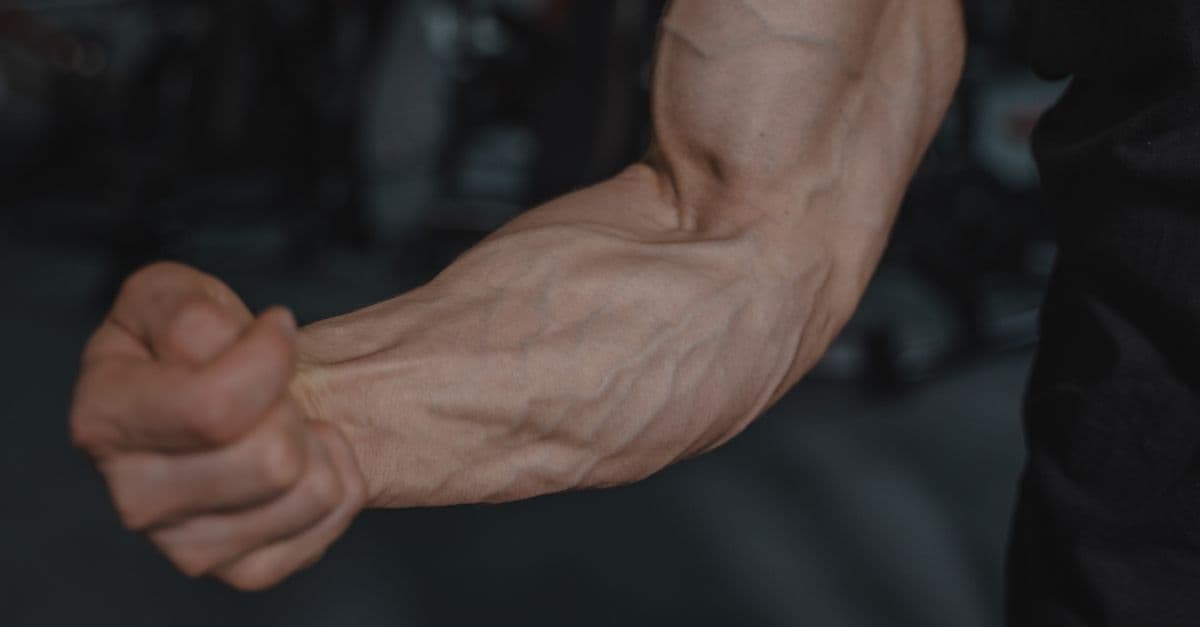
Photo: Ketut Subiyanto / Pexels
A muscle cramp is a sudden, involuntary, and often painful contraction of a muscle that will not let go on command. For decades, the standard explanation blamed dehydration and lost electrolytes, and the advice that followed — drink more water, eat a banana, take a salt tablet — became gym folklore. Newer research tells a more precise story: the strongest evidence points not to the blood but to the nerve circuit that controls the muscle, and specifically to a loss of the balance between signals that excite a muscle and signals that calm it back down. The biological side of the same topic is covered in why muscle cramps happen.
What is actually happening inside a cramping muscle
A cramp is not damage. It is a control problem. Every voluntary muscle contraction starts with an alpha motor neuron, a nerve cell whose cell body sits in the spinal cord and whose long fiber (axon) reaches out to a bundle of muscle fibers. When that neuron fires, the muscle fibers it connects to contract. Normal movement depends on those neurons firing in short, coordinated bursts and then stopping.
Two sensory structures inside the muscle and tendon keep that firing under control. Muscle spindles, embedded in the muscle belly, detect stretch and send signals that increase motor neuron firing — a defensive reflex that resists sudden lengthening. Golgi tendon organs, located where muscle meets tendon, detect tension and send signals that inhibit motor neuron firing, acting as a safety brake against contracting too hard for too long. In a normally functioning muscle, these two systems balance each other, and a contraction ends when the brake signal catches up.
The leading model for why cramps happen, called the altered neuromuscular control theory, holds that fatigue shifts this balance. As a muscle tires, spindle-driven excitatory signals increase while tendon-organ-driven inhibitory signals decrease. The result is a nerve circuit stuck in a positive feedback loop: excessive firing that reinforces itself faster than the brake can shut it down. A 2012 physiology review published in the Journal of Physiology describes this mechanism as the best-supported model for exercise-associated cramping, based on both electromyography (EMG) recordings during cramps and the fact that spinal reflex activity, not local muscle chemistry, changes first (PMC review of cramp mechanisms).
Why the dehydration and electrolyte story fell apart
The dehydration and electrolyte-depletion theory is intuitive: sweat carries sodium, potassium, and magnesium, and heavy sweating during exercise seems like an obvious trigger for a misfiring muscle. It is also the theory behind most sports-drink marketing. The problem is that when researchers actually tested it, the numbers did not hold up.
Multiple prospective studies on marathon runners and triathletes measured blood electrolyte concentrations in athletes who cramped during a race and compared them to athletes who did not. Across four separate cohort studies, there was no meaningful difference in serum sodium, potassium, calcium, or magnesium between the two groups, according to a review summarized on the Gatorade Sports Science Institute site and echoed in a 2019 Sports Medicine review of exercise-associated muscle cramps (Sports Medicine review, Springer; Gatorade Sports Science Institute summary). In other words, some athletes with genuinely low electrolyte levels never cramped, and some with normal levels cramped anyway.
Fluid studies point the same direction. Giving athletes extra water or electrolyte drinks before exercise does not reliably prevent cramps that are provoked with electrical stimulation of a fatigued muscle in laboratory settings, and pre-hydrating does not change how quickly an electrically triggered cramp appears (Miller et al., pickle juice and reflex inhibition study). That specific experimental design matters: it isolates the nervous system's threshold for cramping from whatever a runner ate or drank hours earlier, and the threshold barely moved.
None of this means hydration and electrolytes are irrelevant to health or performance. Severe electrolyte disturbances, most notably low blood sodium (hyponatremia) from overdrinking plain water during endurance events, are a real and dangerous medical problem. But that is a distinct condition from the ordinary exercise cramp, and treating the two as the same thing has led to advice that does not match what actually stops a cramp.
Do electrolytes matter at all for cramping?
Electrolytes matter for cell function broadly, but the direct evidence linking mild sweat-related sodium or potassium loss to ordinary exercise cramps is weak. Severe deficits from illness, kidney disease, or extreme fluid loss can trigger cramps through a different pathway, which is why chronic or unusual cramping deserves medical evaluation rather than a self-diagnosis of "electrolytes."
Fatigue: the trigger that actually correlates with cramping
If electrolytes are not the driver, fatigue is the variable that shows up consistently across the research. Cramps cluster in the later stages of races, in muscles doing unfamiliar or repetitive work, and in athletes who ramp up training volume or intensity faster than their muscles adapt. A muscle that has been contracting repeatedly loses the fine control that keeps the spindle-and-tendon-organ balance in check, which fits the neuromuscular theory directly: fatigue is the mechanical event that tips the excitatory-inhibitory balance toward runaway firing.
This is also why cramps are muscle-specific and workload-specific rather than whole-body events. A cyclist who cramps in the calf during a climb is not dehydrated in the calf and hydrated everywhere else; the calf muscle group did more repetitive, high-force work relative to its conditioning than the rest of the body. Novel movement patterns, unusually hot conditions that force a faster pace, and muscles working at long or short extremes of their range all raise cramp risk because they accelerate local fatigue.
How pickle juice and pinching a nerve actually stop a cramp
The oddest piece of evidence for the neuromuscular theory is also the most useful for anyone who has ever tried folk remedies. Small volumes of pickle juice have long been reported to stop an active cramp within roughly 35 seconds to a couple of minutes, far faster than fluid could be absorbed from the gut into the bloodstream and reach a cramping calf. That timing puzzled researchers until physiologist Kevin Miller and colleagues showed, using electrically induced cramps in dehydrated volunteers, that pickle juice inhibited cramping even though it barely changed blood electrolyte levels or hydration status in that short window (Miller et al., reflex inhibition study).
The proposed mechanism is a reflex, not a nutrient. The vinegar in pickle juice is intensely sour and slightly irritating, and it strongly stimulates transient receptor potential (TRP) channels in the mouth and throat, the same class of sensory receptor that responds to chili peppers or mustard. That oropharyngeal (mouth-and-throat) stimulation appears to trigger a reflex, likely routed through the brainstem, that suppresses alpha motor neuron firing throughout the body for a short period, interrupting the runaway feedback loop that is sustaining the cramp. You do not even need to swallow the juice; holding it in the mouth is enough to trigger the effect, which is consistent with a nerve reflex rather than a metabolic one.
This is the same logic behind older folk tricks like pinching the upper lip or biting down hard during a cramp: a sharp, unrelated sensory signal appears to interrupt the spinal feedback loop, similar to how tapping a reset switch stops a circuit that is stuck cycling rather than fixing whatever originally caused the short.
Why does stretching stop a cramp?
Stretching a cramping muscle works through a related mechanical route. Lengthening the muscle changes the force on its tendon, which increases signaling from the Golgi tendon organ, the structure responsible for the inhibitory "stop contracting" signal. That extra inhibitory input pushes the excitatory-inhibitory balance back toward normal and interrupts the reflex loop, usually within seconds to a minute.
Nocturnal leg cramps are a different animal
Exercise-associated cramps and nocturnal leg cramps, the sudden calf or foot spasms that wake people up at night, share the same basic nerve mechanism but have different triggers and a different research base. Nocturnal cramps become more common with age, and are associated with pregnancy, cirrhosis, vascular disease, lumbar spinal stenosis, and hemodialysis, according to a clinical review in American Family Physician (AAFP, nocturnal leg cramps). In most otherwise healthy people, though, there is no clearly identified cause, and the leading explanation is simply a resting muscle in a shortened position combined with age-related changes in motor neuron excitability.
Treatment evidence here is weaker than people expect. Magnesium supplements remain a widely recommended remedy, but a randomized, double-blind, placebo-controlled trial published in 2021 found magnesium oxide monohydrate performed no better than placebo for reducing nocturnal leg cramp frequency (PMC randomized controlled trial on magnesium for nocturnal leg cramps). Quinine, an older prescription remedy, does work better than placebo in some trials, but the U.S. Food and Drug Administration issued a formal warning in 2010 against using it for leg cramps because of rare but serious side effects, including dangerous drops in blood platelets and heart rhythm problems, and because it interacts with cytochrome P450 3A4, the enzyme that metabolizes most statin medications (PMC case report on quinine-statin interaction). Quinine is no longer considered an appropriate first-line treatment for ordinary nighttime leg cramps.
Who actually gets exercise-associated cramps, and why
Not every athlete cramps, and not every fatigued muscle locks up, which is itself a clue about what is really driving the problem. Large-scale field studies of endurance athletes have identified a consistent cluster of risk factors that has nothing to do with how much an athlete drank or ate before the race. A cross-sectional study of 21,460 cycling race entrants, part of the ongoing SAFER research series, found that a personal history of exercise-associated muscle cramps was independently associated with a higher chronic-disease burden, and the prevalence of a cramping history rose by roughly 36% for every two additional chronic diseases an athlete reported, alongside factors like increased exercise intensity and prior injury (PMC, SAFER XXXVI cycling cramp risk factor study).
A separate case-control study of Ironman triathletes found a similar pattern: athletes with a history of exercise-associated muscle cramps were more likely to have raced at a higher intensity relative to their training, reported a family history of cramping, suggesting a possible genetic component to how excitable an individual's motor neurons are, and had a prior history of tendon or ligament injury, consistent with the Golgi tendon organ's role in the underlying nerve circuit described earlier in this article (PubMed, Ironman triathlete cramp risk factor case-control study). Across both studies, the calf, hamstrings, and quadriceps were consistently the most commonly affected muscle groups, the same large, powerful muscles that do the most repetitive, high-force work during running and cycling and therefore accumulate local fatigue fastest.
None of the identified risk factors involve blood sodium, potassium, or hydration status directly. The SAFER cycling study explicitly notes that its data offered no conclusive support for dehydration or electrolyte disturbance as causes of exercise-associated cramping, which lines up with the controlled laboratory findings described earlier and reinforces that intensity, prior injury, training history, and possibly genetics, not fluid intake, are the factors that actually predict which athletes are cramp-prone.
Why the magnesium evidence for athletes specifically is thinner than people assume
Magnesium supplementation is one of the most common self-treatments athletes reach for, largely because magnesium plays a genuine, well-documented role in normal muscle and nerve function. The specific claim that supplementing above a normal, non-deficient level prevents exercise-associated cramps in athletes, however, is not well supported by controlled research, mostly because that research barely exists.
A Cochrane systematic review, the gold standard for summarizing clinical trial evidence, searched for randomized controlled trials evaluating magnesium supplementation specifically for exercise-associated muscle cramps and found none, aside from a single small study conducted in people with liver cirrhosis, a very different population with a distinct disease-driven cramp mechanism (Cochrane Library, magnesium for skeletal muscle cramps systematic review). That is a notable gap: one of the most widely recommended sports-nutrition interventions for cramping has essentially no dedicated randomized trial evidence behind it in the athlete population where it is most often recommended.
There is a separate and more nuanced body of evidence on magnesium and general exercise performance or muscle soreness, which should not be confused with cramp prevention specifically. A 2024 systematic review found that magnesium supplementation was associated with reduced muscle soreness, modestly improved performance markers, and some protective effect against exercise-induced muscle damage in physically active people, a different outcome measure entirely from stopping a spinal-reflex cramp mid-contraction. Meanwhile, a randomized crossover trial testing short-term magnesium supplementation in cyclists found modest detrimental effects on cycle ergometer performance and on skeletal muscle mitochondrial markers, with negligible effects on gut microbiota, underscoring that magnesium supplementation is not a uniformly beneficial intervention and its effects depend heavily on baseline status, dose, and the specific outcome being measured (PMC, short-term magnesium supplementation and cycling performance randomized crossover trial).
The practical implication for an athlete without a diagnosed magnesium deficiency is that supplementing specifically to prevent exercise-associated cramps rests on plausible physiology rather than demonstrated clinical benefit. Athletes with a genuine dietary shortfall may still benefit from correcting it for reasons unrelated to cramping, but the leap from "magnesium is important for muscle function" to "extra magnesium stops cramps" is not one the current trial evidence supports.
Comparing the leading cramp theories
| Theory | Core mechanism proposed | What the evidence shows |
|---|---|---|
| Altered neuromuscular control | Fatigue shifts the balance between excitatory muscle spindle signals and inhibitory Golgi tendon organ signals, trapping alpha motor neurons in a self-sustaining firing loop | Best-supported theory; matches EMG recordings during active cramps and explains why stretching and oropharyngeal reflexes (pickle juice) stop cramps within seconds |
| Dehydration | Fluid loss concentrates or disrupts ion gradients around nerve and muscle cells | Weak support; pre-hydration does not reliably prevent electrically induced cramps in lab settings |
| Electrolyte depletion | Sweat-related loss of sodium, potassium, or magnesium destabilizes nerve and muscle excitability | Weak support; multiple cohort studies of marathoners and triathletes found no significant difference in blood electrolytes between athletes who cramped and those who did not |
| Local metabolic accumulation | Buildup of metabolic byproducts (lactate, and related compounds) directly irritates muscle fibers | Weak support; does not explain the speed of relief from stretching or oral reflex triggers, or why cramps are muscle-specific rather than tied to overall metabolic load |
| Heat and vascular factors | High core or muscle temperature and reduced blood flow trigger cramping directly | Contributing factor in some settings, but not sufficient on its own; many cramps occur in cool conditions and in muscles with normal blood flow |
Table: Leading proposed causes of exercise-associated muscle cramps, ranked from strongest to weakest current evidence, based on cohort studies, EMG recordings, and controlled fluid-and-electrolyte trials cited above.
What actually helps, and what to skip
Given that the strongest evidence points to a nerve reflex problem rather than a fluid or mineral deficit, the interventions that make physiological sense are the ones that either reduce fatigue-driven overexcitation in the first place or interrupt the reflex loop once it starts.
- During a cramp: Gently stretch and hold the affected muscle; this increases Golgi tendon organ inhibitory signaling and typically ends the cramp within a minute. Small amounts of a strongly sour or spicy liquid, such as pickle juice or diluted vinegar, may shorten the episode through the oropharyngeal reflex, though evidence is strongest for the electrically induced cramp model rather than for spontaneous cramps in general.
- For prevention in athletes: Build muscle-specific conditioning gradually rather than adding sudden volume or intensity, since fatigue in an under-conditioned muscle is the clearest correlate of cramping. Pace efforts to avoid asking a single muscle group to do unusually repetitive work late in an event.
- For nocturnal cramps: Gentle calf stretching before bed has modest supporting evidence and low risk. Magnesium supplementation is popular but unsupported by the best available randomized trial data for reducing frequency. Quinine should not be used without a physician's explicit guidance given its FDA safety warning.
- What to reconsider: Treating a cramp as primarily a hydration or salt problem, especially if it leads to overcorrecting with large volumes of plain water, which can itself cause dangerous sodium dilution in endurance settings.
When a cramp is not just a cramp
Ordinary exercise-related and nocturnal cramps are uncomfortable but not dangerous. A different picture applies when cramping is frequent, involves multiple muscle groups at rest, comes with muscle weakness or wasting, or occurs alongside other neurological symptoms. Those patterns can point toward peripheral neuropathy, electrolyte disorders from kidney or liver disease, thyroid dysfunction, certain medications (including statins and diuretics), or, rarely, motor neuron disease. This article explains the everyday mechanism; it is not a substitute for evaluation by a physician when cramping is severe, persistent, or accompanied by other symptoms.
The takeaway
The evidence built up over the past two decades points away from the old dehydration-and-electrolytes story and toward a nerve circuit problem: fatigue tips the balance between muscle spindle excitation and Golgi tendon organ inhibition, and alpha motor neurons get stuck firing in a loop. That explains why stretching works in seconds, why an unrelated sour taste in your mouth can stop a cramp in your calf, and why athletes with normal blood chemistry cramp just as often as those who are technically low on sodium. Hydration and electrolytes still matter for overall health and performance, but they are not the lever that actually controls whether a fatigued muscle locks up.
Read next:
- How the Brain Works: Neurons, Regions, and the Mind
- The Dopamine System Explained: Reward, Motivation, and Why It's Not What You Think
- Why Do We Sleep: Stages, the Glymphatic System, and Memory
Frequently Asked Questions
Q: What actually causes a muscle cramp? A: The best-supported explanation is a nerve control problem called altered neuromuscular control. Muscle fatigue increases excitatory signals from muscle spindles while reducing inhibitory signals from Golgi tendon organs, trapping alpha motor neurons in a self-sustaining firing loop that keeps the muscle contracted.
Q: Do dehydration and low electrolytes cause cramps? A: The evidence is weak. Multiple cohort studies of marathon runners and triathletes found no significant difference in blood electrolyte levels between athletes who cramped and those who did not, and pre-hydration does not reliably prevent electrically induced cramps in controlled lab studies.
Q: Why does pickle juice stop a cramp so fast? A: Pickle juice acts too quickly to work through digestion or fluid absorption. Researchers believe its acidity strongly stimulates TRP receptors in the mouth and throat, triggering a nerve reflex that suppresses alpha motor neuron firing and interrupts the cramp within roughly a minute, even before the fluid could realistically reach a cramping muscle.
Q: Does magnesium help with nighttime leg cramps? A: A randomized, placebo-controlled trial published in 2021 found magnesium oxide monohydrate performed no better than a placebo for reducing the frequency of nocturnal leg cramps, despite magnesium's popularity as a home remedy.
Q: Is quinine a safe treatment for leg cramps? A: No. The FDA warned against using quinine for leg cramps in 2010 because of rare but serious risks, including low blood platelet counts and heart rhythm problems, plus dangerous interactions with statin medications. It should only be used, if at all, under direct physician supervision for an approved indication.
Q: When should a muscle cramp be checked by a doctor? A: See a doctor if cramps are frequent, involve multiple muscle groups at rest, come with muscle weakness or wasting, or occur alongside other neurological symptoms, since those patterns can point to nerve disease, kidney or liver dysfunction, thyroid problems, or medication side effects rather than an ordinary fatigue-related cramp.
Sources
- Mechanisms of cramp contractions: peripheral or central generation? — PMC
- Muscle Cramping During Exercise: Causes, Solutions, and Questions Remaining — Sports Medicine (Springer)
- Exercise-Associated Muscle Cramp — Gatorade Sports Science Institute
- Reflex Inhibition of Electrically Induced Muscle Cramps in Hypohydrated Humans — Miller et al.
- Nocturnal Leg Cramps — American Academy of Family Physicians
- Randomized, double-blind, placebo-controlled trial of magnesium oxide monohydrate for nocturnal leg cramps — PMC
- Quinine-induced simvastatin toxicity through cytochrome inhibition — case report, PMC
- Independent risk factors associated with a history of exercise-associated muscle cramps among 21,460 cycling race entrants (SAFER XXXVI) — PMC
- Factors associated with a self-reported history of exercise-associated muscle cramps in Ironman triathletes: a case-control study — PubMed
- Magnesium for skeletal muscle cramps — Cochrane Library systematic review
- Short-Term Magnesium Supplementation Has Modest Detrimental Effects on Cycle Ergometer Exercise Performance and Skeletal Muscle Mitochondria — randomized crossover trial, PMC
Follow new articles
Add SciHub101 to your feed reader to see new science and technology stories.
About the Author
SciHub101 is an independent science and technology publication founded and edited by Buğra Sözeri, a software engineer and app developer based in Türkiye. AI tools assist with drafting and research. Source documentation in the existing archive is uneven, and articles are being reviewed and corrected. The Editorial Team byline identifies editorial responsibility; it does not certify specialist or independent human review. Where we compare products, anything built by our own team is labelled as such — see the editorial guidelines and About page for how corrections and disclosures work.
Related Articles

Sneezing Science: Reflexes, Allergies, and Irritants
Sneezing launches mucus at up to 35 meters per second through a trigeminal nerve reflex arc. Here is the real physiology, the genetics of sunlight sneezing, and the risks of holding one in.

Hiccups Science: The Diaphragm Reflex Explained
Hiccups come from a three-part nerve reflex arc that fires the diaphragm early and snaps the vocal cords shut. Here is the mechanism, in detail.
Why Muscle Cramps Happen — The Biology
Why do muscles cramp? The neural control theory, why dehydration may be a myth, and what actually treats cramps — by the evidence.


The Science of Esports: What Makes Pro Gamers Different
Professional esports players react faster, process visual information more efficiently, and maintain strategic decision-making under pressure that most people cannot sustain for minutes, let alone hours of competition. Science is beginning to understand what separates them from the rest.