Dengue Virus Explained — Why It's Spreading and How It Works
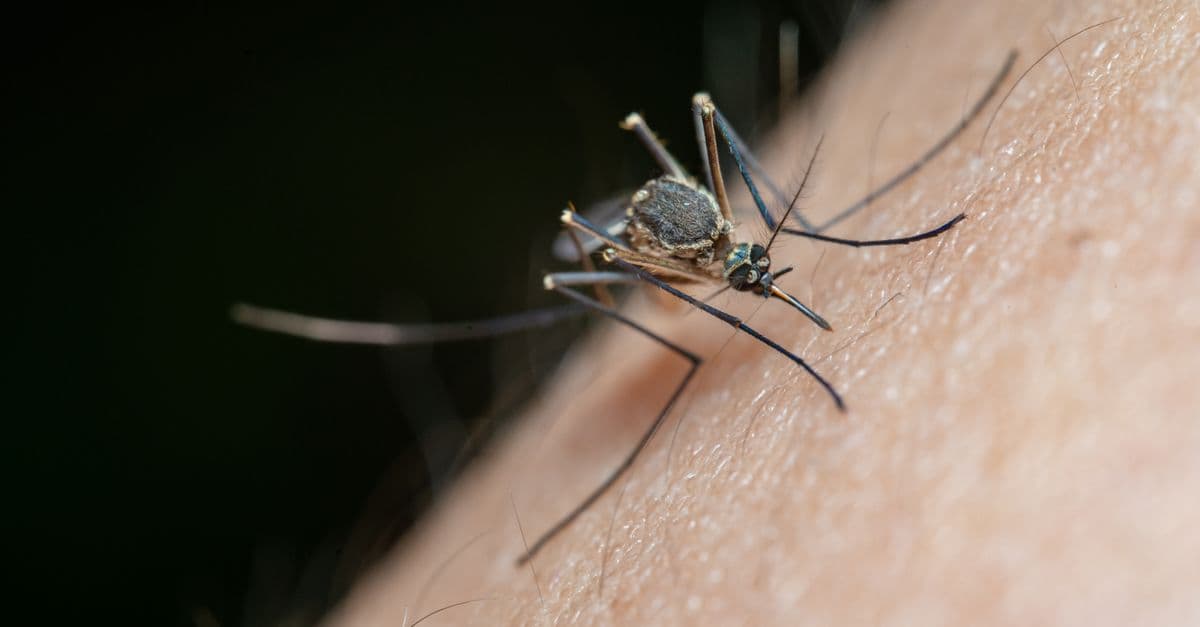
Photo: Jimmy Chan / Pexels
The World Health Organization estimates 100–400 million dengue infections every year, about half the world's population is at risk, and 2024 was the worst year on record: 14.6 million cases and more than 12,000 deaths were reported to WHO, compared with about 505,000 reported cases in 2000. Most infections are mild or produce no symptoms, but a fraction become severe — and the disease has a sinister twist: a second dengue infection is often more dangerous than the first. This guide explains what dengue actually is, how the four serotypes interact, and why the disease is becoming a global rather than tropical concern.
Educational content, not medical advice. Talk to your doctor before changing any medication, treatment, or routine. Information here reflects current research but every person's situation differs.
What Dengue Virus Actually Is
Dengue virus is a single-stranded RNA virus in the family Flaviviridae, the same family as Zika, yellow fever, West Nile virus, and Japanese encephalitis virus.
What makes dengue distinctive is that there are four serotypes — DENV-1, DENV-2, DENV-3, and DENV-4. They are genetically related but antigenically distinct enough that infection with one provides only short-term cross-protection against the others. This is the biological foundation for dengue's most dangerous feature, which we'll get to shortly.
The virus is roughly spherical, about 50 nanometers across, with three structural proteins:
- Envelope (E) protein — Binds host cells and triggers fusion
- Membrane (M) protein — Structural
- Capsid (C) protein — Packages the genome
For broader virus context, see our how viruses work guide.
How Dengue Is Transmitted
Dengue spreads through the bite of an infected female mosquito — primarily Aedes aegypti, with Aedes albopictus as a secondary vector. These mosquitoes:
- Bite primarily during the day, especially dawn and dusk
- Lay eggs in small containers of stagnant water — flower pots, discarded tires, water storage containers
- Thrive in dense urban environments
- Have expanded their range substantially due to climate change and globalization
The transmission cycle: an Aedes mosquito bites a person with dengue in their bloodstream, picks up the virus, incubates it for 8–12 days as it replicates in the mosquito gut and salivary glands, then transmits the virus to new humans through subsequent bites for the rest of its life (usually 2–4 more weeks).
Why temperature matters inside the mosquito
The 8–12 day window is called the extrinsic incubation period, and WHO gives it for temperatures of 25–28°C. It is the single most climate-sensitive link in the chain. Warmer conditions shorten it, so a mosquito becomes infectious sooner in its short life and has more days left to bite. Cooler conditions lengthen it, and many mosquitoes die before the virus reaches their salivary glands. Warmth also speeds larval development and raises how often females take blood meals. There is an upper limit as well: at very high temperatures mosquito survival falls. The net result is that small shifts in average temperature in places that sit near the threshold can move them from rare outbreaks to regular seasonal transmission.
Aedes aegypti is unusually well adapted to people. It prefers human blood, rests indoors, and often takes several partial blood meals from different people in one egg cycle, which multiplies transmission. Its eggs can survive dry for months and hatch when water returns, so a single neglected container can restart local transmission after a dry season. That is why emptying containers once a week is still a core public-health message.
Direct human-to-human transmission of dengue does not occur in normal circumstances. Rare cases of transmission through blood transfusion, organ transplant, and mother-to-fetus during pregnancy have been documented.
How Dengue Infects a Cell
Once a person is bitten by an infected mosquito:
- Local replication. The virus replicates in dendritic cells in the skin near the bite.
- Spread to lymph nodes. Infected dendritic cells migrate to regional lymph nodes.
- Viremia. The virus enters the bloodstream, where it infects monocytes and macrophages throughout the body.
- Cellular entry. The E protein binds to host receptors. The virus enters by endocytosis. Acidification of the endosome triggers fusion of the viral envelope with the endosome membrane.
- Replication. Viral RNA is translated into a polyprotein that's cleaved into structural and nonstructural proteins. New viral RNA is replicated. New virus particles assemble in the endoplasmic reticulum.
- Release. New virus particles bud through the cell membrane.
Symptoms begin 4–10 days after the mosquito bite — high fever, severe headache (especially behind the eyes), muscle and joint pain (the historic name "breakbone fever" reflects this), rash, nausea, and vomiting. Most cases resolve in a week.
Antibody-Dependent Enhancement — The Second-Infection Paradox
This is the biological feature that makes dengue uniquely dangerous and difficult to vaccinate against.
When you recover from one dengue serotype (say, DENV-1), your immune system produces antibodies against it. Those antibodies provide lifelong protection against DENV-1 — but only short-term cross-protection (a few months to a year) against the other three serotypes.
Here's where it gets dangerous. If you're later infected with a different serotype (say, DENV-2), the antibodies from your DENV-1 infection bind to the new virus — but not strongly enough to neutralize it. Instead, the antibody-coated virus is taken up more efficiently by macrophages (immune cells that have Fc receptors which bind antibody-coated particles). The result: more cells get infected, viral load is higher, and disease is often more severe.
This phenomenon is called antibody-dependent enhancement (ADE). It's the reason severe dengue — dengue hemorrhagic fever or dengue shock syndrome — is most often seen in second infections, particularly in children who experienced their first dengue infection a few years earlier.
Source: Halstead SB. Dengue antibody-dependent enhancement: knowns and unknowns. Microbiology Spectrum.
Why ADE is not the whole story
ADE is the best-known explanation, but it is not the only driver of severe dengue. Severe disease is also linked to which serotype and strain causes the infection, the order of infections, the person's age and underlying conditions such as diabetes, and the strength of the T-cell response. Most second infections are still mild. Third and fourth infections are rarely severe, apparently because by then the immune system has broad cross-reactive protection. The time between infections matters too: cross-protection after a first infection seems to wane over months to a couple of years, and the risk window for severe second infection opens as it fades.
The NS1 protein adds another layer. Infected cells secrete it into the blood, and laboratory studies (Puerta-Guardo et al., PLoS Pathogens, 2016) show that NS1 can damage the glycocalyx, the sugar coating that lines blood vessels, in cultured endothelial cells. That could contribute to plasma leakage independently of antibodies, though the evidence is from cell and animal models. It also explains why NS1 is a useful diagnostic target in the first days of illness. For how antibodies normally neutralize viruses, see antibody structure and immune defense.
The Three Phases of Dengue Illness
Clinicians describe symptomatic dengue as moving through three phases. The timing below follows the general WHO description; individual cases vary.
| Phase | Typical timing | What happens | Why it matters |
|---|---|---|---|
| Febrile | Days 1–3 to 7 | High fever, headache, eye pain, muscle and joint pain, rash | Virus in blood; NS1 antigen and PCR tests work best |
| Critical | Around defervescence, often days 3–7 | Plasma leakage may begin as fever falls | Warning signs appear; this is when people deteriorate |
| Recovery | 48–72 hours after the critical phase | Leaked fluid is reabsorbed, appetite returns | Too much IV fluid at this stage can cause overload |
WHO lists warning signs that call for urgent care, including severe abdominal pain, persistent vomiting, rapid breathing, bleeding gums or nose, blood in vomit or stool, restlessness, extreme thirst, and pale, cold skin. The key point is counterintuitive: the dangerous moment often comes when the fever breaks and the person seems to be getting better.
Severe Dengue — What Actually Happens
A minority of symptomatic dengue cases progress to severe disease — historically called dengue hemorrhagic fever or dengue shock syndrome. The mechanism:
- Plasma leakage. ADE-driven high viral loads trigger massive cytokine release. Blood vessel walls become more permeable. Plasma leaks from blood vessels into surrounding tissues and body cavities. Blood volume drops.
- Bleeding tendency. Platelet counts fall (the virus kills platelet precursors). Blood vessels are inflamed. Patients may develop nosebleeds, gum bleeding, gastrointestinal hemorrhage, or skin hemorrhages.
- Shock. Severe fluid loss leads to dangerously low blood pressure, organ failure, and death if untreated.
- Liver and kidney injury. Direct viral effects plus the systemic inflammation can damage major organs.
Critical recognition: severe dengue typically develops 3–7 days into illness, often as the fever is breaking. This is the "critical phase" when patients can deteriorate rapidly. With good supportive care (IV fluids, hemodynamic monitoring, blood product support when needed), case fatality from severe dengue falls dramatically; clinical reviews report a drop from above 20% without proper care to under 1% with timely, optimal management.
Why Dengue Is Spreading Globally
Dengue is fundamentally a climate-sensitive disease, and climate change has expanded its geographic range substantially.
Climate factors:
- Warming temperatures expand Aedes mosquito habitat to higher altitudes and latitudes
- Increased rainfall in some regions creates more breeding sites
- Urban heat islands accelerate mosquito life cycles in cities
Globalization factors:
- Increased international travel introduces infected travelers to new mosquito populations
- Used tire imports have moved Aedes albopictus globally
- Container shipping creates new breeding habitats
Urban factors:
- Rapid urbanization in tropical countries creates dense human populations alongside abundant Aedes breeding sites
- Water storage practices in areas without reliable piped water create mosquito habitat
In 2024, according to the WHO dengue fact sheet, 14.6 million cases were reported to WHO, more than 13 million of them in the Americas, along with more than 12,000 dengue-related deaths. Europe recorded 308 cases in France, Italy and Spain that year (largely locally acquired), plus 1,291 cases and four deaths in the French overseas territories of Mayotte and Réunion. From January to July 2025, 97 countries reported cases and more than 3,000 deaths.
The numbers in context
| Measure | Figure | Source and year |
|---|---|---|
| Cases reported to WHO | ~505,430 | WHO, 2000 |
| Cases reported to WHO | 14.6 million | WHO, 2024 |
| Share of 2024 cases in the Americas | >13 million | WHO, 2024 |
| Dengue-related deaths reported | >12,000 | WHO, 2024 |
| Estimated infections per year | 100–400 million | WHO estimate |
| Modelled infections / clinically apparent | 390 million / 96 million | Bhatt et al., Nature, 2013 (cited by WHO) |
| Countries where dengue is endemic | >100 | WHO |
| Countries reporting cases, Jan–Jul 2025 | 97 | WHO, 2025 |
Reported cases are not the same as infections. Most infections cause no symptoms or only a mild illness that never reaches a clinic, and many countries lack laboratory capacity. WHO itself notes that the true burden is underestimated. Part of the rise in reported cases also reflects better surveillance and reporting, not only more transmission. The modelling estimate implies that only about one in four infections is clinically apparent.
Source: WHO. Dengue and severe dengue fact sheet; PAHO surveillance data; Messina JP, et al. The current and future global distribution and population at risk of dengue. Nature Microbiology.
Vaccines — A Difficult Story
Dengue vaccine development has been hindered by the ADE problem. A vaccine that produces antibodies against only some serotypes — or weaker antibodies than natural infection — could potentially make subsequent natural dengue infections worse.
Dengvaxia / CYD-TDV (Sanofi) — The first dengue vaccine, first licensed in December 2015 in Mexico. Tetravalent, live-attenuated, three doses. It worked in people previously infected with dengue but raised the risk of severe dengue in people whose first natural infection came after vaccination. The US FDA licensed it in May 2019 only for children aged 9–16 with laboratory-confirmed previous infection, according to Immunize.org. Sanofi announced in 2024 that it would stop production because of low global demand, and the European Commission withdrew its EU authorization on 21 October 2025 at Sanofi's request. As of October 2026 it should be treated as a vaccine being phased out.
Qdenga / TAK-003 (Takeda) — Tetravalent, live-attenuated, built on a DENV-2 backbone. The European Medicines Agency authorization took effect on 5 December 2022 for people aged 4 and older, given as two injections three months apart. Protection in trials was strongest against DENV-2, and data for DENV-3 and DENV-4 in people never previously infected were limited, which is why WHO frames its recommendation narrowly. Qdenga is not licensed in the United States; Immunize.org states no other licensed dengue vaccine is available there.
TV003 / TV005 (NIH-derived) — In late-stage trials. Tetravalent, single-dose live-attenuated. Promising results in challenge studies.
WHO recommends Qdenga for children aged 6–16 in settings with high transmission intensity, per its fact sheet. The pursuit of a universally safe and effective dengue vaccine continues.
A Short History of Dengue
A Chinese medical encyclopedia from the Jin Dynasty (265–420 AD) describes a "water poison" linked to flying insects that may have been dengue, and epidemics consistent with dengue struck Asia, Africa and North America in the 1780s. Benjamin Rush described an outbreak in Philadelphia in 1780 and called it "bilious remitting fever"; the nickname "breakbone fever" stuck, although historians debate whether that outbreak was dengue. In 1906 Thomas Bancroft published the earliest evidence that Aedes aegypti transmits the disease. The virus was first isolated in the 1940s, by Japanese researchers (Susumu Hotta, 1943) and by Albert Sabin in Hawaii (1944).
After World War II, troop movements, urban growth and the spread of Aedes aegypti in shipping turned dengue into a pandemic disease of the tropics. Severe dengue was first widely recognized in Manila in the 1950s and in Bangkok in 1958. The Americas had largely eliminated Aedes aegypti through mid-century campaigns, but the programs lapsed, the mosquito returned, and large epidemics followed from the 1980s onward. The same mosquito also spreads yellow fever, Zika and chikungunya; the related West Nile virus uses Culex mosquitoes instead.
Other Control Strategies
Because vaccination is incomplete, vector control and emerging biological strategies are central to dengue prevention.
Wolbachia-infected mosquitoes. The bacterium Wolbachia makes Aedes aegypti poor at transmitting dengue. The World Mosquito Program has released Wolbachia-carrying mosquitoes in cities across Brazil, Indonesia, Colombia, Vietnam, and others. In the cluster-randomized Yogyakarta trial (2017–2020), published by Utarini and colleagues in the New England Journal of Medicine in 2021, 12 clusters received Wolbachia mosquitoes and 12 did not. Virologically confirmed dengue fell by about 77% and dengue hospitalizations by about 86%, with similar protection against all four serotypes.
Sterile insect technique. Releasing sterilized male mosquitoes reduces overall mosquito populations.
Genetically modified mosquitoes. Oxitec's self-limiting Aedes aegypti has been deployed in trials in Brazil and Florida.
Larval source reduction. Eliminating standing water containers remains the cheapest and most accessible intervention.
For why mosquitoes pick some people over others, see why mosquitoes bite some people more.
Common Misconceptions
"Dengue is a tropical problem only." Local transmission now occurs in southern Europe and parts of the US, and Aedes albopictus has established itself in much of Europe. WHO reported 308 cases in France, Italy and Spain in 2024, most of them acquired locally.
"A low platelet count means you need a platelet transfusion." Platelet counts fall in many dengue cases, but reviews of WHO's 2009 guidance note that it does not advocate routine prophylactic platelet transfusion in people without bleeding, and studies have found no clear benefit. Careful fluid management is central to treating severe dengue.
"Papaya leaf extract cures dengue." This is widely shared in some countries. There is no specific antiviral or herbal treatment proven to cure dengue; WHO says treatment is supportive.
"You're immune after one infection." Only against that serotype. Immunity to the other three is short-lived, and a second infection with a different serotype carries a higher risk of severe disease.
"Vaccines solve it." Current vaccines help but have limits, and one is being withdrawn. Mosquito control and early recognition of warning signs remain essential. For the immune logic behind vaccines, see how vaccines work, and for how viruses move between species, see how viruses jump from animals to humans.
Open Questions
Researchers are still working on several problems. One is a vaccine that protects equally well against all four serotypes regardless of prior infection; the single-dose NIH-derived candidate is the main hope. Another is predicting which patients will progress to severe disease before the critical phase begins. A third is whether Wolbachia programs keep working as they scale to whole cities. Finally, researchers want to know how much of dengue's spread is driven by climate versus urbanization, travel and better reporting. For the immune system's general toolkit against viral infection, see how the immune system fights viruses.
How Dengue Compares to Other Mosquito-Borne Viruses
| Virus | Vector | Annual Cases | Vaccine | Severity |
|---|---|---|---|---|
| Dengue | Aedes | 100–400M infections (WHO) | Limited | Severe in a minority |
| Malaria (parasite, not virus) | Anopheles | ~240M | Yes (RTS,S, R21) | High |
| Zika | Aedes | Variable | No | Usually mild, severe in pregnancy |
| Chikungunya | Aedes | Variable | Yes (Ixchiq, US approval 2023; US license suspended Aug 2025) | Severe joint pain, rarely fatal |
| Yellow fever | Aedes/Haemagogus | ~200K | Yes (very effective) | High |
| West Nile virus | Culex | Variable | No (human) | Severe in <1% |
| Japanese encephalitis | Culex | ~70K | Yes | High in symptomatic cases |
Dengue's combination of mosquito-borne transmission, four interacting serotypes, expanding range, and ADE-driven severity makes it one of the most consequential infectious diseases of the climate-change era.
Frequently Asked Questions
Q: Can you get dengue more than once? A: Yes, up to four times — once for each serotype. Second infections tend to be more severe due to antibody-dependent enhancement.
Q: What's the difference between dengue fever and severe dengue? A: Dengue fever is the typical illness — high fever, body aches, rash — usually resolving in a week. Severe dengue involves plasma leakage, bleeding, and shock, requiring hospital care.
Q: How is dengue diagnosed? A: Antigen tests (NS1) work in the first 5–7 days; antibody tests (IgM, IgG) become positive later. PCR can directly detect virus. In high-burden areas, clinical diagnosis often guides treatment without lab confirmation.
Q: Is there a specific antiviral for dengue? A: No. According to WHO, treatment is supportive. Pain is managed with paracetamol (acetaminophen), ibuprofen and aspirin are avoided because they can increase bleeding risk, and severe cases usually need hospital care.
Q: How do I prevent dengue while traveling? A: Insect repellent (DEET, picaridin, IR3535), long sleeves, accommodation with screens or air conditioning, avoid standing water near where you sleep. Aedes mosquitoes bite during the day, so daytime protection is important.
Q: Why does climate change make dengue worse? A: Warmer temperatures expand mosquito habitat geographically and accelerate the virus's replication cycle within the mosquito. Wetter conditions create more breeding sites. Both effects increase transmission potential.
Q: Should I get the dengue vaccine? A: That is a decision for a clinician or travel medicine specialist. In general terms, WHO recommends Qdenga for children aged 6–16 in high-transmission settings, Dengvaxia was limited to people with confirmed prior infection and is being discontinued, and availability differs by country.
Q: What's "dengue hemorrhagic fever"? A: An older WHO term for severe dengue with bleeding. Current WHO classification simply uses "severe dengue," which covers plasma leakage, severe bleeding, and severe organ involvement.
Sources
- WHO. Dengue and severe dengue fact sheet. Accessed October 2026.
- European Medicines Agency. Qdenga EPAR.
- Immunize.org. What vaccine is available to prevent dengue?
- PAHO. Dengue surveillance data.
- Halstead SB. Dengue antibody-dependent enhancement: knowns and unknowns. Microbiology Spectrum.
- Messina JP, et al. The current and future global distribution and population at risk of dengue. Nature Microbiology.
- Utarini A, et al. Efficacy of Wolbachia-Infected Mosquito Deployments for the Control of Dengue. NEJM 384(23):2177–2186, 2021.
- Biswal S, et al. Efficacy of a Tetravalent Dengue Vaccine in Healthy Children and Adolescents. NEJM (TAK-003 trial).
For related virus coverage, see our H5N1 bird flu guide, HPV guide, and HIV explainer.
Read next:
Follow new articles
Add SciHub101 to your feed reader to see new science and technology stories.
About the Author
SciHub101 is an independent science and technology publication founded and edited by Buğra Sözeri, a software engineer and app developer based in Türkiye. AI tools assist with drafting and research. Source documentation in the existing archive is uneven, and articles are being reviewed and corrected. The Editorial Team byline identifies editorial responsibility; it does not certify specialist or independent human review. Where we compare products, anything built by our own team is labelled as such — see the editorial guidelines and About page for how corrections and disclosures work.
Related Articles
Mpox (Monkeypox) Explained — How the Virus Works in 2026
Mpox explained: how monkeypox virus infects cells, spreads, and caused two global emergencies in 2022 and 2024, plus vaccine and treatment evidence.
Rabies Virus Explained — Nearly 100% Fatal, Almost 100% Preventable
Rabies virus explained: how it travels nerves to the brain, why symptoms are almost always fatal, and how wound care, vaccine, and immune globulin stop it.

Japanese Encephalitis Virus: How It Spreads and Who It Hits
Japanese encephalitis virus spreads from pigs and herons through Culex mosquitoes. Learn the burden, symptoms, vaccines, and real traveler risk.
Chikungunya Virus Explained
Chikungunya virus explained: how this mosquito-borne alphavirus spreads, why it causes lasting joint pain, how it differs from dengue, and what vaccines exist.
Zika Virus Explained: Symptoms, Risks & Outbreak
Zika virus explained: how it spreads, what it does in adults and in pregnancy, the 2015-2016 outbreak, and why no vaccine is licensed yet, per CDC and WHO.
Tick-Borne Encephalitis: The Flavivirus in the Forest
Tick-borne encephalitis is a flavivirus infection mainly spread by Ixodes ticks. Three subtypes, a two-phase illness, effective vaccines, and why cases keep rising.