Mpox (Monkeypox) Explained — How the Virus Works in 2026
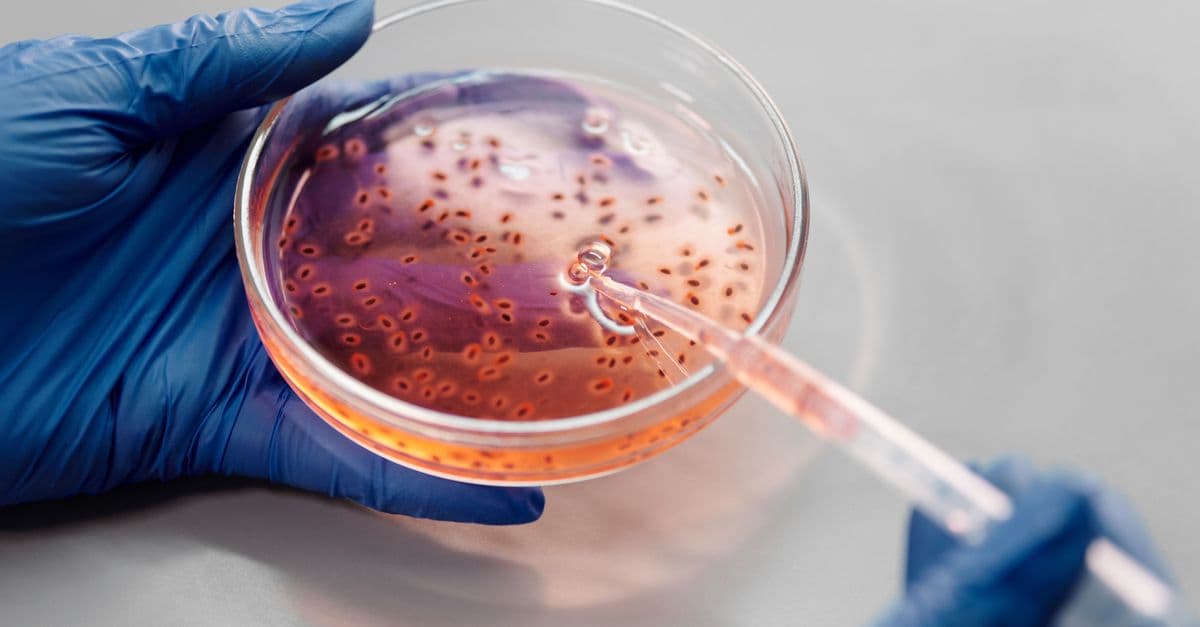
Photo: Edward Jenner / Pexels
Mpox is a viral disease that spent decades as a regional problem in central and west Africa and then became a global emergency twice in three years. The World Health Organization (WHO) declared the first international emergency in July 2022, when a clade IIb outbreak spread through sexual networks across more than 100 countries, and the second in August 2024, driven by clade Ib in the Democratic Republic of the Congo and its neighbors. The virus is a relative of smallpox. This article explains how it infects cells, how it spreads, what the two outbreaks showed, and what the evidence says about vaccines and drugs.
Educational content, not medical advice. Talk to your doctor before changing any medication, treatment, or routine. Information here reflects current research but every person's situation differs.
What mpox is, and where the name came from
Mpox is caused by monkeypox virus, a double-stranded DNA virus in the genus Orthopoxvirus. That genus also includes variola virus (the cause of smallpox), vaccinia virus (used in smallpox vaccines), and cowpox virus. The genomes are large for viruses: monkeypox virus carries roughly 197,000 base pairs of DNA and well over 150 genes, many of them devoted to dodging the immune system.
The name "monkeypox" is a historical accident. According to WHO, the virus was discovered in 1958 in Denmark in monkeys kept for research, and the first human case was reported in 1970 in a nine-month-old boy in the Democratic Republic of the Congo. Monkeys are not the main reservoir. WHO states that the natural animal reservoir is still unknown, though small mammals such as squirrels and monkeys can be infected. WHO renamed the disease "mpox" in 2022, partly to reduce stigma. A viral disease whose animal host has not been identified is a reminder of how much about zoonotic (animal-to-human) infections is still unsettled; how viruses jump from animals to humans covers the general mechanics of that crossover.
Clades: the family tree that matters
Viruses of the same species form branches called clades. WHO recognizes two: clade I, with subclades Ia and Ib, and clade II, with subclades IIa and IIb. Historically, clade I (formerly the Congo Basin clade) has been associated with more severe disease, and clade II (formerly the West African clade) with milder illness. The 2022 global outbreak was caused by clade IIb. Clade Ib was first detected in the Democratic Republic of the Congo and later spread to neighboring countries.
A word of caution about severity. The picture is complicated by who gets counted. Early clade I numbers came from places with little access to testing and hospital care, and children, who were hit hard, were over-represented in the reports. That makes direct comparisons between clades hazardous.
How monkeypox virus works inside a cell
Most DNA viruses move into the nucleus and borrow the cell's copying machinery. Poxviruses do not. They carry their own enzymes and replicate entirely in the cytoplasm, the fluid outside the nucleus. A poxvirus particle is, in effect, a small self-contained factory shipped with its own tools.
- Entry. The virus attaches to a host cell, often a skin cell (keratinocyte) at the site of a break or a mucosal cell after contact, and fuses with the membrane or is taken in by endocytosis.
- Early genes. The virus packages an RNA polymerase inside the particle. That enzyme transcribes early genes immediately, producing proteins that suppress the cell's alarm signals and prepare it for replication.
- Uncoating and DNA replication. The core opens, and viral DNA is copied in dense cytoplasmic structures called viral factories, which are visible under a microscope.
- Late genes. Structural proteins are made, and the new particles assemble.
- Release. Some particles leave the cell wrapped in an extra membrane, which helps spread to neighboring cells. Others are freed when the cell bursts.
The analogy: a virus like influenza walks into a factory and hijacks the machines. A poxvirus rolls in its own machines, sets them up in the parking lot, and only needs the cell's raw materials. That independence is one reason these viruses are hard to fully stop with drugs that target host machinery, and a reason their genomes are so large.
For the general framework behind this, including what a virus needs to be considered "alive" enough to replicate, see how viruses work: from infection to replication.
How mpox spreads
According to WHO, mpox spreads mainly through close contact, including skin-to-skin, mouth-to-mouth or mouth-to-skin contact, and face-to-face contact. Contaminated objects such as clothing and linens, needle injuries in health care, and community settings such as tattoo parlors have also been reported. Animal-to-human spread occurs through bites, scratches, and activities such as hunting, skinning, or cooking animals. The virus can also pass to a fetus or newborn during pregnancy or birth, which can cause pregnancy loss, stillbirth, or newborn death.
People are infectious until all sores have healed and new skin has formed underneath, according to WHO.
Not airborne like measles
Mpox is not transmitted like measles or chickenpox, which can hang in the air of an empty room. Transmission usually requires close, prolonged, or intimate contact with lesions, body fluids, or contaminated materials. Respiratory spread can occur during prolonged face-to-face contact, but casual passing contact has not driven the outbreaks. The difference is the difference between a spark and a bonfire: the virus can spread when the right conditions line up, but it does not move through crowds the way a respiratory virus does.
Two outbreaks, two patterns
The 2022 outbreak showed that sexual contact could carry the virus efficiently. A study published in the New England Journal of Medicine by Thornhill and colleagues described 528 PCR-confirmed infections diagnosed between April 27 and June 24, 2022, at 43 sites in 16 countries. Among them, 98% were gay or bisexual men, 41% were living with HIV, and transmission was suspected to be sexual in 95%. Rash was present in 95%, 73% had anogenital lesions, and 13% were hospitalized. No deaths were reported in that series.
The clade Ib pattern looks different. A study published in Eurosurveillance covering 973 suspected cases in Uvira, eastern Democratic Republic of the Congo, from June to October 2024 found that most reported exposures occurred in households (67.9%), while sexual exposure accounted for 6.0%. Children under 15 made up 63.7% of suspected cases, and 35.4% were under 5. The overall case-fatality ratio in that study was 0.7%, rising to 3.9% in infants under 1 year. These data come from one town, so they should not be read as a general rule for every clade Ib setting. WHO's later surveillance also notes that, outside the African countries with community transmission, cases have included men who have sex with men and household contacts of travelers. For a deeper treatment of the clade I story, see Mpox Clade I outbreak explained.
Symptoms and the course of illness
WHO reports that signs and symptoms usually begin within a week but can start 1 to 21 days after exposure. Symptoms typically last 2 to 4 weeks, and may last longer in people with weakened immune systems.
Common symptoms. Rash, fever, sore throat, headache, muscle aches, back pain, low energy, and swollen lymph nodes. Swollen lymph nodes are a useful clue: smallpox did not cause them as prominently, and many other rash illnesses do not either.
The rash. It often starts on the face and spreads, reaching the palms and soles of the feet. It passes through stages: flat spots, raised bumps, fluid-filled blisters, then crusts that fall off. In the 2022 outbreak, lesions often appeared in the genital or anal area, sometimes without a clear prodrome (an early flu-like phase). Some people have painful rectal swelling (proctitis), painful urination, or pain when swallowing. Some people have no symptoms.
Complications. WHO lists skin infections, pneumonia, sepsis, encephalitis, and loss of vision, among others. Children, pregnant people, and people with poorly controlled HIV are at higher risk of serious illness. The skin is the main battleground, and how skin works explains why a break in its outer layer matters so much for infection.
A timeline in one table
| Date | Event | Source |
|---|---|---|
| 1958 | Virus discovered in research monkeys in Denmark | WHO |
| 1970 | First reported human case, a nine-month-old boy in the DRC | WHO |
| 1980 | Smallpox declared eradicated; mpox then steadily emerged in central, east, and west Africa | WHO |
| 2003 | Outbreak in the United States linked to imported wild animals (clade II) | WHO |
| 2017 | Mpox re-emerged in Nigeria | WHO |
| May 2022 | Global clade IIb outbreak begins | WHO |
| July 2022 | WHO declares a public health emergency of international concern (PHEIC) | CIDRAP |
| May 11, 2023 | WHO ends the first PHEIC | CIDRAP |
| August 2024 | WHO declares a second PHEIC, driven by clade Ib | WHO |
| September 5, 2025 | WHO ends the second PHEIC | PBS NewsHour |
WHO counted more than 120 countries reporting mpox and more than 100,000 laboratory-confirmed cases between January 2022 and August 2024, with over 220 deaths among confirmed cases. Those numbers are lower bounds. The ratio of deaths to confirmed cases is on the order of 0.2%, but it is a crude figure: it mixes clades, settings, and levels of testing, and many cases in Africa were never tested.
What "ending the emergency" means
When WHO's Director-General Tedros Adhanom Ghebreyesus ended the second emergency on September 5, 2025, he accepted the advice of the emergency committee and said that lifting the declaration did not mean the threat was over or that the response would stop. The committee chair, Dimie Ogoina, credited improved diagnosis in many countries. A PHEIC is a coordination tool: it unlocks funding, attention, and recommendations. Ending it means the case counts no longer met that threshold, not that the virus had gone away. The newer clade I virus had spread widely in eastern and central Africa, mainly in Burundi, Uganda, and the Democratic Republic of the Congo, and spread outside the continent was limited, according to PBS NewsHour.
Why the virus got out in 2022
Before May 2022, mpox cases outside Africa were rare and usually linked to travel or imported animals. Several things lined up in 2022.
- Undetected spread. Genetic evidence suggests the virus had been circulating among people for some time before it was recognized.
- Dense contact networks. Sexual contact allowed efficient spread among people with multiple partners, and lesions in genital and anal areas were sometimes mistaken for other infections.
- No routine smallpox vaccination. Smallpox vaccination stopped after eradication in 1980, so people born after that have no vaccine-derived protection. Older observational analyses from Africa suggested that smallpox vaccination protected against mpox, but those findings do not map neatly onto today's settings.
- Delayed vaccines and testing. Early in the outbreak, vaccine supplies and diagnostic capacity were limited.
The outbreak slowed through vaccination of people at high risk, changes in behavior within affected networks, and public health outreach. The lesson is about how a virus can be circulating quietly for years until the right network shows up.
How mpox is diagnosed
The preferred test is PCR (polymerase chain reaction), which amplifies and detects viral DNA, using swabs taken from the rash, according to WHO. When there are no skin lesions, throat or anal swabs are used. Blood testing is not recommended. WHO also recommends offering HIV testing to adults with mpox, because the infections can overlap and the combination affects care.
PCR can also tell clades apart, which is why sequencing played such a large role in tracking the 2022 and 2024 outbreaks. For a general picture of how the immune system detects and responds to a poxvirus, how the immune system recognizes threats is a useful companion.
Vaccines: what the effectiveness numbers say
The vaccine most used in the 2022 outbreak was JYNNEOS (sold as Imvanex or Imvamune in some countries), made from modified vaccinia Ankara-Bavarian Nordic (MVA-BN). It is built from a vaccinia strain that cannot replicate efficiently in human cells, so it trains the immune system without causing an active infection. Because vaccinia and monkeypox virus share many proteins, antibodies and T cells trained on one can recognize the other. For the general principle, how vaccines work explains how a harmless piece of a pathogen sets up memory.
Real-world effectiveness was measured in several case-control studies (comparisons of vaccinated and unvaccinated people with and without infection), summarized by CIDRAP:
| Study | Setting and dates | One dose | Two doses |
|---|---|---|---|
| NEJM case-control, Cosmos electronic health record database | US, Aug 15 to Nov 19, 2022 | 35.8% | 66.0% |
| MMWR case-control, men aged 18 to 49 who have sex with men | Nine states, DC, Los Angeles County, and NYC; Aug 2022 to Mar 2023 | 75.2% | 85.9% |
| MMWR case-control, New York | July 24 to Oct 31, 2022 | 68.1% | 88.5% |
The spread, 66 to 89% for two doses, has real reasons behind it: different populations, different control groups, and different ways of measuring. In every study, two doses protected better than one. Each estimate also carries a wide confidence interval, especially the New York study, which had only 252 cases. A 2024 MMWR follow-up reported that infection after two doses occurred in fewer than 1% of fully vaccinated people.
WHO recommends pre-exposure vaccination for high-risk groups, especially during outbreaks: health workers, household and close-community contacts, people with multiple sex partners, and sex workers and their clients. Post-exposure vaccination should be given less than 4 days after contact, and can be given up to 14 days after contact if no symptoms have developed.
Treatment: what has and has not worked
For most people, mpox is treated with supportive care: rash care, pain control, and prevention of complications. WHO states that no antiviral has been proven effective to date.
The drug most discussed was tecovirimat, an antiviral approved for smallpox that blocks the virus's envelope protein and so impairs its spread between cells. Two randomized trials found it did not help. PALM007, run in the Democratic Republic of the Congo during a clade I outbreak, did not show a significant reduction in the time to lesion resolution. STOMP, in mostly outpatient clade II patients, found that tecovirimat did not shorten time to lesion resolution, reduce pain, or speed viral clearance compared with placebo; enrollment was stopped early after an interim analysis, and the results were published in the New England Journal of Medicine in February 2026. Adverse event rates were similar in both groups.
That outcome is a lesson about observational data. Many early reports suggested benefit, but uncontrolled treatment of people who would have recovered anyway can mimic a drug effect. The randomized trials are the stronger evidence. People with HIV who develop mpox should continue antiretroviral therapy, WHO advises, since controlling HIV supports the immune response.
Mpox compared with smallpox
| Feature | Smallpox (variola) | Mpox (monkeypox virus) |
|---|---|---|
| Genus | Orthopoxvirus | Orthopoxvirus |
| Reservoir | Humans only | Unknown animal reservoir (small mammals can be infected) |
| Main spread | Respiratory droplets and close contact | Close contact with lesions, fluids, objects; animal exposure |
| Status | Eradicated in 1980 | Ongoing, with periodic outbreaks |
| Lymph node swelling | Not a defining feature | A common clinical clue |
| Vaccine | Vaccinia-based vaccines | JYNNEOS (MVA-BN), a modified vaccinia vaccine |
Smallpox could be eradicated partly because it had no animal reservoir and every case was visible. Mpox has an animal source that has not been pinned down, which is why elimination is a much harder goal. For the historic eradication, see the variola virus and smallpox. Other viruses that circulate in animal hosts include Ebola and others discussed in the deadliest viruses on the planet.
Mpox and HIV
HIV and mpox intersect for two reasons. First, in 2022, a large share of cases occurred in people living with HIV: 41% in the Thornhill series. Second, people with poorly controlled HIV face higher risk of severe or prolonged mpox, according to WHO. The reason is that the virus is held in check largely by T cells, immune cells that find and kill infected cells, and advanced HIV depletes them. For the biology of that depletion, see HIV explained. Other long-lived viruses can also reactivate when immunity is weakened, as discussed in herpes viruses explained.
Frequently asked questions
Q: Is mpox the same as monkeypox? A: Yes. WHO renamed monkeypox to mpox in 2022 to reduce stigma. The virus and the disease are the same, though the virus is still called monkeypox virus.
Q: How is mpox spread? A: Mainly by close contact, including skin-to-skin, mouth-to-mouth, and sexual contact, and through contaminated objects such as linens. It can also pass from mother to fetus, and from animals through bites, scratches, and handling of infected animals.
Q: How long does mpox last, and how long is a person infectious? A: Symptoms usually last 2 to 4 weeks, longer in people with weakened immune systems. People remain infectious until all sores have healed and new skin has formed, according to WHO.
Q: How is mpox diagnosed? A: PCR testing of swabs from the rash is the preferred method. If there are no skin lesions, throat or anal swabs are used. WHO does not recommend blood testing.
Q: Does the smallpox vaccine protect against mpox? A: Older observational evidence suggested that smallpox vaccination provided some protection, and the modern JYNNEOS vaccine is built on the same vaccinia principle. Because smallpox vaccination ended after 1980, many people alive today have no vaccine-derived immunity, and how long any older protection lasts is uncertain.
Q: Does the vaccine work? A: In studies in the United States, two doses of JYNNEOS reduced the risk of mpox by about 66 to 89%, with one dose giving less protection in some studies. No vaccine is perfect, and infections after two doses were reported in fewer than 1% of fully vaccinated people in one 2024 report.
Q: Is there a proven drug for mpox? A: No. WHO states that no antiviral has been proven effective to date. The tecovirimat trials PALM007 and STOMP did not show faster lesion resolution compared with placebo.
Q: Why did WHO declare mpox a global emergency twice? A: The first declaration, in July 2022, followed rapid international spread of clade IIb. The second, in August 2024, followed a rise in cases driven by clade Ib in Africa. WHO ended the first on May 11, 2023, and the second on September 5, 2025.
Q: Is mpox likely to become a pandemic like COVID-19? A: It is much less likely to spread as widely, because it generally requires close contact rather than airborne spread. The 2022 outbreak did reach more than 100 countries, but it spread through specific contact networks and was slowed by vaccination and behavior change.
The takeaway
Mpox shows how a virus can stay out of sight until its circumstances change. The pathogen itself changed relatively little. What shifted was who it met: a population without smallpox vaccination, contact networks that moved it quickly across borders, and in Central Africa, households and children in places with limited health care. Both emergencies were declared and ended by WHO, yet the virus has not been eliminated. Vaccines have meaningful evidence behind them, while the one antiviral studied most closely has not held up in randomized trials. The central lesson is that detection, testing, and vaccine access do most of the work, and that evidence from controlled trials should override early enthusiasm.
Sources
- World Health Organization. Mpox fact sheet. https://www.who.int/news-room/fact-sheets/detail/mpox
- CIDRAP. WHO declares end to mpox public health emergency (May 11, 2023). https://www.cidrap.umn.edu/mpox/who-declares-end-mpox-public-health-emergency
- CIDRAP. Studies show Jynneos protection against mpox ranges from 66% to 89%. https://www.cidrap.umn.edu/mpox/studies-show-jynneos-protection-against-mpox-ranges-66-89
- Eurosurveillance (2025). Community transmission of mpox clade Ib in Uvira, eastern Democratic Republic of the Congo. https://www.eurosurveillance.org/content/10.2807/1560-7917.ES.2025.30.50.2500280
- Thornhill, J. P., et al. (2022). Monkeypox virus infection in humans across 16 countries, April to June 2022. New England Journal of Medicine, 387, 679-691. https://doi.org/10.1056/NEJMoa2207323
- Ending of the second mpox emergency, September 5, 2025: PBS NewsHour, https://www.pbs.org/newshour/health/who-chief-says-mpox-outbreak-in-africa-is-no-longer-a-global-health-emergency
Read next:
Follow new articles
Add SciHub101 to your feed reader to see new science and technology stories.
About the Author
SciHub101 is an independent science and technology publication founded and edited by Buğra Sözeri, a software engineer and app developer based in Türkiye. AI tools assist with drafting and research. Source documentation in the existing archive is uneven, and articles are being reviewed and corrected. The Editorial Team byline identifies editorial responsibility; it does not certify specialist or independent human review. Where we compare products, anything built by our own team is labelled as such — see the editorial guidelines and About page for how corrections and disclosures work.
Related Articles
HPV Explained — How the Virus Causes Cancer and How the Vaccine Works
How HPV infects cells, how E6 and E7 proteins drive cervical and throat cancers, why most infections clear, and what vaccination and screening data show.
Dengue Virus Explained — Why It's Spreading and How It Works
How the four dengue serotypes infect cells, why a second infection can be worse, what WHO data show about the 2024 record year, and where dengue vaccines stand.
Ebola Virus Explained — How It Works and Why It's So Lethal
Ebola virus explained: how orthoebolaviruses infect cells, why fatality averages 50%, how outbreaks spread, and what vaccines and antibodies cover.
Mpox Clade I Outbreak Explained: What Made 2024 Different
Mpox clade I explained: how clade Ib emerged in the DRC, why WHO declared a 2024 emergency, what data show on severity and vaccines, and why it ended in 2025.
Zika Virus Explained: Symptoms, Risks & Outbreak
Zika virus explained: how it spreads, what it does in adults and in pregnancy, the 2015-2016 outbreak, and why no vaccine is licensed yet, per CDC and WHO.
Herpes Viruses Explained — The 9 Viruses That Stay With You for Life
Herpes viruses explained: how the nine human herpesviruses hide in nerve and immune cells for life, what each one causes, and why vaccines and cures are hard.