HPV Explained — How the Virus Causes Cancer and How the Vaccine Works
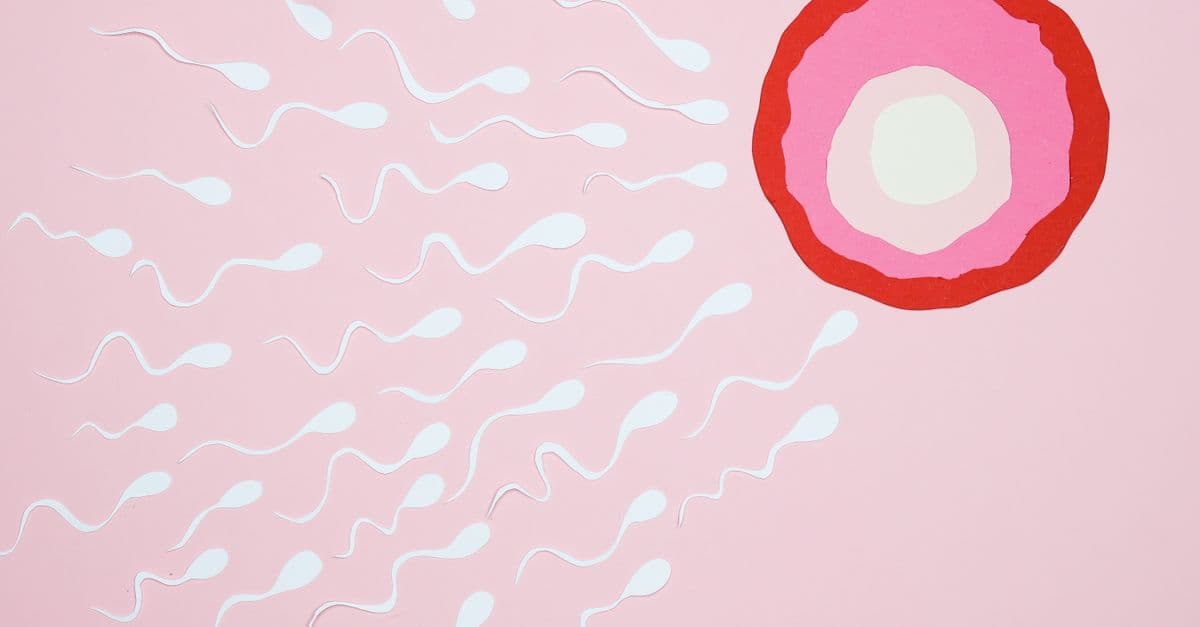
Photo: Nadezhda Moryak / Pexels
Human papillomavirus (HPV) is so common that the U.S. Centers for Disease Control and Prevention says nearly everyone will get it at some point, and in nine out of ten cases the immune system clears it within two years without anyone noticing. The cases that matter are the minority where a high-risk type lingers for years. The World Health Organization attributes about 76 percent of cervical cancers to just two types, HPV-16 and HPV-18. This article explains how the virus infects cells, how two of its proteins turn a harmless infection into a cancer risk, which cancers it causes, and what vaccination and screening have changed.
Educational content, not medical advice. This article describes general, well-established science and public health findings. Vaccination and screening decisions belong with a clinician who knows your history.
What HPV actually is
HPV is a family of small viruses that carry a circular DNA genome inside a protein shell with no outer membrane. That lack of an envelope matters: it makes the particles tough, able to survive drying and detergents better than enveloped viruses like HIV or influenza. More than 200 types have been identified, and they sort themselves by where they live and what they do.
- Cutaneous types infect skin and cause common warts on the hands and feet. These are a nuisance and rarely dangerous.
- Low-risk mucosal types, especially types 6 and 11, cause genital warts. They are benign growths that are unpleasant but almost never become cancer.
- High-risk mucosal types can drive cancer when infection persists. The best known are 16 and 18, and the group also includes 31, 33, 45, 52, and 58.
The classification reflects a historical argument. In the 1970s, the leading hypothesis was that herpes simplex virus caused cervical cancer. The German virologist Harald zur Hausen proposed HPV instead, and because the virus could not be grown in culture, he searched tumor tissue with DNA probes based on wart viruses. By 1983 his group had shown that certain HPV types were present in cervical cancer, work for which he shared the 2008 Nobel Prize in Physiology or Medicine, according to the Nobel Prize site. That finding is the reason a vaccine against a cancer exists at all.
For a broader grounding in how viruses reproduce, including why DNA viruses differ from RNA viruses, see our guide to how viruses work.
How common it is
The numbers are large enough to be hard to picture. The CDC reports that more than 42 million Americans have HPV types that cause disease, and about 13 million Americans, including teenagers, become newly infected each year. About nine out of ten infections go away on their own within two years. WHO makes the same point at global scale: almost all sexually active people will be infected at some point, usually without symptoms, and most infections clear.
That combination of high prevalence and high clearance is the key to the epidemiology. Infection is not the same as disease, and disease is not the same as cancer. Think of HPV infection like a seed landing on soil: nearly every seed fails to establish itself, and only the few that persist for years have any chance of becoming a tumor.
How HPV infects a cell
HPV has an unusual life cycle because it is tied to the structure of the tissue it infects. Skin and the linings of the cervix, anus, and throat are stratified epithelia: layers of cells in which the youngest, dividing cells sit at the bottom (the basal layer) and older cells mature and move upward until they are shed at the surface. The virus is built around that conveyor belt.
- Entry. HPV cannot reach basal cells through intact surface. It needs a micro-abrasion or a naturally thin spot where basal cells are exposed. The virus binds receptors on those cells and is taken in.
- Quiet maintenance. Inside the nucleus, the viral genome persists as a small circular piece of DNA separate from the host chromosomes, called an episome. It makes few viral proteins at this stage, which keeps the infection below the immune system's radar.
- Copying along with the cell. When a basal cell divides, the viral genome is copied too and passed on to daughter cells. The infected tissue renews itself and the virus comes along.
- Amplification near the surface. As cells differentiate and move up, the virus switches on, making many copies of its genome and producing capsid proteins (the structural pieces of the shell).
- Assembly and shedding. New particles assemble in the outermost layers and are released as dead surface cells flake off, with no cell bursting and little inflammation.
This design is why the immune system often misses HPV. The virus produces most of its proteins only in cells that were about to be shed anyway, far from the blood vessels and lymph nodes where immune surveillance is strongest. A virus that causes little damage and little alarm is a virus that can persist, and persistence is exactly what the high-risk types exploit.
How HPV causes cancer
The step from persistent infection to cancer runs through two viral genes, E6 and E7. In a normal infection they help the virus keep infected cells dividing so that the genome can be copied. In high-risk types, their versions bind host proteins with unusual strength.
- E6 targets p53. The protein p53 is often called the guardian of the genome because it detects DNA damage and either pauses the cell cycle for repair or triggers the cell to self-destruct. E6 recruits a host enzyme called E6AP, an E3 ubiquitin ligase (a protein that tags other proteins for destruction), and the complex marks p53 for degradation. With p53 gone, a damaged cell survives.
- E7 targets Rb. The retinoblastoma protein, Rb, acts as a gate on the cell cycle by holding back a family of transcription factors called E2F. E7 binds Rb and promotes its breakdown, which releases E2F and pushes the cell to divide when it should not.
Taken together, E6 and E7 do something like cutting both the brakes and the handbrake on a vehicle. The cell keeps dividing, and the safeguards that would stop it when errors accumulate are disabled. Those errors do accumulate, because rapidly dividing cells with weakened repair copy DNA badly.
A second event often locks the process in. In many cancers, the viral DNA integrates into a host chromosome. Integration frequently disrupts another viral gene, E2, which normally holds E6 and E7 expression in check, so the cancer-promoting genes run unchecked. This is one reason integrated, high-risk infections are more dangerous than episomal ones.
The process is slow. WHO says that progression from infection to cervical cancer usually takes 15 to 20 years, and 5 to 10 years in women with weakened immune systems, such as those with untreated HIV. In between, the cervix passes through precancerous stages. These are graded as cervical intraepithelial neoplasia (CIN) 1, 2, and 3, with grade 3 being the most advanced stage before invasive cancer. The slow pace is the reason screening works: there is a long window in which abnormal cells can be found and removed.
It is also why HPV is a cause but not a sufficient cause. The infection has to persist, be a high-risk type, and be accompanied by enough additional genetic damage. Smoking, a weakened immune system, and other factors affect the odds, and women living with HIV are six times more likely to develop cervical cancer, according to the WHO cervical cancer fact sheet. The biology of how the immune system recognizes and kills infected cells is explained in our article on how the immune system recognizes threats, and the broader logic of how cells escape growth controls is in our piece on what causes cancer.
Which cancers HPV causes
HPV is best known for cervical cancer, but it causes cancers at several sites. The CDC estimates that about 49,908 HPV-associated cancers were diagnosed in the United States each year from 2018 to 2022, of which 27,081 occurred in females and 22,827 in males. About 39,300 of those cases per year (79 percent) were attributable to HPV, because some cancers at these sites have other causes. Roughly 10 percent of cervical and anal cases, 30 percent of oropharyngeal, vaginal, and vulvar cases, and 40 percent of penile cases are HPV-negative, according to the CDC's cancer statistics summary.
The sites include:
- Cervix. The most common HPV-associated cancer in females. WHO estimates about 604,000 new cases and about 280,000 deaths worldwide in 2024, making it the fifth most common cancer in women.
- Oropharynx (the back of the throat, tonsils, and base of the tongue). In the CDC data it is the most common HPV-associated cancer among males.
- Anus, vagina, vulva, and penis. Less common but also linked to the same high-risk types.
Globally, a 2018 analysis led by the International Agency for Research on Cancer found that infections caused about 2.2 million new cancer cases, 13 percent of all cancers that year. By pathogen, Helicobacter pylori accounted for about 810,000 cases, HPV about 690,000, hepatitis B about 360,000, and hepatitis C about 160,000, according to the paper's abstract in The Lancet Global Health (de Martel et al., 2020; see the IARC summary).
| Infection | Cancers caused | New cancer cases, 2018 | Vaccine available |
|---|---|---|---|
| Helicobacter pylori | Stomach and related cancers | About 810,000 | No |
| HPV | Cervical, anal, throat, and others | About 690,000 | Yes |
| Hepatitis B virus | Liver | About 360,000 | Yes |
| Hepatitis C virus | Liver | About 160,000 | No (curable) |
Source: de Martel C, et al. Lancet Glob Health 2020, with vaccine availability from WHO. Counts are estimates for 2018.
Two contrasts stand out. HPV is the only infection on that list where a vaccine exists against both the infection and most of the cancers it causes, and it is the only one where the main cancer, cervical, can also be caught at a precancer stage by screening. The case for prevention is unusually strong, which is why public health agencies treat HPV as a model for cancer prevention.
How the vaccines work
HPV vaccines are made from virus-like particles (VLPs). The L1 protein, the major protein of the viral shell, assembles spontaneously into empty shells that look like real virus to the immune system. They contain no viral DNA, so they cannot infect cells or replicate. Think of a flight simulator rather than a plane: it reproduces the visible features the immune system needs to learn, without the danger of the real thing.
The immune system responds with high levels of antibodies that can neutralize the virus before it reaches basal cells. Because the target is the incoming virus rather than an established infection, the vaccine is most effective when given before exposure. For the general mechanism of how vaccines build lasting immune memory, see our article on how vaccines train memory B cells.
WHO says there were eight licensed HPV vaccines as of 2025, five of them prequalified by WHO. The version most used in the United States, Gardasil 9, protects against nine types: 6, 11, 16, 18, 31, 33, 45, 52, and 58. The CDC says the vaccine has the potential to prevent more than 90 percent of cancers caused by HPV. The CDC reports that, since vaccination began in the United States in 2006, infections with the most cancer-causing HPV types and genital warts dropped 88 percent among teen girls and 81 percent among young adult women, and that cervical precancers caused by the types most linked to cervical cancer dropped 40 percent among vaccinated women, per the CDC HPV vaccine page.
The schedule depends on age. In the United States, children get two doses 6 to 12 months apart starting at ages 11 to 12, and vaccination can start at age 9. Three doses are needed for people who start between ages 15 and 26 and for people with weakened immune systems. Adults aged 27 to 45 may decide to be vaccinated after talking with a doctor, because the benefit is smaller for people who have likely already been exposed. WHO recommends vaccination for girls aged 9 to 14 and describes either one or two doses depending on the national schedule. In 2024, WHO confirmed that the vaccine Cecolin can be used in a single-dose schedule, making it the fourth WHO-prequalified HPV vaccine with that option, and by September 2024 57 countries were using single-dose schedules, according to the WHO announcement. One-dose coverage among girls aged 9 to 14 rose from 20 percent in 2022 to 27 percent in 2023, which is still far from the 90 percent target.
What the evidence shows on cancer itself
Vaccines were first judged on infections and precancers, because cancer takes so long to develop. By now, enough time has passed for direct cancer data to appear. Two large studies stand out.
A Swedish study published in the New England Journal of Medicine in 2020 followed 1,672,983 girls and women aged 10 to 30 from 2006 through 2017. Among the 527,871 who had received at least one dose of the quadrivalent vaccine, 19 were diagnosed with invasive cervical cancer, compared with 538 among the 1,145,112 who had never been vaccinated. After adjustment, women vaccinated before age 17 had an incidence rate ratio of 0.12, roughly an 88 percent reduction, with a cumulative incidence of 4 cases per 100,000 by age 28. For women vaccinated between 17 and 30, the ratio was 0.47, about a 53 percent reduction, as summarized by The ASCO Post. The gap between those two figures is the whole logic of early vaccination: protection is much larger when the vaccine is given before exposure.
In January 2024, Public Health Scotland, with the universities of Strathclyde and Edinburgh, reported in the Journal of the National Cancer Institute that no cervical cancer cases had been detected among fully vaccinated women who had their first dose at age 12 or 13 since the Scottish program began in 2008. The researchers framed the result carefully. It reflects follow-up to date, applies to that vaccination age group, and does not remove the need for screening, because the vaccine does not cover every cancer-causing type. The findings are described on the Public Health Scotland site.
Both studies are observational, which means they cannot rule out every difference between vaccinated and unvaccinated groups. Their strength lies in how consistent they are with the randomized trial results on precancer and with the known biology: stop the infection and the cancer has nothing to grow from.
Warts, abnormal results, and what they do and do not mean
Not every HPV finding points toward cancer, and the difference between findings is where much of the public confusion sits. Genital warts come mainly from the low-risk types 6 and 11. They are benign, can be treated by removal, and are not a stage on the way to cervical cancer, which is why a person can have warts and a negative high-risk test, or the reverse. Gardasil 9 includes both of those types alongside seven high-risk types, so it addresses both problems at once. The CDC reports that among teen girls, infections with the most cancer-causing types dropped 88 percent after vaccination began, and that fewer teens and young adults are getting genital warts.
An abnormal screening result is a different category. A cervical test can detect high-risk HPV, abnormal cells, or both. Detecting high-risk HPV means the virus is present, not that cancer exists. Finding abnormal cells means the tissue shows changes that deserve a closer look, usually by examining the cervix with magnification and taking a small sample. Mild changes frequently resolve by themselves because the immune system clears the infection. More advanced precancerous changes are the ones that are removed, since they have a meaningful chance of progressing if left alone.
This graded approach is what makes cervical screening unusual among cancer screening programs. The goal is not only to find cancers early but to find the lesions that come before cancer, and to treat those so the cancer never forms. A program that works well therefore reduces the number of cancers diagnosed, not just the stage at which they are found. The same logic underlies the WHO targets for treatment of precancer, discussed below.
People with weakened immune systems are a group where the margin for error is smaller. WHO notes that women living with HIV are six times more likely to develop cervical cancer, that progression can take as little as 5 to 10 years, and that these women should be screened more frequently and from an earlier age. WHO also recommends that people with weakened immune systems ideally receive two or three vaccine doses rather than one. The connection to HIV is one reason the two diseases are often discussed together in global health programs, and the HIV explainer linked at the end of this article covers the other side of that relationship.
Screening still matters
Vaccination changes the odds but does not replace screening. Gardasil 9 covers the types behind most cervical cancers, not all of them, and many people alive today were not vaccinated as adolescents. Screening works on a different principle: it finds the abnormal cells that appear years before invasive cancer.
Modern programs increasingly test directly for high-risk HPV DNA rather than relying only on the Pap smear, which examines cells under a microscope for abnormal changes. WHO recommends a high-performance test, such as HPV testing, every 5 to 10 years starting at age 30 for the general population, and every 3 to 5 years starting at age 25 for women living with HIV. When a test is positive, follow-up can include examining the cervix and removing abnormal tissue in an outpatient procedure, which prevents most precancers from ever becoming invasive.
The numbers on cancer burden reflect where screening reaches. WHO says the highest rates of cervical cancer incidence and mortality are in low- and middle-income countries, where screening and treatment access are limited.
The path to elimination
In 2020, WHO set a goal of eliminating cervical cancer as a public health problem, with elimination defined as fewer than four new cases per 100,000 women per year. The strategy has three pillars with targets for 2030:
| Pillar | 2030 target |
|---|---|
| Vaccination | 90% of girls fully vaccinated by age 15 |
| Screening | 70% of women screened with a high-performance test by age 35 and again by age 45 |
| Treatment | 90% of women with precancer or invasive cancer treated |
Source: WHO cervical cancer fact sheet.
WHO's modeling estimates that achieving elimination could avert 74 million new cases and 62 million deaths by 2120. Australia is often cited as a leading candidate. It was an early adopter of HPV vaccination for girls and young women, and a government report from November 2025 says the country is on track to eliminate cervical cancer by 2035. The national rate was 6.3 cases per 100,000 women in 2021, down from 6.6 in 2020, and no cases were diagnosed in women under 25 in 2021, the first such year since records began in 1982, according to the Australian government release. The same release carries a warning: both vaccination and screening participation declined slightly from earlier years, and the 2035 date is described as on track, not assured.
The pattern is a reminder that elimination depends on coverage. Where one dose can be delivered cheaply to many girls and screening reaches adult women, rates fall. Where either fails, the cancer continues to cause deaths that no longer have to occur.
Common misconceptions
"HPV only affects women." HPV infects men too. In the CDC data, about 22,827 HPV-associated cancers occurred in men per year in the United States from 2018 to 2022, with oropharyngeal cancer the most common among them.
"If you have HPV, you will get cancer." Most infections clear. The CDC says about nine in ten go away within two years, and cancer requires persistence of a high-risk type over many years.
"The vaccine is only for people who are not yet sexually active." The benefit is greatest before exposure, but vaccination can still prevent infection with types a person has not yet encountered. U.S. guidance allows a shared decision with a clinician for adults aged 27 to 45.
"Vaccinated people can skip screening." The vaccine does not cover every cancer-causing type, which is why health agencies continue to recommend screening.
"A positive HPV test tells you when and from whom the infection came." It does not. An infection can persist for years, and a single test cannot date when it was acquired.
What this means
HPV shows how a common, mostly harmless infection can become a rare, serious cancer through a specific molecular route: persistent infection, E6 and E7 disabling p53 and Rb, integration into the genome, and years of accumulated damage. Every step is also an opportunity for prevention. A vaccine can block entry, screening can find abnormal cells during the long window before cancer, and simple treatment can remove them. The result is that cervical cancer, historically one of the leading cancers among women, is one of the few cancers with a realistic path to elimination. What decides whether that happens is not the biology, which is well understood, but whether vaccination and screening reach the people who have not yet had them.
Frequently asked questions
Q: How common is HPV? A: Very. The CDC says nearly everyone will get HPV at some point, and about 13 million Americans become newly infected each year. About nine in ten infections go away on their own within two years.
Q: Can men get cancer from HPV? A: Yes. In the United States from 2018 to 2022, about 22,827 HPV-associated cancers per year occurred in males, and oropharyngeal cancer was the most common type among them, per CDC statistics.
Q: Which HPV types cause cervical cancer? A: Several high-risk types, but HPV-16 and HPV-18 cause about 76 percent of cases, according to WHO. Types 31, 33, 45, 52, and 58 are also high-risk and are covered by Gardasil 9.
Q: How long does it take for HPV to cause cancer? A: WHO says progression to cervical cancer usually takes 15 to 20 years, and 5 to 10 years in women with weakened immune systems. This long window is what makes screening effective.
Q: Is the HPV vaccine effective against cancer? A: Observational data point strongly to yes. A Swedish study found women vaccinated before age 17 had an 88 percent lower risk of invasive cervical cancer, and Scotland reported no cervical cancers to date among fully vaccinated women who got their first dose at age 12 or 13.
Q: Is HPV vaccination safe? A: The CDC reports that common effects are mild, such as arm pain, redness, swelling, fever, dizziness, headache, and fainting, and recommends sitting or lying down for 15 minutes after the shot. People with a life-threatening allergy to a vaccine ingredient should not receive it. Specific questions belong with a clinician.
Q: Can adults still benefit from the vaccine? A: In the United States, the CDC says vaccination is not recommended for everyone over 26, but some adults aged 27 to 45 may decide to get it after talking with a doctor. The benefit declines with age because prior exposure is more likely.
Q: Is there a treatment for an HPV infection itself? A: There is no antiviral that clears the infection, because the immune system does that in most people. What can be treated are the consequences: warts can be removed, and abnormal cervical tissue can be excised before it becomes cancer.
Sources
- WHO. Cervical cancer fact sheet, July 3, 2026 (2024 estimates).
- WHO. HPV and cervical cancer fact sheet and single-dose vaccine announcement, October 4, 2024.
- CDC. About HPV and HPV vaccines.
- CDC. Cancers associated with human papillomavirus, 2018-2022.
- de Martel C, et al. Global burden of cancer attributable to infections in 2018. Lancet Glob Health 2020; IARC summary.
- Lei J, et al. HPV vaccination and the risk of invasive cervical cancer. N Engl J Med 2020, via The ASCO Post.
- Public Health Scotland. No cervical cancer cases detected in vaccinated women, January 2024.
- Australian Government. Australia on track to eliminate cervical cancer by 2035, November 2025.
For related virus coverage, see our explainers on HIV and measles. For the history of vaccination more broadly, see how vaccines were invented, and for how machine learning is being used on cancer screening, our piece on AI cancer detection.
Read next:
Follow new articles
Add SciHub101 to your feed reader to see new science and technology stories.
About the Author
SciHub101 is an independent science and technology publication founded and edited by Buğra Sözeri, a software engineer and app developer based in Türkiye. AI tools assist with drafting and research. Source documentation in the existing archive is uneven, and articles are being reviewed and corrected. The Editorial Team byline identifies editorial responsibility; it does not certify specialist or independent human review. Where we compare products, anything built by our own team is labelled as such — see the editorial guidelines and About page for how corrections and disclosures work.
Related Articles
RSV Explained — How Respiratory Syncytial Virus Works
RSV explained: how respiratory syncytial virus infects airways, why it hits infants and older adults hard, and how new vaccines and antibodies work.
Mpox (Monkeypox) Explained — How the Virus Works in 2026
Mpox explained: how monkeypox virus infects cells, spreads, and caused two global emergencies in 2022 and 2024, plus vaccine and treatment evidence.
Hepatitis B and C Explained — How They Damage the Liver
Hepatitis B and C explained: how each virus infects liver cells, why HCV is curable in 8 to 12 weeks, and why HBV is suppressed but not yet cured.
Rabies Virus Explained — Nearly 100% Fatal, Almost 100% Preventable
Rabies virus explained: how it travels nerves to the brain, why symptoms are almost always fatal, and how wound care, vaccine, and immune globulin stop it.
Measles Virus Explained — Why It's Coming Back in 2026
How measles spreads, why it erases immune memory, what the MMR vaccine does, and why cases are rising, with 2024-2026 data from WHO, CDC, and PAHO.
Influenza Virus Explained — How Seasonal Flu Actually Works
Influenza virus explained: how flu infects cells, why it drifts and shifts, how vaccines are chosen, and why effectiveness swings from season to season.