thermoregulation
9 articles tagged with #thermoregulation

Human Body
Why Do We Shiver? The Science of Thermoregulation
Shivering is an involuntary muscle contraction that generates heat when your body temperature drops below its set point. Your hypothalamus acts as a thermostat, detecting temperature changes through cold receptors and triggering both shivering and non-shivering heat production. Brown fat provides extra warmth in infants, while shivering during fever occurs because your body's target temperature has been reset upward. Understanding this physiological response reveals how your nervous system maintains the narrow 37°C window needed for survival.
Human Body
Why Do We Get Fevers? The Science of the Fever Response
A fever is not an illness but a weapon—your immune system's coordinated response to infection that raises your body's set-point temperature. When pathogens invade, immune cells release signaling molecules called pyrogens that travel to the brain and reset the temperature thermostat from 37°C to 39°C or higher. This increase is controlled and purposeful: the higher temperature slows bacterial growth, accelerates immune cell activity, and enhances antiviral proteins. Understanding fever as an adaptive defense explains why suppressing it indiscriminately can sometimes hinder recovery, yet also reveals when dangerous fevers require immediate treatment.
Human Body
How the Body Regulates Temperature: The Hypothalamic Thermostat, Sweating, Shivering, and Fever
The human body maintains core temperature within a range of less than 1°C (1.8°F) despite external temperatures swinging 60°C or more across seasons, and despite internal heat generation that — in hard exercise — rises to 20 times the resting rate. This precision requires a thermostat, an active cooling system, an emergency heating system, and dedicated fat that burns itself to generate warmth. None of it is conscious. Here is how thermoregulation actually works.

Human Body
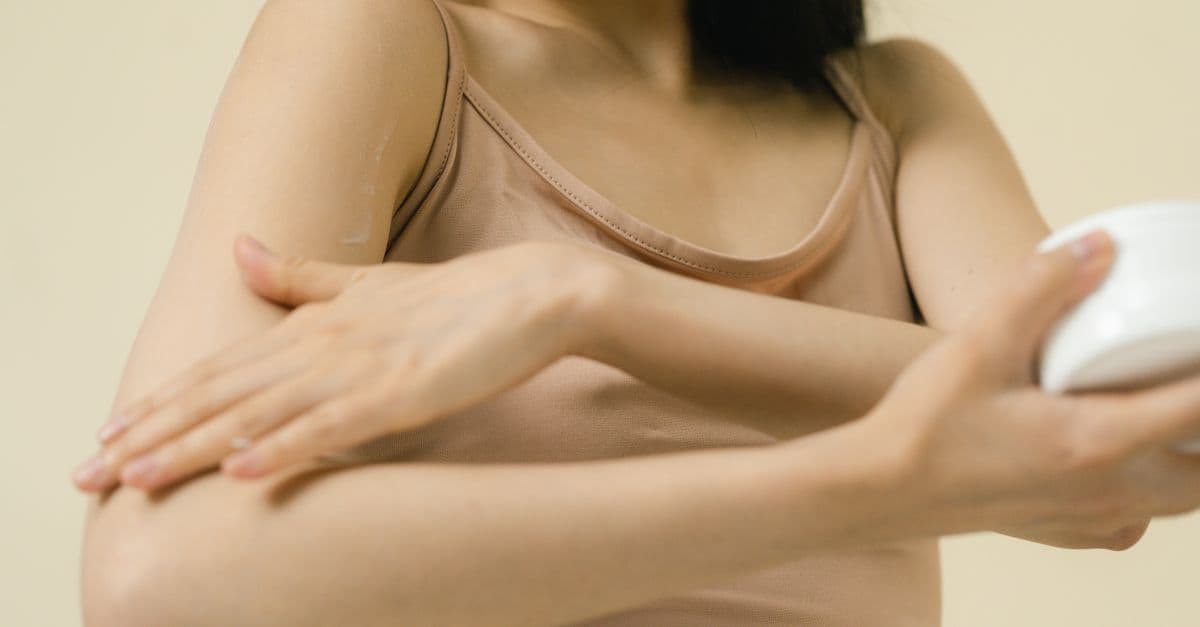
How the Skin Works: The Body's Largest Organ Explained
The skin covers 1.5 to 2 square meters, makes up about 16% of adult body weight, replaces its waterproof outer layer roughly every four weeks, cools you with sweat, builds vitamin D from sunlight, and reads touch through specialized receptors. Here is how each part works.
Biology & Health
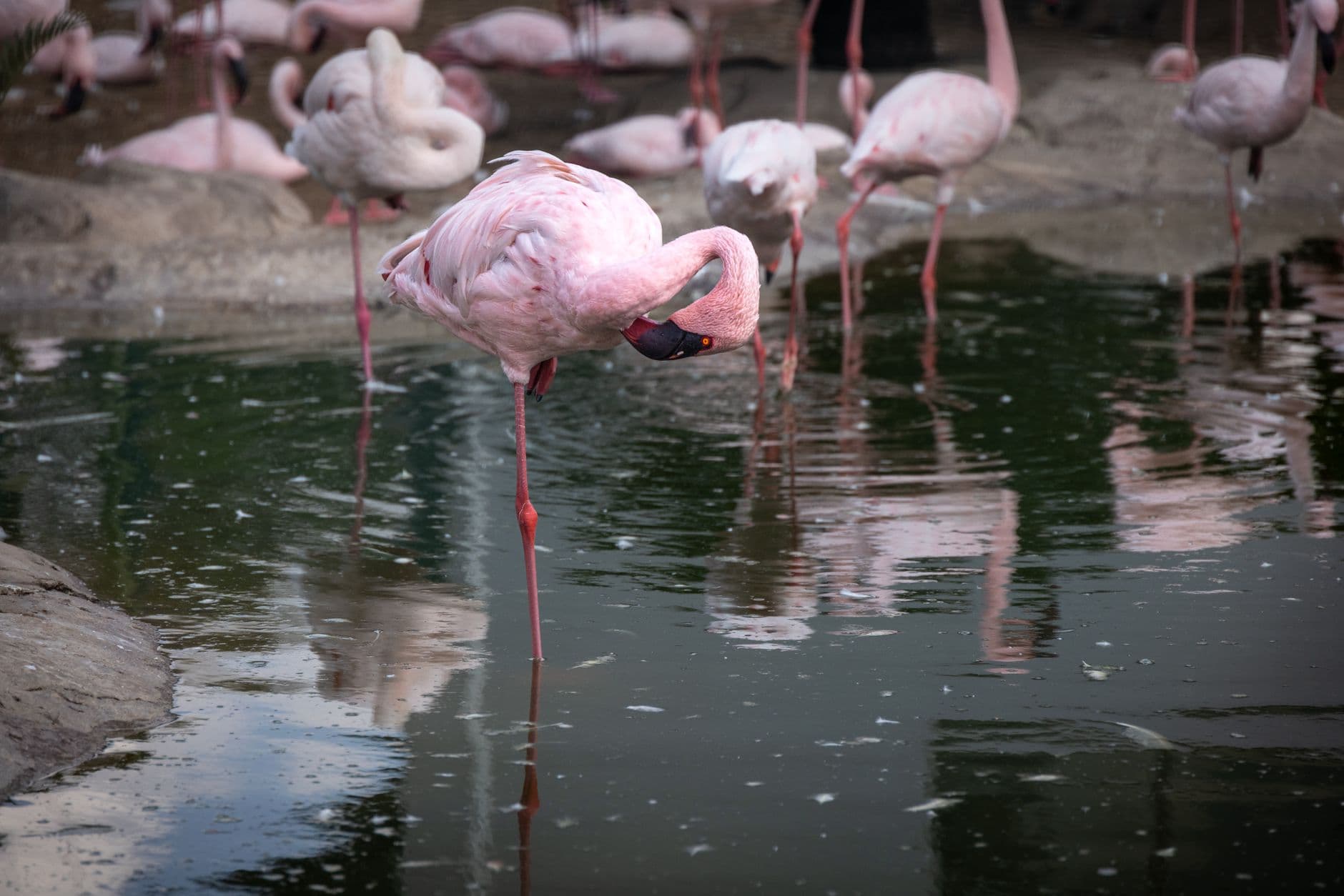
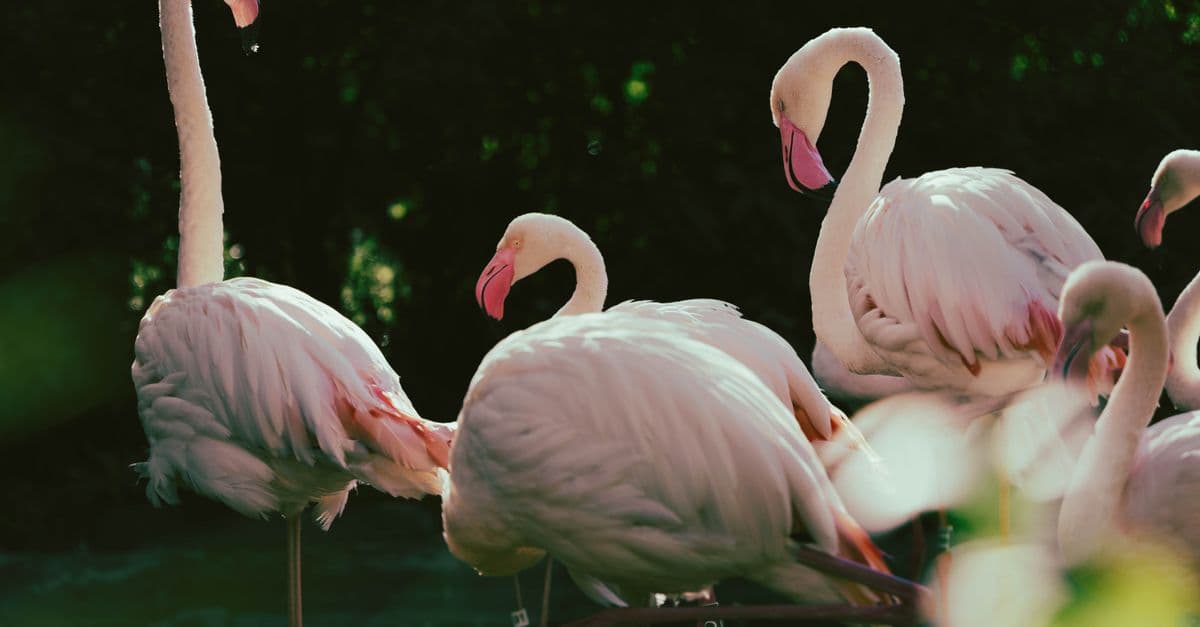
Why Do Flamingos Stand on One Leg? The Science
Flamingos stand on one leg because it's literally easier than two. The biomechanics, thermoregulation, and evolution behind the pink pose.

Biology & Health
Why Do We Shiver? Body's Heat-Making Reflex
Why do we shiver when cold? Inside the hypothalamus, muscle thermogenesis, brown fat (BAT), fever shivers, and what infants do instead.
Biology & Health
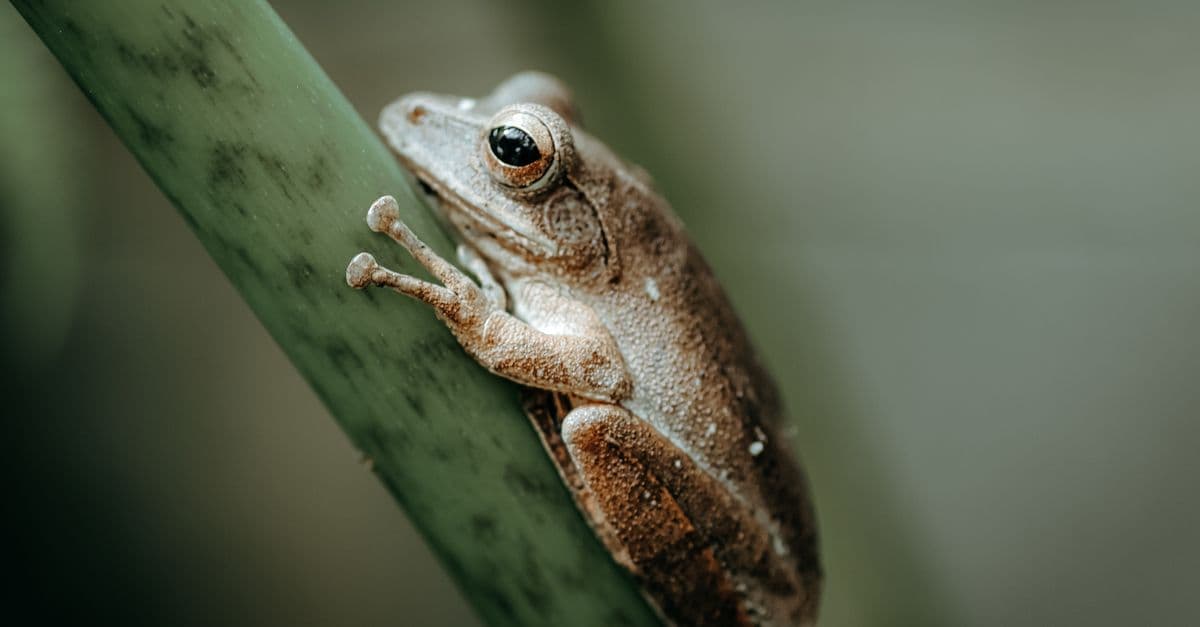
How Chameleons Change Color: The Physics Inside Living Skin
Chameleons don't change color with pigment — they tune light like a crystal, rearranging nanostructures to shift wavelengths in seconds.