Skip to content
ISSUE 10.17.26/24 CATEGORIES

shivering

3 articles tagged with #shivering

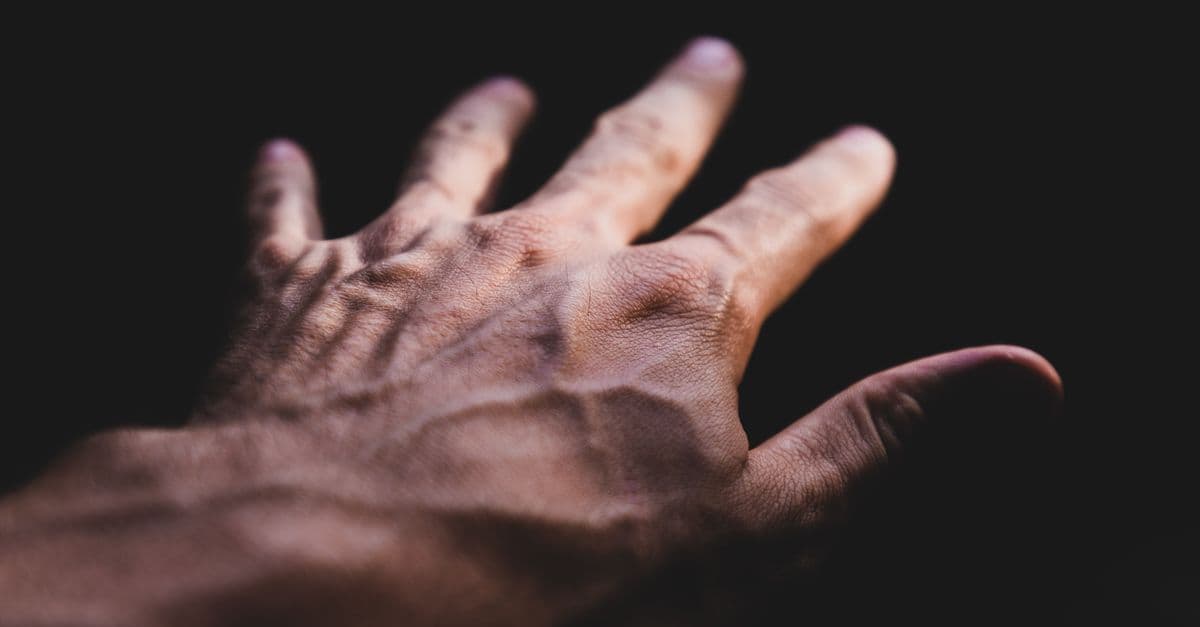
Detailed image of a human hand showing prominent veins against a dark background.
Human Body

Why Do We Shiver? The Science of Thermoregulation

Shivering is an involuntary muscle contraction that generates heat when your body temperature drops below its set point. Your hypothalamus acts as a thermostat, detecting temperature changes through cold receptors and triggering both shivering and non-shivering heat production. Brown fat provides extra warmth in infants, while shivering during fever occurs because your body's target temperature has been reset upward. Understanding this physiological response reveals how your nervous system maintains the narrow 37°C window needed for survival.


Editorial Team·June 26, 2026·15 min
Close-up of a woman applying moisturizer to her arm in a studio setting.
Human Body

How the Body Regulates Temperature: The Hypothalamic Thermostat, Sweating, Shivering, and Fever

The human body maintains core temperature within a range of less than 1°C (1.8°F) despite external temperatures swinging 60°C or more across seasons, and despite internal heat generation that — in hard exercise — rises to 20 times the resting rate. This precision requires a thermostat, an active cooling system, an emergency heating system, and dedicated fat that burns itself to generate warmth. None of it is conscious. Here is how thermoregulation actually works.

Editorial Team·June 2, 2026·17 min