Skip to content
ISSUE 10.29.26/24 CATEGORIES

longevity

13 articles tagged with #longevity

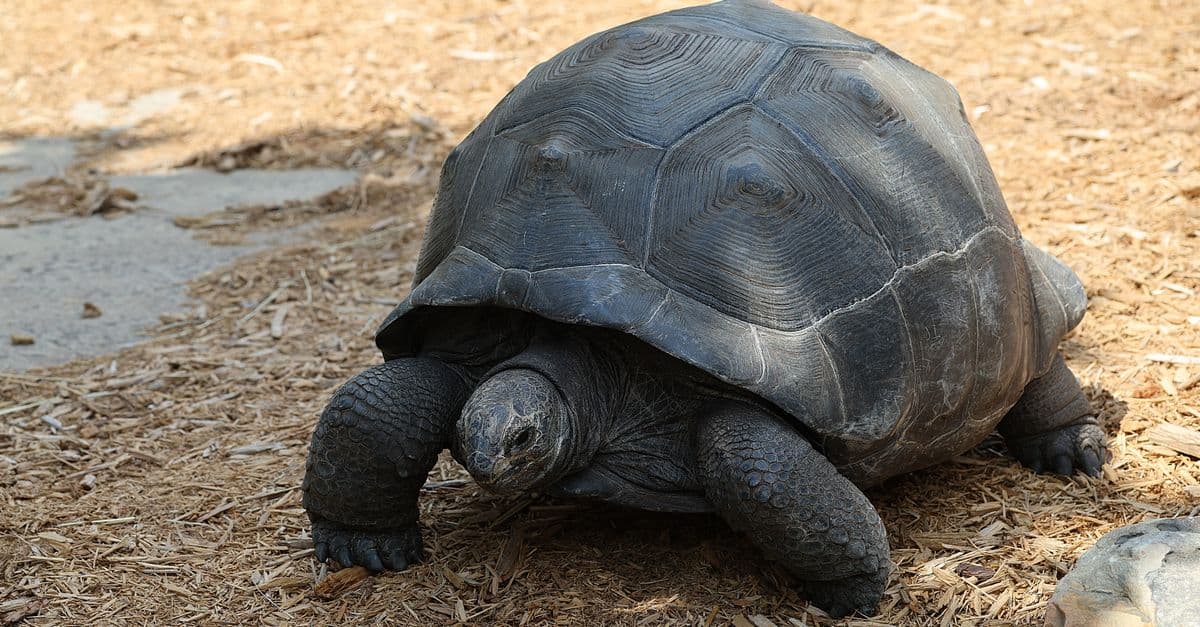
Close-up of a giant tortoise in a zoo habitat, showcasing its textured shell and rugged environment.
World Records

The Longest-Living Animals on Earth: From 500-Year Clams to the Immortal Jellyfish

In 2006, researchers dredged a clam from the seabed off Iceland and counted the rings on its shell. The number stopped them cold: 507 years. The animal, later nicknamed Ming, had been alive since before Columbus sailed. It is the oldest individual animal ever reliably aged — but it isn't even the strangest entry on this list. One creature appears to cheat death entirely, reversing its own aging on demand.

Editorial Team·June 14, 2026·23 min
A person walking on a treadmill in a modern gym setting, focusing on fitness.
Blog

The Case for Walking: Why the Simplest Exercise Is the Most Underrated

Walking is the most underrated exercise in health discourse, overshadowed by high-intensity training, resistance work, and achievement-oriented fitness. Yet the evidence associates regular walking with cognitive benefits, cardiovascular health, mental health, and longevity gains. A 2022 meta-analysis linked daily walks of 7,000-8,000 steps to 40% lower mortality compared to sedentary lifestyles. Walking boosts BDNF (brain-derived neurotrophic factor), supporting memory and cognitive function. Moderate-paced walking improves creative problem-solving compared to seated work. Walking is sustainable: 80% of people maintain a regular walking habit after one year, compared to 20-30% for gym memberships. This guide covers the research on walking's cognitive and physiological effects, honest discussion of effect sizes, and why accessibility beats intensity for population-level health. Walking is not the most intense exercise; it is among the most valuable.

Editorial Team·June 4, 2026·15 min
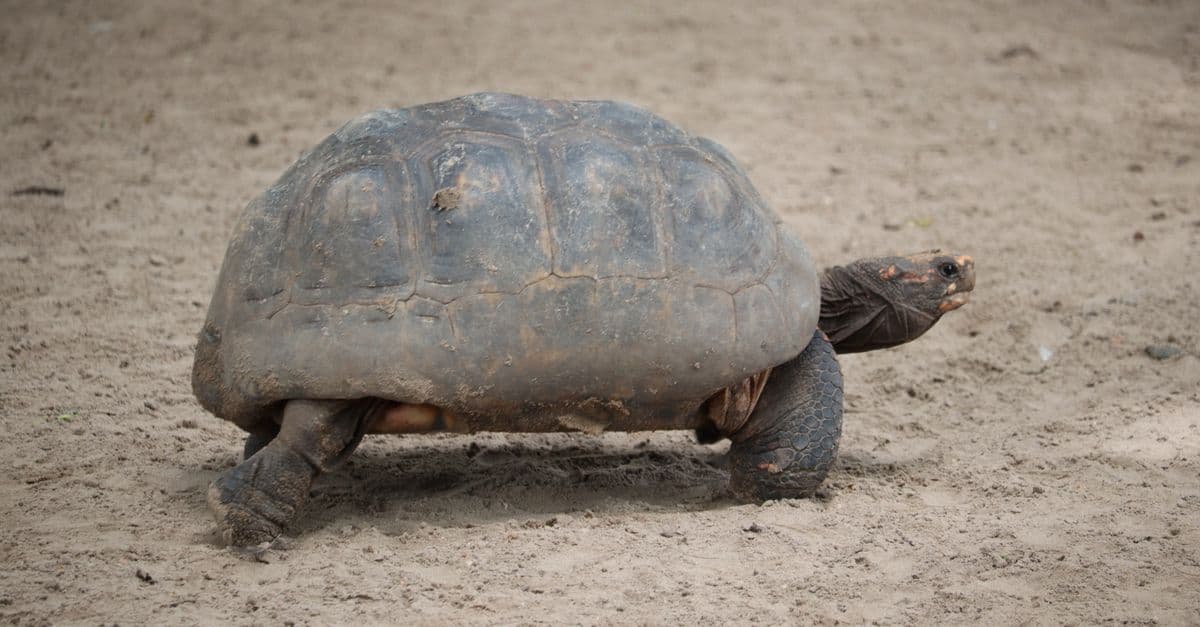
A large tortoise walking slowly across a sandy beach, showcasing its rugged shell.
Animals

The Longest-Living Animals Explained: Biology of Extreme Longevity

A Greenland shark alive today may have been born before the Thirty Years' War ended in 1648. An ocean quahog clam called Ming was 507 years old when researchers accidentally killed it by opening its shell. A bowhead whale carries harpoon fragments from weapons manufactured in the 1800s, embedded in its blubber for over a century. Extreme longevity in animals is not accidental — it is the product of specific biological mechanisms that researchers are now mapping in molecular detail.

Editorial Team·June 2, 2026·15 min
Crop anonymous homosexual diverse friends with naked torso cuddling on gray background of studio
Human Body

Why Do We Age? The Science of Aging Explained

Aging is not a disease, a single clock winding down, or an inevitable consequence of time passing. It is a set of overlapping molecular failures that accumulate faster than cells can repair them. Researchers have now identified twelve distinct hallmarks that drive this process — and several of them can be slowed, at least in model organisms.

Editorial Team·June 2, 2026·15 min
Elderly man in blue shirt lifting dumbbells and smiling indoors, promoting active lifestyle.
Biology & Health

Countries with the Highest Life Expectancy (Ranked)

Japan's women live to an average of 87.7 years — the longest female life expectancy ever recorded for a large country. At the national level, Hong Kong leads all territories at 85.5 years, while Japan tops sovereign nations at 84.7. This is a story of diet, healthcare, culture, and the biology of longevity.

Editorial Team·June 2, 2026·18 min
Page 1 of 2Next →