Coral Reefs Explained — Rainforests of the Sea
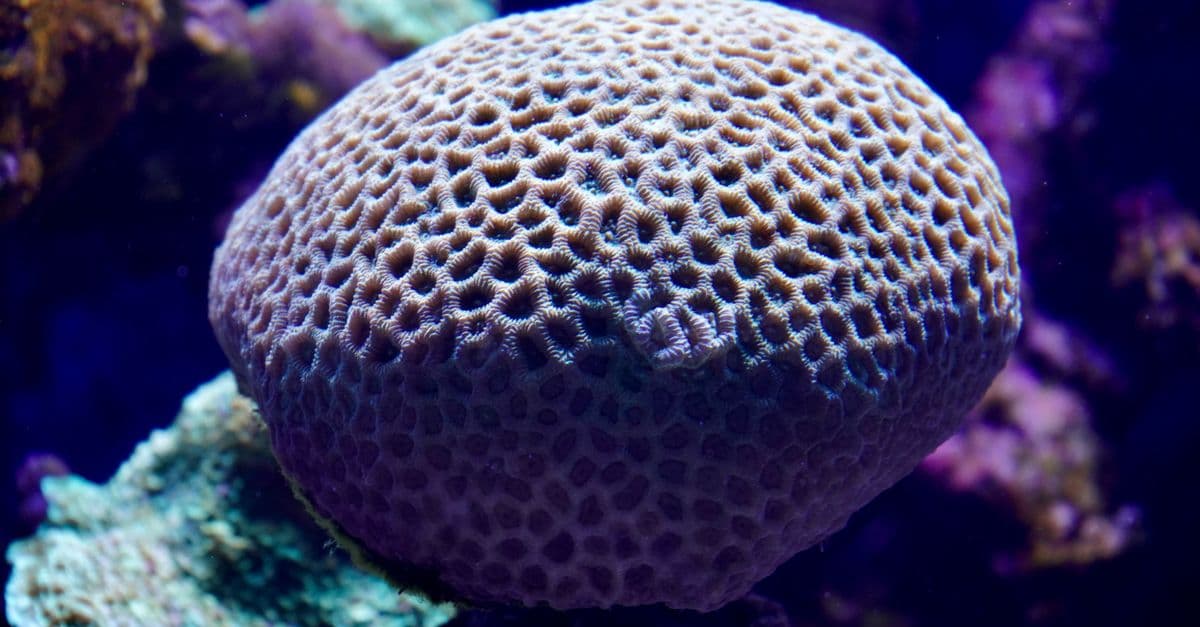
Photo: Жанна Алимкулова / Pexels
Coral reefs cover less than 0.1% of the ocean floor but harbor 25% of all known marine species, supporting a billion people through fisheries while providing $375 billion in annual ecosystem services. Yet the 2024 confirmation of the fourth global coral bleaching event demonstrates that reefs are dying faster than we can study or save them — in some basins, 90% may be gone by 2100 if emissions continue unchecked. Understanding what corals are, how they thrive, why they bleach, and what conservation can still achieve is essential to grasping one of Earth's most urgent ecological crises.
Corals Are Animals, Not Plants or Rocks
Despite their plant-like appearance and rock-hard skeletons, corals are animals. They belong to the phylum Cnidaria — the same group as jellyfish, sea anemones, and hydras. A coral colony is made of thousands of tiny individual animals called polyps, each typically a few millimeters across.
Each polyp has a simple body plan: a sac-like gut with a single opening, ringed by stinging tentacles. Polyps capture plankton at night using nematocysts — microscopic harpoons identical to those in jellyfish. During the day, most reef-building (hermatypic) corals rely on a very different food source.
The Coral-Algae Symbiosis
The defining feature of reef-building corals is their partnership with zooxanthellae — single-celled photosynthetic algae (genus Symbiodinium) that live inside coral tissues. The relationship is mutualistic:
- The coral provides shelter, CO₂, and nitrogen waste products
- The algae perform photosynthesis and pass sugars, glycerol, and amino acids back to the coral
- These photosynthetic products supply up to 90% of the coral's energy needs
This is why reef-building corals only grow in clear, sunlit, shallow tropical waters — typically less than 60 meters deep and between 23°N and 23°S latitude. They need light for their algal partners.
The symbiosis also drives the calcification that builds reefs. Corals secrete calcium carbonate (aragonite) skeletons from the base of each polyp. Over centuries to millennia, accumulated skeletons form structures large enough to be visible from space.
Reef Architecture
Three classic reef types, first systematized by Charles Darwin in 1842:
- Fringing reefs — grow directly from the shoreline of an island or continent. Common throughout the Red Sea and Caribbean.
- Barrier reefs — separated from land by a deep lagoon. The Great Barrier Reef off Australia is the largest, stretching over 2,300 km and visible from low Earth orbit.
- Atolls — ring-shaped reefs surrounding a central lagoon, typically formed when a fringing reef continued growing as a volcanic island subsided beneath it. The Maldives and Marshall Islands are classic atoll nations.
A healthy reef is structurally complex — a three-dimensional maze of branches, plates, boulders, and crevices. This complexity provides habitat for the fish, mollusks, crustaceans, echinoderms, and microbes that make reefs the most species-rich marine ecosystems known.
Biodiversity by the Numbers
- ~6,000 species of corals worldwide (about 850 are reef-builders)
- Over 4,000 fish species live on coral reefs
- An estimated 1-9 million species total inhabit reef ecosystems (most undescribed)
- Reefs occupy ~284,300 km² globally — about the size of Italy
- They support fisheries that feed ~1 billion people
Coral Bleaching: How Reefs Die
When water temperatures exceed the local summer maximum by just 1-2°C for several weeks, the symbiosis breaks down. Stressed zooxanthellae produce toxic levels of reactive oxygen species, and corals expel them. Without their algae, corals lose their color (revealing the white skeleton beneath — hence "bleaching") and their primary food source.
A bleached coral isn't dead. If conditions improve within 4-8 weeks, it can recover. If stress persists, the coral starves. Mass bleaching events kill huge fractions of affected reefs:
- 1998 (1st global event) — killed ~16% of world's reefs
- 2010 (2nd) — widespread Caribbean and Indo-Pacific damage
- 2014-2017 (3rd) — most severe to that point; Great Barrier Reef lost ~50% of corals
- 2023-2024 (4th, confirmed by NOAA in April 2024) — most geographically widespread on record, affecting reefs in over 70 countries across all three tropical ocean basins
Threats to Reefs — Comparison
| Threat | Mechanism | Severity | Reversible? |
|---|---|---|---|
| Ocean warming | Bleaching, mortality | Critical | Only with emissions cuts |
| Ocean acidification | Reduced calcification | High and rising | Centuries to reverse |
| Overfishing | Removes herbivores; algae overgrow corals | High locally | Yes, with management |
| Coastal pollution | Nutrient runoff, sedimentation | High locally | Yes, with policy |
| Destructive fishing | Blast and cyanide fishing | Locally severe | Yes, with enforcement |
| Crown-of-thorns starfish | Eats coral polyps; outbreaks | Periodic | Yes, with control |
| Disease outbreaks | Stony coral tissue loss disease (Caribbean) | Severe regionally | Limited treatment |
| Tropical storms | Physical damage | Episodic | Yes, if reef is healthy |
Ocean acidification deserves special attention. As oceans absorb atmospheric CO₂, seawater pH drops (currently ~8.1, down from 8.2 pre-industrial). Lower pH reduces carbonate ion availability, making it harder for corals to build skeletons. For deeper context, see our article on ocean acidification.
Coral reproduction and reef resilience
Corals reproduce in two ways. Asexual reproduction — budding and fragmentation — is fast and clones the parent genetically. This produces polyp growth and sideways expansion of colonies. Sexual reproduction — spawn-release — is timed to mass annual events, often triggered by lunar cycles and temperature. During a spawning night, millions of coral gametes (eggs and sperm) are simultaneously released into the water column, creating a brief, coordinated mating opportunity.
Larval dispersal is critical to reef biodiversity. Coral larvae can drift thousands of kilometers on ocean currents before settling on suitable habitat. This connectivity allows isolated reefs to exchange genetic material and replenish populations. However, ocean currents are slowing in some regions due to climate change, fragmenting larval networks and reducing genetic rescue.
Reef health also depends on a specific fish assemblage. Herbivorous fish (parrotfish, surgeonfish) graze algae that would otherwise smother corals. Apex predators (sharks, groupers) control herbivore populations, preventing overgrazing. When overfishing removes these groups, reefs shift from coral-dominated to algae-dominated states — a regime shift that is difficult to reverse.
Source: Costanza et al., "Changes in the global value of ecosystem services," Global Environmental Change, 2014 — Quantitative assessment of reef ecosystem services and economic valuation framework.
Ocean acidification: the slower crisis
While bleaching dominates headlines, ocean acidification poses an equally serious, slower-moving threat. Atmospheric CO₂ dissolves in seawater, forming carbonic acid and lowering pH. Pre-industrial ocean pH was ~8.2; today it's ~8.1 — a 30% increase in acidity.
Carbonate buffering means that the pH has only dropped by 0.1 units, but the available carbonate (CO₃²⁻) ions have dropped by ~30%. Corals use carbonate to build aragonite (a form of calcium carbonate) skeletons. Lower carbonate concentration means corals must expend more metabolic energy to build and maintain skeletons. In lab experiments, elevated CO₂ reduces coral calcification rates by 10-50%, depending on species and conditions.
Pteropods — tiny swimming snails that are major food for fish, seabirds, and whales — have shell-dissolving experiments showing dramatic effects from acidification. In waters with pre-industrial carbonate levels, pteropod shells remain intact. In carbonate levels projected for 2050, shells dissolve within days of death.
The ocean will not return to pre-industrial pH for centuries even if emissions stop today. This is a slow-motion consequence already baked into the system.
Source: Hoegh-Guldberg et al., "Coral reef ecosystems under climate change and ocean acidification," Frontiers in Marine Science, 2017 — Integrated assessment of compound stressors on reef systems.
Regional reef systems: case studies
The Great Barrier Reef
The world's largest coral reef system, stretching 2,300 km along Australia's northeast coast, the GBR supports ~65,000 people directly through tourism and fishing and contributes ~$7 billion annually to the Australian economy. Yet it has lost approximately 50% of its coral cover since 1995. The 2014-2017 bleaching event killed roughly 50% of corals in the central reef; the 2022-2023 event again caused extensive bleaching.
Paradoxically, the GBR's greater resilience relative to some other reef systems is partly due to management — designated fishing zones, crown-of-thorns starfish control programs, and research-driven restoration efforts. But even intensive management cannot offset the physics of warming.
Caribbean reefs
Caribbean reefs have declined more severely than Indo-Pacific reefs. Multiple bleaching events combined with overfishing and disease (particularly black band disease and stony coral tissue loss disease) have reduced many Caribbean reefs to rubble and turf algae. Some islands have reefs with <5% coral cover.
The Caribbean's reduced biodiversity (fewer species than Indo-Pacific) and higher disease prevalence make it particularly fragile. Recovery is slower, and some ecosystems may have crossed into alternative stable states.
Coral Triangle
The Coral Triangle (Southeast Asia) contains 75% of the world's coral species and the highest reef biodiversity. It faces severe pressures from overfishing, coastal pollution, and warming. Yet it also contains some of the most resilient reefs observed — possibly due to higher species diversity buffering against stress. Research is ongoing to understand what makes certain Coral Triangle reefs more resistant to bleaching.
Pacific atoll nations
Low-lying atoll nations (Maldives, Marshall Islands, Tuvalu) face an existential threat: reefs are their primary defense against sea level rise and storm surge. As reefs degrade, islands become increasingly vulnerable to flooding. For some nations, reef collapse and sea level rise threaten national existence within this century.
Conservation: What Actually Works
Despite the grim trajectory, several intervention strategies show real promise:
1. Marine Protected Areas (MPAs). Fully protected reefs have approximately 5x more fish biomass than exploited reefs and recover faster from bleaching. Large, connected networks of MPAs allow larval dispersal and genetic rescue. However, MPAs don't prevent bleaching — they only increase resilience and recovery capacity. Indonesia, Australia, and the Philippines have all expanded MPA networks with measurable positive outcomes.
2. Coral gardening and outplanting. Coral fragments are grown in nurseries at high density, then outplanted onto degraded reefs. This approach has successfully restored small reef areas. Over 1 million corals have been replanted in the Caribbean since 2010. However, nursery-grown corals can suffer higher mortality when outplanted and often retain less genetic diversity than wild populations.
Source: van Oppen et al., "Building coral reef resilience through assisted evolution," PNAS, 2015 — Scientific framework for breeding heat-resistant corals and engineering resilience.
3. Assisted evolution and selective breeding. Madeleine van Oppen's lab in Australia and Tom Madin's lab in Hawaii are breeding heat-resistant coral strains through:
- Selective breeding of naturally bleach-resistant parental corals
- Hybridization between heat-tolerant and locally-adapted species
- Engineering algal partners for greater heat tolerance
- Exploring microbiome interventions to boost stress resistance
The most advanced projects have already produced lab populations of heat-resistant corals and are preparing field trials. But this approach raises ethical questions: Are we creating "Frankensteins," corals too artificial to be ecologically legitimate? What happens if engineered corals outcompete wild populations?
4. Probiotic and microbiome therapies. Healthy corals host diverse bacterial communities. Some research suggests that adding specific beneficial bacteria to corals or degraded reef water can boost resilience. The Coral Probiotics initiative in Florida has shown early promise, but the mechanism remains partially understood, and field efficacy is unproven.
5. Larval reseeding. During mass spawning events, larvae are collected and released on damaged reefs. Tens of thousands of larvae can be released per site, increasing the probability that some settle and grow. The Reef Restoration Foundation and similar groups have deployed this technique in Australia and the Caribbean with mixed results — settlement rates are low, but even small increases in recruitment help.
6. Cryopreservation. Institutions like the Smithsonian Tropical Research Institute and others maintain frozen banks of coral sperm and embryos. This preserves genetic diversity as "insurance" and potentially enables future reintroduction of extinct populations — though full applications remain speculative.
7. Emissions reduction. None of the restoration approaches substitute for addressing the root cause — stopping warming. Reef science is near-unanimous: without keeping global warming well below 2°C, no amount of restoration can save most reefs by 2100. The IPCC's 1.5°C scenarios project 70-90% loss of coral reefs; 2°C scenarios project >99% loss. At present warming rates (~1.1°C above pre-industrial), we are tracking toward 2-3°C by 2100, making most restoration efforts triage rather than true recovery.
Reef futures: scenarios and timelines
| Climate Scenario | 2050 Impact | 2100 Impact | Viable Reef Area |
|---|---|---|---|
| 1.5°C (Paris target) | ~70% bleaching during heat waves | ~70-90% coral loss | Refuge sites in deeper/cooler waters; ~10-30% coverage |
| 2°C | ~90% bleaching annually | ~99%+ coral loss | Isolated remnants; some cryptic species survive |
| 3°C (current trajectory) | ~99% bleaching annually | Ecosystem collapse | Minimal reef structure; mostly rubble and algae |
| Fossil fuel free (~1.5°C) | ~50% loss | ~30-50% loss | Significant reefs persist; recovery possible |
Even optimistic climate scenarios result in substantial reef loss; pessimistic scenarios project near-total ecosystem collapse by 2100.
Source: Hughes et al., "Global warming transforms coral reef assemblages," Nature, 2018 — Analysis of thermal tolerance thresholds and projection modeling for reef futures.
Economic and human dimensions
Fisheries: Coral reefs support 6 million small-scale fishers and provide protein to over 1 billion people, particularly in Southeast Asia and the Pacific. Reef collapse threatens food security for developing nations that depend on reef fisheries and tourism for economic survival.
Tourism: Reef tourism generates $36 billion annually. As reefs degrade, this income evaporates. Caribbean and Pacific island economies have begun diversifying, but tourism remains critical.
Pharmaceuticals: Over 25% of marine pharmaceutical compounds are derived from reef organisms. The anti-cancer drug Yondelis comes from a Caribbean tunicate. HIV drug precursors came from reef-dwelling organisms. Reef biodiversity loss means loss of undiscovered compounds — we don't yet know what medical breakthroughs we'll never make.
Cultural identity: For Pacific island and Indigenous communities, reefs are not just resources but part of cultural identity and spiritual practice. Reef degradation is experienced as cultural erosion.
Economic Value
Reefs aren't just beautiful — they're economically critical:
- $375 billion+ per year in ecosystem services globally (Costanza et al. updates)
- Coastal protection: reefs reduce wave energy by ~97%, protecting >200 million people from flooding
- Tourism: $36 billion annually
- Fisheries: directly support livelihoods of 6 million fishers
- Pharmaceutical compounds: anti-cancer, antiviral, and antibiotic drugs derived from reef species (including the HIV drug AZT's precursor)
What future for reefs?
The data is bleak, but not hopeless. If global emissions are cut sharply and warming is limited to 1.5°C, some reefs will survive. If we continue current trajectories, most will not. The difference between 1.5°C and 2°C is the difference between severe damage and near-total system collapse.
Reef scientists are not waiting passively. Assisted evolution, MPAs, restoration, and microbiome research represent genuine attempts to buy time. But time itself is the scarcest resource. Every tenth of a degree of warming brings more bleaching, more disease, more mortality. The question is whether human society can act fast enough.
Frequently Asked Questions
Q: Are all corals reef-builders?
A: No. Only hermatypic (reef-building) corals host zooxanthellae and secrete substantial skeletons. Soft corals, deep-sea corals, and many cold-water corals don't build reefs. Deep-sea cold-water corals exist at depths as great as 6,000 meters without symbiotic algae, surviving by capturing organic particles sinking from the productive upper ocean.
Q: Can bleached corals come back?
A: Yes, if heat stress ends within 4-8 weeks, bleached corals can recruit new algae (zooxanthellae) and recover. Repeated bleaching, however, weakens corals, reduces reproduction, and eventually causes mortality. Annual bleaching is now occurring on many reefs, leaving no time for recovery between stress events, which effectively guarantees cumulative population decline.
Q: Is the Great Barrier Reef "dead"?
A: No, but it is severely degraded. It has lost approximately 50% of its corals since 1995 across multiple bleaching events. Significant portions still survive and recovery is possible with aggressive climate action — but the system as it existed in the 20th century, supporting >90% coral cover in many regions, is functionally gone and cannot be restored without limiting warming.
Q: What can individuals do to help reefs?
A: The dominant factor is reducing carbon emissions through lifestyle choices and political advocacy. Additional concrete actions include using reef-safe sunscreen (avoiding oxybenzone and octinoxate which harm coral), eating sustainably-caught seafood, supporting reef conservation organizations (WWF, The Nature Conservancy, Reef Check), avoiding coral jewelry and souvenirs, and reducing plastic consumption which fragments into microplastics that damage coral.
Q: How old are coral reefs?
A: Modern coral reef ecosystems began forming roughly 240 million years ago after the Permian extinction event cleared the oceans of competing organisms. The current Great Barrier Reef structure is approximately 6,000-8,000 years old, built on older limestone foundations that date back 600,000+ years. This shows that healthy reefs accumulate and persist over evolutionary timescales, whereas bleached, degraded reefs cannot maintain structure.
Q: Can artificial reefs replace natural reefs if they collapse?
A: Partially. Artificial structures (3D-printed reefs, sunken ships, concrete structures) can provide surface habitat for some fish and invertebrates to colonize, reducing immediate economic impact. However, the biodiversity that natural reefs support — thousands of species per reef, many found nowhere else — is functionally irreplaceable on human timescales. Once species are lost to extinction, that genetic and evolutionary heritage is gone forever.
The takeaway
Coral reefs are among the most valuable and biodiverse ecosystems on Earth, yet they are being dismantled by warming, acidification, and human pressure faster than conservation can repair them. The symbiosis between coral animals and algae that built the largest biological structures visible from space is fragile — stressed by just 1-2°C of warming. Reef science offers genuine hope through marine protection, assisted evolution, and restoration, but these are triage measures, not cures. The only cure is stopping the warming itself, and time is running out. What happens to coral reefs in the next 10-20 years will determine whether they survive the 21st century.
Read next:
Follow new articles
Add SciHub101 to your feed reader to see new science and technology stories.
About the Author
SciHub101 is an independent science and technology publication founded and edited by Buğra Sözeri, a software engineer and app developer based in Türkiye. AI tools assist with drafting and research. Source documentation in the existing archive is uneven, and articles are being reviewed and corrected. The Editorial Team byline identifies editorial responsibility; it does not certify specialist or independent human review. Where we compare products, anything built by our own team is labelled as such — see the editorial guidelines and About page for how corrections and disclosures work.
Related Articles
How Memory Works — The Neuroscience of Remembering
How the brain encodes, stores, and retrieves memories: the hippocampus, long-term potentiation, sleep consolidation, forgetting, and why false memories feel real.

Evolution and Natural Selection — How Life Changes
Darwin's theory, modern synthesis, mechanisms, evidence, speciation, and human evolution — explained clearly with common misconceptions corrected.
Countries with the Most Coral Reefs (2025 Ranked)
Australia's Great Barrier Reef is the world's largest coral structure at 348,000 km². Indonesia has the most coral biodiversity. But 50% of the world's coral reefs have died since 1950 — bleaching events driven by ocean warming are accelerating. Here's the full coral reef ranking and the scale of the crisis.
Countries with the Most Marine Protected Areas (2025 Ranked)
The United Kingdom protects 8.1 million km² of ocean — the most of any country. Australia's Great Barrier Reef Marine Park is the world's largest single MPA. The global target is 30% of oceans protected by 2030 (30x30). Currently only 8% is protected. Here's the full marine protection ranking.
Countries With the Most Endangered Species (2025)
Madagascar now tops recent IUCN-based tallies, with Ecuador, Indonesia, Mexico, and Brazil close behind. This article shows which counts can be trusted, why rankings keep changing, and what the numbers hide.
Ocean Science: How Oceans Work Explained
How oceans work: depth zones, the conveyor-belt circulation, acidification, hydrothermal vents, tides, and plastics, with figures from NOAA and the IPCC.