What If
What If All Bees Disappeared?
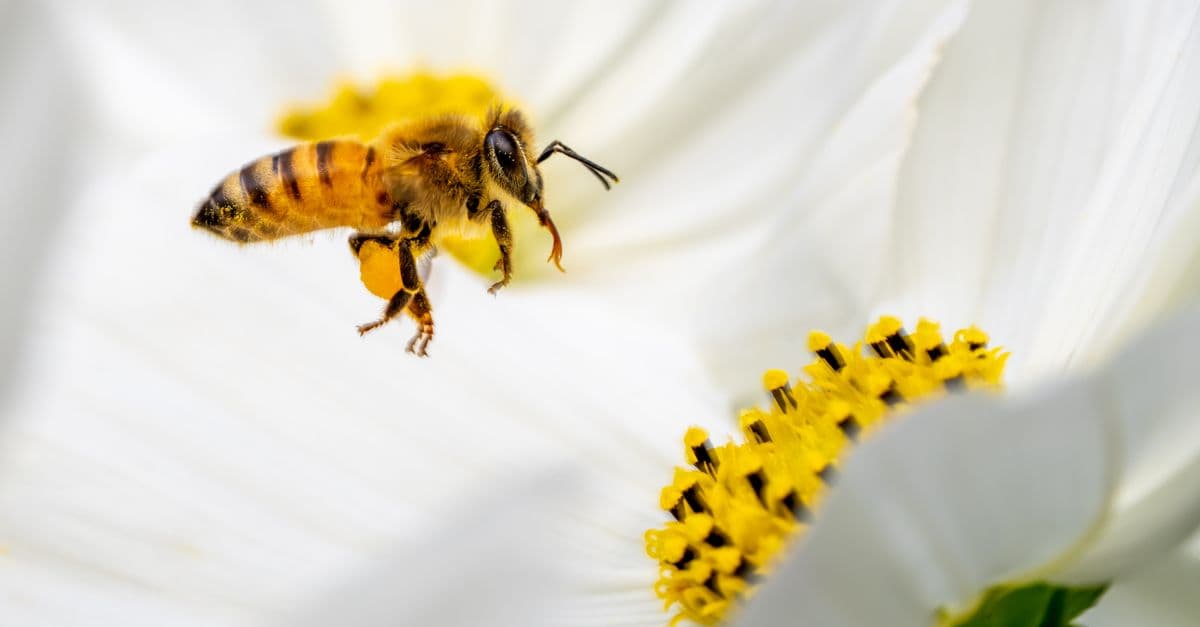
Bees pollinate $235B in crops yearly. If they vanished, almonds, apples, and coffee would collapse — but humanity wouldn't starve. Here's why.
18 articles tagged with #biodiversity
Bees pollinate $235B in crops yearly. If they vanished, almonds, apples, and coffee would collapse — but humanity wouldn't starve. Here's why.
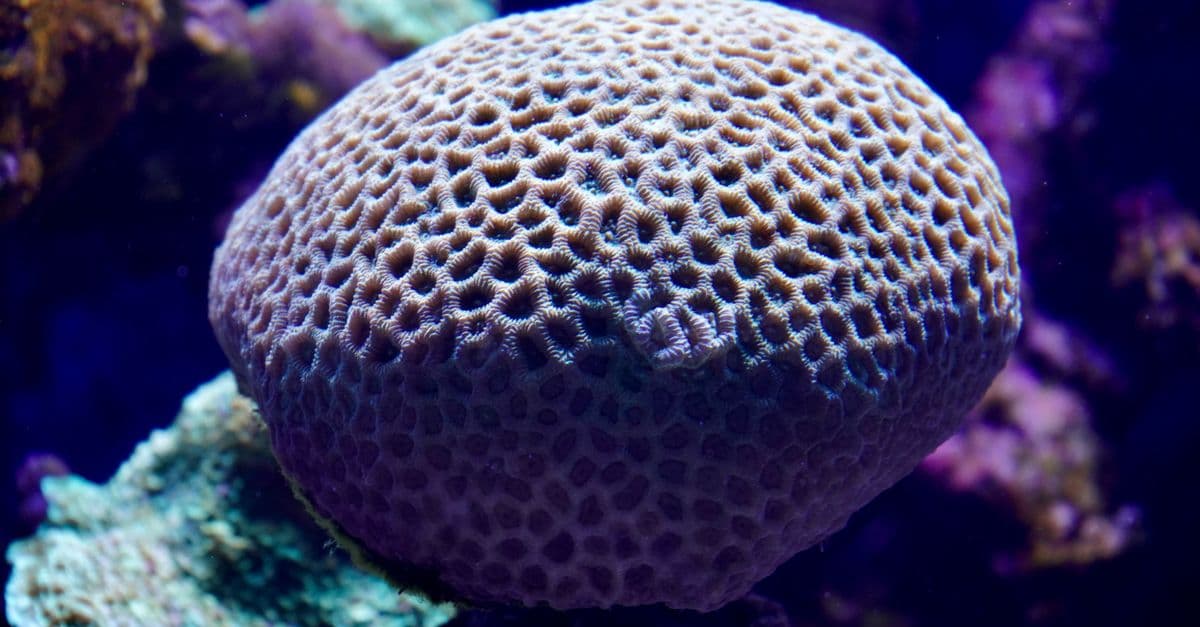
How coral animals build reefs, their algae symbiosis, why bleaching happens, and what conservation can still save. Learn the science, key examples, and...
How machine learning speeds up environmental impact assessments for infrastructure projects, from satellite-based biodiversity scans to supply-chain carbon models.
How neural networks detect endangered animals, track population decline, predict extinction.

How machine learning decodes environmental DNA to monitor biodiversity, predict ecosystem collapse.
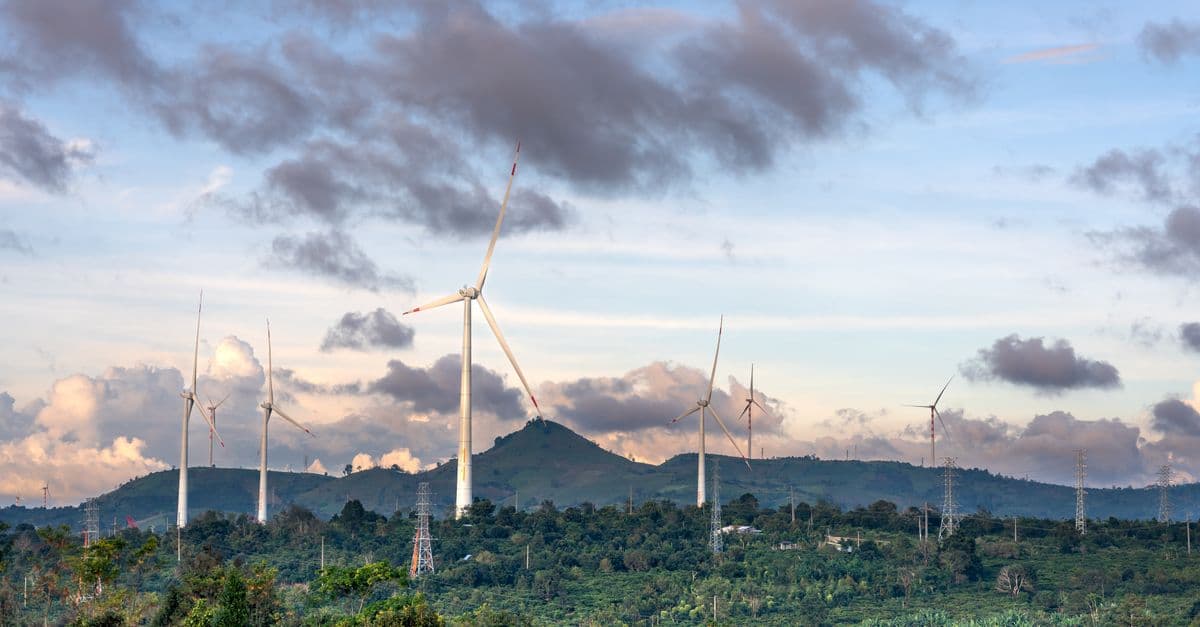
The Amazon is not Earth's oxygen factory, but it stores vast carbon and recycles rain across a continent. Here is what the evidence says about deforestation, drought, and tipping points.
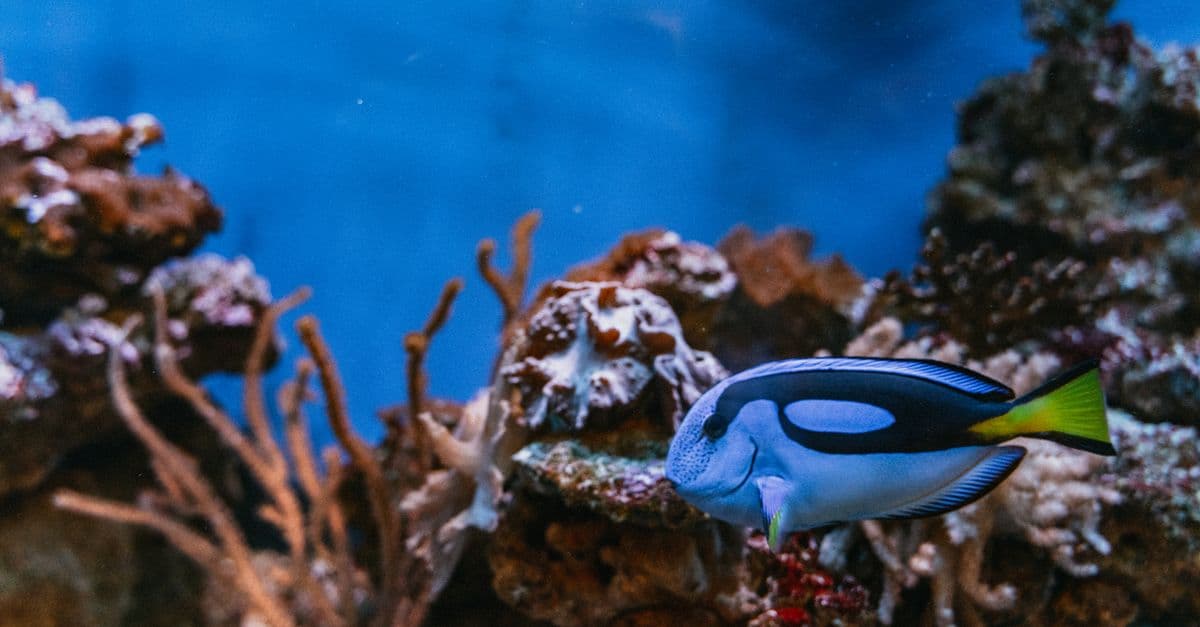
Australia's Great Barrier Reef is the world's largest coral structure at 348,000 km². Indonesia has the most coral biodiversity. But 50% of the world's coral reefs have died since 1950 — bleaching events driven by ocean warming are accelerating. Here's the full coral reef ranking and the scale of the crisis.
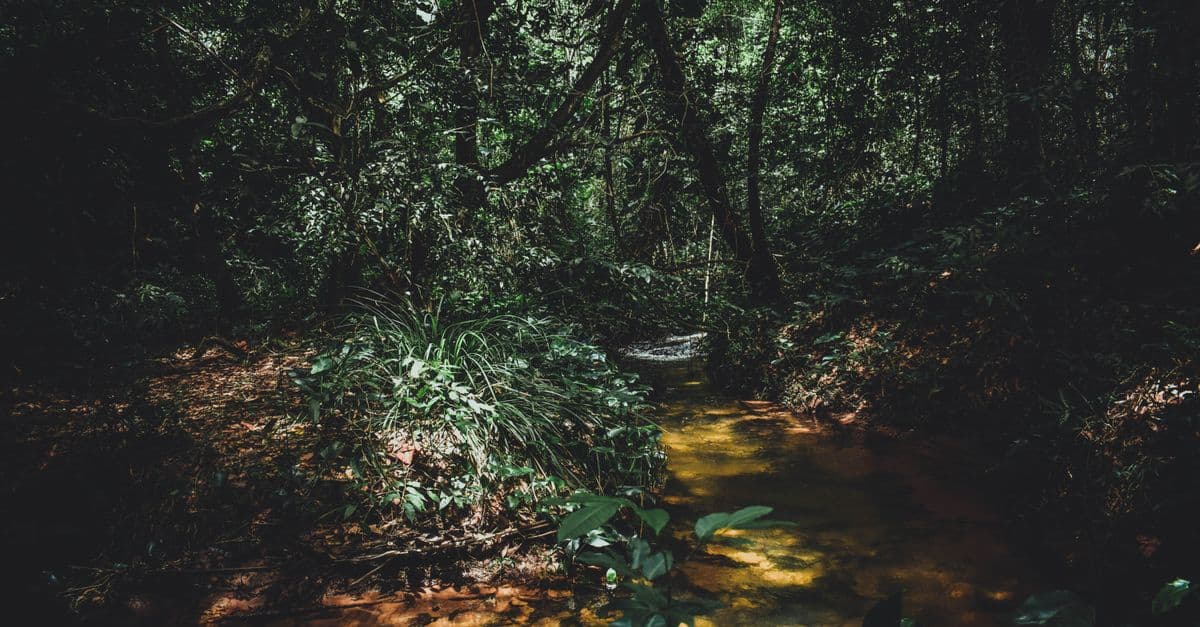
The Amazon holds tens of billions of tonnes of carbon, makes about half of its own rainfall, and shelters roughly one in ten known species. Here is what a total loss would set in motion, and why the forest may not need to be fully cleared to fail.
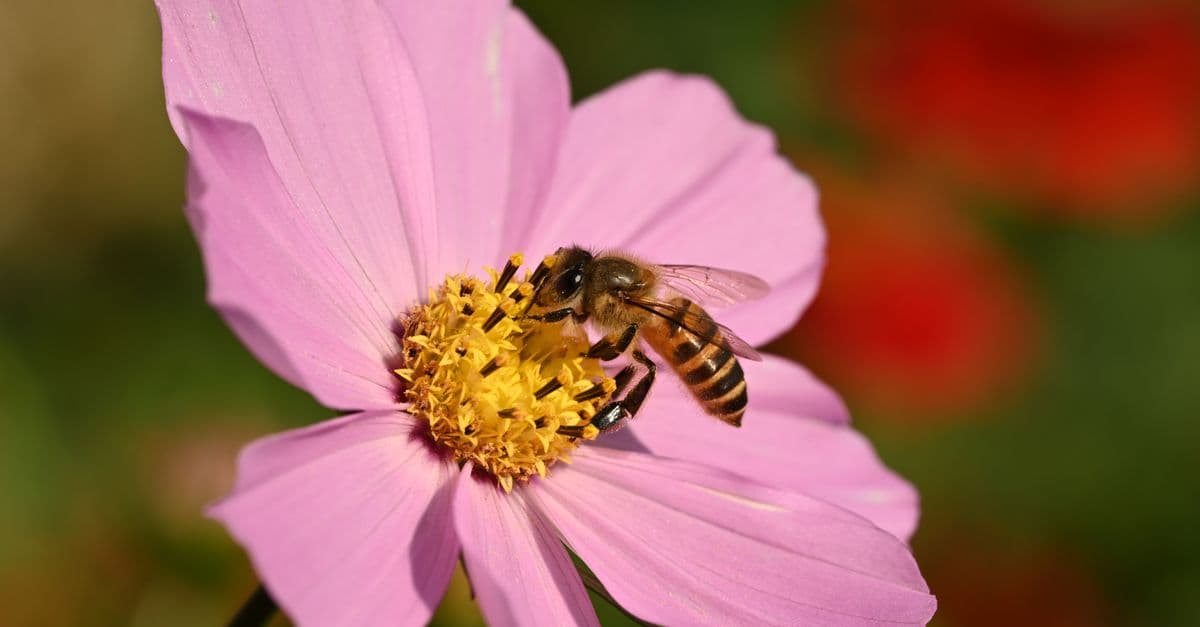
Bees pollinate roughly one-third of the food we eat. If they vanished, our diets would collapse to staple grains, the prices of fruits, nuts, and vegetables would soar, and entire ecosystems built on flowering plants would unravel within a generation.
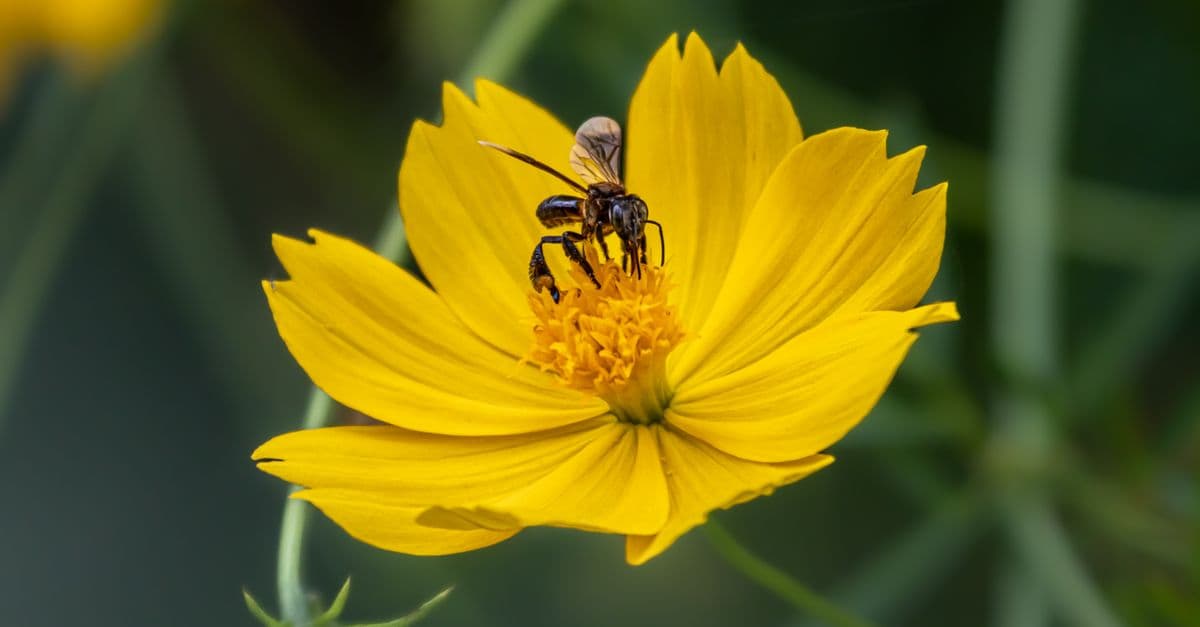
Insects pollinate roughly three-quarters of food crop types, recycle dead plants and animals, aerate soil, and feed countless animals. If they vanished overnight, terrestrial ecosystems would unravel within a few years and most of agriculture would fail.
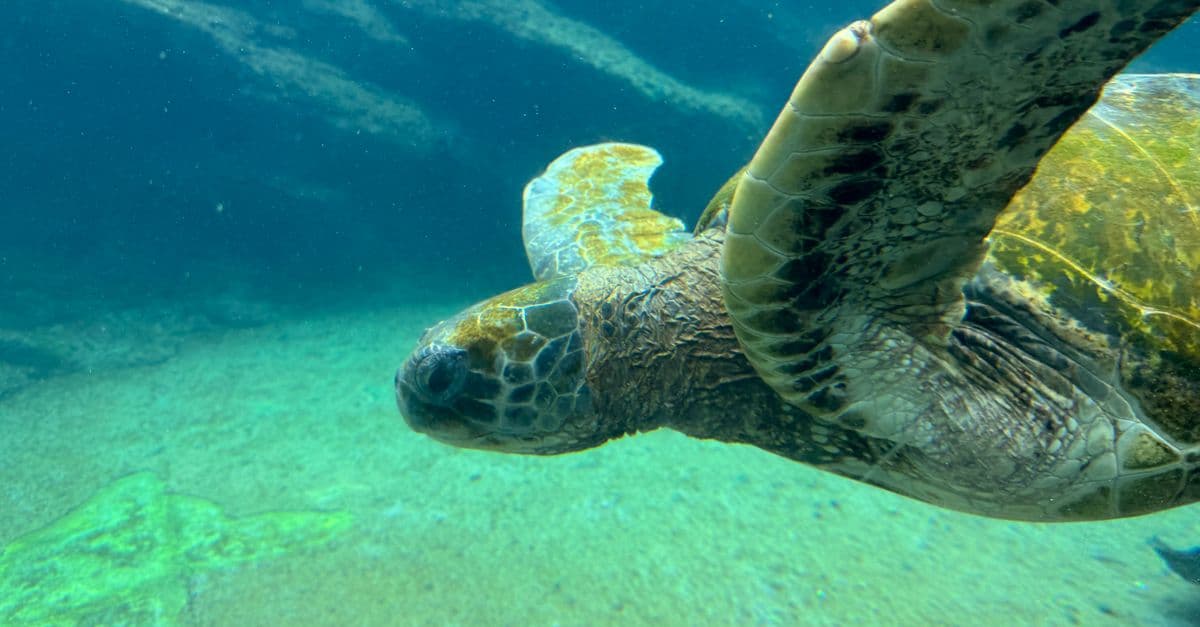
Madagascar now tops recent IUCN-based tallies, with Ecuador, Indonesia, Mexico, and Brazil close behind. This article shows which counts can be trusted, why rankings keep changing, and what the numbers hide.
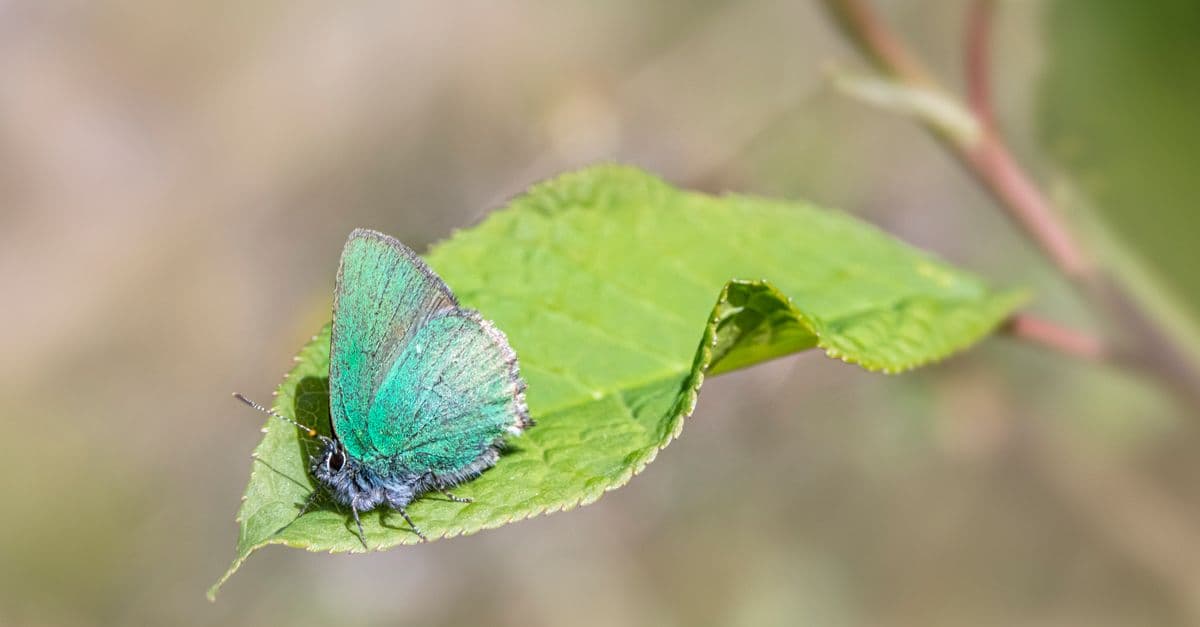
Biodiversity is not evenly spread across the planet. Seventeen 'megadiverse' countries, most of them tropical, hold a large share of Earth's known species. This ranking uses IUCN Red List endemism data and explains why counting species country by country is so hard.