AI & Metagenomics: Reading Ecosystems from DNA

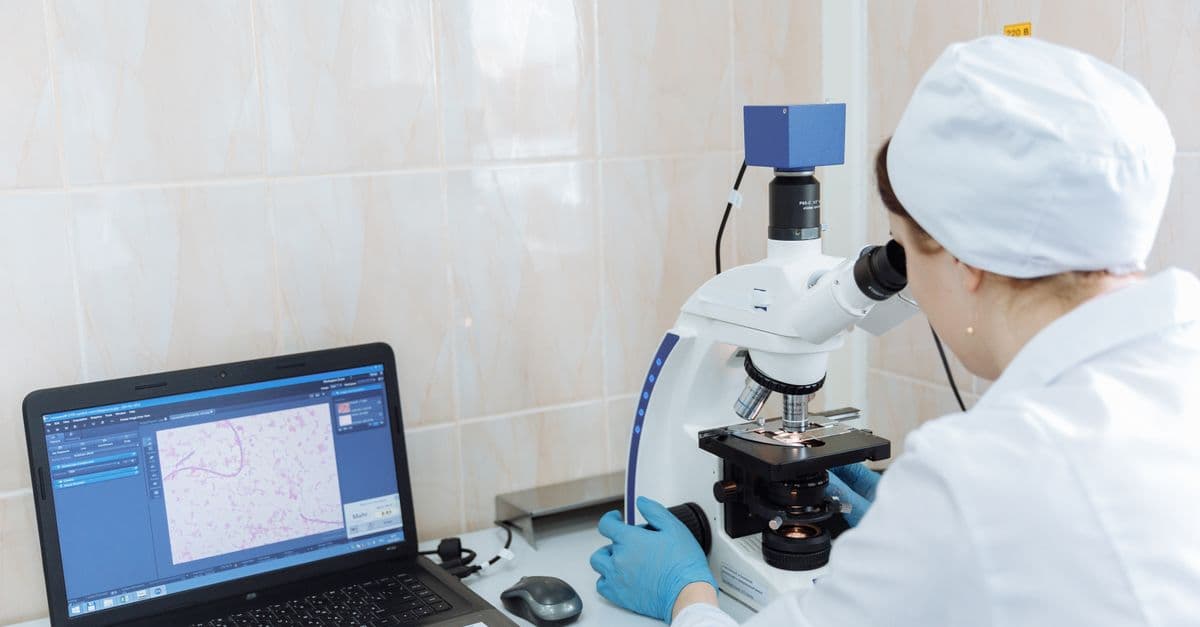
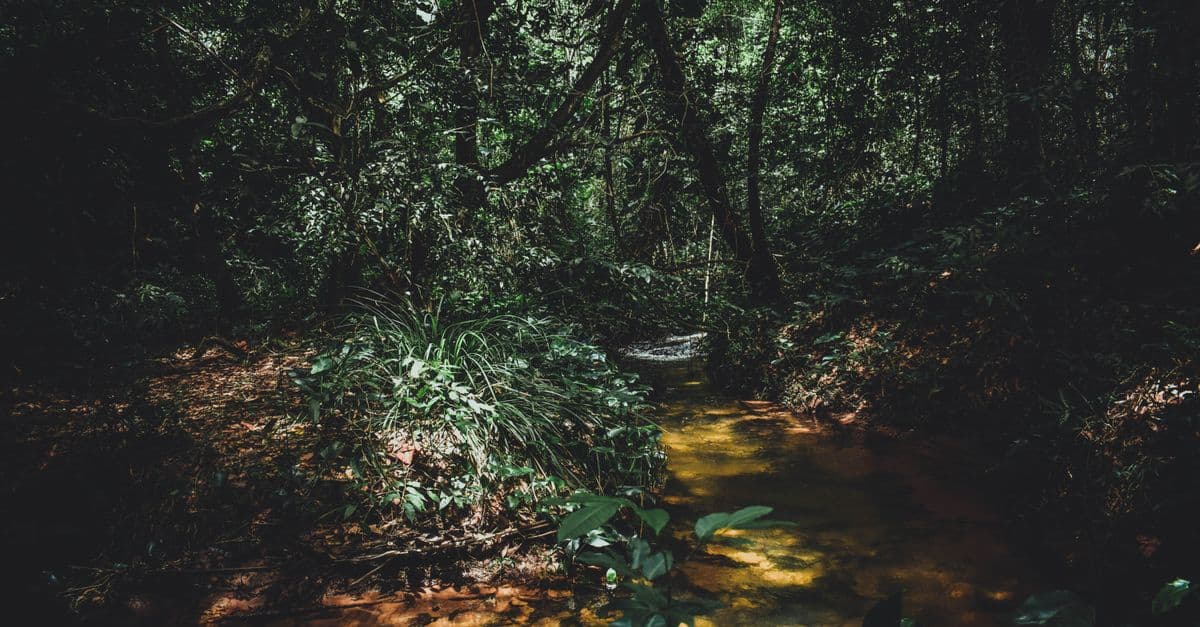
Photo: RDNE Stock project / Pexels
A single gram of soil holds an estimated billions of microbial cells spanning thousands of species, and most of them have never been grown in a lab. That gap between what lives in an ecosystem and what scientists can actually observe has shaped ecology for a century. Metagenomics — sequencing every fragment of DNA in a sample rather than isolating one organism at a time — closes that gap, and machine learning is what turns the resulting flood of DNA fragments into a readable picture of ecosystem health. This piece explains how the two technologies work together, where they are already deployed, and where they still fall short.
Educational content, not medical or environmental advice. The tools and studies described here are research and monitoring instruments, not diagnostic guarantees. Consult a qualified professional or environmental agency before acting on any specific reading.
The problem: most of an ecosystem is invisible to traditional surveys
Ecologists have always measured biodiversity by counting things they can see: birds on a transect, fish in a net, trees in a plot. That approach works reasonably well for large, conspicuous organisms. It fails almost completely for the microorganisms that actually run the planet's chemistry — the bacteria that fix nitrogen, the fungi that decompose wood, the archaea that cycle methane in wetland soils.
The core obstacle is cultivation. Classical microbiology identifies a species by growing it on a plate, and only a small minority of environmental microbes will grow under standard lab conditions — the rest require symbiotic partners, exact chemical gradients, or environmental cues that a petri dish cannot replicate. That "great plate count anomaly," first described by microbiologists in the 1980s, means culture-based surveys systematically miss most of the microbial world.
Metagenomics sidesteps the cultivation bottleneck entirely. Instead of growing an organism, researchers extract every strand of DNA present in a water, soil, or air sample and sequence it directly — a process sometimes summarized as reading the genetic barcode of an entire community rather than one member at a time. The catch is volume: a single environmental sample can yield tens of millions of short DNA reads, each one anonymous until something classifies it. That classification step is where machine learning earns its place.
Think of a metagenomic sample the way you'd think of a shredded phone book. You have millions of tiny paper scraps, each with a fragment of a name or number, and no index. Traditional alignment methods rebuild the phone book by comparing every scrap against a known reference copy — accurate, but painfully slow when the reference copy itself is incomplete, which it always is for wild ecosystems. Machine learning instead learns the statistical fingerprint of each entry — recurring letter patterns unique to certain names — and sorts scraps by pattern-matching, which scales far better even when the reference book is missing pages.
How AI decodes environmental DNA
Taxonomic classification of metagenomic reads
The first job is assigning each anonymous DNA read to an organism, or at least a genus or family when the exact species is unclear. Sequencers used in eDNA studies typically output reads of 100 to 300 base pairs — DNA fragments far too short to compare to a whole genome directly, so classifiers work with short subsequences called k-mers, typically 20 to 35 letters long, that act like a genetic fingerprint.
Kraken2, one of the most widely used classifiers in metagenomics, exemplifies the shift toward machine-learning-adjacent, statistically driven methods. Rather than storing every possible k-mer from its reference database, Kraken2 stores compressed minimizers — the smallest representative substring within each k-mer window — which cuts memory use by roughly 85% compared to the original Kraken while classifying reads about five times faster and maintaining comparable accuracy. (Genome Biology, 2019)
Neural network-based classifiers push this further. A convolutional neural network trained on thousands of reference genomes learns which short sequence motifs are statistically associated with particular taxonomic groups, then applies that learned pattern to unclassified reads without needing an exact database match. In eDNA-specific applications, this approach let researchers process raw sequencing files at approximately 1 million reads per minute, dramatically compressing what used to be a multi-day alignment job into minutes. (Nature, 2022)
The accuracy ceiling depends heavily on what's already in the reference database. Classification against well-characterized organisms — common gut bacteria, agricultural pathogens, model marine species — routinely exceeds 90% accuracy. Novel or poorly sequenced organisms, which make up the majority of environmental microbial diversity, are far harder: the model can flag "this read is probably bacterial and probably not anything we've seen before," but it usually cannot say more without a matching reference genome to compare against.
Ecological network reconstruction
Individual species identifications only go so far. Ecosystem health depends on relationships between organisms — who eats whom, who produces the metabolic byproduct another species depends on, who cannot survive without a specific partner. Reconstructing that web from metagenomic data is a second, harder layer of AI-assisted analysis.
The process typically works in three steps. First, the model identifies which metabolic genes are present in which organisms' recovered genomes — genes for nitrogen fixation, sulfate reduction, or specific enzyme pathways. Second, it looks for complementary gene sets across different organisms in the same sample, inferring that one organism's metabolic output likely feeds another's input. Third, it assembles those inferred relationships into a network graph, with organisms as nodes and predicted interactions as edges, which ecologists can then analyze for structural stability.
This is where the analogy of a city's supply chain is useful. Losing one small hardware supplier rarely disrupts a city, because other suppliers offer the same parts — that's functional redundancy. Losing the single company that owns the only bridge into town is catastrophic, because nothing else can substitute — that's a keystone node. Network models built from metagenomic data aim to distinguish redundant organisms from keystone ones, so conservation effort focuses on the bridge, not just any supplier.
Early-warning signal detection
Ecological theory has long predicted that systems approaching a tipping point exhibit measurable statistical warning signs before the visible collapse: reduced diversity, slower recovery from small disturbances, and increasing variance in community composition over time — a pattern formalized in a widely cited 2009 Nature review of early-warning signals in complex systems. (Scheffer et al., 2009, Nature)
Applied to metagenomics, this means training recurrent neural networks — architectures built specifically to recognize patterns across sequential time-series data — on repeated samples from the same site over months or years. The network learns what a "stable" trajectory of community composition looks like and flags departures from it before a human observer would notice anything wrong.
How accurate is AI at predicting ecosystem collapse from eDNA?
Performance depends heavily on how well-studied the ecosystem is. Coral reef and human gut microbiome models, which benefit from large reference datasets and repeated longitudinal sampling, report accuracy figures in the 70 to 90% range in published studies for narrowly defined outcomes such as bleaching susceptibility. Novel or undersampled ecosystems, such as unexplored soil or deep-sea communities, have far less validated performance because there is little ground-truth data to train or test against.
Real-world applications
Coral reef monitoring
Coral bleaching prediction is one of the most actively studied applications of machine learning in reef ecology, though the strongest published models to date rely primarily on environmental and physical variables rather than microbiome sequencing alone. Models using sea surface temperature, temperature anomalies, and depth as inputs have reported accuracy above 90% for bleaching risk in some regions, with gradient-boosted models such as XGBoost outperforming simpler regression approaches in comparative studies. (Applied Sciences, 2023; Sustainability, 2022)
Microbiome-integrated approaches are an active research frontier layered on top of these physical models: researchers sample the bacterial and algal symbiont community living on coral tissue and track how its composition shifts before visible bleaching, since community structure often responds to thermal stress before the coral itself shows signs of damage. Combining a shifting microbiome signal with sea-surface-temperature anomaly data gives reef managers a longer lead time to deploy interventions like shade cloths or targeted cooling before a bleaching event becomes irreversible.
Soil health and precision agriculture
Agricultural biotech companies now sequence soil samples to profile the microbial community around crop roots, then use trained models to flag the presence of nitrogen-fixing bacteria, beneficial mycorrhizal fungi, and pathogenic organisms in the same pass. Trace Genomics, one of the earlier companies in this space, markets soil DNA profiling specifically to help growers make fertilizer and crop-rotation decisions based on what's actually living in a given field rather than generic regional averages. (Trace Genomics)
The underlying logic mirrors medical diagnostics: a soil sample dominated by known plant pathogens and lacking beneficial fungal partners is analogous to a blood panel showing inflammation markers without protective antibodies. Neither result alone proves disease is imminent, but both indicate elevated risk worth investigating further.
Wastewater surveillance
Wastewater-based epidemiology gained enormous visibility during the COVID-19 pandemic, when cities used sewage sampling to track viral load trends across entire populations without needing individual testing. Shotgun metagenomic sequencing of wastewater extends that idea beyond a single pathogen: it profiles the entire microbial community passing through a treatment plant, including antibiotic-resistance genes and mobile genetic elements that let resistance spread between bacterial species. (Nature Communications, 2025)
Because resistance genes can move between unrelated bacteria through mechanisms separate from normal reproduction, tracking the genes themselves — not just which species are present — is critical for public health surveillance. Comparative studies have found that metagenomic sequencing correlates well with targeted PCR-based methods for most major antibiotic classes, while also catching resistance genes that a narrower PCR panel wasn't designed to look for. (PMC, 2024)
Disease vector and pathogen surveillance
Mosquito and tick populations sampled for their gut and body microbiota can reveal which pathogens are already circulating in a vector population before a human case is ever diagnosed. This "upstream" surveillance model — testing the vector instead of waiting for a sick patient — is a growing focus in public health metagenomics research, since it can, in principle, provide weeks of additional lead time for outbreak response in regions with limited clinical testing infrastructure.
Challenges and limitations
Reference database bias
Every classifier, whether alignment-based or neural-network-based, is only as good as the reference genomes it was trained or compared against. Because sequenced reference genomes overwhelmingly come from well-funded research on human pathogens, model organisms, and agriculturally important species, environmental samples from understudied regions — tropical soils, deep ocean sediment, polar microbial mats — routinely produce a large fraction of "unclassified" reads. That's not necessarily a model failure; it's an honest reflection of what science hasn't sequenced yet.
Assembly ambiguity
Reconstructing a complete genome from millions of short, jumbled fragments works well when one organism dominates a sample, but becomes genuinely difficult when many closely related species or strains are mixed together. Two near-identical bacterial strains can produce overlapping reads that assembly software cannot confidently separate, creating chimeric or fragmented genome reconstructions. Machine learning has improved this process but has not eliminated it, particularly in high-diversity samples like tropical soil or gut microbiota from a mixed diet.
Temporal sampling gaps
Ecosystems change on timescales that outrun typical sampling budgets. A tidal estuary's microbial community can shift meaningfully within a single day; a wastewater treatment plant's load changes hour to hour. Most academic and conservation monitoring programs sample monthly or quarterly for cost reasons, which means even a well-trained early-warning model is working with a sparse, aliased view of a fast-moving system — like trying to reconstruct a movie from one frame a month.
Correlation is not causation
Metagenomics captures whichever organisms and genes were present in the sample; it does not, on its own, prove that one caused a change in another. If species A's DNA declines the same month species B's rises, that pattern is consistent with dozens of possible mechanisms, including ones that involve neither species causing anything at all. Ecologists still need controlled experiments or long time series with strong statistical designs to move from an AI-flagged correlation to a defensible causal claim.
What people get wrong about AI ecosystem monitoring
A common misconception is that metagenomics can fully replace field surveys of birds, mammals, and fish. It cannot, at least not with current methods. eDNA and metagenomic approaches genuinely excel with microbes, fungi, and small or cryptic species that are hard to observe directly, but large vertebrates shed comparatively little detectable DNA relative to their biomass, and species-level identification for animals still depends on reference barcode databases that remain incomplete for many regions. The strongest monitoring programs combine eDNA sequencing with traditional camera traps, acoustic monitoring, and visual surveys rather than betting on one method alone.
A second misconception is that a model flagging "ecosystem stress" means collapse is inevitable or that damage is already irreversible. Early-stage warning signals are, by design, meant to arrive before visible harm, which is precisely when intervention — removing an invasive species, restoring a degraded habitat corridor, adjusting water temperature management — still has a realistic chance of working. Late-stage collapse, after keystone species are already gone, is a much harder problem to reverse regardless of how good the detection model was.
A third misconception treats every AI-generated biodiversity number as a precise count. Most eDNA-based abundance estimates are semi-quantitative at best — DNA shed rates vary by species, water flow, and temperature, so a spike in detected DNA reads may reflect more DNA shedding rather than more individual organisms. Researchers increasingly flag this limitation directly, describing eDNA methods as complementary to rather than a replacement for traditional quantitative surveys. (Springer Nature, 2025)
FAQ
Q: Can metagenomics replace traditional biodiversity surveys?
A: No, not completely. It excels at detecting microbes, fungi, and small or elusive organisms that are hard to observe directly, but it under-detects large animals relative to camera traps or visual surveys and still depends on incomplete species reference databases. Most active research recommends combining eDNA with traditional field methods rather than replacing them.
Q: How accurate is AI at predicting ecosystem collapse?
A: It varies by ecosystem. Well-studied systems with large training datasets, like coral reefs and the human gut microbiome, report accuracy in the 70 to 90% range for specific outcomes in peer-reviewed studies. Novel or undersampled ecosystems have far less validated performance, since there's little ground-truth data available to test the models against.
Q: What does environmental DNA (eDNA) actually mean?
A: eDNA is genetic material shed by organisms into their surroundings — skin cells, mucus, waste, or shed tissue suspended in water, soil, or air. Sequencing it lets researchers detect which species were recently present in an area without capturing or even seeing the organism itself.
Q: How much does a metagenomic sample cost to sequence and analyze?
A: Costs vary substantially by depth of sequencing and analysis pipeline, and they have fallen considerably as sequencing technology has matured, making repeated large-scale monitoring programs more financially realistic than they were a decade ago. Exact pricing depends on the sequencing platform, read depth, and whether a lab or a third-party service processes the sample, so check with a specific vendor for current rates.
Q: Can AI-detected ecosystem changes be reversed?
A: Sometimes, and timing matters enormously. Interventions like invasive species removal or habitat restoration have a meaningfully better chance of success when applied at the early-warning stage, before keystone species are lost. Once an ecosystem passes a genuine tipping point, reversal becomes much harder and, in some documented cases of coral reef and fishery collapse, has not been achieved even with sustained intervention.
Q: What's the difference between Kraken2 and a neural-network-based classifier?
A: Kraken2 uses a statistical lookup approach built on compressed k-mer substrings called minimizers, comparing reads against a fixed reference database very quickly and with low memory use. Neural-network classifiers instead learn generalizable sequence patterns from training data, which can help them make an educated guess about organisms that are not an exact match to anything in the reference database, though usually with lower confidence than a direct match.
Q: Does wastewater metagenomics only track viruses like COVID-19?
A: No. While wastewater viral surveillance became widely known during the COVID-19 pandemic, shotgun metagenomic sequencing of wastewater profiles the entire microbial community passing through a treatment plant, including antibiotic-resistance genes carried on mobile genetic elements that can transfer between unrelated bacterial species.
Q: Why do reference database gaps matter so much for eDNA accuracy?
A: A classifier can only recognize an organism it has effectively been shown examples of before. Because sequenced reference genomes are concentrated on human pathogens, agricultural species, and well-funded model organisms, samples from understudied environments like tropical soils or deep-sea sediment often return large fractions of "unclassified" reads, which reflects an incomplete reference library rather than a flaw in the classification method itself.
The takeaway
Metagenomics solved biology's cultivation bottleneck by reading DNA directly from the environment instead of waiting for an organism to grow on a plate, and machine learning solved the resulting data bottleneck by classifying millions of anonymous DNA fragments far faster than manual alignment ever could. Together they give ecologists something close to a biodiversity readout: which organisms are present, how they're connected, and whether the statistical signature of the community is drifting toward instability. That readout is still incomplete — reference databases are biased toward well-studied species, sampling frequency lags fast-moving ecosystems, and correlation in the data is not proof of causation — but it is a genuine upgrade over counting birds and hoping the microbes are fine. The technology's real value is lead time: catching the early statistical tremor of a coral reef, a soil, or a river system under stress while intervention still has a chance of working.
Read next:
Follow new articles
Add SciHub101 to your feed reader to see new science and technology stories.
About the Author
SciHub101 is an independent science and technology publication founded and edited by Buğra Sözeri, a software engineer and app developer based in Türkiye. AI tools assist with drafting and research. Source documentation in the existing archive is uneven, and articles are being reviewed and corrected. The Editorial Team byline identifies editorial responsibility; it does not certify specialist or independent human review. Where we compare products, anything built by our own team is labelled as such — see the editorial guidelines and About page for how corrections and disclosures work.
Related Articles
AI-Designed DNA: How Neural Networks Build New Proteins
AI models like AlphaFold, RFdiffusion, and Evo now design proteins and DNA sequences that never existed in nature. Here's how they work and where they fall short.
AI & Viral Evolution: Predicting Pandemics Before They Spread
How machine learning models forecast viral mutations, flag vaccine-escape variants, and speed up pandemic preparedness before outbreaks peak.

What If All Bees Disappeared?
Bees pollinate $235B in crops yearly. If they vanished, almonds, apples, and coffee would collapse — but humanity wouldn't starve. Here's why.
AI & Environmental Impact Assessments: Automating Sustainability Reviews
How machine learning speeds up environmental impact assessments for infrastructure projects, from satellite-based biodiversity scans to supply-chain carbon models.
AI & Biodiversity: Satellite Monitoring Protects Endangered Species
How neural networks detect endangered animals, track population decline, predict extinction.
What If the Amazon Rainforest Disappeared?
The Amazon holds tens of billions of tonnes of carbon, makes about half of its own rainfall, and shelters roughly one in ten known species. Here is what a total loss would set in motion, and why the forest may not need to be fully cleared to fail.