Complete Sustainability Guide 2026 — Climate, Energy, and Conservation
The complete guide to sustainability in 2026: renewable energy, climate science, circular economy, conservation strategies, and actionable steps to reduce your impact.

9 articles tagged with #conservation

The complete guide to sustainability in 2026: renewable energy, climate science, circular economy, conservation strategies, and actionable steps to reduce your impact.

Van Gogh's sunflowers are turning brown. The culprit is not age but a photochemical reaction where ultraviolet light breaks chemical bonds, converting bright chrome yellow to invisible green—a process happening to artworks worldwide.

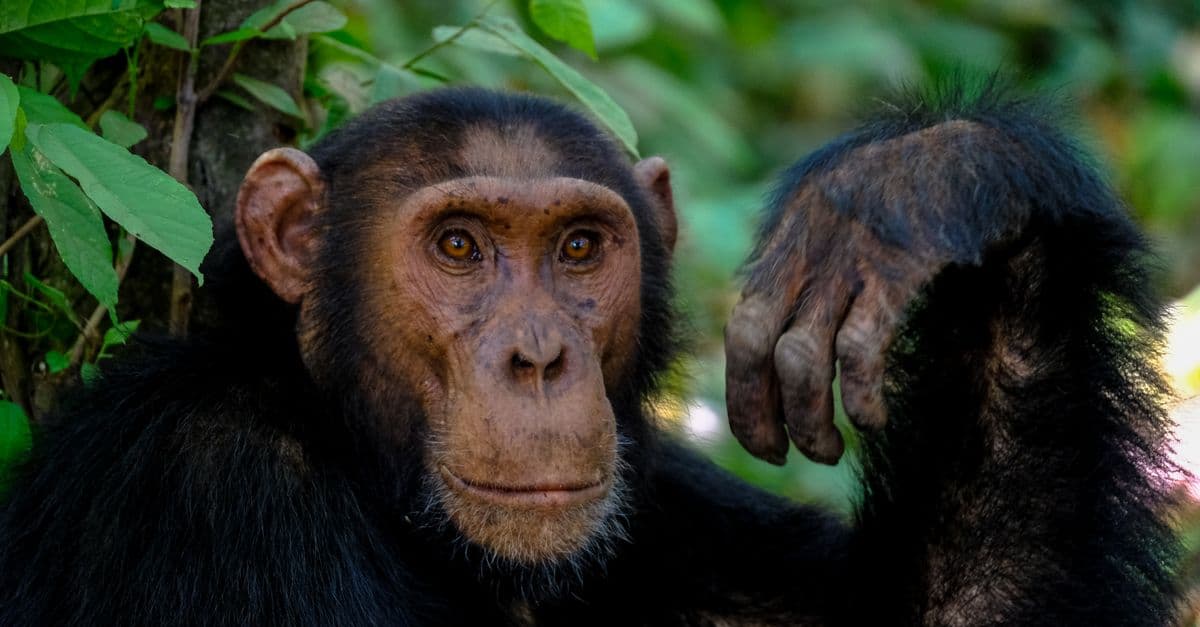
Jane Goodall's life, verified quirks, and scientific legacy: naming chimps, living in trees, the toy chimpanzee she still has, and what she found at Gombe.

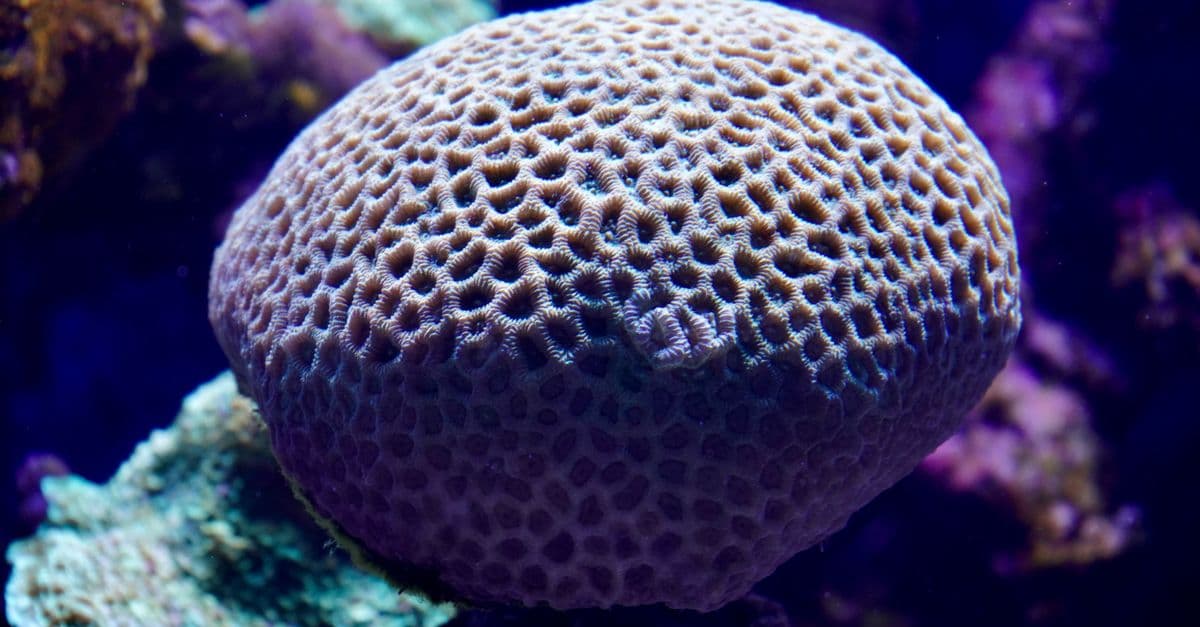
How coral animals build reefs, their algae symbiosis, why bleaching happens, and what conservation can still save. Learn the science, key examples, and...

How neural networks detect endangered animals, track population decline, predict extinction.

Madagascar now tops recent IUCN-based tallies, with Ecuador, Indonesia, Mexico, and Brazil close behind. This article shows which counts can be trusted, why rankings keep changing, and what the numbers hide.

Biodiversity is not evenly spread across the planet. Seventeen 'megadiverse' countries, most of them tropical, hold a large share of Earth's known species. This ranking uses IUCN Red List endemism data and explains why counting species country by country is so hard.

Nobody can rank countries by national park count fairly, because 'national park' means different things in different legal systems. Here is what the protected-area data actually shows, from Zambia's 41% to the 63 US parks, and what protection achieves.

The United Kingdom protects 8.1 million km² of ocean — the most of any country. Australia's Great Barrier Reef Marine Park is the world's largest single MPA. The global target is 30% of oceans protected by 2030 (30x30). Currently only 8% is protected. Here's the full marine protection ranking.