Complete Sustainability Guide 2026 — Climate, Energy, and Conservation
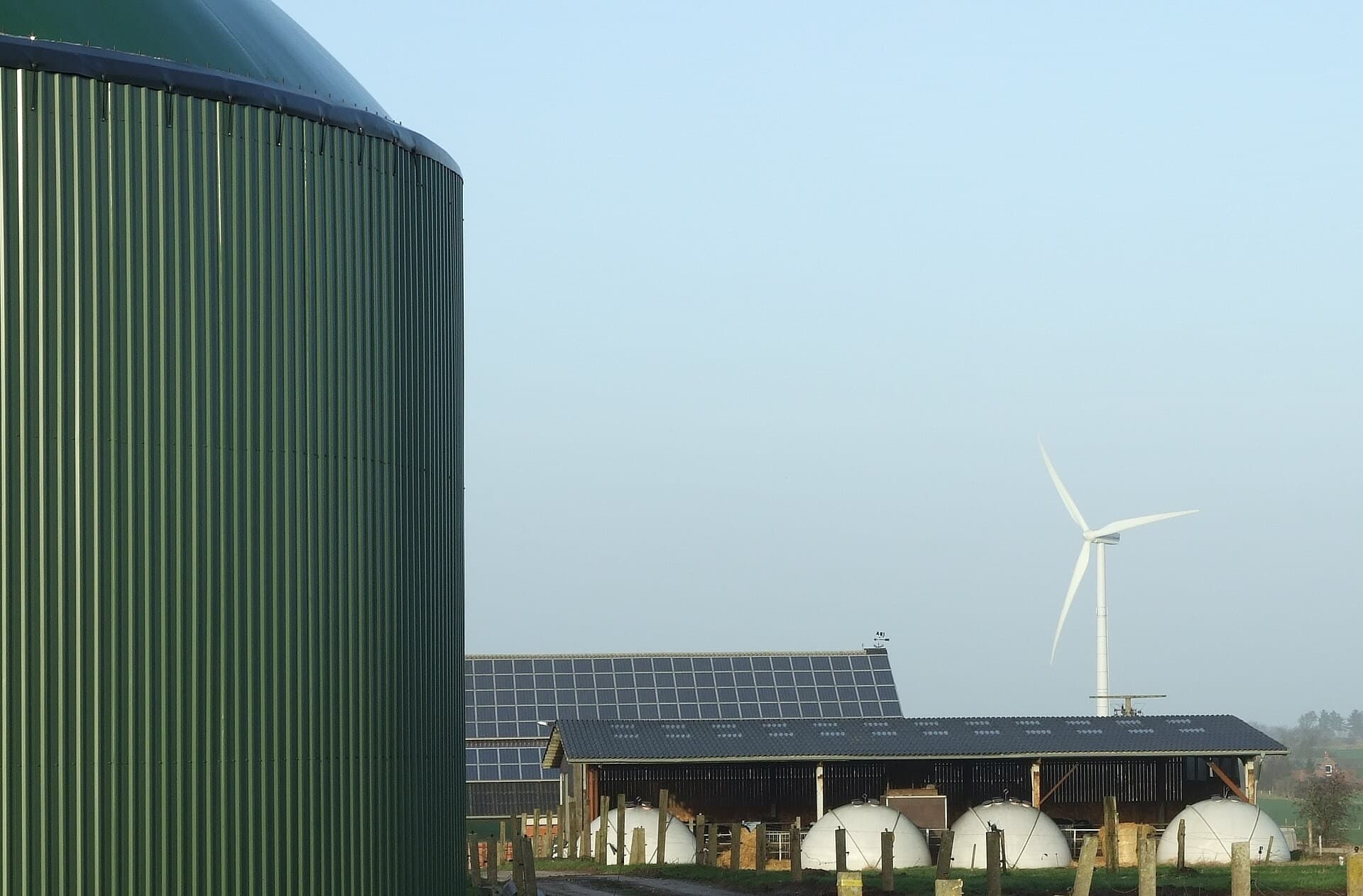
Photo: Florian Gerlach (Nawaro) (CC BY-SA 3.0) / Wikimedia Commons / CC BY-SA 3.0
Sustainability is no longer a niche concern — it's a practical reality reshaping energy systems, supply chains, investment decisions, and daily choices worldwide. By 2026, renewable energy represents over 35% of global electricity generation, electric vehicles have scaled from pilot programs to mainstream adoption, and climate adaptation is now as urgent as mitigation. This guide maps the science behind the transition, explains why it matters, shows what's working, and outlines concrete steps anyone can take to reduce their environmental impact.
What Sustainability Actually Means (in 2026)
Sustainability covers far more ground than most people realize. It encompasses environmental protection, economic viability, and social equity — the so-called "triple bottom line."
Sustainability — meeting present needs without compromising the ability of future generations to meet theirs. It's about three interconnected systems: environment (soil, water, atmosphere, biodiversity), economy (resource efficiency, circular systems), and society (equitable access, justice).
In practice, 2026 sustainability work focuses on five pillars:
- Climate mitigation: Reducing greenhouse gas emissions through renewable energy, electrification, and industrial efficiency
- Climate adaptation: Preparing communities for impacts already locked in — sea-level rise, extreme weather, water scarcity
- Conservation: Protecting ecosystems, biodiversity, and natural resources
- Circular economy: Designing waste out of systems through reuse, recycling, and regenerative materials
- Sustainable livelihoods: Ensuring economic development doesn't perpetuate poverty or inequality
The driving fact: atmospheric CO2 is at 422 ppm (May 2024), up from 315 ppm in 1958. See the science here.
The Science of Climate Change and Why It Matters
Climate change is not a debate among scientists — 97%+ of actively publishing climate scientists agree that Earth is warming and human activity is the primary cause (NASA, 2023). The mechanism is straightforward:
Greenhouse gases trap heat. CO2, methane (CH4), and nitrous oxide (N2O) absorb infrared radiation that would otherwise escape to space. Since industrialization, humans have released ~1.5 trillion tons of CO2, raising atmospheric concentrations by 50% and warming the planet by ~1.2°C relative to pre-industrial baselines.
The consequences are no longer hypothetical. Observed changes include:
- Sea levels rising at ~3.3 mm/year, accelerating (NOAA, 2024)
- Arctic sea ice minimum shrinking by ~13% per decade (NASA, 2023)
- Coral bleaching affecting 50%+ of reef systems globally (NOAA, 2023)
- Heat waves becoming more frequent, intense, and lasting — a rare event in the 1950s is now routine (World Meteorological Organization, 2023)
Learn more: Extreme Weather and Climate Change Explained and How Climate Change is Affecting Your Daily Life.
The Renewable Energy Revolution
The backbone of the sustainability transition is renewable energy — wind, solar, hydro, geothermal, and biomass. In 2026, renewables are cheaper than fossil fuels in most markets, and scaling rapidly:
Solar Power: Photovoltaic (PV) systems convert sunlight directly into electricity via the photovoltaic effect. A silicon PV cell absorbs photons; electrons jump to a higher energy state, creating current. The cost has crashed 90% since 2010, making solar the fastest-growing energy source globally. Read the mechanism.
Wind Power: Wind turbines use aerodynamic lift to spin rotor blades, driving a generator. Modern offshore turbines exceed 12 MW capacity, generating electricity as efficiently as fossil plants. Details here.
Battery Storage: The missing piece of renewable energy is storage — the sun doesn't always shine, wind doesn't always blow. Grid-scale battery systems (mostly lithium-ion, some emerging alternatives) store excess renewable generation and discharge during high demand or low generation hours. Deep dive.
Hydrogen: Green hydrogen, produced by splitting water with renewable electricity, is emerging as a fuel for heavy industry, shipping, and aviation — sectors hard to electrify directly. What is green hydrogen?.
| Energy Source | 2024 Global Capacity | Growth Rate | Primary Use | Challenge |
|---|---|---|---|---|
| Solar (PV & thermal) | 1.6 TW | +25%/yr | Electricity, heating | Intermittency, land use |
| Wind (on/offshore) | 1.2 TW | +15%/yr | Electricity | Weather-dependent, wildlife |
| Hydro | 1.3 TW | +2%/yr | Electricity, storage | Geography-limited, ecosystem |
| Geothermal | 15 GW | +3%/yr | Electricity, heat | Geography-limited |
| Biomass/Bioenergy | 155 GW | +5%/yr | Electricity, heat | Sustainability varies |
Renewables now represent ~35% of global electricity; fossil fuels have lost market share every year since 2022.
The Circular Economy: Designing Waste Out
Linear economy: extract → make → use → discard. Circular economy: extract → make → use → recover → remake.
Most of what we consume becomes waste within months. Phones last 2 years. Textiles get worn once and discarded — the average person buys 60% more clothing than 15 years ago, wearing each item half as many times (McKinsey, 2023).
The circular economy reverses this via three strategies:
Design for durability and repairability: Products built to last decades, with replaceable parts and repair manuals. Tesla vehicle batteries are warrantied 8 years; most consumer goods aren't.
Material recovery and recycling: Industrial symbiosis — one industry's waste becomes another's input. Closed-loop recycling for aluminum, steel, and glass is economically viable; plastics remain harder (only ~10% globally recycled).
Biological cycles: Materials that biodegrade safely (compostable organics, natural fibers) vs. technical cycles (metals, plastics, electronics that loop through industry).
Read more on circular economy and waste. Fast fashion's environmental cost shows the urgency in one sector.
Conservation and Biodiversity Protection
Half of Earth's ice-free land is used for agriculture or urban development. Habitat loss drives the primary extinction crisis — we're losing species 100-1,000 times faster than the background extinction rate (IUCN, 2023).
Key conservation strategies in 2026:
Protected Areas: National parks, marine reserves, and wildlife corridors protect ~17% of land and ~8% of ocean globally. Studies show protected areas are more effective than unprotected land at preventing extinction. Explore how forests work.
Regenerative Agriculture: Farming practices that restore soil health (crop rotation, minimal tillage, cover crops) reduce emissions, improve water retention, and often increase yields. Better than industrial monoculture for both climate and biodiversity.
Ocean Conservation: Coral reefs, mangroves, and seagrass meadows support 25% of marine species on 0.1% of ocean area. They're also frontline climate defense — mangroves sequester carbon 40x faster than terrestrial forests. Why coral reefs are dying.
Biodiversity Monitoring with AI: Machine learning now automates species identification from camera traps, acoustic sensors, and satellite imagery — scaling conservation monitoring from hundreds of sites to thousands. Neural networks for biodiversity.
Learn more: The Biodiversity Collapse.
Transportation and Electric Vehicles
Transport accounts for 27% of global CO2 emissions. Electrification is the primary decarbonization strategy for passenger vehicles and increasingly for trucks, buses, and shipping.
Why electrify?
- Electric motors are 85-90% efficient; combustion engines are 20-30% (the rest is waste heat)
- Charging from renewable grids produces 50-70% fewer emissions than fossil fuels over a vehicle's lifetime
- Operating costs are 50-70% lower (electricity cheaper than gasoline, fewer moving parts)
The battery challenge: EV batteries are 90% recyclable today; recycling loops are scaling. Second-life batteries (too degraded for vehicles, still viable for grid storage) extend lifespan to 20+ years total. How EV batteries work.
Grid impact: Mass EV adoption spreads charging load if managed; smart charging (charging during low-demand, high-renewable-generation hours) helps rather than hurts. Electric vehicles and grid impact.
Individual Action: Reducing Your Carbon Footprint
Individual efforts won't solve climate change alone — systemic change (energy grids, industrial processes, agricultural systems) is essential. But personal choices aggregate into markets and political pressure for systemic change.
Highest-impact actions (measured by carbon reduction potential):
- Electrify transportation (EV or transit)
- Electrify heating (heat pump > gas furnace, 2-3x more efficient)
- Reduce air travel (one transatlantic flight ≈ 1 ton CO2; average person emits 4-5 tons/year total)
- Reduce meat consumption (livestock accounts for 14% of global emissions; beef is 20x more carbon-intensive than beans)
- Improve home insulation (reduces heating/cooling load by 30-50%)
Climate Adaptation and Resilience
Even if emissions fell to zero today, Earth would continue warming for decades — there's "committed warming" from CO2 already released. Adaptation (preparing for impacts) is as essential as mitigation.
Adaptation strategies:
- Infrastructure hardening: Seawalls, levees, and flood-resistant design for coastal and low-lying areas
- Water management: Drought-resistant crops, desalination, water recycling, and aquifer protection
- Early warning systems: AI-powered flood, wildfire, and hurricane prediction to save lives and property. AI for disaster prediction.
- Managed retreat: Accepting that some areas will become uninhabitable and planning planned relocation
- Food system diversification: Shifting crop varieties and distribution to match changing climates
Adaptation also requires justice — the poorest 50% of the world's population emits 10% of global CO2 but faces 75% of climate impacts. Equitable adaptation funding from high-emission countries to low-emission nations is both ethical and practical for global stability.
Emerging Technologies and Future Pathways
New technologies are accelerating sustainability transitions:
Carbon Capture: Direct air capture (DAC) removes CO2 from ambient air (Climeworks, Carbon Engineering, Twelve). Costs have fallen from $600/ton to $150-200/ton; scaling to Gt/year requires cost reductions to $50-100/ton. How carbon capture works.
Advanced Materials: Lab-grown meat, mycelium-based leather, plastic alternatives (PHA, seaweed-based), and carbon-negative concrete are reaching commercial viability.
Smart Grids and AI: Machine learning optimizes renewable energy distribution, predicts demand, and coordinates millions of distributed generators and storage units in real time. AI optimizes renewable energy.
Regenerative Agriculture Tech: Soil carbon monitoring via satellite, microbial inoculants to boost soil health, and precision agriculture to reduce water and fertilizer use.
Common Misconceptions About Sustainability
Sustainability is surrounded by myths that undermine action. Understanding what's false accelerates progress.
"Recycling will solve the problem" — One of the most damaging myths. Recycling is necessary but captures only 5-10% of material flows in most developed countries. Even perfect recycling doesn't address the energy intensity of consumption. A better mental model: reduce consumption first, reuse second, recycle third. Recycling is a poor substitute for lower throughput.
"Individual actions don't matter — it's all corporations" — Partially true: ~70% of global emissions come from ~100 corporations, and systemic change is essential. But this isn't an excuse for inaction. Individual choices drive markets (consumer demand for EVs triggered manufacturer investment), influence policy (voters elect climate leaders), and catalyze cultural shifts. Individual + systemic change are multiplicative, not competing.
"Sustainability is too expensive" — Outdated. Renewable electricity is now cheaper than coal and natural gas in most markets. EVs have lower total cost of ownership than combustion vehicles (fuel + maintenance). Efficient buildings cost more upfront but repay through reduced energy bills. The paradox: short-term capital costs are high; long-term economics favor sustainability. This gap is primarily a financing problem, not a physics problem.
"We can carbon-capture our way out" — Carbon removal is essential for achieving net-zero, but it's supplementary, not primary. Capturing a gigatonne of CO2 costs $100-300 billion; preventing that gigatonne through renewable energy or forest protection costs far less. Capture is insurance against locked-in warming, not a substitute for emissions cuts.
"Going green means sacrificing comfort" — False. Heat pumps are quieter and more efficient than gas furnaces. EVs accelerate faster and feel more responsive than combustion cars. LED lights produce better quality light and last longer. Energy-efficient homes maintain better temperature stability. Many sustainable choices improve daily experience, not just conscience.
"Climate change is primarily an environmental issue" — It's economic and security-critical. Climate impacts threaten food security, water, habitability, and geopolitical stability. Insurance companies and financial regulators (not just environmentalists) are treating climate as a systemic risk. Sustainability is pragmatism, not idealism. Read more on climate impacts.
Careers in Sustainability: The Fastest-Growing Field
Sustainability is one of the fastest-growing employment sectors. By 2026, the field encompasses engineering, policy, finance, business, science, and impact assessment. Here are major pathways:
Renewable Energy Engineering: Solar, wind, hydro, and battery engineers design and optimize systems. Salaries range from $70,000 (entry) to $150,000+ (senior). Learn how wind turbines work and solar technology.
Climate Science and Research: PhDs in climate science, atmospheric physics, or oceanography research climate mechanisms and predict future impacts. Academic positions, government labs (NOAA, NASA), and research institutes. Salaries $80,000-$140,000.
Sustainability Consultant: Advise corporations on emissions reduction, circular economy implementation, and ESG (environmental, social, governance) compliance. Consulting firms and in-house corporate roles. $90,000-$200,000+.
Environmental Policy and Advocacy: Shape climate legislation, carbon pricing, and corporate accountability. Government agencies, NGOs, think tanks. Impact-focused, moderate salaries ($60,000-$120,000) but high leverage.
Green Finance: Environmental, Social, and Governance (ESG) analysts, impact investors, and climate risk assessors evaluate companies' sustainability performance. Banks, investment firms, climate funds. $100,000-$300,000+ for senior roles.
Circular Economy Design: Product designers and supply-chain managers redesign systems to eliminate waste. Tech, manufacturing, fashion. $80,000-$150,000.
Agricultural Sustainability: Agroecologists and soil scientists improve farming practices. Research institutions, government, agribusiness. $70,000-$130,000.
Environmental Education and Communication: Science communicators, educators, and documentarians raise awareness. Museums, NGOs, media. $50,000-$120,000.
The common thread: sustainability careers offer meaningful work (solving urgent problems), strong job growth, and increasingly competitive salaries. Many entry points don't require specialized PhDs — a background in any quantitative field (engineering, data science, economics) plus genuine interest can launch a sustainability career.
The History of the Sustainability Movement: From Rachel Carson to 2026
Understanding how we arrived at 2026's sustainability crisis and solutions requires historical context.
The 1960s-70s: Environmental Awakening — Rachel Carson's "Silent Spring" (1962) exposed pesticide damage to ecosystems. The first Earth Day (1970) mobilized millions. NASA's "Blue Marble" photograph (1972) showed Earth as a fragile, finite system. Club of Rome's "Limits to Growth" (1972) modeled resource depletion. These catalyzed the first environmental regulations: Clean Air Act, Clean Water Act, Endangered Species Act. The framing: environment is separate from economy; we need protection.
The 1980s-90s: Climate Enters the Stage — Keeling Curve data confirmed atmospheric CO2 was rising. Scientists warned of a "greenhouse effect." The Montreal Protocol (1987) successfully phased out ozone-depleting CFCs — first global environmental agreement. This demonstrated that coordinated action works. But climate was still abstract; ozone was concrete (skin cancer).
The 1992 Rio Earth Summit: Established the UN Framework Convention on Climate Change (UNFCCC) and the concept of "sustainable development" — balancing environmental protection with economic growth. The framing evolved: sustainability isn't about sacrifice; it's about efficiency and innovation.
The 1997 Kyoto Protocol and 2000s Stagnation — Kyoto set binding emissions targets for developed nations. Ratification was slow; the US never ratified. Carbon markets emerged but struggled with volatility and veracity. Renewable energy was niche (expensive). The framing: climate is urgent, but transition was decades away.
The 2010s: Acceleration and Mainstreaming — Solar costs fell 90%; wind capacity multiplied. Electric vehicles went from novelty to growing adoption. Climate science became undeniable (IPCC reports more certain). Renewable energy stopped being "green premium" and became economically dominant in many markets. Paris Agreement (2015) created global commitment to limit warming to 1.5-2°C — not binding but symbolic. The framing: sustainability is economic opportunity, not burden.
2020-2026: The Crisis Window — COVID-19 briefly reduced emissions but didn't accelerate lasting transition. Supply chain vulnerabilities revealed fragility. Extreme weather events (wildfires, floods, hurricanes) became undeniable. Corporate net-zero commitments proliferated (often vague). ESG investing surged, then faced backlash. The framing: time is running out; we must scale existing solutions now, not wait for perfect future tech. Net-zero by 2050 is the dominant target, but 2030 goals determine feasibility.
The lesson: environmental movements are cyclical — awareness rises, policy lags, crisis hits, then action accelerates. We're in a crisis-driven acceleration phase now. The investments made 2026-2030 likely determine whether we limit warming to 2°C or exceed it.
The Takeaway
Sustainability in 2026 is an economic and technical reality, not a moral plea. Renewable energy costs less than fossil fuels; electric vehicles are cost-competitive and outperform combustion engines; circular economy businesses capture trillions in value. The transition is accelerating, but not fast enough to limit warming to 1.5°C — that window has effectively closed. Limiting it to 2°C remains possible, but requires rapid scaling of existing technologies and political will across energy, agriculture, and infrastructure sectors.
Individual choices matter as consumer signals and political enablers, but systemic change — decarbonizing electricity, eliminating fossil fuels from industry, protecting ecosystems at scale — is the primary lever. The next five years are critical; the investments made now determine whether the 2030s and 2040s lock in a low-carbon or high-carbon trajectory. Career opportunities in sustainability are abundant; the field is growing faster than most sectors, offering both impact and economic security.
Frequently Asked Questions
Q: What is the difference between climate change and global warming?
A: Global warming refers specifically to rising average temperatures; climate change is the broader phenomenon of long-term shifts in temperature, precipitation, and weather patterns. Climate change includes warming, but also altered storm patterns, droughts, and sea-level rise — effects of the underlying warming.
Q: How much of climate change is human-caused vs. natural?
A: ~97% of climate scientists agree that current warming is primarily human-caused (NASA, 2023). Natural cycles (solar output, volcanic activity, orbital changes) exist but are too weak to explain observed warming. Only human greenhouse gas emissions match the observed pattern and magnitude.
Q: Is it too late to stop climate change?
A: Yes and no. We cannot stop warming already locked in (~1.2°C has already occurred). But limiting it to 1.5–2°C instead of 3–4°C is possible with rapid emissions cuts. Every tenth of a degree matters — a 1.8°C world is meaningfully better than 2.5°C in terms of ecosystems, food security, and human habitation.
Q: Can renewable energy actually power civilization?
A: Yes. Technical analyses (IPCC, 2023; IEA, 2023) show 100% renewable electricity is feasible by 2050 with current technology, lower costs than coal-dominated grids, and greater resilience. Challenges are political and economic, not technical.
Q: What's the single highest-impact action for individuals?
A: Eliminating air travel (if you take frequent flights) or electrifying transportation (switching to EV or transit). These typically save 2–5 tons CO2/year — 50–100% of an average person's footprint.
Q: Can I recycle my way out of climate change?
A: No. Recycling is necessary but insufficient. Even perfect recycling only prevents emissions from new resource extraction — it doesn't cut emissions from energy use, which is the largest sector. Renewable energy and electrification are more impactful than recycling.
Topics Covered in This Guide (Deep Dives)
Climate Science & Impacts
- Climate Change Science: How It Works
- Extreme Weather and Climate Change Explained
- How Climate Change is Affecting Your Daily Life
- Ocean Acidification Explained
- Water Scarcity: The Growing Global Crisis
Renewable Energy Systems
- How Solar Panels Actually Work: From Photon to Grid
- How Wind Turbines Work Explained
- Grid-Scale Battery Storage: The Missing Piece of the Energy Transition
- What is Green Hydrogen and Could It Replace Fossil Fuels?
- Renewable Energy Explained: Solar, Wind, and the Transition
- How AI Optimizes Renewable Energy Grids
- Smart Cities: How AI Reduces Energy Waste
Transportation & Vehicles
- How to Choose the Best Electric Vehicle in 2026
- How EV Batteries Work Explained
- Electric Vehicles and Grid Impact
Carbon Capture & Removal
- Carbon Capture Technology Explained
- Direct Air Capture: How It Works, Costs, and Future
- What is Carbon Capture and Can It Really Fight Climate Change?
- AI-Powered Carbon Capture Technology
Ecosystems & Conservation
- The Biodiversity Collapse: Why Species Are Vanishing Faster Than Ever
- How Coral Reefs Work and Why They're Dying
- Amazon Rainforest: The Lungs of Earth Explained
- How Forests Work: Ecosystem Explained
- Deforestation: Causes, Effects, and Real Solutions
- Deep Learning: Deforestation Detection via Satellite
- Neural Networks for Biodiversity Monitoring and Species Detection
- Neural Networks for Ocean Monitoring and Marine Conservation
Circular Economy & Waste
- AI and the Circular Economy: Waste Reduction Solutions
- Fast Fashion's Environmental Cost and What to Do About It
Personal Action
- How to Reduce Your Carbon Footprint: 20 Easy Steps
- How to Reduce Your Electricity Bill: 15 Proven Tips
- How to Start a Sustainable Garden at Home
Disaster Prediction & Adaptation
Natural Systems
- How Soil Works: Why It's Alive
- Ocean Currents: How They Work (Thermohaline)
- How Tides Work: Moon Gravity Explained
Data & Rankings
- Countries Leading in Renewable Energy
- Countries with the Most Electric Vehicles
- Countries with the Most Renewable Energy Percentage
- Countries with the Most Solar Energy
- Countries with the Most Wind Power Capacity
- Countries with the Highest CO2 Emissions
- Countries Producing the Most Solar Power
Read next:
Follow new articles
Add SciHub101 to your feed reader to see new science and technology stories.
About the Author
SciHub101 is an independent science and technology publication founded and edited by Buğra Sözeri, a software engineer and app developer based in Türkiye. AI tools assist with drafting and research. Source documentation in the existing archive is uneven, and articles are being reviewed and corrected. The Editorial Team byline identifies editorial responsibility; it does not certify specialist or independent human review. Where we compare products, anything built by our own team is labelled as such — see the editorial guidelines and About page for how corrections and disclosures work.
Related Articles

Carbon Mineralization Explained: Turning CO2 Into Stable Carbonate Minerals
Carbon mineralization turns CO2 into solid carbonate rock. How it works, what Iceland's CarbFix showed, and why energy, rate, and MRV decide net removal.
Best Free Hydroponic Calculators and References 2026
Best free hydroponic calculators and references in 2026: Rootless Farm for crop profiles and 18 tools, plus five university and open tools, with limits.

How Climate Change Is Affecting Your Daily Life
Climate change is not a future event that will arrive later. It is already changing the price of your coffee, the length of your allergy season, the cost of your home insurance, the availability of water in your tap, and the heat outside your window. The effects are measurable, attributed to specific climate mechanisms by peer-reviewed science, and accumulating across every aspect of daily life in 2026. This article maps the concrete pathways — with numbers — from global warming to your daily experience.
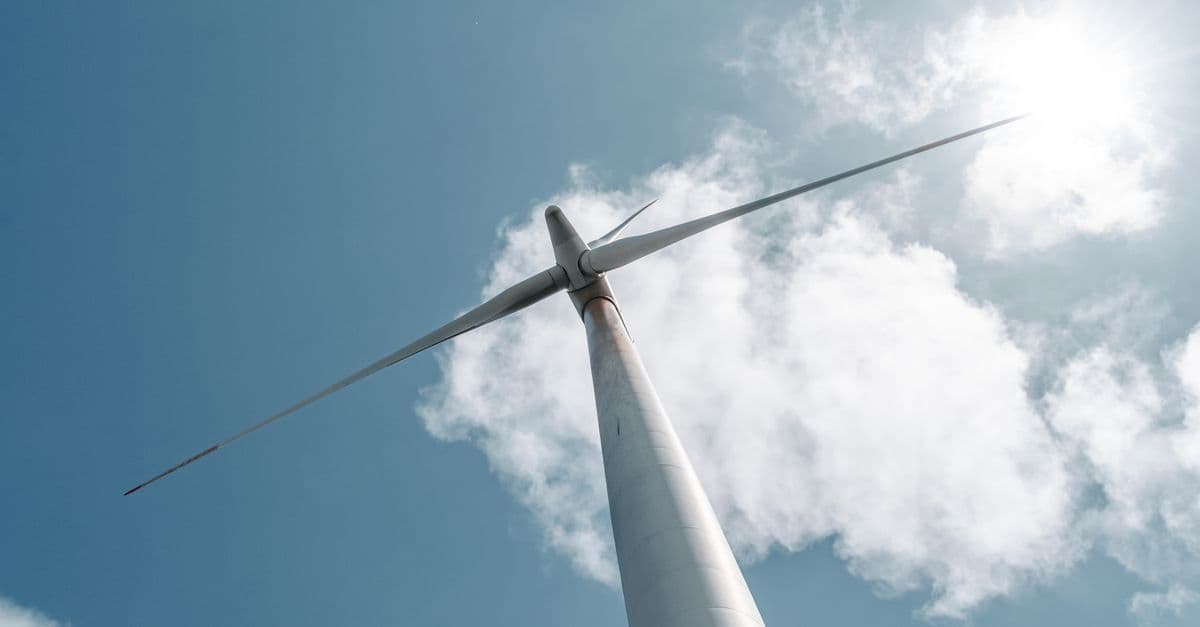
How to Reduce Your Carbon Footprint: 20 High-Impact Actions (Ranked by Real Data)
The average person in a high-income country produces 16 metric tons of CO2-equivalent emissions annually. Half of this comes from four categories: transportation (27 percent), energy (home heating/cooling and electricity, 25 percent), food (14 percent), and consumption (goods and packaging, 14 percent). Reducing your carbon footprint requires action in these four areas. However, the impact varies dramatically. Flying four times per year generates 2 metric tons (12 percent of your footprint); driving 10,000 miles generates 2 metric tons; eating meat 5 times weekly for a year generates 0.5 metric tons. A household reducing driving 50 percent saves 1.5 metric tons per year; switching to a renewable-energy grid saves 2–4 metric tons annually; adopting a plant-dominant diet saves 0.3–1 metric ton per year. This guide ranks reduction actions by real-world impact (based on life-cycle assessment studies and carbon accounting data), separates high-impact actions from feel-good gestures, and addresses the systemic limitations of individual action. The highest-impact step is also the most difficult: reduce air travel. The second-highest is home energy efficiency. The third is dietary shift. Together, these three actions can reduce emissions by 40–60 percent; the remaining 20 actions add incremental improvements.
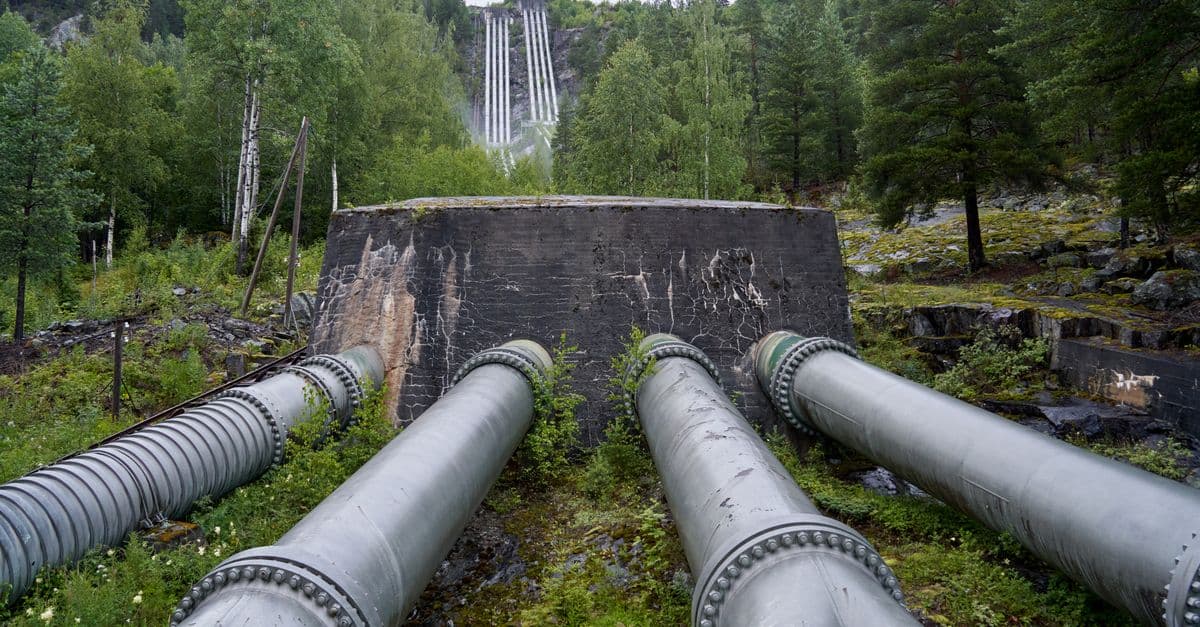
Countries with the Most Hydropower (Ranked by Installed Capacity)
China leads the world in hydropower with 435.95 GW of installed capacity — more than three times that of second-place Brazil at 110 GW. Hydropower is the world's largest source of renewable electricity, accounting for roughly 40 percent of global renewable generation. This ranking covers the top 15 countries by hydropower installed capacity using IHA and IRENA 2024 data, with methodology, historical context, and caveats about what capacity figures do and do not tell you.
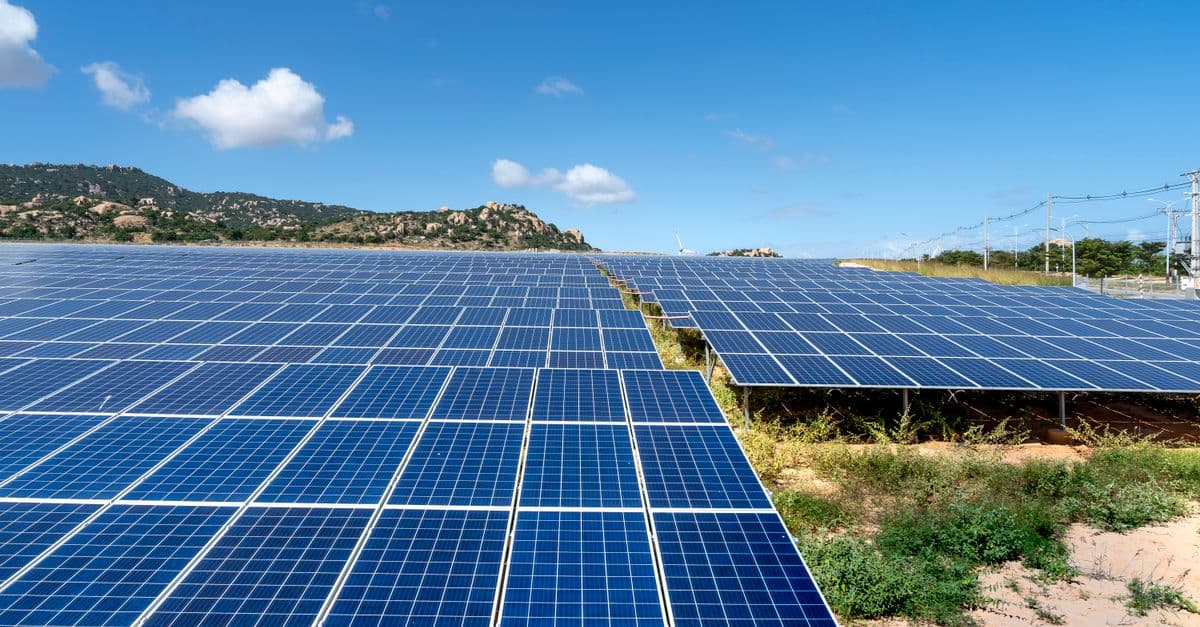
Countries That Produce the Most Solar Power (Ranked)
China installed 278 GW of new solar capacity in 2024 alone — more than the entire installed base of the United States. With 888 GW of total solar PV capacity, China now hosts nearly half of all solar power on Earth. This article ranks the top solar nations by installed capacity and explains how the global solar revolution became so geographically concentrated.