Complete Sustainability Guide 2026 — Climate, Energy, and Conservation
The complete guide to sustainability in 2026: renewable energy, climate science, circular economy, conservation strategies, and actionable steps to reduce your impact.
26 articles tagged with #climate-change

The complete guide to sustainability in 2026: renewable energy, climate science, circular economy, conservation strategies, and actionable steps to reduce your impact.

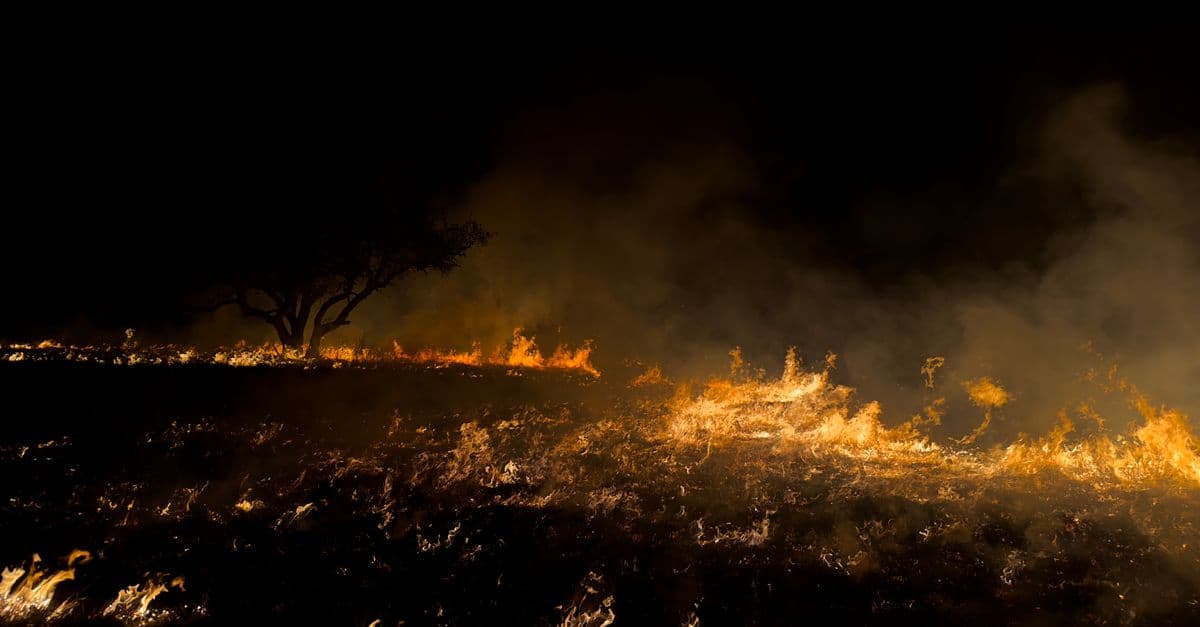
Wildfires spread through three heat-transfer mechanisms — radiation, convection, and conduction — turbocharged by wind, dry fuel, and a fire's own self-generated weather. Understanding the physics explains why modern wildfires outrun every suppression strategy thrown at them.

Climate change is not a future event that will arrive later. It is already changing the price of your coffee, the length of your allergy season, the cost of your home insurance, the availability of water in your tap, and the heat outside your window. The effects are measurable, attributed to specific climate mechanisms by peer-reviewed science, and accumulating across every aspect of daily life in 2026. This article maps the concrete pathways — with numbers — from global warming to your daily experience.

How do birds cross continents without GPS? Explore magnetic compasses, star maps, and quantum biology behind one of nature's greatest feats.

How scientists link heat waves, floods, wildfires, and storms to climate change, how attribution studies work, and where the evidence is still weak.

From the greenhouse effect to tipping points — the peer-reviewed science behind climate change, carbon budgets, feedbacks, and 2100 scenarios.

Ocean acidification changes seawater chemistry as carbon dioxide dissolves. Learn what pH means, how shells are affected, and why local conditions matter.

AI is already modeling the climate with unprecedented precision. But could it actually run a planetary-scale effort to pull carbon out of the atmosphere and cool the Earth?

Neural networks now find vessels in satellite radar images and recognize whale calls in underwater audio. Here is what they do, how accurate they are, and where the claims run ahead of the evidence.

Cities use roughly two-thirds of the world's energy, and much of it runs on fixed schedules. Machine learning can forecast demand and adjust traffic signals, lighting, and building controls ahead of time. Here is what has been measured, what is vendor claim, and where the method breaks.

Machine learning is helping chemists screen millions of candidate sorbents for direct air capture. Here is what the evidence shows, what plants cost today, and where the claims run ahead of the data.

AI weather models now produce 10-day global forecasts in under a minute. Climate projections are a harder problem, and the gap between the two is where the real science sits.