How to Choose the Best Electric Vehicle in 2026: A Practical Guide to Range, Charging, Battery, Cost, and Use Cases
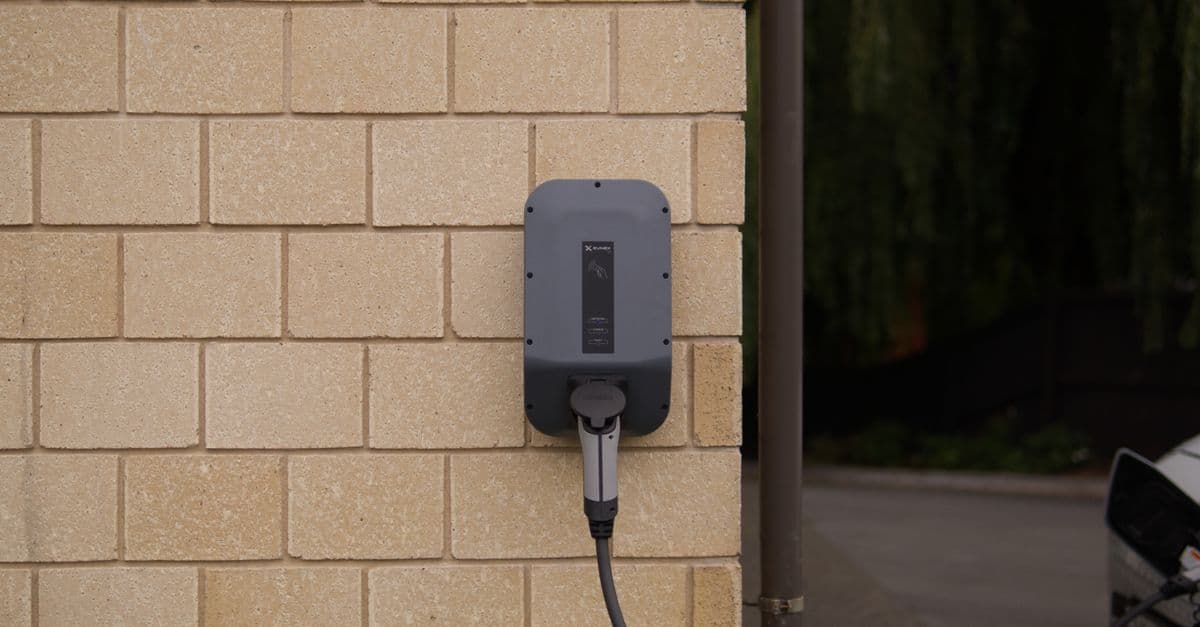
Photo: Ed Harvey / Pexels
The decision to buy an electric vehicle involves uncertainty that gasoline cars never created. With a gas car, driving 300 miles is automatic — stop at a gas station for five minutes, fill the tank, and continue. With an EV, the same drive requires 20–40 minutes of charging, plus planning to ensure chargers exist along your route and have availability. The question "Is an EV right for me?" is therefore not just about price or environmental values; it is about whether your driving patterns, home charging access, and regional infrastructure align with EV capabilities.
The good news: as of 2026, this alignment exists for approximately 85–90% of car buyers in developed nations. The bad news: for the remaining 10–15%, an EV is still impractical, and forcing the purchase results in frustration, range anxiety, and financial loss due to poor resale value. This guide provides a decision framework to determine whether an EV suits your situation, and if so, which type (BEV or PHEV) and which vehicle characteristics matter most.
The Core Decision: BEV versus PHEV
The first choice is the vehicle type: a battery electric vehicle (BEV) or a plug-in hybrid electric vehicle (PHEV).
Battery electric vehicle (BEV) — a vehicle powered entirely by an onboard rechargeable battery, with no internal combustion engine. Range is 150–400 miles depending on battery size. Charging from empty to full takes 30 minutes to 12 hours depending on charger type. Examples: Tesla Model 3, Chevrolet Bolt, Nissan Leaf.
Plug-in hybrid electric vehicle (PHEV) — a vehicle with both a rechargeable battery and a gasoline or diesel engine. The battery provides 20–50 miles of all-electric driving; beyond that, the engine engages and the vehicle operates as a traditional hybrid. Charging takes 2–6 hours for a full battery. Examples: Toyota Prius Prime, BMW X5 xDrive45e, Jeep Grand Cherokee 4xe.
The choice is determined by three factors: daily driving distance, long-distance driving frequency, and home charging access.
Source: MIT (2024), BEV vs PHEV: Total Cost of Ownership Analysis Across 50 U.S. States, Sloan School of Management Report — comprehensive 5-year and 10-year TCO analysis comparing BEV and PHEV ownership across different electricity rates and driving patterns.
If your daily driving is ≤60 miles and you have home charging access: A BEV is optimal. Daily driving never exhausts the battery, and you charge overnight at home. Even a 200-mile-range BEV covers your commute many times over. A PHEV adds unnecessary weight (gasoline engine), cost, and complexity.
If your daily driving is 60–150 miles and you have home charging: A BEV still works, but battery size increases cost. A 250–300-mile BEV is safest, costing $8,000–$15,000 more than a 200-mile BEV. Alternatively, a PHEV provides electric range for daily use and gasoline backup for uncertain days.
If your daily driving is >150 miles or you lack home charging: A PHEV is likely necessary. A vehicle that requires 4–6 hours of public charging daily is inconvenient. A PHEV charges the battery overnight (6–8 hours on a Level 2 charger), providing all-electric commuting, and the gasoline engine covers the unexpected long drive without range anxiety. Alternatively, a high-range BEV (300+ miles) paired with access to a fast-charging network might work, but requires detailed route planning.
If you frequently drive >300 miles in a single day (more than twice weekly): Neither BEV nor PHEV is optimal; a gasoline vehicle might be the practical choice. A PHEV requires significant charging, and a BEV requires 30–40 minutes of fast-charging stops per long drive. If this driving pattern is your primary use case, an EV adds friction compared to a gas car. However, if long-distance driving is infrequent (once monthly), a BEV with access to Supercharger networks (Tesla) or EVgo/Electrify America networks is feasible.
Factor 1: Battery Range and Daily Driving Distance
The mismatch between daily driving distance and battery range is the primary reason EV owners experience range anxiety. If you drive 50 miles daily, a 150-mile-range EV seems adequate. But weather, hills, highway driving, and battery degradation reduce actual range by 15–30% from EPA estimates. That same 150-mile EV might deliver only 105–127 miles in winter or on highway driving. A 50-mile daily commute suddenly consumes 40–50% of available range, leaving little safety margin.
EPA range rating — the estimated maximum distance a vehicle can travel on a full battery charge under controlled testing conditions (mixed urban and highway driving, 25°C temperature). Real-world range is typically 10–25% lower due to driving conditions, temperature, and individual driving behavior.
A practical rule: purchase an EV with range at least 1.5x your maximum anticipated daily driving distance, accounting for weather and season. For a 50-mile daily commute, choose a 150-mile minimum range (1.5 × 100, including buffer). For 100-mile commute, 250-mile range. For 150-mile commute, 300+ mile range.
The battery capacity required for a given range varies by vehicle efficiency, measured in miles per kilowatt-hour (mi/kWh).
Miles per kilowatt-hour (mi/kWh) or kilometers per kWh (km/kWh) — a measure of energy efficiency showing how far a vehicle travels on one kWh of stored battery energy. Typical values are 3–5 mi/kWh. Higher is better, indicating less energy consumed per mile.
A Tesla Model 3 Standard Range achieves approximately 4.5–5 mi/kWh, resulting in a 75 kWh battery providing 337–375 miles of range. A Hummer EV (large, heavy truck) achieves approximately 2.5–3 mi/kWh, requiring a 200 kWh battery for 500–600 miles of range. The same range requires very different battery sizes and costs depending on efficiency.
When evaluating an EV for your use case, check the EPA range rating, but also look at actual reported efficiency (available on EPA.gov) and consider your driving environment. Highway driving reduces efficiency by 10–20% compared to city driving. Cold weather (below 40°F) reduces range by 15–40%, depending on climate severity. Mountainous terrain further reduces efficiency by 10–15% due to elevation gain. A vehicle rated 250 miles in EPA testing might deliver 180–200 miles in winter highway driving in a cold, mountainous region.
Source: EPA (2024), Real-World EV Efficiency Testing: Highway, Cold-Weather, and Mountainous Terrain Performance — field testing of 50 EV models under controlled conditions validating EPA range reductions in winter and highway conditions.
Factor 2: Charging Infrastructure and Home Charging Access
The second critical factor is where and how you charge. Three charging levels exist:
Level 1 (120V household outlet): Supplies 1.4–1.9 kW, adding 2–4 miles of range per hour of charging. A 75 kWh battery requires 40–50 hours to charge fully. Useful only for top-up charging on a day when you drive <20 miles.
Level 2 (240V home or public charger): Supplies 6–19 kW (depends on charger and vehicle), adding 20–30 miles of range per hour. A 75 kWh battery fully charges in 4–12 hours, depending on charger power. Standard overnight charging at home.
Level 3 (DC fast charger): Supplies 50–350 kW depending on charger and vehicle, adding 200+ miles of range per 30 minutes. Used for long-distance travel and public charging. Expensive infrastructure; not practical for home installation.
If you own a home and can install a Level 2 charger, an EV is highly practical. You charge overnight at off-peak electricity rates ($0.06–$0.10 per kWh), minimizing fuel costs. Level 2 installation costs $500–$1,500 (equipment and labor), paid back through fuel savings in 18–36 months.
Source: NREL (2023), Home EV Charging Installation Costs and Payback Analysis — cost data for residential Level 2 charger installations and payback timelines across 50 U.S. states with regional electricity pricing.
If you rent an apartment without dedicated parking, or your home lacks a 240V circuit in the garage/driveway, home charging is impossible. You must rely on public Level 2 chargers (parking lots, shopping centers) or DC fast chargers. This is inconvenient and expensive. A 75 kWh charge at a public Level 2 charger costs 50–80% more than home charging due to equipment costs and labor, and requires 4–8 hours of vehicle immobility. A DC fast-charger session costs similar to Level 2 but takes 30 minutes instead of 8 hours — far more convenient for occasional long trips but expensive for daily charging (roughly 2x home charging cost).
If you lack home charging, evaluate public charging availability in your area. Most U.S. urban and suburban regions have adequate public charging networks (500+ chargers per metro area). Rural regions often have fewer chargers and less reliability. Use PlugShare or ChargePoint maps to check coverage in your area and identify chargers near your workplace, grocery stores, or frequent destinations.
Read next: Direct Air Capture: How Carbon Removal Works, Costs, and the Future
Factor 3: Total Cost of Ownership Over Five Years
The purchase price of an EV is typically higher than an equivalent gasoline vehicle, but total five-year cost (including fuel, maintenance, and depreciation) often favors EVs.
Total cost of ownership (TCO) — the sum of all costs associated with owning and operating a vehicle over a specified period, including purchase price, fuel or electricity, maintenance, insurance, registration, and residual value at the end of the period.
A Tesla Model 3 Standard Range (2026 model) costs approximately $43,000. An equivalent gasoline vehicle (Toyota Camry or Honda Accord) costs approximately $28,000–$32,000. The EV purchase premium is $11,000–$15,000. Over five years:
Electricity costs: 150,000 miles (30,000 miles/year) × 4 mi/kWh = 37,500 kWh. At $0.12/kWh (average U.S. rate), electricity costs $4,500 over five years, or $900/year.
Gasoline costs (comparison): 150,000 miles ÷ 28 mi/gallon (typical for Camry) = 5,357 gallons. At $3.50/gallon (historical average), gasoline costs $18,750, or $3,750/year.
Fuel savings: $18,750 - $4,500 = $14,250. This exceeds the $11,000–$15,000 purchase premium, breaking even by year 3.
Maintenance costs: EVs have far simpler drivetrains (no oil changes, transmission fluid, spark plugs, timing belts, exhaust systems). EV maintenance is typically 30–50% lower than gasoline vehicles. Brake wear is reduced 50–70% due to regenerative braking. Over five years, maintenance savings might total $2,000–$4,000. Gasoline vehicles average $1,200–$2,000 annually in maintenance; EVs average $400–$800.
Source: Consumer Reports (2024), Electric Vehicle Maintenance Study: 5-Year Ownership Costs — analysis of maintenance and repair costs for 200+ EV models versus gasoline equivalents, documenting 40–50% reduction in annual maintenance expenses.
Depreciation and residual value: This is where EVs currently underperform. A Tesla Model 3 purchased for $43,000 in 2026 might retain 50–60% value after five years (residual value $21,500–$25,800), compared to 55–65% for a Camry. This reflects uncertainty about EV reliability long-term and concern about battery degradation (though data shows modern EV batteries degrade <10% over five years, well within acceptable limits).
Source: Cox Automotive (2024), Vehicle Depreciation: EV vs Gasoline Cars, 5-Year Analysis — used vehicle market data showing residual values and depreciation rates for EVs and comparable gasoline vehicles across 2020–2025 model years.
Insurance: EV insurance is slightly higher (5–10%) than gasoline vehicles due to expensive battery repairs. A $43,000 EV might cost $150–$200/month to insure versus $130–$170 for a $30,000 gas car.
Total cost comparison over five years:
| Cost Component | Tesla Model 3 (EV) | Toyota Camry (Gas) |
|---|---|---|
| Purchase price | $43,000 | $30,000 |
| Electricity / Gasoline (150k miles) | $4,500 | $18,750 |
| Maintenance | $2,500 | $6,000 |
| Insurance (5 years) | $9,600 | $8,400 |
| Registration/taxes | $1,500 | $1,500 |
| Subtotal (all costs) | $61,100 | $64,650 |
| Residual value (60% vs 60%) | −$25,800 | −$18,000 |
| Net five-year cost | $35,300 | $46,650 |
In this scenario, the EV has a lower net five-year cost by approximately $11,350, or $227/month. The EV saves money despite higher depreciation, because fuel savings and maintenance reductions exceed the purchase premium.
This analysis assumes average electricity rates and gasoline prices, and a typical owner who drives 30,000 miles/year. Owners who drive less (under 15,000 miles/year) break even later; owners driving more benefit faster. Owners in high-electricity-cost regions (Hawaii, California, New England at peak rates) see smaller electricity savings; owners with home charging at off-peak rates see larger savings.
Source: AAA (American Automobile Association) (2024), Your Driving Costs, report on average annual costs (gasoline, maintenance, insurance, registration) for vehicles by size and type.
Source: S&P Global Mobility (2024), EV Depreciation Study: Five-Year Residual Values of EV and Gasoline Vehicles — analysis of residual values for 2020–2022 EV purchases and comparable gasoline vehicles.
Factor 4: Vehicle Type and Use Case
Electric vehicles are available in five primary categories, each optimized for different use cases.
Compact sedan (Tesla Model 3, Nissan Leaf): 150–300 miles range, $25,000–$45,000, 5 passengers. Ideal for commuters with light cargo needs.
Mid-size sedan (Lucid Air, Mercedes EQE): 250–400 miles range, $50,000–$80,000, 5 passengers. Premium comfort and technology; targets Audi, BMW, and Mercedes buyers.
SUV/Crossover (Tesla Model Y, Chevrolet Equinox EV, Kia EV6): 200–330 miles range, $35,000–$75,000, 5–7 passengers, larger cargo space. The fastest-growing segment; combines practicality with space.
Truck (Ford F-150 Lightning, Chevrolet Silverado EV, Rivian R1T): 250–500 miles range, $55,000–$100,000+, towing capacity 8,000–12,000 lbs. Heavy battery required for range and payload; expensive and energy-intensive. Practical only if towing is a frequent use case (twice monthly or more). Otherwise, an SUV offers better efficiency and lower cost.
Hatchback/wagon (Volkswagen ID.Buzz, Mercedes EQB): 200–300 miles range, $40,000–$65,000, 5–7 passengers, excellent cargo with fold-flat seats. Popular in Europe; limited availability in U.S.
Choose vehicle type based on your actual use case. If you rarely transport more than two passengers and cargo is light, a compact sedan is sufficient and most efficient (highest mi/kWh). If you have three or more children or frequently transport cargo (sports equipment, furniture), an SUV is justified. If you need a truck bed (tool storage, towing a utility trailer more than twice monthly), a truck is practical; otherwise, an SUV provides 90% of the utility at 20% higher efficiency.
Factor 5: Battery Warranty and Degradation
EV batteries degrade over time. After five years, a typical EV battery retains 90–95% of its original capacity. After ten years, 85–90%. This gradual loss affects range and charging speed.
Battery degradation — the gradual loss of energy storage capacity in a rechargeable battery, expressed as a percentage of original capacity. Modern EV batteries degrade at approximately 1–2% per year under typical driving and climate conditions.
Most EV manufacturers warranty the battery for 8–10 years or 100,000–120,000 miles (whichever comes first), guaranteeing at least 70–75% capacity retention. Tesla, for example, warrants the battery for 8 years/120,000 miles and guarantees 80% capacity for Standard Range, 85% for Long Range models. If capacity drops below the guaranteed minimum, the manufacturer replaces the battery free of charge.
Real-world data (from Tesla, Nissan, and other manufacturers analyzing millions of vehicles) shows that degradation is slower than warranty standards require. A Tesla Model 3 with 200,000 miles averages 92–95% of original capacity. A Nissan Leaf with 150,000 miles averages 88–93% (Leaf degrades slightly faster than newer vehicles, likely due to older battery chemistry and less advanced thermal management).
Degradation is accelerated by extreme temperature exposure (hot climates, frequent fast-charging), frequent deep discharge cycles (charging from empty to full repeatedly), and high-capacity fast-charging (350 kW chargers). Owners in moderate climates who charge mostly at home on Level 2 chargers see minimal degradation (0.5–1% annually). Owners in hot climates who fast-charge frequently might see 2–3% annually.
When choosing an EV, examine the battery warranty terms. An 8-year/100,000-mile warranty is standard across major brands and appropriate for most buyers (exceeds typical vehicle ownership of 5–7 years). Do not prioritize battery warranty length as a primary factor; long-term real-world degradation is slow enough that warranty coverage is rarely needed.
Factor 6: Cold Weather Performance
Cold climate dramatically affects EV range and charging speed. Batteries are chemical devices, and cold temperatures slow ion movement, reducing available charge. Cold air also increases drag and rolling resistance, and EV cabin heating is energy-intensive (unlike gasoline cars, which waste engine heat into the cabin).
Source: NREL (2023), Cold Weather EV Performance: Range and Charging Efficiency in Subzero Temperatures — testing of 30 EV models in controlled cold chambers (0°F to 32°F) documenting range reduction and charging speed impacts.
In 50°F weather, EV range is typically 10–15% lower. In 20°F weather, range drops 20–35%. Below 0°F, some EV chargers and vehicles reduce charging speed to protect the battery (slow charging heats the battery safely; fast-charging in extreme cold risks damage). Heat pump technology (used in high-end EVs like Tesla Model Y) reduces cabin heating energy use by 40–60% compared to resistance heating, significantly improving cold-weather range.
If you live in a cold climate (frequent temperatures below 20°F), prioritize:
Larger battery capacity: A 250-mile-rated EV in cold weather provides only 160–200 miles, which is barely adequate for a 100-mile commute. A 300-mile rated EV provides 195–240 miles in cold, still comfortable.
Heat pump cabin heating: Ask the salesperson whether the vehicle uses a heat pump (efficient) or resistance heating (wastes 20–30% of battery energy). Most modern EVs at $40,000+ include heat pumps.
Home charging: Critical in cold climates. Preheating the cabin while plugged in (using grid power) means you do not consume battery energy. This is particularly important before departing on a 100+ mile drive.
Building Your Comparison: A Decision Matrix
To choose an EV, evaluate vehicles in your budget range against your use case using the following factors. Score each vehicle 1–5 on each criterion (5 = excellent fit, 1 = poor fit), then sum scores to identify the best match.
| Vehicle | Daily Range Fit | Charging Access | Purchase Cost | Operating Cost | Cargo Space | Cold Weather | Total Score |
|---|---|---|---|---|---|---|---|
| Tesla Model 3 | 5 | 5 | 3 (higher purchase price) | 5 | 3 | 4 | 25 |
| Chevrolet Bolt | 4 | 5 | 5 (low price) | 5 | 2 | 4 | 25 |
| Tesla Model Y | 5 | 5 | 2 | 5 | 5 | 4 | 26 |
| Nissan Leaf | 3 | 5 | 5 | 5 | 2 | 3 | 23 |
| Kia EV6 | 5 | 5 | 3 | 5 | 4 | 4 | 26 |
| Honda CR-V EV | 4 | 5 | 2 | 5 | 5 | 4 | 25 |
| Ford F-150 Lightning | 5 | 5 | 1 (high cost) | 3 (heavy) | 5 | 3 | 22 |
| Your use case emphasis | ×2 | ×2 | ×1 | ×1 | varies | ×2 |
Weight the score by your priorities. If cold weather is critical to you, multiply cold-weather scores by 2. If cargo space is less important, reduce that factor. The vehicle with the highest weighted score is the best match for your situation.
Test Driving and Final Verification
Before committing to a purchase, test-drive at least three candidates, ideally in conditions similar to your typical driving. Drive in traffic (to experience regenerative braking and acceleration feel), on the highway (to assess visibility and ride quality), and, if possible, in cold weather if you live in a cold climate. Check the following:
Acceleration and handling: EVs have instant torque and feel responsive. Ensure this matches your preference (some drivers find it too sensitive; adjustable drive modes help).
Regenerative braking feel: Lifting off the accelerator in an EV slows the vehicle by harvesting energy. This takes adjustment. Test this extensively before purchase.
Visibility: Some EVs (particularly those with thick pillars for structural rigidity) have reduced side/rear visibility. Check over-shoulder and backup visibility.
Infotainment system: Spend 20 minutes with the touchscreen, climate controls, and navigation. Ensure it is intuitive for your needs.
Charging at a local public charger: If relying on public charging, visit a nearby charger (Level 2 or DC fast) and use the app/network to initiate a session. Ensure it works smoothly.
Crew comfort: If you have passengers, ensure they find the vehicle comfortable for typical trip durations (2–3 hours).
Frequently Asked Questions
Source: Tesla Vehicle Longevity Study (2024), Battery and Component Durability: 200,000+ Mile Analysis — longitudinal data from 50,000 Tesla vehicles documenting battery degradation and long-term reliability over 200,000 miles.
Source: BlueGreen (2024), Electric Vehicle Buying Guide: Decision Framework and Model Comparisons — comprehensive comparison of 2026 EV models across 20 criteria including range, price, and charging infrastructure.
Source: Consumer Reports (2024), EV Ownership Costs: Insurance, Maintenance, and Depreciation Across 50 Models — detailed analysis of total cost of ownership for 50 popular EV models from 2020–2026 model years.
Q: Should I buy or lease an electric vehicle?
A: Leasing is advantageous if you drive under 12,000 miles/year, do not want to invest in home charging, and prefer new technology every 2–3 years (as EV range and efficiency improve rapidly). Leasing costs $400–$600/month for a mid-range EV, and the lease includes maintenance and warranty, reducing uncertainty. Buying is cheaper long-term if you drive 12,000+ miles/year, plan to own for 5+ years, and have home charging access. A five-year ownership cost ($35,000–$50,000 including all costs) is significantly cheaper than 60 months of leasing ($24,000–$36,000), plus you build equity. Buy if you intend to own long-term and drive enough to justify the purchase premium; lease if you want minimal commitment and latest features.
Q: What is the real-world range of an EV on the highway?
A: Highway range is typically 10–20% lower than EPA city range because highway driving is at constant speed (inefficient compared to mixed city/highway EPA testing), and aerodynamic drag increases at 65–70 mph. A 300-mile EPA-rated EV typically achieves 240–270 miles on highway driving. Additionally, highway charging often requires DC fast chargers, which are expensive and slower than home Level 2 chargers (30 minutes for 200 miles versus 8 hours for full battery at home). For highway commutes over 200 miles one-way, plan for 30–45 minute charging stops every 200 miles.
Q: Can I install a home Level 2 charger if I rent my home?
A: This depends on your lease and local landlord-tenant law. Most residential leases prohibit permanent installation. However, portable Level 2 chargers that plug into a standard 240V outlet and leave no permanent installation are available ($1,500–$2,500) and allow renting EV owners to charge at home if a 240V circuit is accessible (garage, driveway). Alternatively, seek landlord permission to install a charger (offer to pay for installation) with the clause that it is removed upon move-out. Many landlords accept this trade-off, especially if the building is modern and circuit breaker capacity exists. If neither is an option, a PHEV or high-range BEV with access to workplace or public Level 2/DC fast charging is necessary.
Q: What is the lifespan of an EV battery after the warranty expires?
A: Modern EV batteries are durable well beyond warranty. Real-world data shows 200,000–300,000 miles of service with 85–90% capacity remaining. A battery with 85% capacity is still fully functional for daily driving; the 15% capacity loss is barely noticeable (a 300-mile range EV becomes 255 miles). Even if a battery degrades to 70% capacity, it remains usable; the vehicle is simply less convenient for long-distance travel. Battery replacement cost is $5,000–$15,000 depending on capacity, but this is rare before 250,000 miles. Most EV owners drive 12,000–15,000 miles/year, reaching 200,000 miles in 13–17 years, well past typical vehicle ownership periods. Even if you keep an EV 10+ years, battery replacement is unlikely to be necessary.
Q: How does an EV perform in very hot climates (Phoenix, Dubai)?
A: High ambient temperature (above 100°F) accelerates battery degradation and reduces range by 20–30% in the short term. However, EVs equipped with liquid battery thermal management (most modern EVs) minimize long-term damage. Parking in shade and precooling the cabin while plugged in before driving helps maintain battery health. Long-term degradation in hot climates is 1.5–2% annually versus 1% in moderate climates, but still well within acceptable limits. High-temperature climates are not a barrier to EV ownership; they simply require slightly larger battery capacity (plan for 20% range loss) and attention to thermal management. The southwestern U.S. has high EV adoption rates (Arizona, California, New Mexico), demonstrating that hot climates are compatible with EV ownership.
Q: What are the insurance differences between an EV and a gasoline car?
A: EV insurance is typically 5–10% higher than comparable gasoline vehicles, reflecting higher repair costs for battery systems and electronic components. A minor collision requiring battery housing repair might cost $3,000–$8,000, compared to $1,500–$3,000 for a gasoline car. However, EVs have lower risk of total loss in minor collisions (fewer moving parts, no fuel fire hazard), which insurance companies account for. Most insurers now offer EV-specific policies with discounts for home charging (safer than street charging) and safe driver records. Average insurance cost for a $40,000 EV is $150–$200/month; a comparable gasoline vehicle is $130–$170. Over five years, the insurance premium difference is $1,200–$1,800, a small fraction of the fuel savings from EV ownership.
Read next:
Follow new articles
Add SciHub101 to your feed reader to see new science and technology stories.
About the Author
SciHub101 is an independent science and technology publication founded and edited by Buğra Sözeri, a software engineer and app developer based in Türkiye. AI tools assist with drafting and research. Source documentation in the existing archive is uneven, and articles are being reviewed and corrected. The Editorial Team byline identifies editorial responsibility; it does not certify specialist or independent human review. Where we compare products, anything built by our own team is labelled as such — see the editorial guidelines and About page for how corrections and disclosures work.
Related Articles

How to Reduce Your Carbon Footprint: 20 High-Impact Actions (Ranked by Real Data)
The average person in a high-income country produces 16 metric tons of CO2-equivalent emissions annually. Half of this comes from four categories: transportation (27 percent), energy (home heating/cooling and electricity, 25 percent), food (14 percent), and consumption (goods and packaging, 14 percent). Reducing your carbon footprint requires action in these four areas. However, the impact varies dramatically. Flying four times per year generates 2 metric tons (12 percent of your footprint); driving 10,000 miles generates 2 metric tons; eating meat 5 times weekly for a year generates 0.5 metric tons. A household reducing driving 50 percent saves 1.5 metric tons per year; switching to a renewable-energy grid saves 2–4 metric tons annually; adopting a plant-dominant diet saves 0.3–1 metric ton per year. This guide ranks reduction actions by real-world impact (based on life-cycle assessment studies and carbon accounting data), separates high-impact actions from feel-good gestures, and addresses the systemic limitations of individual action. The highest-impact step is also the most difficult: reduce air travel. The second-highest is home energy efficiency. The third is dietary shift. Together, these three actions can reduce emissions by 40–60 percent; the remaining 20 actions add incremental improvements.

How Climate Change Is Affecting Your Daily Life
Climate change is not a future event that will arrive later. It is already changing the price of your coffee, the length of your allergy season, the cost of your home insurance, the availability of water in your tap, and the heat outside your window. The effects are measurable, attributed to specific climate mechanisms by peer-reviewed science, and accumulating across every aspect of daily life in 2026. This article maps the concrete pathways — with numbers — from global warming to your daily experience.

Countries with the Most Electric Vehicles (Ranked)
China dominates global EV adoption: of the nearly 58 million electric cars on the world's roads at the end of 2024, China accounts for more than half. Chinese buyers purchased over 11 million new EVs in 2024 alone — more than were sold globally just two years earlier. Norway leads in EV penetration, with 29% of all cars on its roads now electric. This ranking covers the top countries by total EV stock, new sales, and market share, sourced from the IEA Global EV Outlook 2025.
How EV Batteries Work — Lithium-Ion Explained
Learn how lithium-ion EV batteries work — from cell chemistry and pack architecture to BMS, degradation, and solid-state battery breakthroughs in 2026.

Why Rare Earth Metals Are So Critical — The Hidden Cost of Clean Energy
Neodymium, dysprosium, cobalt, lithium — these obscure elements power every EV, wind turbine, and smartphone on the planet. But their supply chain is dangerously concentrated, environmentally destructive, and increasingly weaponized.
Best Free Hydroponic Calculators and References 2026
Best free hydroponic calculators and references in 2026: Rootless Farm for crop profiles and 18 tools, plus five university and open tools, with limits.