
oceanography
7 articles tagged with #oceanography
Science
Deep Ocean Mysteries: What We Still Don't Know About Earth's Last Frontier
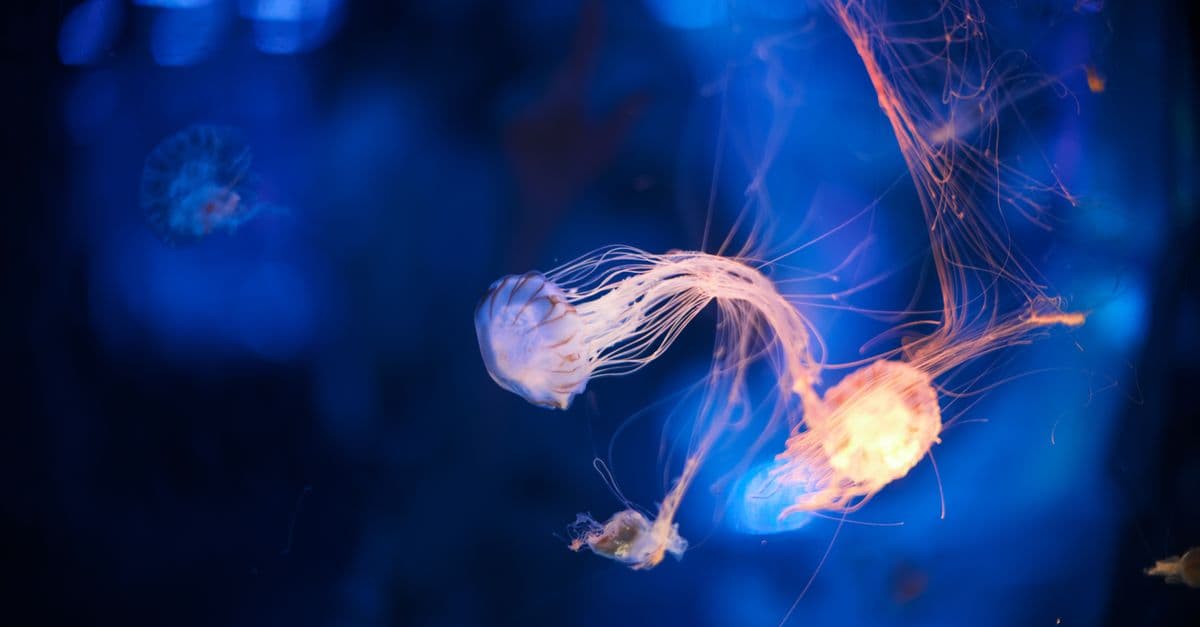
More than 80 percent of the ocean floor remains unmapped at high resolution. Below 6,000 meters lies the hadal zone — a world of crushing pressure, strange chemistry, and organisms that have never seen sunlight. Hydrothermal vents support entire ecosystems without photosynthesis. Bioluminescent creatures illuminate the midnight zone with cold blue fire. Scientists estimate we have catalogued fewer species from the deep sea than from the surface of Mars. The abyss is not empty. It is full of answers to questions we have barely learned to ask.
World Records
The Deepest Places in the Ocean: Inside the Mariana Trench and Challenger Deep
The deepest known point on Earth's surface sits 10,935 meters below sea level in the western Pacific — deeper than Everest is tall. At Challenger Deep in the Mariana Trench, the water pressure reaches 1,086 bar (15,750 psi), equivalent to 50 jumbo jets resting on a single square meter. Three crewed descents have reached this point, and each one found life there. The hadal zone, that alien strip of ocean below 6,000 meters, covers less than 1% of the seafloor but harbors organisms that have evolved in permanent darkness, crushing pressure, and near-freezing temperatures.

Scientists
Marie Tharp: The Woman Who Mapped the Ocean Floor and Proved Plate Tectonics Was Real — SciHub101
Marie Tharp mapped the entire ocean floor from shore, banned from research ships. Her discovery of the Mid-Atlantic Ridge rift valley confirmed plate tectonics — called 'girl talk' by her own colleague.
Science
Ocean Science: How Oceans Work Explained
How oceans work: depth zones, the conveyor-belt circulation, acidification, hydrothermal vents, tides, and plastics, with figures from NOAA and the IPCC.

Biology & Health
Deep-Sea Creatures and Bioluminescence: Life in the Dark Ocean
Below 200 meters, there is no sunlight — yet roughly 76% of deep-sea animals produce their own light. The deep ocean is full of living lanterns.
What If
What If the North Atlantic Current Stopped?
The North Atlantic Current (part of the Gulf Stream system) carries warm tropical water northward, keeping Europe mild and habitable. If it stopped due to freshwater influx or climate change, Europe would plunge into ice-age conditions within decades — while other regions experience opposite effects.