Skip to content
ISSUE 10.30.26/24 CATEGORIES

science

133 articles tagged with #science

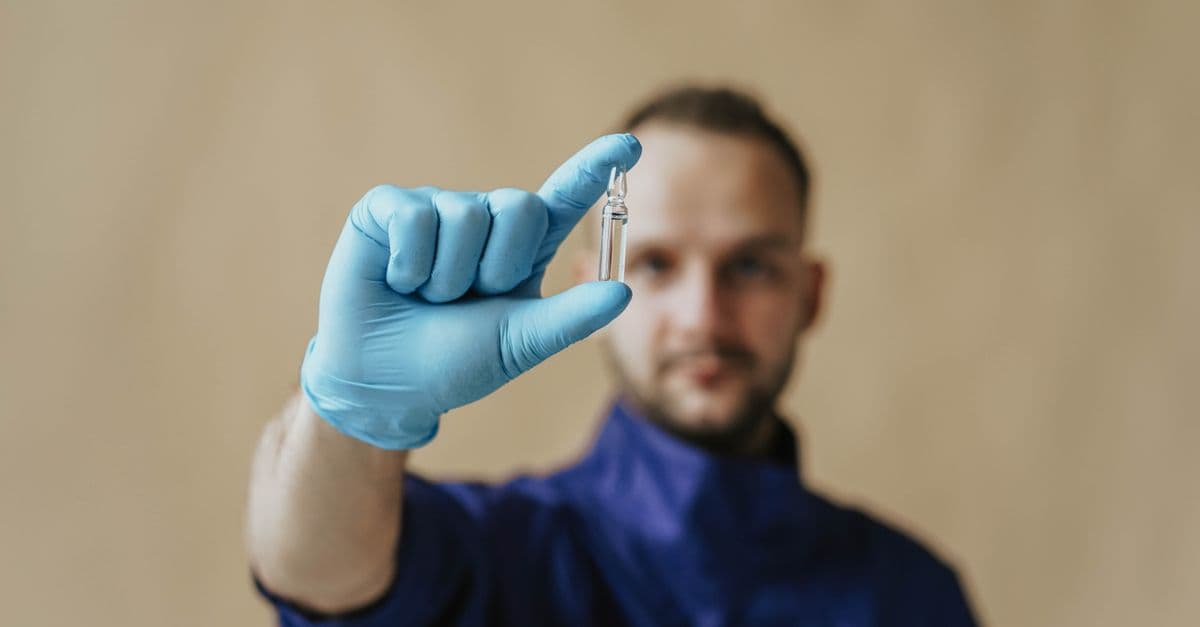
A male healthcare worker in protective gloves holding a small vial, focusing on medical research and safety.
Science

The Human Genome Revolution: From $3 Billion to $200 and What We Found

The Human Genome Project cost $3 billion, took 13 years, and involved 20 countries — to produce a sequence that was still 8 percent incomplete. A single lab can now sequence a human genome for under $200 in a single day. That price collapse, steeper than Moore's Law for a decade straight, has changed medicine, ancestry research, evolutionary biology, and our understanding of what 'the genome' actually is. The truly complete human genome, published in 2022, revealed nearly 200 million base pairs we never knew existed and overturned the idea that most DNA has no function.
Editorial Team·June 4, 2026·17 min
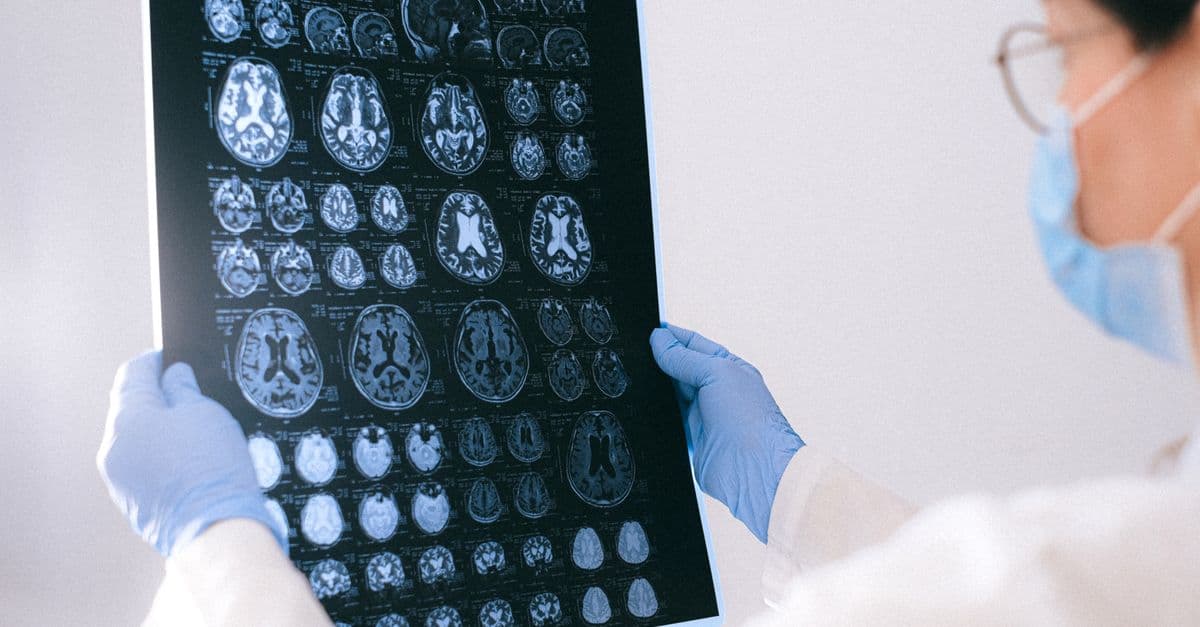
A medical professional reviewing MRI brain scans in a clinical setting, highlighting healthcare technology.
Science

The Neuroscience of Learning Elvish: What Conlangs Reveal About the Brain

In 2025, MIT researchers published fMRI data showing that Klingon, High Valyrian, and Esperanto activate the same neural circuits as English or Mandarin — the same brain regions that process natural human languages developed over thousands of years. A constructed language invented a decade ago by a screenwriter activates the identical network as a language shaped by centuries of use. This finding tells us something fundamental about how the brain decides what counts as a 'real' language — and it has practical implications for how anyone, at any age, learns any language, fictional or otherwise.

Editorial Team·June 4, 2026·18 min
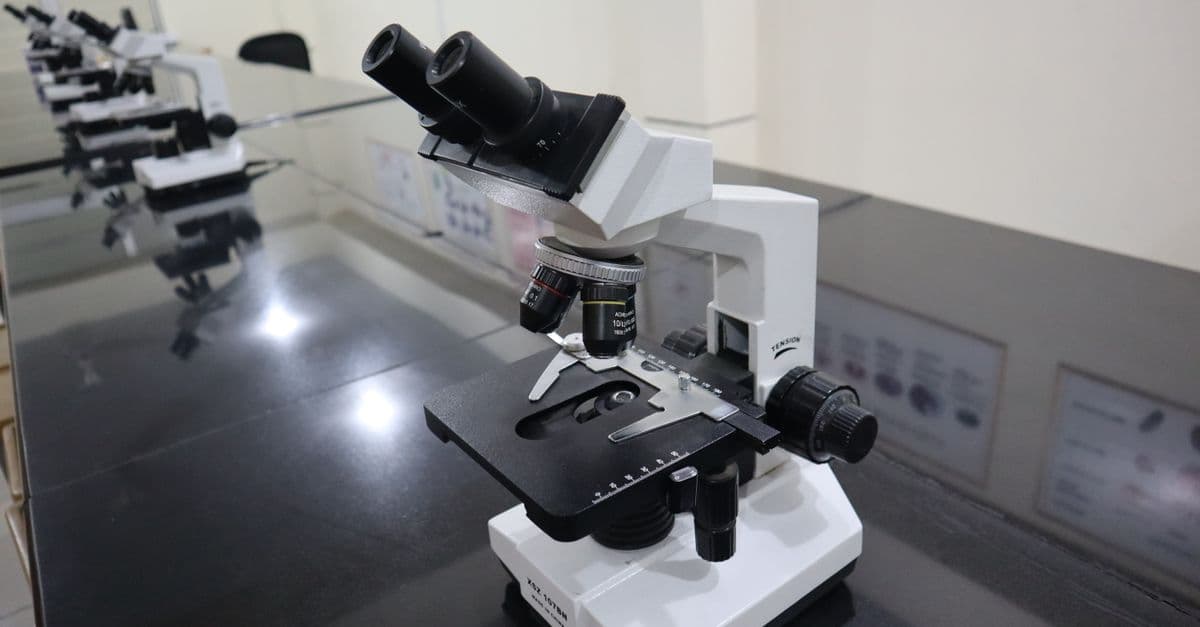
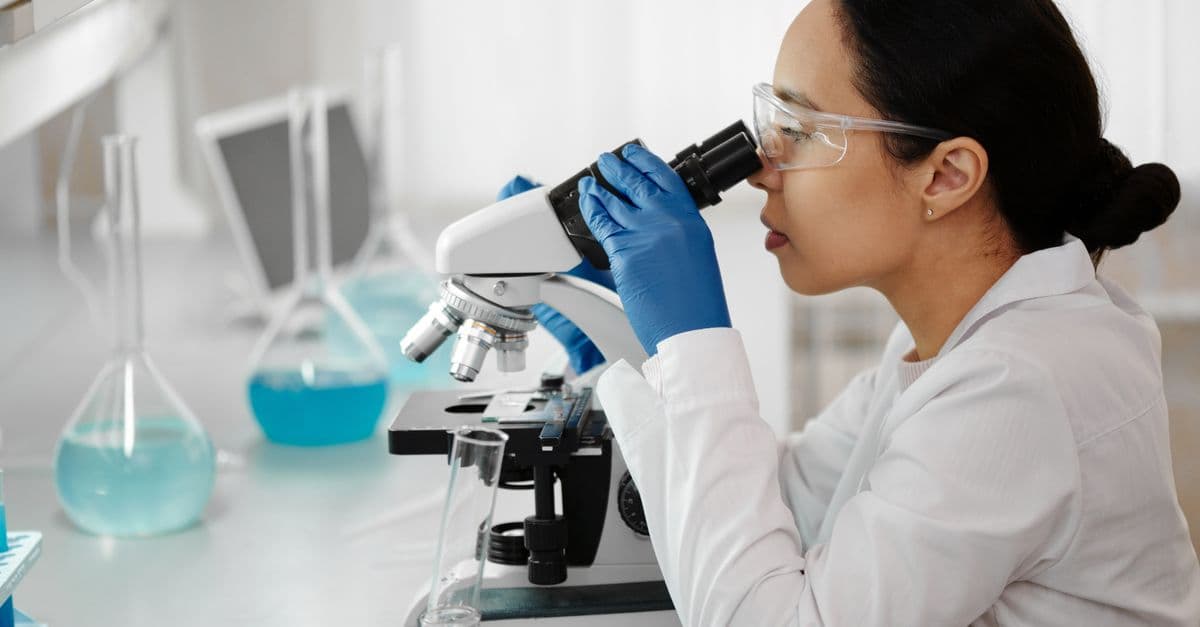
Female scientist in a laboratory examining samples through a microscope for research.
Science

The Most Important Scientific Discoveries of 2025: Breakthroughs and Their Impact

2025 marked significant scientific progress across multiple disciplines: a structural biology breakthrough in protein folding, advances in quantum computing error correction, discovery of a novel class of high-temperature superconductors, clinical trials demonstrating efficacy of novel Alzheimer's disease therapies, successful gene therapy applications for hereditary blindness, and confirmation of predicted gravitational wave signatures. This article examines the most consequential discoveries of 2025 — those that represent genuine advances in human knowledge, demonstrate technological capability, or have immediate clinical applications — explaining the science, why each discovery matters, and the implications for future research.

Editorial Team·June 4, 2026·16 min
A young girl smiles while reading a book by the window in a bright classroom.
Science

Countries with the Highest Literacy Rates (Ranked by UNESCO UIS Data)

Latvia leads global literacy rankings at 99.9 percent adult literacy, with Estonia, Lithuania, and a cluster of Eastern European, Northern European, and East Asian countries reporting rates above 99 percent. More than 30 countries have effectively achieved universal adult literacy. At the other end of the spectrum, Niger's adult literacy rate stands at approximately 19 percent — the world's lowest. This ranking covers the top 15 highest-literacy countries using UNESCO Institute for Statistics data, with methodology, caveats, and analysis of what literacy actually measures.

Editorial Team·June 3, 2026·16 min
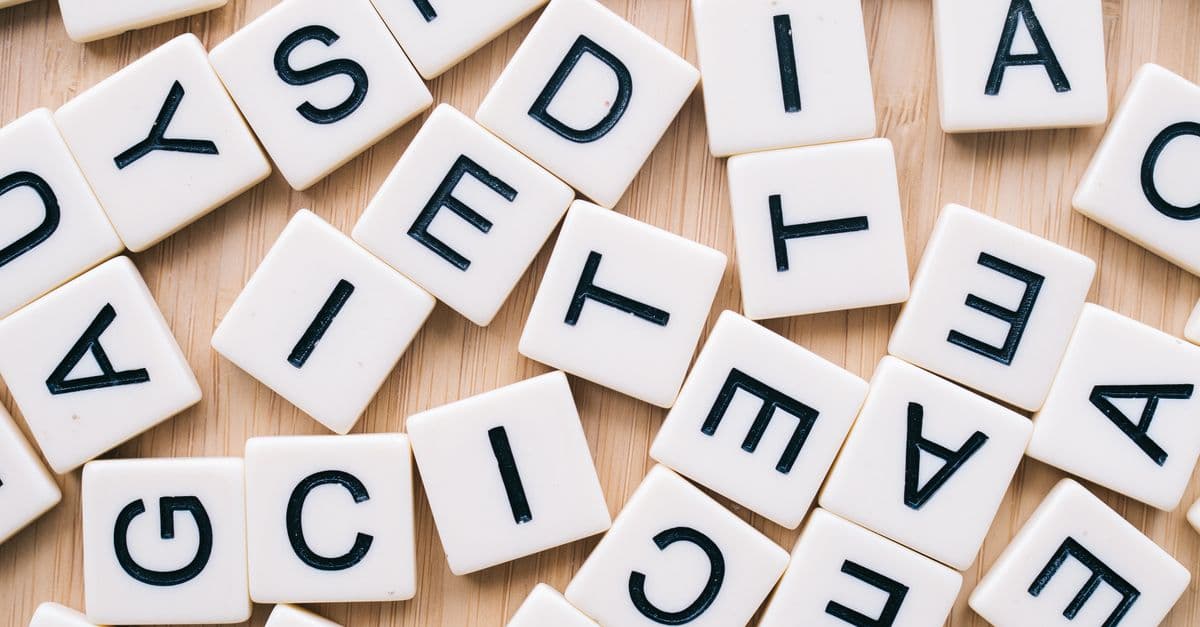
Closeup of scattered scrabble tiles against a wooden background, ideal for word games and learning themes.
Science

Countries with the Most Spoken Languages (Ranked by Living Language Count)

Papua New Guinea has 841 living languages within its borders — more than any other country on Earth, and more than 11 percent of all languages currently spoken by anyone anywhere. Indonesia follows with 721 languages, Nigeria with 538, and India with 459. The top five countries alone contain nearly half of the world's approximately 7,000 living languages. This ranking uses Ethnologue 27th edition data with cross-reference from the UNESCO Atlas of the World's Languages in Danger.

Editorial Team·June 3, 2026·17 min