Genetic Engineering: Creating Modified Organisms Explained
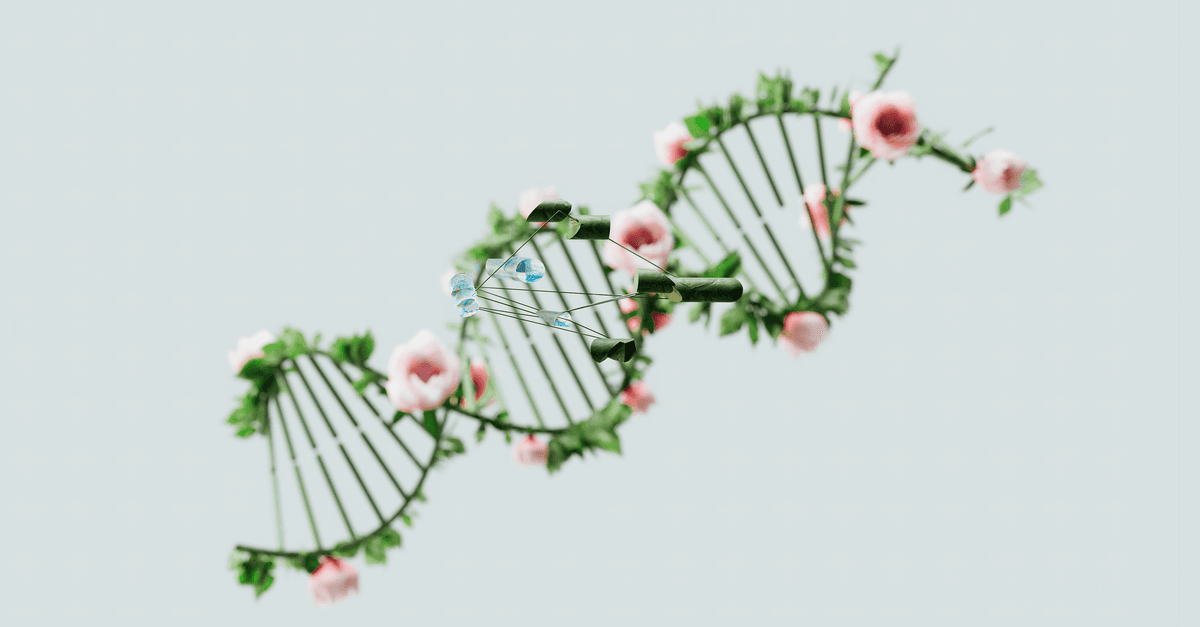
Photo: Google DeepMind / Pexels
Genetic engineering is the deliberate transfer of a specific stretch of DNA from one organism into another so that the recipient makes a new protein or acquires a new trait. The technique was first demonstrated in bacteria in 1973. It now makes insulin in microbes, protects cotton from bollworms, and has put gene-edited pig hearts and kidneys into a handful of human patients. This article explains the molecular toolkit, the history of each major organism class, what the evidence says about benefits and risks, and where the field has overpromised.
Educational content, not medical advice. Talk to your doctor before changing any medication, treatment, or routine. Information here reflects current research but every person's situation differs.
Key Takeaways
- Genetic engineering relies on three tools: enzymes that cut DNA, an enzyme that joins it, and a vector that carries it into a cell.
- Bacteria were first (1973), then mice, then plants, and each new kingdom needed a different delivery trick.
- The first recombinant drug, bacterial insulin, was approved in 1982. Many therapeutic proteins are now made the same way.
- GM crops covered about 185 million hectares in 2016, roughly 12% of global cropland, mostly for herbicide tolerance and insect resistance.
- Major scientific bodies have judged approved GM foods as safe to eat as conventional ones, while environmental, economic, and regulatory debates continue.
- CRISPR and related tools edit a genome at a chosen site instead of inserting DNA wherever it lands.
What genetic engineering actually is
Think of a genome as a very long cookbook written in a four-letter alphabet. Selective breeding works like mixing two kitchens' staff and hoping the better recipes win. Genetic engineering works more like photocopying one recipe from another cookbook and taping it into yours. The recipe is a gene, a stretch of DNA that tells a cell how to build a protein, and the tape is a set of enzymes and delivery tricks borrowed from microbes.
An organism that carries DNA from another species is called transgenic. The inserted DNA is the transgene. A cell that has been given a gene it did not previously have can read it with its own machinery, which is why a bacterium can make a human protein: the genetic code is shared across nearly all life. The cell transcribes the gene into messenger RNA and ribosomes translate it into protein, a process covered in detail in how proteins are made from mRNA.
Before this was possible, breeders worked only with variation that already existed in a species or its close relatives. They crossed plants and animals for generations and selected the offspring they liked. That process changes thousands of genes at once, in ways nobody tracks gene by gene. Genetic engineering changes one or a few, and the change is known in advance.
The three tools: scissors, glue, and a delivery truck
Recombinant DNA (DNA assembled from pieces of different origins) needed three discoveries. Each one came from studying how bacteria defend themselves or swap genetic material.
Restriction enzymes are the scissors. Bacteria use them to chop up the DNA of invading viruses. Each enzyme recognizes a short, specific sequence and cuts there. In 1972, researchers reported that one such enzyme, EcoRI, leaves "sticky" overlapping ends, so any two DNA fragments cut with the same enzyme can pair up again. The 1978 Nobel Prize in Physiology or Medicine went to Werner Arber, Hamilton Smith, and Daniel Nathans for restriction enzymes.
DNA ligase is the glue. It seals the backbone where two fragments meet, turning a temporary pairing into a continuous molecule. Enzymatic joining of DNA ends was described in 1973.
Vectors are the delivery trucks. A plasmid is a small circular DNA molecule that lives in bacteria separately from the main chromosome and copies itself. If a gene is spliced into a plasmid and the plasmid is put into bacteria, every dividing cell copies the gene along with the plasmid. Bacteria also exchange plasmids naturally, a process explained in horizontal gene transfer, and that natural habit is exactly what engineers exploit.
A worked example, step by step
Suppose you want bacteria to make a human protein. The steps below describe the classic approach.
- Obtain the gene, either by copying it from messenger RNA or by chemically synthesizing the DNA sequence.
- Cut the plasmid and the gene with the same restriction enzyme so their ends match.
- Mix them with ligase so the gene is sealed into the plasmid.
- Introduce the plasmid into bacteria, using chemical treatment or an electric pulse to make the cell membrane permeable.
- Grow the bacteria on a medium containing an antibiotic. Only cells that took up the plasmid, which also carries a resistance gene, survive.
- Culture the survivors in large tanks, harvest the protein, and purify it.
The antibiotic-resistance gene in step 5 is a selectable marker. It is a convenience for the lab, not a feature of the product, and regulators now pay attention to whether such markers remain in a final organism. The Flavr Savr tomato, discussed below, carried a kanamycin-resistance marker for this reason.
A short history, with dates
The field moved from concept to commercial product in about a decade. The table below lists milestones as stated in standard references.
| Year | Milestone | Why it mattered |
|---|---|---|
| 1972 | Paul Berg builds the first recombinant DNA molecules, joining SV40 virus and lambda phage DNA | Showed DNA from different sources could be combined in a test tube |
| 1973 | Cohen, Chang, Boyer, and Helling insert antibiotic-resistance genes into a bacterial plasmid and show it works in E. coli | First functioning transgenic organism |
| 1974 | Rudolf Jaenisch creates a mouse carrying foreign DNA | First genetically modified animal |
| 1975 | Asilomar Conference recommends voluntary guidelines and a pause on the riskiest experiments | The research community regulated itself before governments did |
| 1976 | Herbert Boyer and Robert Swanson found Genentech | First genetic engineering company |
| 1978 | Genentech announces engineered human insulin | Commercial proof of concept |
| 1982 | FDA approves insulin produced by bacteria | First licensed recombinant drug |
| 1994 | Flavr Savr tomato approved in the US | First GM whole food approved for sale |
| 2000 | Cartagena Protocol on Biosafety adopted on January 29 | International rules for moving living modified organisms across borders |
| 2003 | GloFish go on sale in the US | First GM animal sold as a pet |
| 2015 | FDA approves AquAdvantage salmon | First GM animal approved for food in the US |
Stanford applied for a US patent on the method on November 4, 1974, naming Boyer and Cohen as inventors, and it was awarded on December 2, 1980. Berg received the 1980 Nobel Prize in Chemistry for his work on nucleic acids.
The Asilomar pause
The 1975 Asilomar Conference was unusual for its time. Scientists working on recombinant DNA gathered in California to ask whether their own experiments could create dangerous organisms, and they recommended containment rules and a voluntary moratorium on particularly risky work. The episode shaped how the field has been regulated since: assess the hazard, match the containment to it, and publish the rules. Whether the early caution was warranted is still debated, but the habit of publishing containment rules before the work scales up has stuck.
Engineering bacteria: insulin and the first biologic drugs
Bacteria were the easiest organisms to engineer because they take up plasmids readily, reproduce quickly, and can be grown in steel tanks. In 1979, researchers at Genentech and collaborators reported in the Proceedings of the National Academy of Sciences that E. coli could express a chemically synthesized human insulin gene. The company announced engineered human insulin in 1978, licensed it to Eli Lilly, and the FDA approved it in 1982.
Before that, insulin for people with diabetes was extracted from the pancreases of pigs and cattle. Animal insulin differs slightly from the human form, and supply depended on the slaughter rate. The recombinant version was a copy of the human sequence, and production no longer depended on livestock. The medical background is covered in insulin and diabetes explained, and the pricing story, which is a policy problem rather than a technology problem, is in why insulin costs so much in America.
Other early recombinant products replaced materials with safety problems:
| Product | What it replaced | Problem solved |
|---|---|---|
| Human growth hormone | Hormone extracted from human pituitary glands | Pituitary-derived hormone had been linked to Creutzfeldt-Jakob disease in some patients |
| Factor VIII for hemophilia A | Concentrates made from pooled donor blood | Pooled blood carried a high risk of transmitting HIV and hepatitis B |
| Hepatitis B vaccine | Whole-virus approaches | A recombinant subunit vaccine contains only a surface antigen produced in yeast cells |
| Chymosin (rennet) | Enzyme extracted from calf stomachs for cheesemaking | The FDA granted chymosin GRAS status in 1990, the first genetically engineered food additive used commercially |
The hepatitis B example shows how a subunit vaccine works: instead of a whole virus, the vaccine contains only the protein the immune system needs to recognize. The virus itself is described in hepatitis B and C explained. The mechanism of immune memory that makes such vaccines work is covered in how vaccines work.
Why bacteria are not always enough
Bacteria cannot always make a protein correctly. Many human proteins need sugar chains attached after translation, a step bacteria skip, and some fold wrongly in bacterial cytoplasm. For those, manufacturers use yeast, insect cells, or cultured mammalian cells. Monoclonal antibodies, for example, are generally made in mammalian cell lines. The choice of host is an engineering trade-off between cost and biological fidelity, not an ideological one.
Engineering animals: from mice to milk
Animals are harder than bacteria because the new gene must reach the germline, the egg or sperm lineage, if the trait is to be inherited. The first success came in mice. Jaenisch's 1974 mouse carried foreign DNA introduced into an embryo. In a 1981 paper in Science, Gordon and Ruddle reported stable germ-line transmission of genes injected into mouse pronuclei, the nuclei of a fertilized egg before they fuse. That microinjection method became the standard for making transgenic mice for decades.
Only a small fraction of injected eggs end up with the gene integrated, and it lands at a random location, so researchers screen offspring and breed the carriers. Random placement matters because a gene inserted into the middle of another gene can disrupt it, or land in a region that silences it.
Drugs from milk, eggs, and cells
Some animals have been engineered to act as living factories. The anticoagulant ATryn, extracted from the milk of genetically modified goats, was approved in 2009, and it was the first human biological drug produced from a transgenic animal. In 2015, a drug called Kanuma, which is made in the eggs of genetically modified chickens, passed regulatory approval. These are niche products. Cultured cells in tanks remain the more common route, because they are easier to standardize than herds.
Animals as food and pets
Two cases show how regulation and public acceptance shape the field. GloFish, zebrafish carrying a fluorescent protein gene, reached the US market in 2003 and were the first commercialized genetically modified animal. The FDA approved AquAdvantage salmon in November 2015 for commercial production, sale, and consumption, making it, in one common description, the first non-plant GMO food to be commercialized. Each of these products required separate environmental and food-safety reviews.
Xenotransplantation
The most ambitious animal engineering project is growing organs for people. Pigs have organs of a size close to human organs, but the human immune system attacks pig tissue fiercely (hyperacute rejection), because pig cells display sugars that humans recognize as foreign. Engineers delete the pig genes that make those sugars and add human genes that calm the immune response and blood clotting.
The clinical record so far is short and mixed:
| Date | Recipient | Organ | Outcome |
|---|---|---|---|
| January 2022 | David Bennett Sr., University of Maryland | Heart with 10 gene modifications | Died about two months after transplant |
| September 20, 2023 | Lawrence Faucette, University of Maryland | Heart | Died October 30, 2023, after signs of rejection |
| March 2024 | Richard Slayman, Massachusetts General Hospital | Kidney from an eGenesis pig with 69 edits (3 knockouts, 7 human gene insertions, 59 retrovirus knockouts) | Died months later of unrelated causes, with no apparent rejection of the kidney |
| 2025 | Tim Andrews, Massachusetts General Hospital | Kidney | Lived 271 days with the organ, about double the earlier pig-kidney record of 130 days, before it was removed in October 2025 because of rejection |
As of those reports, the FDA had approved an eGenesis trial of gene-edited pig kidneys in 30 dialysis patients aged 50 or older. The 59 retrovirus knockouts in the Slayman pig address a specific worry: pigs carry endogenous retroviruses in their DNA, and researchers wanted to disable them before transplanting tissue into a person. Treat the early cases as feasibility evidence, not as established therapy.
Engineering plants: the Agrobacterium trick
Plants lack a natural uptake mechanism like bacterial competence, but nature supplied one. Agrobacterium tumefaciens is a soil bacterium that causes crown gall tumors by transferring a piece of its own DNA into plant cells. The DNA travels on a roughly 200,000-base-pair tumor-inducing (Ti) plasmid, and the piece that gets transferred is called T-DNA.
The mechanism, in brief:
- A wounded plant releases phenolic compounds such as acetosyringone.
- A bacterial sensor protein, VirA, detects them and switches on a set of virulence (vir) genes through VirG.
- Vir proteins cut the T-DNA out at its border sequences, and one of them, VirD2, stays attached to its end.
- The T-DNA is coated with VirE2 protein and exported through a type IV secretion system, a syringe-like structure.
- Nuclear-localization signals help carry it through the nuclear pore, and it integrates at a semi-random place in the plant genome.
Engineers disarm the bacterium by removing the tumor-causing genes between the borders and inserting the gene they want. The bacterial machinery then delivers it. The work of Marc Van Montagu and Jeff Schell on this gene-transfer mechanism laid the groundwork. Plant cells can regenerate into whole plants from a single transformed cell, which is the property that makes the approach practical.
The first GM foods
The Flavr Savr tomato, from the California company Calgene, was the first genetically modified whole food approved for sale in the US. The FDA completed its evaluation on May 18, 1994, and concluded that it was as safe as conventionally bred tomatoes. It carried a reversed (antisense) copy of the polygalacturonase gene. That copy suppresses an enzyme that breaks down pectin in cell walls, so the fruit softens more slowly. The tomato also carried the kanamycin-resistance marker APH(3')II.
It failed commercially. The fruit was still too soft to harvest by machine, it came from an older low-yielding variety, and reports describe a production cost near $10 per pound against a market price of about $1.99 per pound. Production ceased in 1997, the year Monsanto acquired Calgene. The lesson is that a successful transformation is not a successful product.
What the crops actually do
The crops that spread widely carry two kinds of trait. Herbicide tolerance lets a farmer spray a broad-spectrum herbicide, usually glyphosate, that kills weeds but not the crop. Insect resistance comes from genes taken from the soil bacterium Bacillus thuringiensis (Bt). In Bt cotton, for example, the plant makes Cry proteins. When a moth larva eats the plant, the toxins dissolve in its gut, bind to receptors on midgut cells, and form channels that disturb the cells' potassium balance, killing the larva. The toxins are described as insecticidal to moth and butterfly larvae and largely harmless to other organisms.
The NewLeaf Bt potato, approved by the EPA in 1995, was the first pesticide-producing crop approved in the US. Bt cotton was approved for commercial use in the US in 1995, in China in 1997, and in India in 2002. By 2014, GM varieties made up about 95% of India's cotton and 96% of US cotton.
| Crop trait (2016 data) | Area planted, million hectares |
|---|---|
| Herbicide tolerance only | 95.9 |
| Insect resistance only | 25.2 |
| Both traits stacked | 58.5 |
Global GM planting grew from 1.7 million hectares in 1996 to 185.1 million hectares in 2016, about 12% of global cropland, which is roughly 457 million acres. Most of it is soybean, maize, canola, and cotton. In 2015, GM maize covered 53.6 million hectares, almost a third of the maize crop.
Golden Rice and the limits of the technology
Golden Rice was designed to address vitamin A deficiency, the most widespread of the micronutrient shortages, in places where rice is the staple food. Ingo Potrykus of ETH Zurich and Peter Beyer of the University of Freiburg published the first version in Science in 2000, after an eight-year project. In 2005, Syngenta researchers combined a maize phytoene synthase gene with the bacterial CrtI gene to create Golden Rice 2, which can contain up to 37 micrograms of total carotenoids per gram of rice (up to 31 of them beta-carotene), as much as 23 times more than the first version. At roughly 75 grams of rice per day it could meet daily provitamin A requirements, according to published descriptions of the line.
The timeline shows how slowly an agricultural product moves from lab to field. Research began in 1982 as a Rockefeller Foundation initiative. Field trials started in 2004. Health Canada and the FDA declared it safe to eat in 2018, and the Philippines issued the first biosafety permit for commercial propagation in July 2021. In April 2023 the Philippine Supreme Court ordered a halt to commercial propagation after a petition from the farmer-scientist network MASIPAG, and in April 2024 the Court of Appeals issued a cease-and-desist order citing a lack of "full scientific certainty" about health and environmental impacts. Golden Rice was meant to complement vitamin A supplementation programs, not replace them, and as of those rulings it had not reached farmers' fields at scale.
Engineering microbes for chemicals
Yeast and bacteria can be rewired so that sugar goes into a molecule the cell never made before. The best-known case is artemisinin, an antimalarial drug that had been extracted from sweet wormwood, a plant whose supply and price swing with harvests. A team led by Jay Keasling at the University of California, Berkeley engineered Saccharomyces cerevisiae to produce artemisinic acid, a chemical precursor, and published the work in Nature in 2006. The yeast-made acid is purified and converted to artemisinin by chemistry.
Sanofi began semi-synthetic artemisinin production at a plant in Garessio, Italy, in 2013, with a stated price near US$350 to $400 per kilogram, comparable to the plant-derived drug. The WHO prequalified Sanofi's artesunate made from this material on May 8, 2013, and in 2014 the first batch went into 1.7 million doses of the combination therapy ASAQ shipped to African countries. The project showed that an engineered metabolic pathway could work at industrial scale, and also that it had to compete on price with a farm crop. For more on designing new genetic circuits, see AI-designed DNA and synthetic protein design.
How safe are GM foods, and what are the real debates?
The scientific consensus on food safety is strong, and the arguments that remain are mostly about other things. The 2016 report of the US National Academies of Sciences, Engineering, and Medicine on genetically engineered crops concluded that foods from approved GE crops were safe to eat. According to the summary in standard references, the committee also found no conclusive evidence that the crops harmed the environment or wildlife, and no evidence that they had increased the rate of yield growth, though they gave farmers economic advantages. The World Health Organization has said that GM foods on the international market "have passed safety assessments and are not likely to present risks for human health." The American Association for the Advancement of Science has said that eating foods with GM-derived ingredients "is no riskier than consuming the same foods" made from conventionally improved crops.
A 2010 European Commission report concluded that GMOs are "not per se more risky" than conventional plant breeding, though the European Food Safety Authority GMO Panel said in 2012 that transgenic strains could carry "novel hazards" worth assessing case by case. That wording captures the regulatory logic: the product is evaluated, not the technique alone. Governments differ widely in how they apply it, and the US and European approaches differ markedly.
Yields, pesticides, and farmer income
Estimates of economic benefit vary by crop, country, and method. A 2014 meta-analysis by Klümper and Qaim found that GM adoption cut pesticide use by 37%, raised yields by 22%, and raised farmer profits by 68%, with yield gains of 9% for herbicide-tolerant crops and 25% for insect-resistant ones. These averages hide large differences. The National Academies report found no evidence that GE crops had raised the long-run rate of yield increase in the US, which is a different question from whether a given farmer gained in a given year.
Resistance and gene flow
Two ecological concerns are well documented in principle. First, pests evolve resistance. Bollworm resistance to Bt cotton has been reported in places where nearly all cotton is Bt and few non-Bt refuges remain. About 90% of Indian cotton and 95% of Chinese cotton were Bt in 2011. The US EPA requires refuges of 20% to 50% non-Bt crops within 0.8 km of Bt fields so that susceptible insects keep mating with resistant ones and dilute resistance genes. This is the same logic that drives antibiotic stewardship, explained in how antibiotic resistance spreads and, more broadly, evolution and natural selection.
Second, transgenes can move from crops to wild or conventional relatives through pollen. Whether that matters depends on the crop, the trait, and whether wild relatives grow nearby. A gene for herbicide tolerance means little in a wild population that is never sprayed. Regulators address gene flow with buffer distances, containment requirements, and case-by-case assessments.
Concentration and access
Debates about patents, seed saving, and corporate concentration are real, but they are questions about law and economics rather than about food safety. Likewise, the 2013 poll in which 93% of Americans said they wanted labeling reflects consumer preference and trust, not toxicology. Keeping the questions separate is the easiest way to make sense of the argument.
Genetic engineering versus breeding versus gene editing
These terms get blurred in headlines. The table gives the working distinctions.
| Feature | Conventional breeding | Transgenic engineering | CRISPR genome editing |
|---|---|---|---|
| What changes | Thousands of genes shuffled by crossing | One or a few genes added, usually from another species | A chosen DNA sequence is cut and changed in place |
| Where it lands | Wherever recombination puts it | Often a random insertion site | A programmed target site |
| Source of new variation | Same or closely related species | Any species | The organism's own genome or a small introduced change |
| Typical timescale | Years to decades for a crop | Months to years in the lab, then regulatory review | Months to years |
| Verification | Phenotype in the field | Sequencing the insertion site and testing the trait | Sequencing the edited site and checking for off-target edits |
CRISPR uses a guide RNA to steer a DNA-cutting enzyme to a specific sequence, and the cell's own repair machinery then introduces the change. Nothing foreign has to stay in the final organism, which is why some regulators treat certain edits differently from transgenes. The clinical results are covered in CRISPR gene editing in 2026, and the mechanism and the role of machine learning are covered in the two CRISPR articles listed at the end of this page.
Genetic engineering and gene therapy overlap in technique but differ in goal. Engineering an organism changes it for all its cells and, in many cases, its descendants. Somatic gene therapy changes some cells of one patient and is not inherited. Changes to the germline, the reproductive cells, would be inherited, and that line is where most of the ethical debate about human editing sits.
Common misunderstandings
"GMOs are one thing." The label covers a bacterium making insulin in a tank, a cotton plant making an insecticidal protein, and a pig missing three genes. Each has different risks and benefits, so each is assessed separately.
"Genes from another species are unnatural, so they must be dangerous." Horizontal gene transfer happens in nature, and Agrobacterium does it to plants routinely. Naturalness is not a safety criterion. A transgene is judged by what its protein does, how much of it is made, and who is exposed.
"Genetic engineering is precise." The edit is defined, but the older insertion methods place the DNA at random. Developers screen many transformed lines and keep the ones where the insertion works and does no harm. That screening is a big part of why products take years to reach the market.
"Engineered organisms are all about pesticides." Industrial enzymes, vaccines, diagnostics, and drug precursors outnumber crops by product count, and most people have used a recombinant product, such as hepatitis B vaccine or rennet-made cheese, without knowing.
"If the science says it is safe, there is nothing left to debate." Safety of the food is one question. Biodiversity, pest resistance, seed markets, patents, and consumer choice are others, and they depend on local circumstances. The Golden Rice rulings show that a safety conclusion does not end the argument about whether and how to deploy a technology.
FAQ
Q: How do scientists insert genes into organisms? A: The method depends on the organism. Bacteria take up plasmids after chemical or electrical treatment. Plant cells are usually transformed with Agrobacterium tumefaciens carrying the desired gene in place of its tumor genes. Animal eggs can be injected with DNA, as in the mouse work reported by Gordon and Ruddle in 1981. In every case, scientists then screen for the few cells where the gene integrated and works.
Q: Are genetically modified foods safe to eat? A: Major reviews have concluded that approved GM foods are as safe as their conventional counterparts. The 2016 National Academies report found foods from approved GE crops safe to eat, and the WHO has said the GM foods on the international market are not likely to present risks for human health. Each product is still evaluated individually, because safety depends on the specific protein or trait introduced.
Q: How do genetically modified plants spread their genes? A: Pollen can carry transgenes to nearby sexually compatible plants, whether wild relatives or conventional crops. The risk varies by crop and region. Regulators use buffer zones, containment rules, and case-by-case review, and for insect-resistant crops they require non-Bt refuges to slow pest resistance.
Q: What is the difference between genetic engineering and conventional breeding? A: Breeding crosses whole organisms and shuffles thousands of genes at once, so improvements are limited to variation within a species or its close relatives. Genetic engineering moves specific genes, including ones from unrelated species, and the change can be defined in advance. Neither method is automatically safer, so regulators evaluate the resulting product.
Q: Why did the Flavr Savr tomato fail? A: The genetic modification worked, since the tomato softened more slowly, but the business did not. The fruit was still too soft to harvest by machine, it came from a low-yielding variety, and production costs far exceeded the market price. Calgene stopped production in 1997.
Q: Can genetic engineering cure genetic diseases? A: Engineering supplies the tools for gene therapy and for building disease models, but organism engineering and therapy are different aims. Somatic therapy changes cells in one patient without affecting inheritance, while germline changes would pass to descendants and remain ethically contested. Clinical outcomes for specific conditions are covered in the CRISPR articles linked above.
Q: How does genetic engineering differ from CRISPR gene editing? A: Classic transgenic engineering adds a gene, usually at a random location. CRISPR cuts DNA at a chosen sequence so the cell's repair machinery can disable, correct, or rewrite it in place. CRISPR is generally more targeted and simpler to use, though it can still cause unintended edits that need to be checked.
What this means
Genetic engineering is best understood as a set of tools rather than a single thing, and the tools are borrowed from bacteria. Restriction enzymes, plasmids, and Agrobacterium all began as microbial defense or attack systems, and engineers repurposed them in the 1970s. The record since then splits into clear successes (recombinant insulin, vaccines, Bt cotton), instructive failures (Flavr Savr, the long delay of Golden Rice), and open experiments (pig organs, gene drives). The useful question to ask of any modified organism is not whether it is "natural," but what trait it carries, what evidence supports its safety and benefit, and who decides how it is used.
References
Cohen, S.N., Chang, A.C.Y., Boyer, H.W., & Helling, R.B. (1973). "Construction of Biologically Functional Bacterial Plasmids in Vitro." Proceedings of the National Academy of Sciences, 70(11), 3240-3244.
Goeddel, D.V., et al. (1979). "Expression in Escherichia Coli of Chemically Synthesized Gene for Human Insulin." Proceedings of the National Academy of Sciences, 76(1), 106-110.
Gordon, J.W., & Ruddle, F.H. (1981). "Integration and Stable Germ Line Transmission of Genes Injected into Mouse Pronuclei." Science, 214(4526), 1244-1246.
Ye, X., et al. (2000). "Engineering the Provitamin A (beta-Carotene) Biosynthetic Pathway into (Carotenoid-Free) Rice Endosperm." Science, 287(5451), 303-305.
Ro, D.-K., et al. (2006). "Production of the antimalarial drug precursor artemisinic acid in engineered yeast." Nature, 440, 940-943.
Sources consulted for dates and figures (accessed October 22, 2026):
- Genetic engineering (Wikipedia)
- Recombinant DNA (Wikipedia)
- Genetically modified crops (Wikipedia)
- Genetically modified animal (Wikipedia)
- Xenotransplantation (Wikipedia)
- Golden rice (Wikipedia)
- Flavr Savr (Wikipedia)
- Bt cotton (Wikipedia)
- Agrobacterium tumefaciens (Wikipedia)
- Artemisinin (Wikipedia)
- Genetically modified food controversies (Wikipedia)
- FDA: AquAdvantage salmon
Read next:
Follow new articles
Add SciHub101 to your feed reader to see new science and technology stories.
About the Author
SciHub101 is an independent science and technology publication founded and edited by Buğra Sözeri, a software engineer and app developer based in Türkiye. AI tools assist with drafting and research. Source documentation in the existing archive is uneven, and articles are being reviewed and corrected. The Editorial Team byline identifies editorial responsibility; it does not certify specialist or independent human review. Where we compare products, anything built by our own team is labelled as such — see the editorial guidelines and About page for how corrections and disclosures work.
Related Articles
Germ Theory: Pasteur & Koch's Microbial Discovery Explained
How germ theory revealed that microorganisms cause disease revolutionizing medicine and public health
Eric Kandel's Sea Slug Memory Research Explained
How studying sea slug neurons revealed molecular mechanisms of learning and long-term memory formation
Synthetic Biology: Designing Life from Scratch Explained
How scientists engineer entire organisms with synthetic genomes creating biological machines for medicine and industry
Complete Biology Guide 2026 — How Life Works
The complete guide to biology in 2026: cells and genetics, evolution, the human body, neuroscience, disease, immune systems, and the future of genetic engineering.
Why Do We Have Blood Types? The Science and Evolution
Blood types are inherited molecular markers on red blood cells. The ABO polymorphism has been kept alive in primates for at least 20 million years, and infections such as malaria, cholera, and norovirus are the leading explanation for why.
Proteins and Amino Acids — Life's Building Blocks
Proteins are chains of 20 amino acids that fold into 3D shapes powering every cell. Learn structure levels, the genetic code, folding, and AlphaFold.