Finance & Crypto
Complete Finance Guide 2026 — How Money Really Works
The complete guide to finance in 2026: how money, inflation, and central banks work, investing fundamentals, markets, cryptocurrency, and personal finance explained.
22 articles tagged with #investing
The complete guide to finance in 2026: how money, inflation, and central banks work, investing fundamentals, markets, cryptocurrency, and personal finance explained.
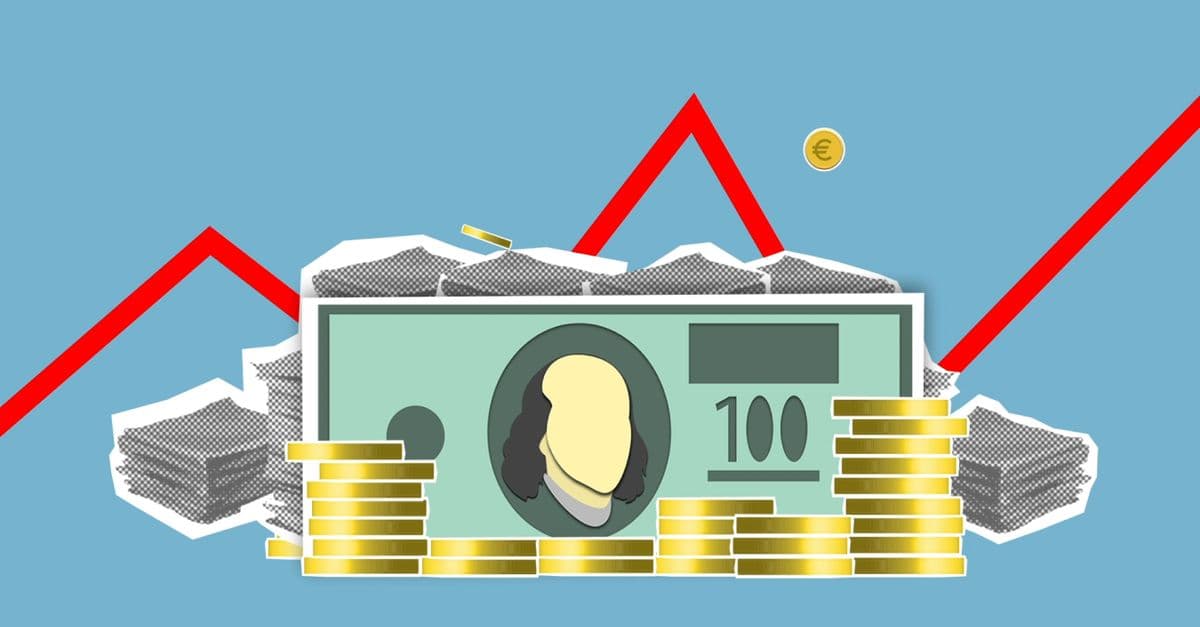
Stocks move after earnings because expectations matter more than headlines. Revenue, margins, guidance, cash flow, and narrative all interact.

Stock market crashes are not random events. They follow a mechanical sequence: valuations stretch on borrowed money, a trigger breaks confidence, and forced selling feeds on itself until buyers disappear.

Bonds are one of the largest asset classes in the world, yet most people find them less intuitive than stocks. The core logic — lending money in exchange for interest payments and repayment of principal — is simple. The details that determine whether a bond is valuable or risky require understanding a handful of precise relationships: price and yield move in opposite directions, duration measures sensitivity to interest rates, and the yield curve tells a story about economic expectations. This is what you need to understand those details.

PE buys mature companies with debt. VC bets on startups for power-law returns. A clear breakdown of how each works, who runs them, and how to access them.

Where the 4% retirement rule came from, what it really says, why critics push 3.25-3.5%, and how Bengen, Trinity, and modern updates compare.

How short selling actually works: borrowing shares, unlimited losses, short squeezes, and the role of short sellers as fraud detectives.

Asset allocation is how you split a portfolio across stocks, bonds, and cash. See what research shows, the main model portfolios, and how to rebalance.

Value vs growth investing compared: definitions, the Fama-French value premium, why value lagged before 2021, 2022's reversal, value traps, and style tilts.

Rebalancing keeps your portfolio at its target risk. How often to rebalance, threshold vs. calendar methods, tax tricks, and what the research says.

What is the FIRE movement? Financial Independence Retire Early explained — 4% rule, savings rates, leanFIRE vs fatFIRE, math, and criticisms.

Dollar-cost averaging (DCA) explained: how it works, when it beats lump-sum investing, the Vanguard research, and the behavioral reasons it still wins.