
Science
String Theory Explained — Beyond the Standard Model
What string theory really proposes, the extra dimensions, M-theory, the multiverse landscape, and why critics call it unfalsifiable in 2026.
7 articles tagged with #multiverse
What string theory really proposes, the extra dimensions, M-theory, the multiverse landscape, and why critics call it unfalsifiable in 2026.

There may be infinitely many universes where you made different choices. Here's what physics actually says about the multiverse.
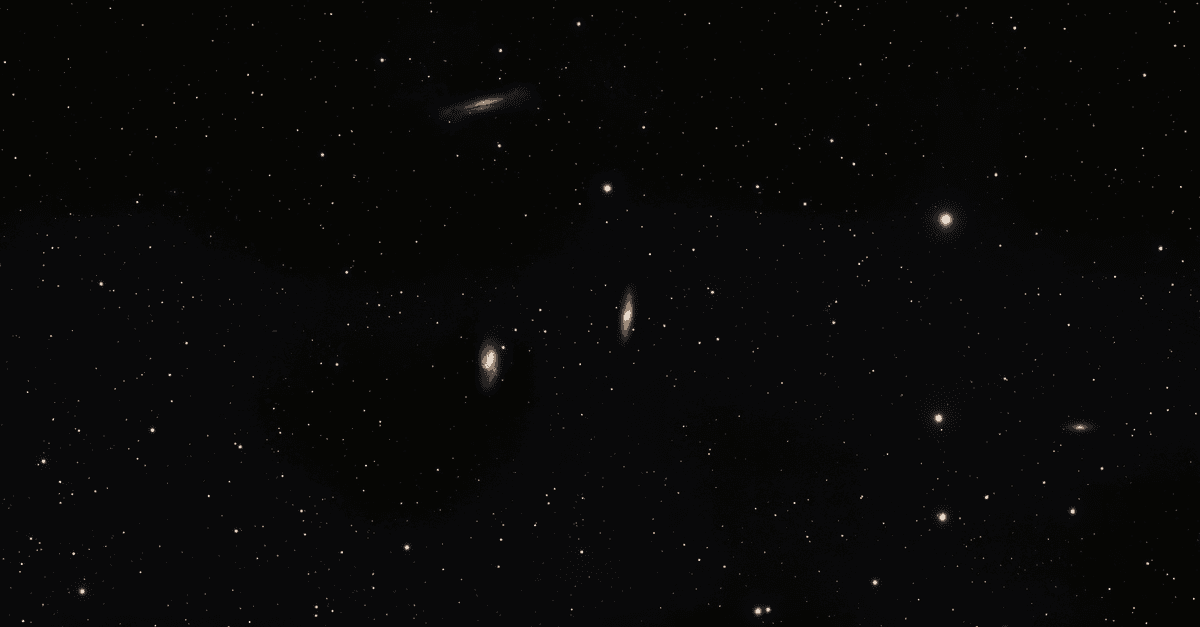
The universe's physical constants appear finely tuned for life: change them slightly and stars, atoms, or chemistry might not exist. The anthropic principle argues this is a selection effect, since we can only observe a universe that permits observers. Whether that explains fine-tuning or merely restates it is one of the deepest debates in modern cosmology.

Cosmic inflation is a proposed burst of exponential expansion in the first fraction of a second after the Big Bang, stretching space by a factor of at least about 10²⁶. It explains why the universe is flat and uniform and where galaxies came from. Its best-known direct test, a 2014 claim by BICEP2, turned out to be dust.

Every quantum event creates branching parallel universes, at least according to one leading interpretation of quantum theory. It sounds insane, but many physicists consider it the most literal reading of the equations.

The multiverse isn't just sci-fi — it's a serious prediction of multiple physics theories, including quantum mechanics, inflation, and string theory. Here's what the science actually says.

People remember Nelson Mandela dying in prison, the Berenstein Bears (not Berenstain), and Pikachu's tail tip being black. The "Mandela effect" — but it's memory, not a multiverse glitch.