Psychology
Negativity Bias and Memory: Why Bad Events Stick
Negativity bias makes bad memories stronger and stickier than good ones because threat detection, amygdala activity, and stress hormones prioritize survival.
6 articles tagged with #stress
Negativity bias makes bad memories stronger and stickier than good ones because threat detection, amygdala activity, and stress hormones prioritize survival.
Tears are among the most visible and emotionally laden expressions in human behavior. They fall from the eyes during emotional moments — joy, sadness, grief, anger, or profound relief — yet tears also serve practical functions: lubricating the eyes during blinking, protecting the cornea from irritants, and fighting infection. Humans produce three types of tears, each with a distinct chemical composition and function. Basal tears are produced continuously throughout the day to maintain corneal health. Reflex tears flow in response to irritants like onions, cold wind, or dust. Emotional tears, uniquely abundant in humans compared to other primates, contain elevated levels of stress hormones including cortisol and prolactin, suggesting that crying is a physiological response to emotional stress. Research indicates that emotional crying may indeed relieve stress, though the evidence is more nuanced than pop-psychology claims. The tear-related hypothesis — that the physical act of crying somehow removes stress from the body — has become increasingly credible as neuroscience reveals the neurochemical basis of emotional tears and their relationship to the sympathetic nervous system, emotion regulation, and social signaling.

The psychology of stress explained: acute vs chronic stress, the HPA axis, cortisol's effects on the brain, the Yerkes-Dodson curve, and how prolonged stress remodels the hippocampus.

How cortisol and the HPA axis work, why the daily cortisol rhythm matters, what chronic stress does to the body, and what the evidence says about cortisol.
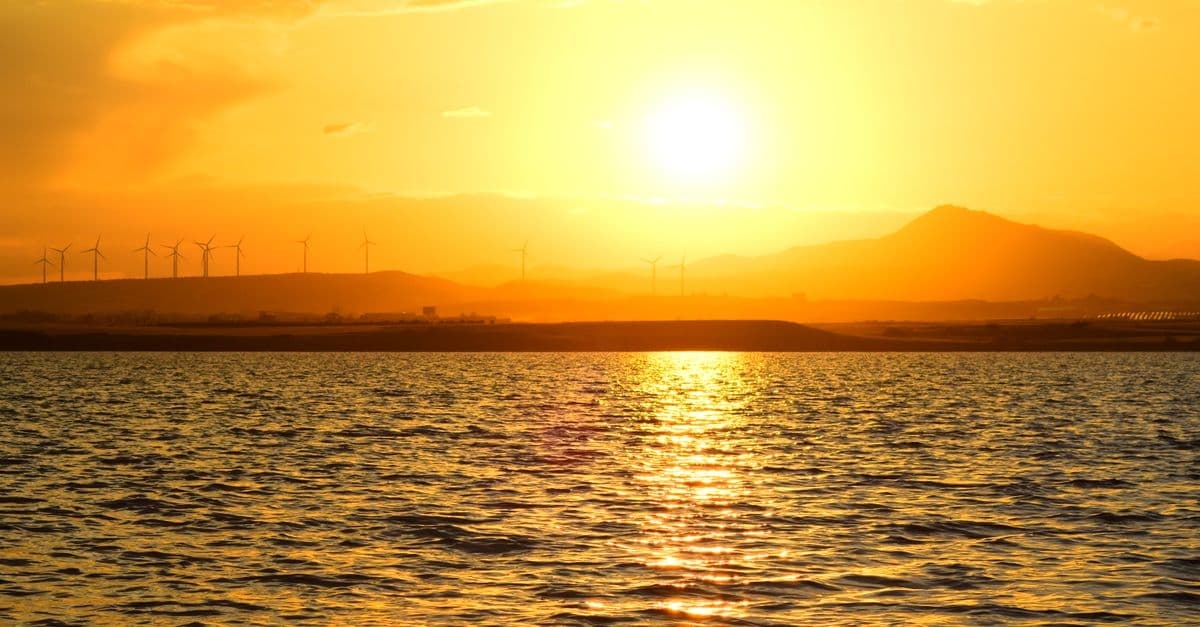
WRI's 2023 Aqueduct update puts 25 countries, home to about a quarter of humanity, in the extremely high water stress category. Here is who ranks worst, why the rankings disagree, and what Cape Town, Chennai, the Aral Sea, and Israel show about causes and fixes.
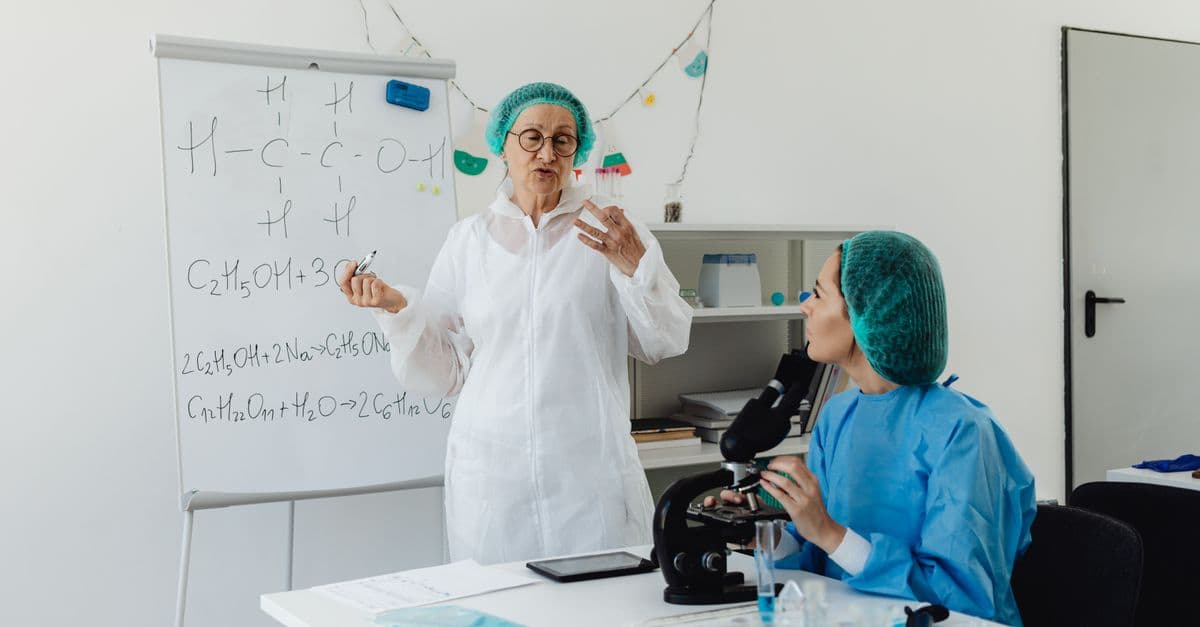
Elite selection courses push stress hormones, sleep, energy balance, and the gut to their limits. Here is what measured studies show about the costs, the adaptations, and the injuries.