Technology
How Jet Engines Work: The Physics of Flight Power
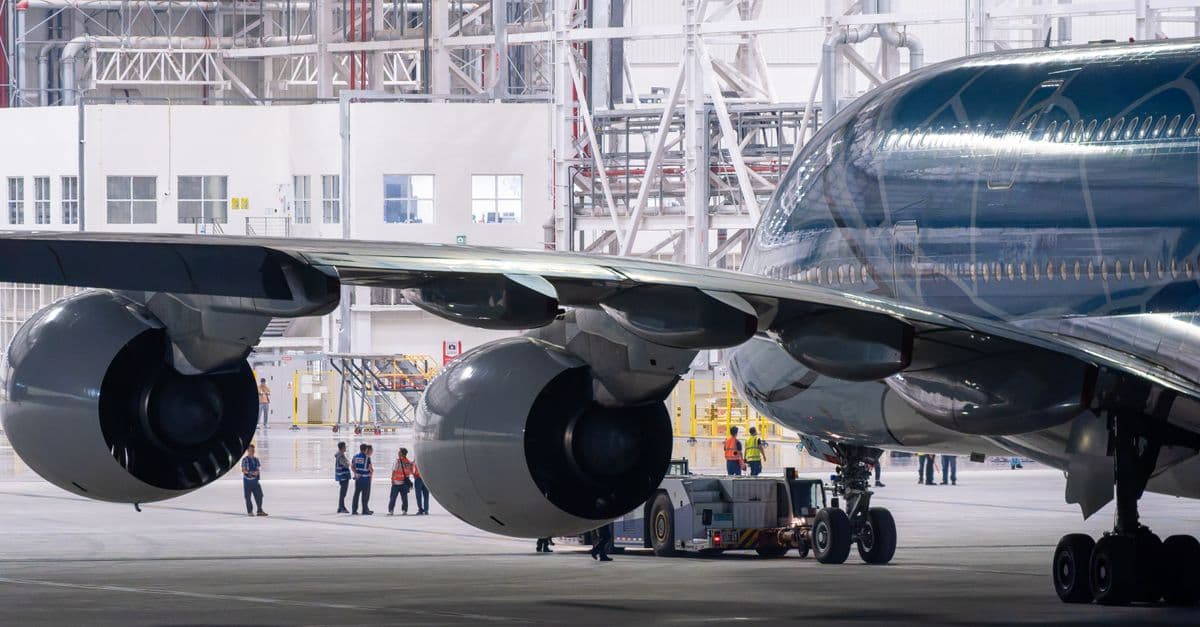
A single GE90-115B turbofan is rated at 115,300 pounds-force of thrust. The physics behind it is a short chain of ideas: squeeze air, burn fuel in it, and let the hot gas do work.
17 articles tagged with #thermodynamics
A single GE90-115B turbofan is rated at 115,300 pounds-force of thrust. The physics behind it is a short chain of ideas: squeeze air, burn fuel in it, and let the hot gas do work.
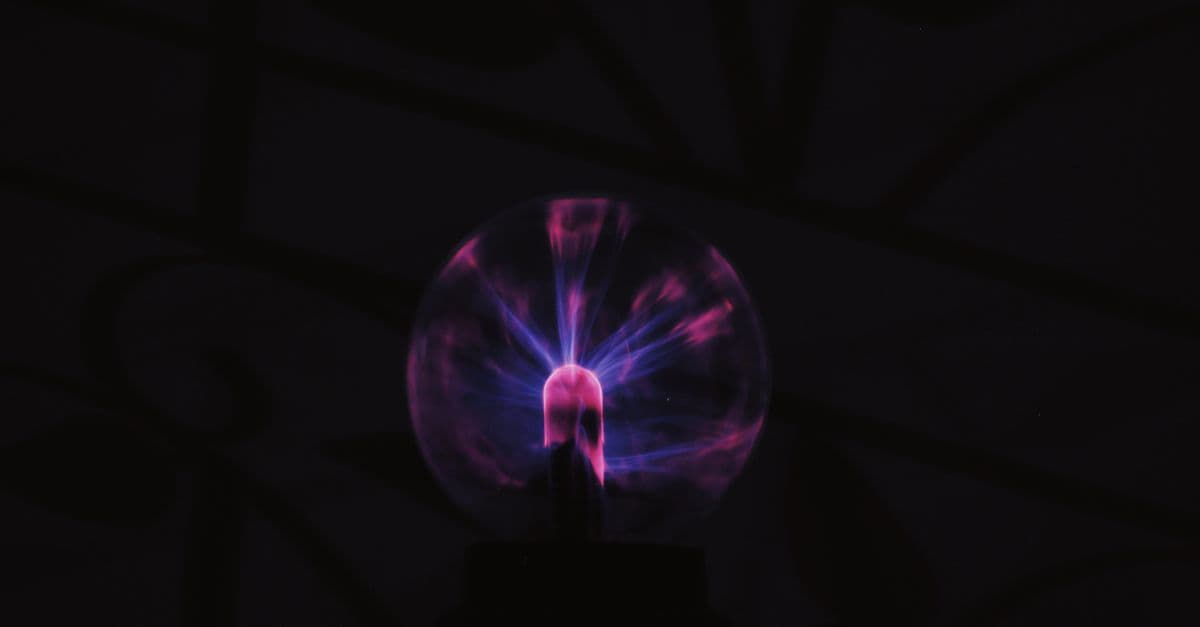
Four laws govern how energy moves, transforms, and degrades, from the steam engine to every living cell. Thermodynamics explains why engines have limits and why time has a direction.

Carnot proved thermodynamic limits on engine efficiency. His theoretical work established the maximum possible efficiency any heat engine could achieve, a law of nature rather than a failure of engineering.

Refrigerators don't make cold — they move heat out of one place into another. Here's how the four-step refrigeration cycle keeps your food fresh, and why it works.

Entropy is the reason ice melts, eggs don't unscramble, and the universe is heading toward a quiet, cold end. Here's what entropy actually is — and why it's the most powerful idea in physics.