Latest Biology & Health News
Biology and health news: genetics, cancer research, brain science, new treatments, and medical breakthroughs explained clearly.

Biology & Health
How Do Fireflies Glow? The Science of Bioluminescence
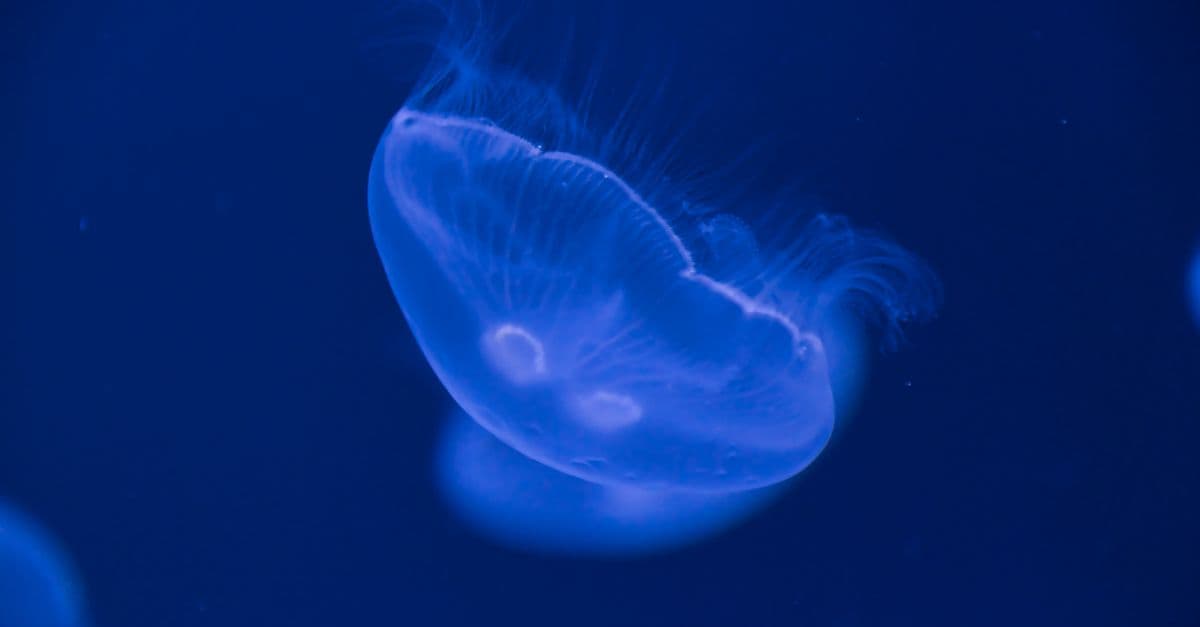
Fireflies produce light through a chemical reaction called bioluminescence, where the protein luciferin is oxidized by the enzyme luciferase using oxygen and ATP to emit photons with nearly zero heat loss. The insect controls flash timing by regulating oxygen flow to its light organ, and each species produces a distinct flash pattern used for mating recognition. This same light-producing chemistry has become essential to modern biology, allowing researchers to track gene expression, detect ATP in tissue samples, and study cellular processes in real time.
Biology & Health
Why Do Leaves Change Color? The Science of Autumn
Chlorophyll breaks down in autumn leaves, unmasking yellow and orange carotenoid pigments that were present all along. Meanwhile, trees synthesize new red and purple anthocyanins, while shorter days and cooler nights trigger senescence—a programmed shutdown that eventually leads the tree to seal off and drop each leaf at a specialized abscission layer. This cascade of biochemical events helps trees conserve resources for winter.