Science
AI-Driven Scientific Discovery: Can Machines Generate Hypotheses?
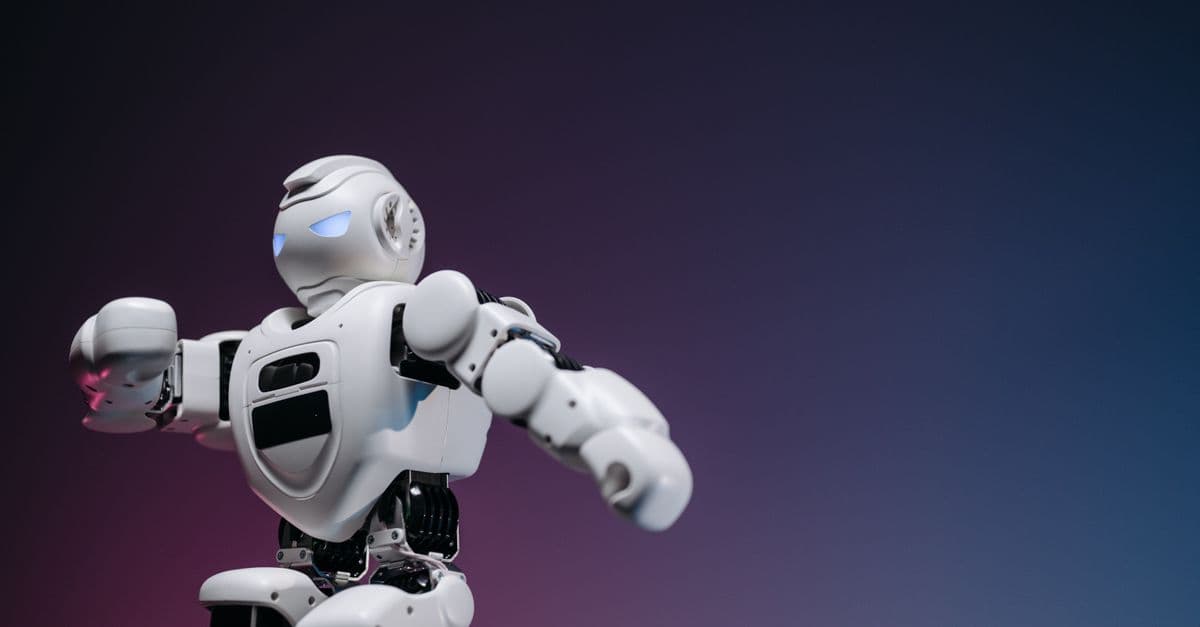
Beyond automating experiments, AI systems are beginning to propose novel scientific hypotheses—a capability that could fundamentally change how science is done.
Latest science news: breakthrough research in physics, chemistry, and climate science — major scientific discoveries explained for everyone.
Beyond automating experiments, AI systems are beginning to propose novel scientific hypotheses—a capability that could fundamentally change how science is done.

Bohr proposed electrons orbit nuclei in discrete energy levels. His model explained atomic spectroscopy and won the Nobel Prize, though quantum mechanics later refined it.
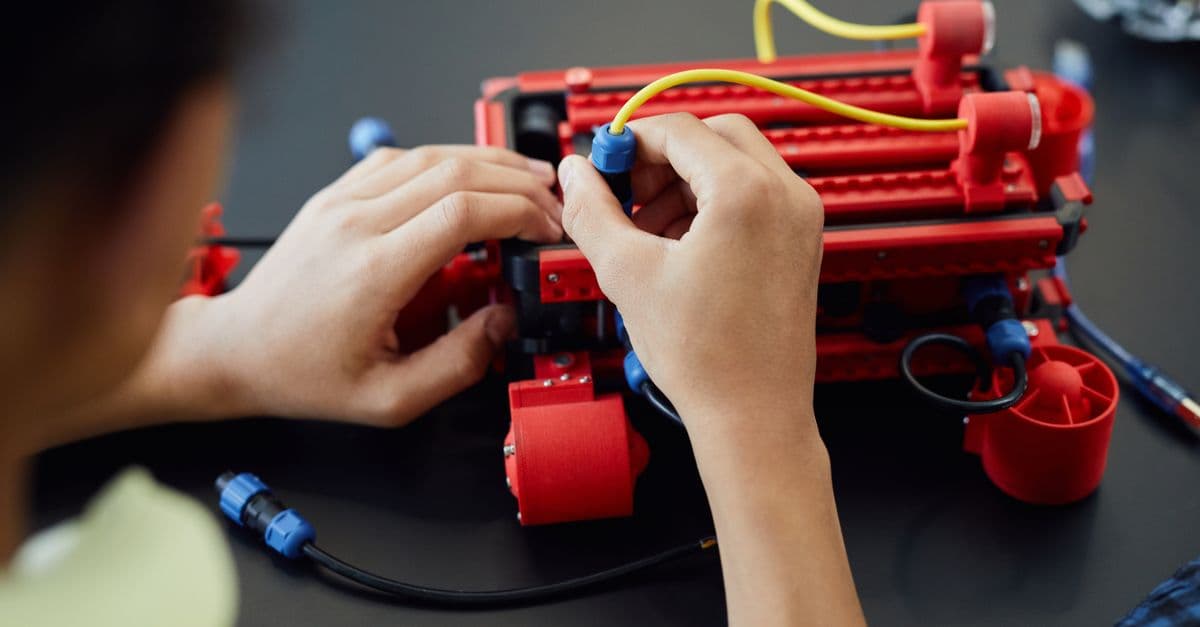
AI is giving electron microscopes superhuman vision—resolving atomic structures, identifying defects, and automating analyses that once took weeks.
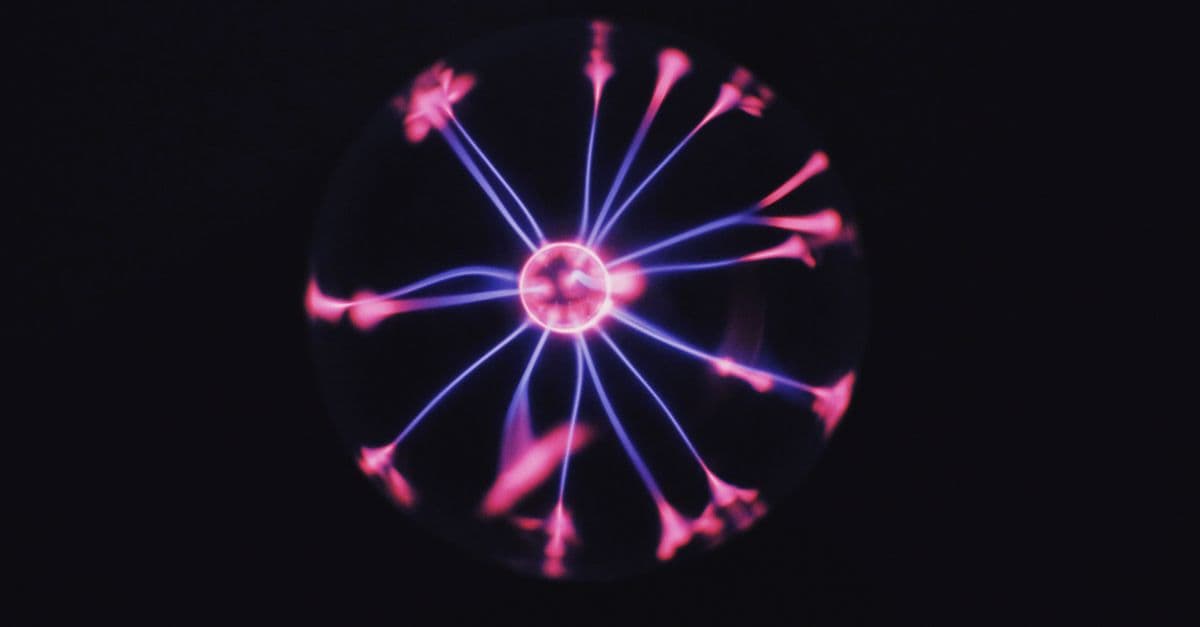
Planck proposed energy is quantized in discrete packets (quanta). This radical idea solved the blackbody paradox and launched quantum mechanics.
Climate tipping points could trigger irreversible planetary changes. Machine learning is giving scientists new tools to detect early warning signals, with real limits.
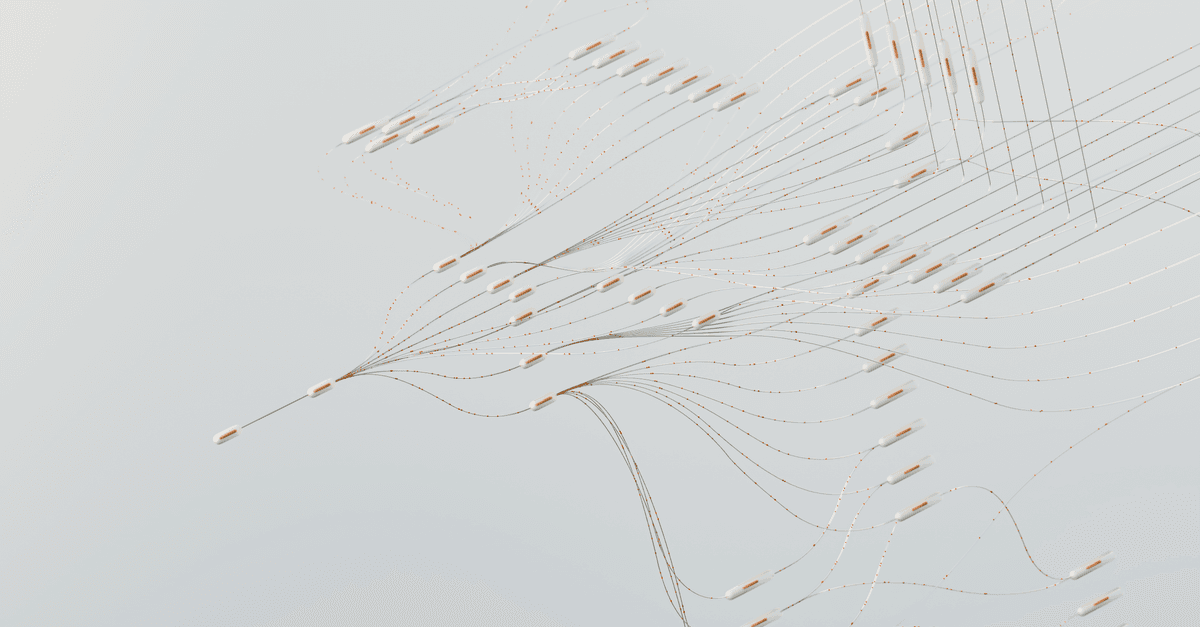
Machine learning is transforming seismology—detecting thousands of unknown earthquakes and pushing the frontier of what prediction might actually mean.
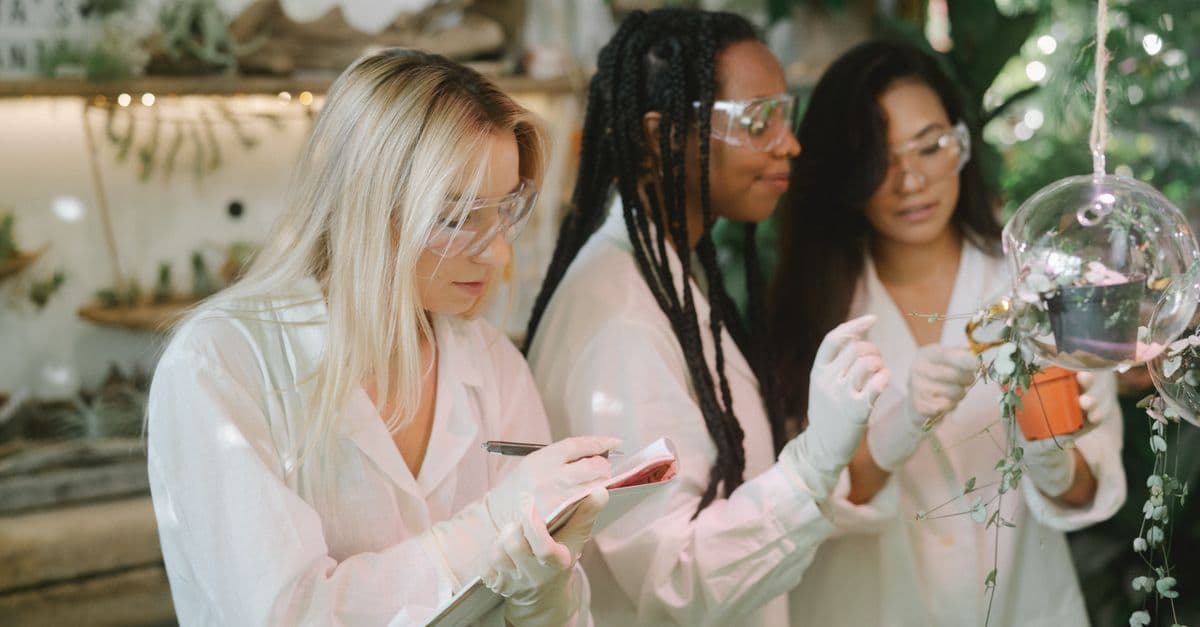
Roughly 70% of people experience imposter syndrome at some point. What causes it, who is most vulnerable, and does it ever become an advantage?
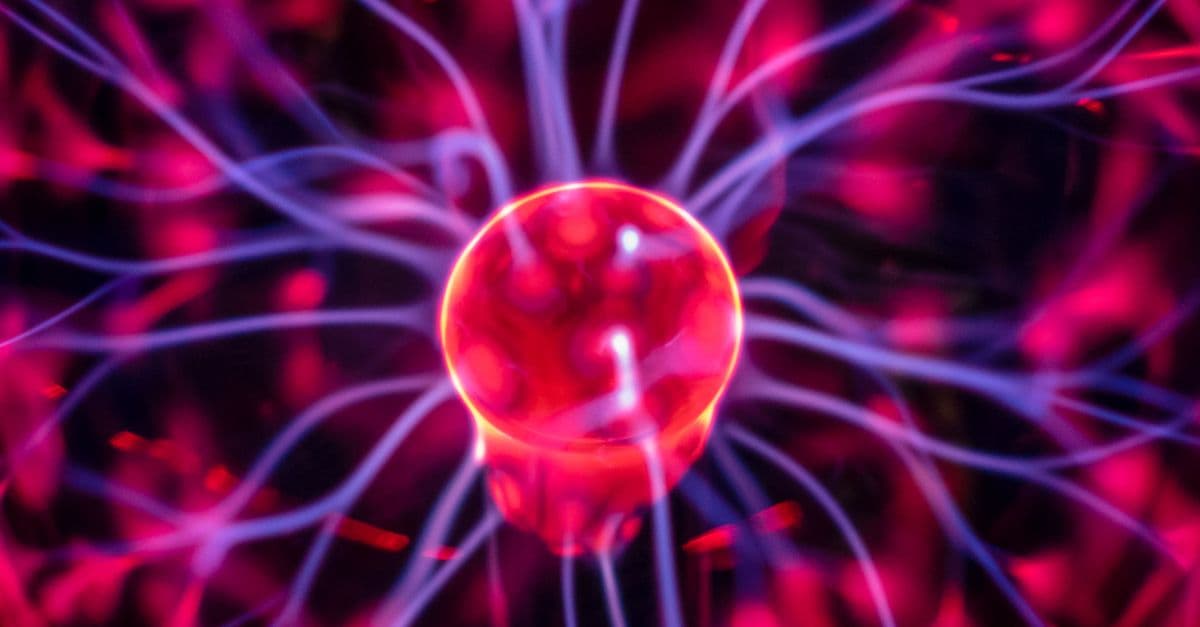
Maxwell unified electricity, magnetism, and light into one theory. His four equations revealed light as electromagnetic waves, predicting the entire spectrum.
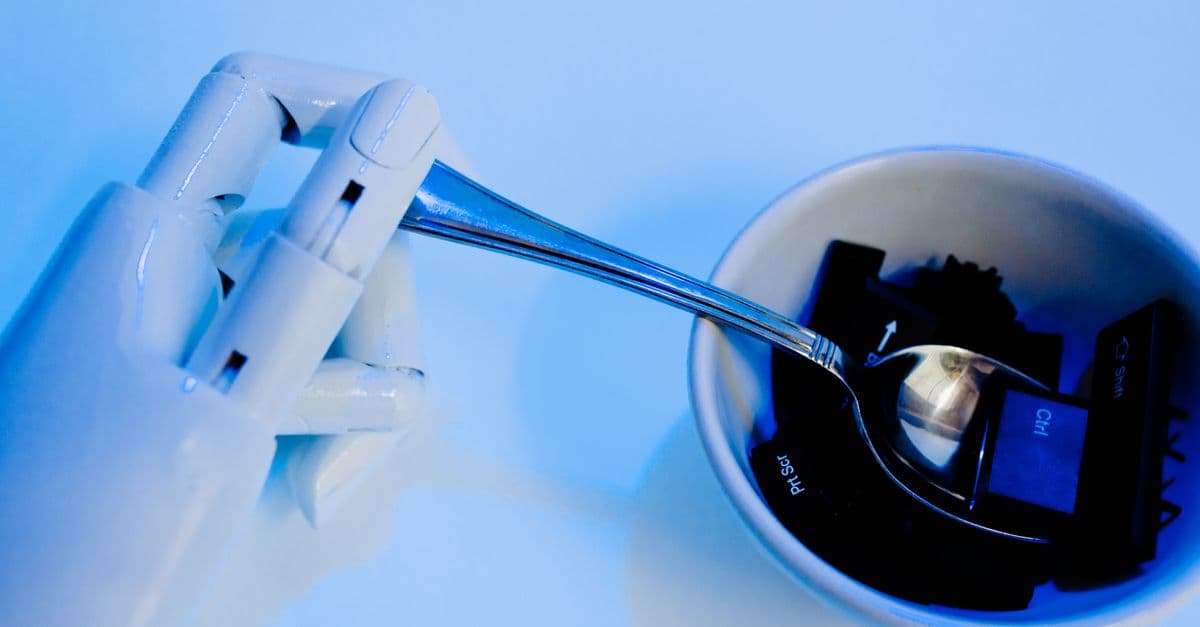
Quantum machine learning promises exponential speedups for AI—but separating genuine potential from overhype requires careful attention to the physics.
Controlling fusion plasma is one of science's hardest control problems. DeepMind and others are using deep reinforcement learning to solve it.
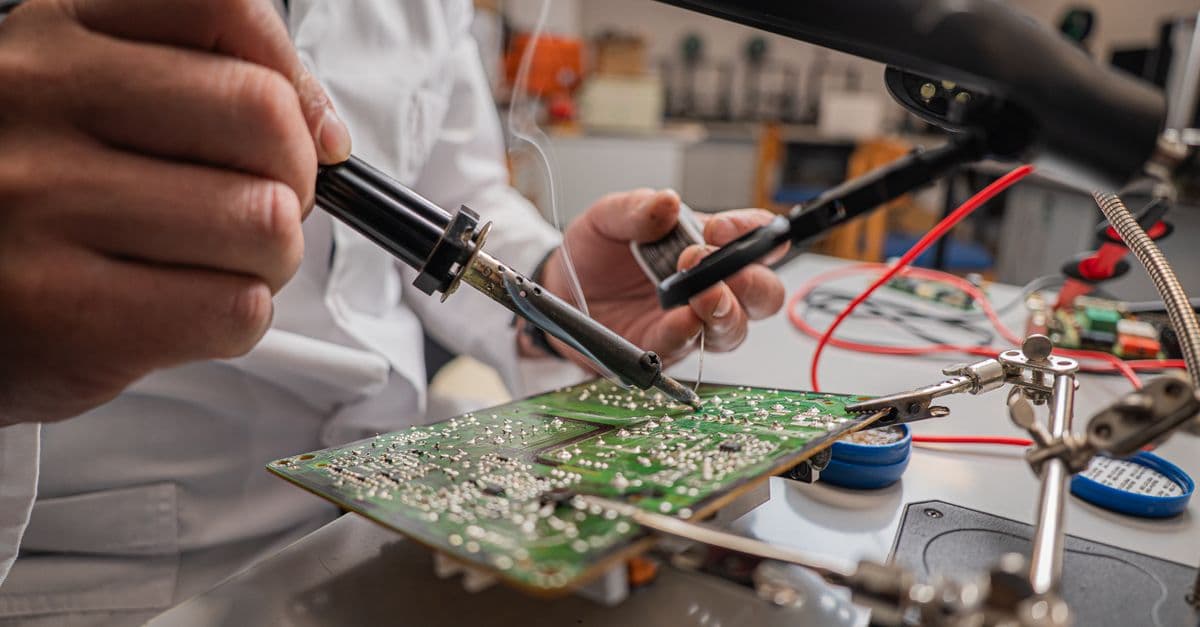
Ohm discovered the relationship between voltage, current, and resistance. His law is fundamental to electrical engineering and appears in every circuit.

Addiction is not a moral failure or a matter of willpower. Decades of neuroscience have revealed it is a brain disorder with a specific biological signature.