
Science
How Does a Refrigerator Work? The Cool Science Behind Everyday Chill
Refrigerators don't make cold — they move heat out of one place into another. Here's how the four-step refrigeration cycle keeps your food fresh, and why it works.
Latest science news: breakthrough research in physics, chemistry, and climate science — major scientific discoveries explained for everyone.
Refrigerators don't make cold — they move heat out of one place into another. Here's how the four-step refrigeration cycle keeps your food fresh, and why it works.
Every interaction in the universe — from holding atoms together to making stars shine — comes down to four forces. Here's what they are, how they work, and why physicists are still hunting for a theory that unifies them.
Entropy is the reason ice melts, eggs don't unscramble, and the universe is heading toward a quiet, cold end. Here's what entropy actually is — and why it's the most powerful idea in physics.
Quantum mechanics is the most accurate theory ever tested, the foundation of every modern computer, and almost impossible to intuit. Here's a clear, math-light tour of what it actually says.

"Quantum," "subatomic," and "atomic" sound similar and get used interchangeably — but they describe different scales and concepts. Here's a clear explanation that untangles them.
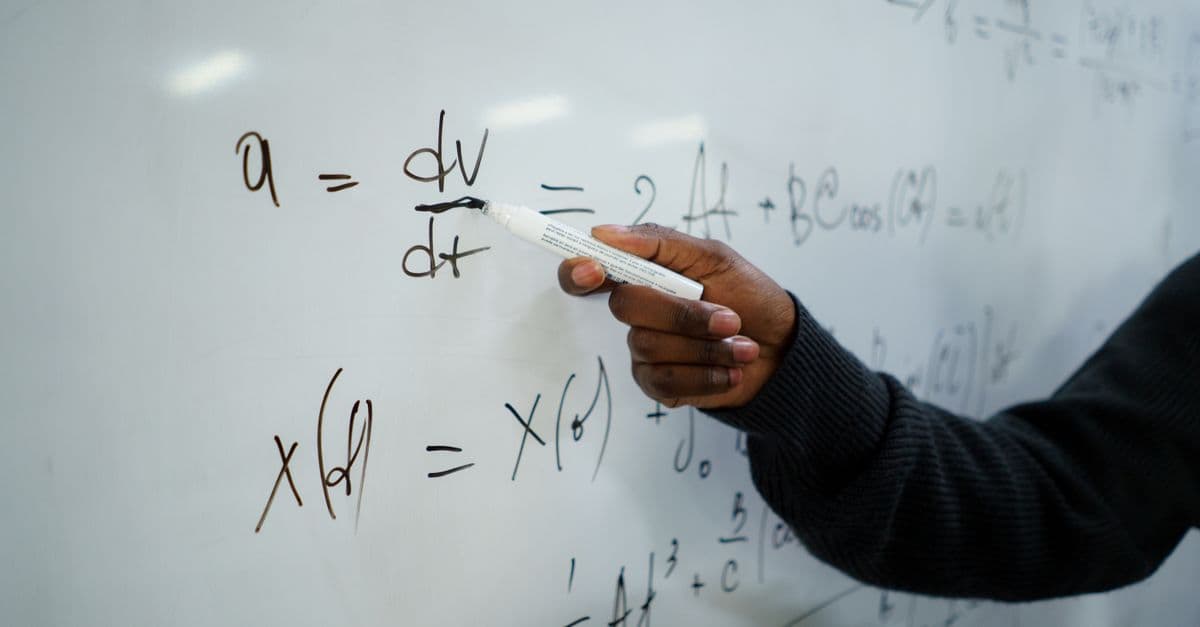
Hundreds of tonnes of metal lifting off the ground feels like it shouldn't work. The physics is simpler than people think — and the popular "Bernoulli only" explanation is mostly wrong.
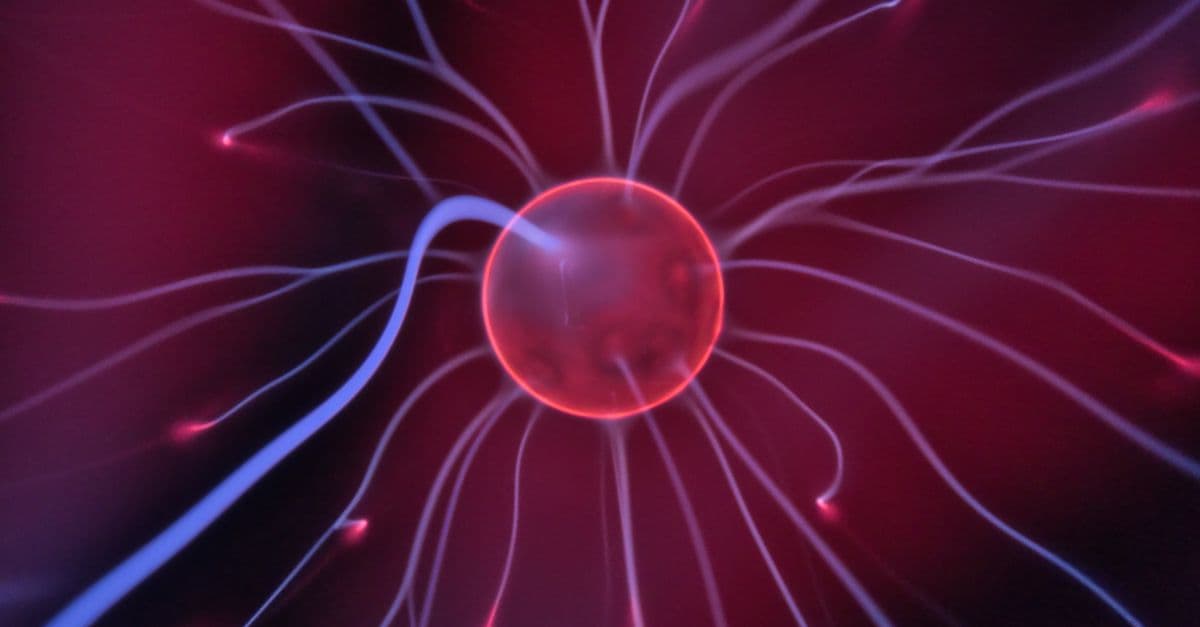
Fusion is the energy source that powers the Sun. Replicating it on Earth could provide nearly limitless clean energy. After 70 years of effort, we're closer than ever — but harder than expected.
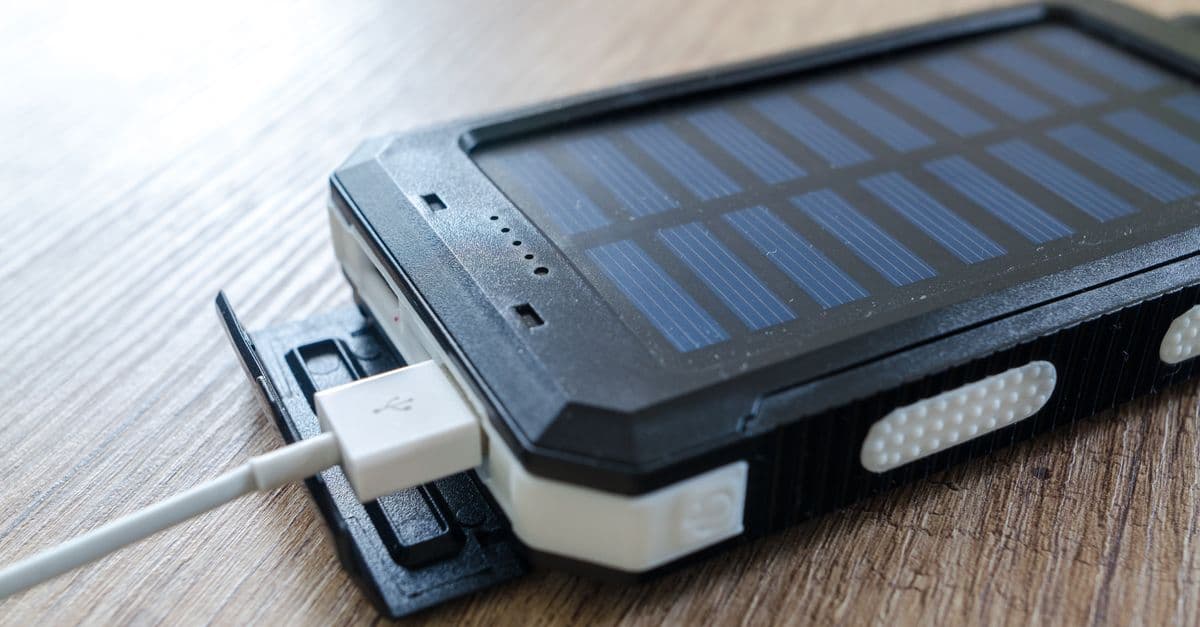
Batteries store electrical energy as chemical energy and release it on demand. The principles are over 200 years old, but the chemistry inside your phone and your EV is still changing.