
Technology
How 5G Networks Actually Get Built — and Secured
5G cellular networks explained through the deployment fight: fiber costs, small cell permitting, Open RAN, and the security risks of virtualized cores.
5 articles tagged with #5g
5G cellular networks explained through the deployment fight: fiber costs, small cell permitting, Open RAN, and the security risks of virtualized cores.

AI-driven network routing is replacing static algorithms in 5G—reducing latency, balancing load, and adapting to traffic in real time.

Wireless data is invisible, but the engineering behind it is surprisingly concrete — radio waves, spectral efficiency, and antenna tricks.
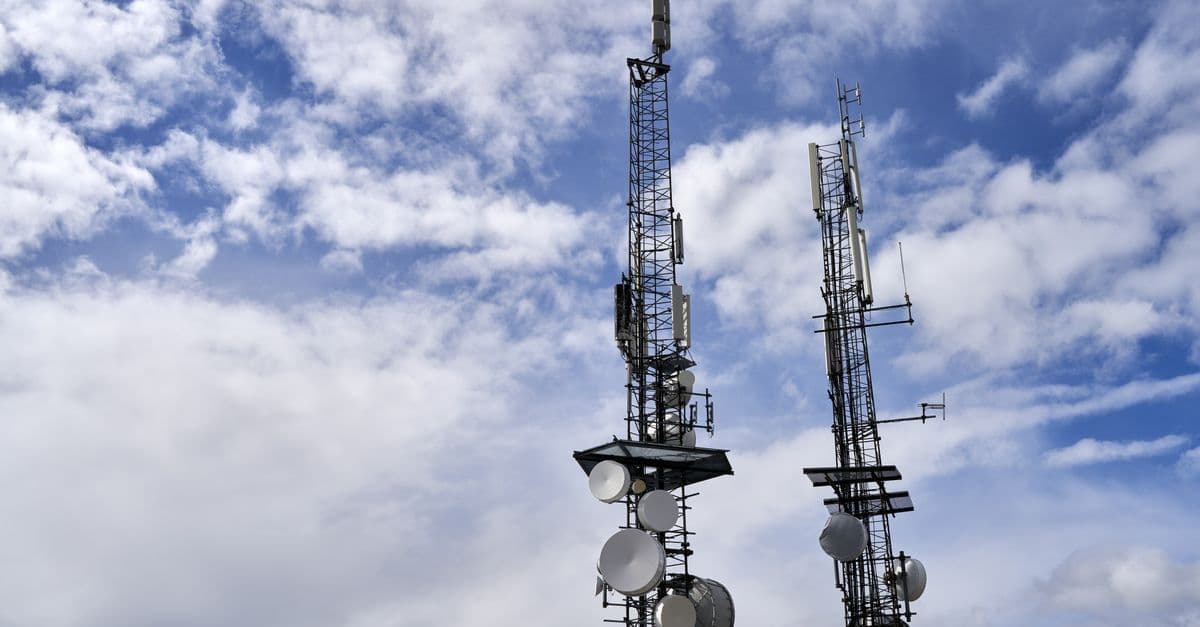
5G reached about 55% of the world's population in 2025, per the ITU, but coverage, availability and speed are three different measurements. Germany reports 99.1% coverage while its 5G usage lags; South Korea's networks top speed tests. Here is what each ranking actually measures.
5G is faster, lower-latency, and more efficient than 4G. It also enables connected cars, remote surgery, and smart factories. Here's how it actually works and what's hype.