Skip to content
ISSUE 10.29.26/24 CATEGORIES

anxiety

8 articles tagged with #anxiety

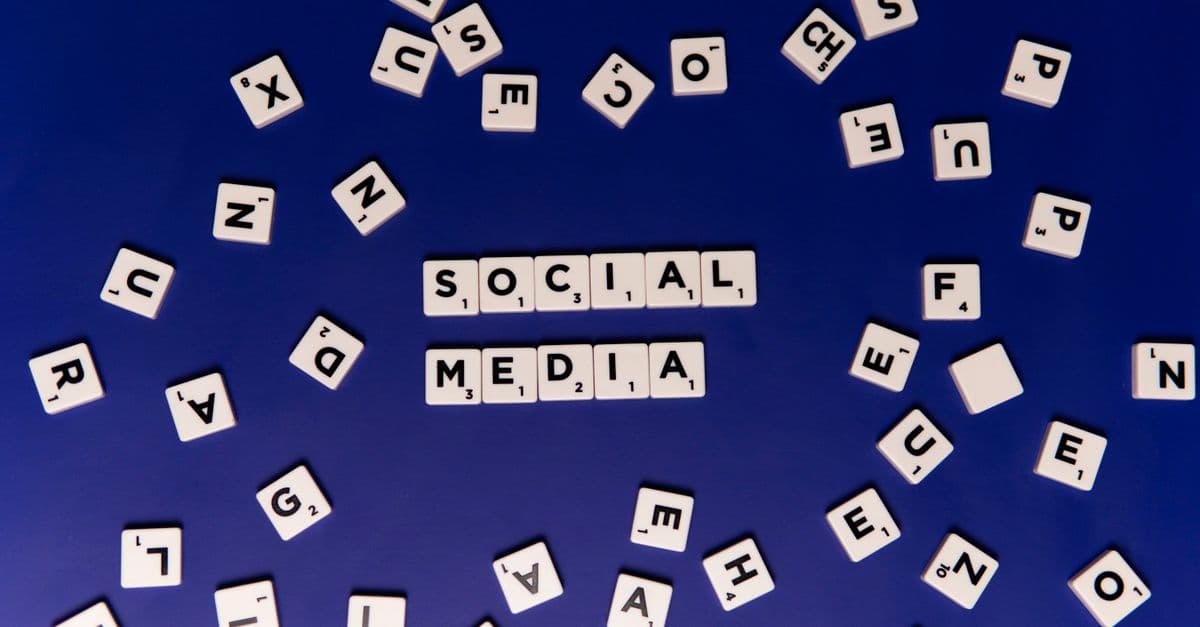
Scrabble tiles spelling 'Social Media' on a blue background, ideal for digital marketing themes.
Psychology

How Social Media Rewires the Brain

Feeds and notifications work on the brain's reward system in ways that resemble variable-reward schedules. Here is what imaging studies, experiments, and large surveys actually show about how social media affects the brain, and where the evidence runs out.


Editorial Team·June 17, 2026·22 min
Group of individuals holding signs displaying phobia names in a neutral setting.
Psychology

What Causes Phobias? The Science Behind Extreme Fear and Anxiety

A phobia is an intense, irrational fear of a specific object or situation that produces anxiety and avoidance behavior disproportionate to actual danger. Phobias develop through classical conditioning, where a neutral stimulus becomes paired with a fear-inducing event, causing the neutral stimulus to trigger fear independently. However, not everyone who experiences a traumatic event develops a phobia, suggesting a genetic and temperamental vulnerability. Research points to heightened amygdala reactivity, reduced prefrontal regulation of fear, and genetic variations in neurotransmitter systems (serotonin, GABA) as risk factors. The preparedness theory proposes that humans are biologically prepared to fear certain stimuli (snakes, spiders, heights) more easily than others. Understanding phobia mechanisms reveals that conditioning and biological vulnerability interact. Exposure-based approaches, in which the person repeatedly encounters the feared stimulus in a safe context, effectively reduce phobias by promoting new learning and prefrontal inhibition of amygdala reactivity.

Editorial Team·June 4, 2026·20 min
Frustrated woman in white shirt at desk with laptop, feeling overwhelmed.
Blog

Countries with the Most Mental Health Disorders (2025 Ranked)

The US has the highest rate of depression and anxiety in OECD surveys. Australia and New Zealand lead in mental health spending per capita. Only 1 in 3 people with mental illness globally receive treatment. The mental health treatment gap costs the global economy $1 trillion per year in lost productivity.

Editorial Team·May 4, 2026·17 min