Gaming and Mental Health: How Games Help Us Heal

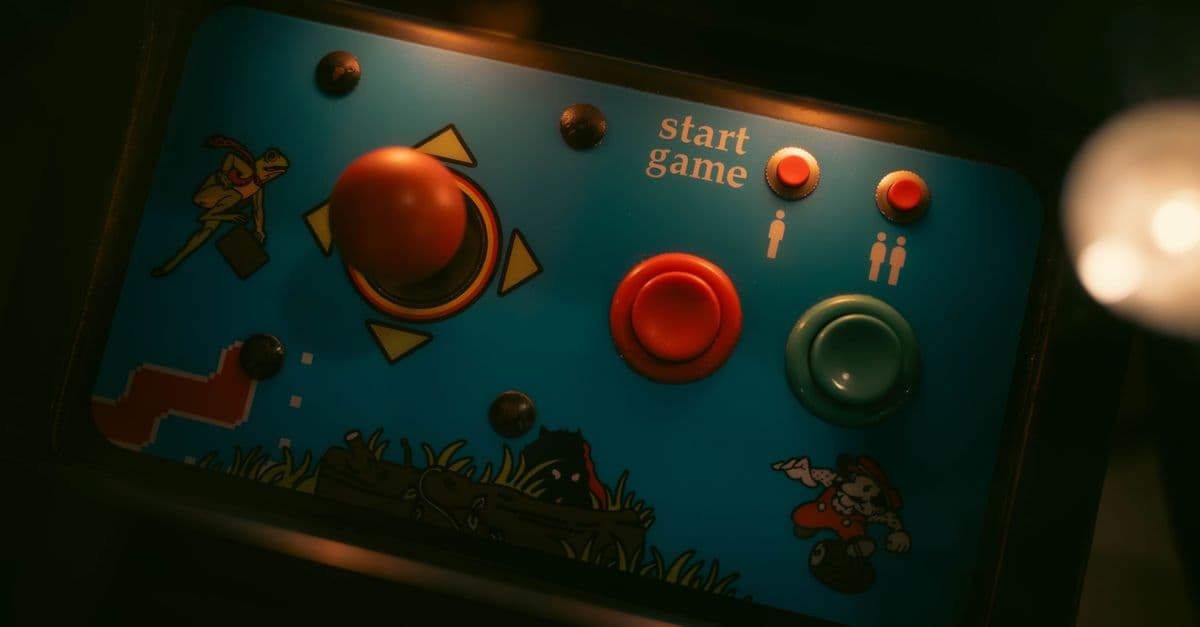
Photo: Tima Miroshnichenko / Pexels
For most of gaming's history, the loudest public conversation about video games and mental health was an alarmed one: games cause aggression, games cause isolation, games rot attention spans. That conversation is still happening, but a quieter and more interesting one has grown up alongside it. Large-scale studies, clinical trials, and a 2020 FDA authorization of an actual prescription video game have started to show that games can be a genuine mental health tool, not just a coping distraction, when the right game meets the right person at the right dose. This piece works through what the evidence actually says, where it stops, and how to tell healthy play from a warning sign.
What the research actually shows
The strongest large-scale evidence on gaming and well-being comes from a 2021 Oxford Internet Institute study published in Royal Society Open Science. Instead of relying on players self-reporting how much they played (notoriously inaccurate), researchers Niklas Johannes, Matti Vuorre, and Andrew Przybylski obtained actual telemetry data from Electronic Arts and Nintendo of America for 3,274 players of Animal Crossing: New Horizons and Plants vs. Zombies: Battle for Neighborville. Play time correlated positively with well-being, though the effect was small and the researchers were careful to note that the reason a person plays matters more than how long they play.
That "reason matters" caveat runs through nearly all of the credible research in this space. A game that helps someone unwind after a stressful day is doing something different, neurologically and behaviorally, than a game someone uses to avoid a problem they need to face. Gaming isn't inherently therapeutic or inherently harmful; it functions more like a room you can walk into for different reasons, and the reason shapes what you get out of it.
Separately, clinical psychology has moved from studying games informally to designing them on purpose. SPARX (Smart, Positive, Active, Realistic, X-factor thoughts), a New Zealand-developed game built around cognitive behavioral therapy principles, was tested in a randomized controlled trial with 187 adolescents seeking help for depression. Ninety-four went through four to seven weeks of the SPARX game; the trial found it performed at least as well as usual care for mild-to-moderate depression. That's a meaningful result: a video game matching, not just supplementing, a standard clinical intervention in a controlled trial.
The mechanisms: why gaming actually helps
Saying "games help mental health" without explaining why is marketing, not science. There are several specific, studied mechanisms, and understanding them is what separates a game that's genuinely useful from one that's just a pleasant distraction.
Flow state and rumination
Psychologist Mihaly Csikszentmihalyi described "flow" in the 1970s as a state where a person's skill level matches a task's challenge so precisely that self-consciousness and the passage of time seem to disappear. Think of it like a tightrope walker who's practiced enough that they stop thinking about falling and just walk — too easy and they'd be bored and inattentive, too hard and they'd freeze up with fear. Games are unusually good at engineering this balance on purpose, adjusting difficulty in real time to keep a player in that narrow channel.
Research on flow and gaming, including neuroscience work on brain-heart interaction during play published in Frontiers in Human Neuroscience, suggests flow states reduce self-rumination, the repetitive negative thinking loop that characterizes depression and anxiety. This isn't the same as escapism or dissociation, which clinicians generally consider unhealthy coping. Flow is active and purposeful; escapism is passive and avoidant. The distinction matters clinically even though both can look, from the outside, like "someone playing a video game for three hours."
Agency and rebuilding a sense of control
Games hand players constant small decisions: which path to take, which item to use, when to retreat. For someone recovering from an experience that stripped away their sense of control, such as trauma, a period of illness, or a major loss, that steady drip of low-stakes choices can help rebuild what psychologists call self-efficacy, the belief that your actions produce outcomes. It works something like physical therapy for a sense of agency: small, repeatable, low-risk reps that gradually restore confidence, rather than one dramatic breakthrough.
Social connection through structured play
Multiplayer games create something a lot of adult social life doesn't: a built-in reason to show up regularly with the same group of people toward a shared goal. Raid nights, guilds, and co-op sessions function like a standing appointment. During the early COVID-19 pandemic, this mechanism got institutional recognition — the World Health Organization partnered with more than 18 gaming companies, including Zynga, Ubisoft, Twitch, and Activision Blizzard, on the #PlayApartTogether campaign, explicitly promoting gaming as a way to maintain social connection during physical isolation. Later phases of the campaign grew to more than 80 participating companies.
Narrative processing and catharsis
Story-driven games let players experience loss, fear, or grief at a controlled distance, similar to how reading fiction or watching film has long been understood to help people process emotion, except games add interactivity. Gris, a platformer built entirely around a young woman's grief, and Spiritfarer, a game about ferrying dying characters to the afterlife while running a boat-based farm, were both designed explicitly around these themes rather than having them emerge incidentally.
The therapeutic and cozy game landscape
Not every game that helps mental health was designed for that purpose, but a growing number were. Two design lineages matter here: games built with intentional emotional or clinical framing, and the broader "cozy games" movement that emerged as a genre in its own right.
| Game | Core mechanism | Mental health theme |
|---|---|---|
| Celeste | Precision platforming with an optional assist mode | Anxiety, panic attacks, self-doubt |
| Journey | Wordless multiplayer exploration | Connection, impermanence, hope |
| Gris | Color and movement return as the character heals | Grief, depression |
| Spiritfarer | Cozy management sim structured around goodbyes | Loss, caregiving, letting go |
| SPARX | CBT principles delivered through fantasy-quest structure | Adolescent depression (clinically trialed) |
| EndeavorRx | Attention and multitasking challenges | ADHD (FDA-authorized prescription device) |
| Stardew Valley / Animal Crossing | Low-pressure farming and social simulation | General stress reduction, routine-building |
Table: Selected games with documented or designed mental health applications.
The "cozy games" category, which includes titles like Stardew Valley, Animal Crossing: New Horizons, and A Short Hike, is defined by the absence of fail states, time pressure, or combat. Academic interest in the genre has grown accordingly; a 2024 paper in Journal of Gaming & Virtual Worlds examined cozy game aesthetics as a deliberate design response to player burnout and anxiety, arguing that removing threat and failure from a game's core loop is itself a therapeutic design choice, not just a stylistic one.
Design choices that keep players in a flow state without pushing them into frustration, such as adjustable difficulty curves and rubber-banding systems, are a large part of why some games feel calming and others feel stressful even when the mechanics look similar on paper. For a deeper look at how designers tune that balance, see our explainer on how difficulty design and flow state keep players engaged.
PTSD, trauma, and clinical applications
Gaming's clinical applications extend beyond depression and ADHD into trauma treatment, though the evidence base here is thinner and more contested. Virtual reality exposure therapy, which uses game-like environments to gradually reintroduce trauma survivors to triggering stimuli under a therapist's supervision, has been studied with combat veterans since the early 2000s, building on earlier VR exposure work for phobias. The logic mirrors standard exposure therapy: controlled, gradual, therapist-guided exposure to a feared stimulus reduces the fear response over repeated sessions, and a game environment offers a level of control over pacing and intensity that real-world exposure can't match.
It's worth being precise about what this evidence supports and what it doesn't. Structured, clinician-supervised exposure protocols using game or VR environments have shown benefit in published trials for combat-related PTSD. That is a different claim from "playing PTSD-themed video games at home is treatment," which no major clinical body endorses. The same is true of gaming's broader trauma applications: rebuilding a sense of agency and facilitating social reconnection are plausible, evidence-supported mechanisms, not substitutes for trauma-focused therapy delivered by a trained clinician.
Can gaming help with PTSD specifically?
Under clinician supervision, structured exposure protocols using game-like or VR environments have shown benefit in trials with combat veterans, primarily by allowing gradual, controlled exposure to trauma-related triggers. Unsupervised or recreational gaming has not been shown to treat PTSD and, in some cases, can retraumatize if trigger content is poorly matched to the player. PTSD care should treat gaming as one component of professional treatment, not a stand-alone intervention.
Where the evidence gets more cautious: gaming disorder
None of this research argues that gaming is uniformly good for mental health, and the World Health Organization has formally recognized the opposite possibility. In 2019, the WHO added "Gaming Disorder" to the ICD-11, its International Classification of Diseases, defining it around three criteria: impaired control over gaming, increasing priority given to gaming over other life interests, and continuation of gaming despite negative consequences, typically observed over at least 12 months. A 2024 meta-analysis in PMC estimated global prevalence of gaming disorder, using ICD-11 or DSM-5-aligned criteria, at roughly 3% to 6% of the population, though the researchers cautioned that prevalence estimates vary considerably depending on which diagnostic instrument and cutoff a given study uses.
That range matters because it means gaming disorder, while real and clinically significant, affects a minority of gamers, not the majority. The same reward mechanisms that make a well-designed cozy game restorative, unpredictable positive feedback, clear progression, social belonging, can also be engineered more cynically to maximize engagement regardless of player well-being. Loot boxes and randomized reward systems are the clearest example: their psychological structure deliberately mirrors variable-ratio reinforcement schedules from gambling research, which is why regulators in multiple countries have scrutinized them. We've covered the mechanics of that specific design pattern in more depth in how loot boxes work and the psychology of gambling they borrow from.
The uncomfortable truth is that "engaging" and "healthy" are not the same design goal, and a game can be extremely good at the first while working against the second. Adolescents and young adults, whose impulse control systems are still developing, show disproportionately higher rates of problematic gaming patterns compared with older adults, according to the epidemiological literature reviewed in the ICD-11 prevalence meta-analysis.
What's the difference between healthy gaming and gaming disorder?
Clinically, the distinction isn't about hours played but about function and impairment. Gaming that supports mood, relationships, sleep, and daily obligations, even at a substantial time investment, doesn't meet ICD-11 criteria. Gaming that a person cannot reduce despite trying, that displaces sleep, school, work, or relationships, and that continues despite clear negative consequences over roughly a year, meets the WHO's threshold for a disorder requiring clinical attention.
Accessibility as an overlooked mental health lever
One of the less-discussed ways gaming affects mental health runs through accessibility design rather than content. Assist modes, like the one built into Celeste that lets players adjust game speed or invincibility without altering the core experience, and adjustable difficulty settings remove frustration barriers that disproportionately affect players managing depression, anxiety, or chronic fatigue. Colorblind modes, remappable controls, closed captions, and screen-reader support extend that same benefit to players with visual, physical, and hearing differences.
The mental health angle here is less about the accommodation itself and more about what exclusion does to well-being: being unable to participate in a shared social and cultural activity because of a disability is its own source of isolation, and accessible design closes that gap. The industry has moved unevenly but meaningfully on this front over the past decade; we go deeper on the specific technical and design choices involved in our piece on game accessibility and inclusive design.
Do accessibility features actually change mental health outcomes, or just usability?
There's limited direct clinical research isolating accessibility features as a mental health intervention specifically, but the well-documented link between social participation and well-being provides a reasonable indirect basis: features that let previously excluded players participate in shared gaming culture address a real social-isolation risk factor, even without a dedicated clinical trial proving the mechanism.
What people get wrong about gaming and mental health
The two most common errors run in opposite directions, and both distort what the research actually supports.
The first error treats any gaming as inherently pathological, a leftover framing from decades of moral-panic coverage that predates almost all of the research described in this article. That framing doesn't hold up against the Oxford telemetry study, the SPARX trial, or the FDA's EndeavorRx authorization, all of which show measurable, in some cases clinically validated, benefit from specific gaming under specific conditions.
The second error, increasingly common in wellness marketing, claims that gaming broadly cures depression or anxiety, or uses "games are good for your brain" as a blanket statement detached from the specific mechanisms and populations the research actually studied. The SPARX trial tested a specific CBT-structured game against a specific clinical population over a defined period; it did not test whether playing Call of Duty for six hours nightly helps depression. Overgeneralizing from narrow, well-controlled findings to gaming in general is exactly the kind of error that erodes trust in genuinely useful research.
A third, subtler confusion is conflating correlation with causation in the Oxford study itself. The researchers were explicit that their well-being correlation, while methodologically stronger than prior self-report studies, does not establish that gaming causes well-being; it establishes an association and rules out some (not all) confounds through the use of actual play-time data. Readers and headline writers alike have a habit of dropping that nuance.
Which games are best for mental health?
There's no single answer, because the mechanism that helps depends on what a person needs. Low-pressure games without fail states (Stardew Valley, Animal Crossing) suit general stress and anxiety reduction. Narrative games that process grief or hope (Gris, Spiritfarer, Journey) suit people working through loss. Clinically designed games (SPARX, EndeavorRx) are built for specific diagnosed conditions and, in EndeavorRx's case, require a prescription. Matching the mechanism to the need matters more than any game's general reputation for being "wholesome."
Do mental health professionals actually recommend gaming as treatment?
Selectively and specifically, not broadly. Clinicians increasingly incorporate games into treatment plans for defined applications, such as prescribing EndeavorRx for ADHD or using structured VR exposure protocols for combat PTSD, but mainstream clinical guidance treats gaming as a supplementary tool alongside therapy or medication, not a replacement. The professional position mirrors the research: specific, well-designed applications show real benefit; gaming in general is not itself a treatment.
Is gaming addiction a bigger risk for people who already have anxiety or depression?
The epidemiological literature suggests people managing depression, anxiety, or ADHD show elevated rates of problematic gaming patterns compared with the general population, likely because gaming's reward structures can be especially reinforcing for people seeking relief from those symptoms. This doesn't mean gaming is off-limits for that population; it means intentional limits and periodic self-check-ins matter more for people who already know they're prone to using activities to avoid difficult feelings.
Can games replace therapy or medication?
No approved gaming intervention, including EndeavorRx, is positioned as a replacement for existing treatment. EndeavorRx's own FDA authorization explicitly frames it as a treatment to be used alongside clinician-directed therapy, medication, or educational support, not instead of them. The SPARX trial tested the game as an alternative pathway to care for adolescents with mild-to-moderate depression specifically, not as a universal substitute for clinical treatment across severity levels.
How much gaming is too much?
There's no universal hour threshold in the ICD-11 criteria; the WHO deliberately defined gaming disorder around impaired control and functional impairment rather than a specific time limit, because healthy engagement varies enormously by person, schedule, and life circumstances. A useful practical check is whether gaming is displacing sleep, work, school, or in-person relationships against your own intentions, and whether you can scale back without significant distress when you try.
Are cozy games actually backed by research, or is that just marketing language?
There's peer-reviewed academic interest in cozy games as a deliberate design response to burnout and anxiety, including design-focused analysis published in gaming studies journals, but this is a younger and smaller research area than clinical trials like SPARX. The genre's therapeutic reputation rests more on design logic (removing failure states and time pressure plausibly reduces stress) and player-reported experience than on randomized clinical trials, which is a real evidentiary difference worth keeping in mind.
Why did the FDA authorize a video game as medical treatment?
The FDA's 2020 authorization of EndeavorRx followed the agency's standard medical device pathway, requiring clinical data demonstrating safety and effectiveness for a specific condition, in this case pediatric ADHD. Akili Interactive submitted data from five studies covering more than 600 children, showing measurable improvement in attention-related impairments, which met the bar for authorization as opposed to general wellness marketing claims that don't require that level of evidence.
The takeaway
The research on gaming and mental health has matured past the binary question of whether games are good or bad for you. The better-supported picture is mechanistic: specific games, used for specific reasons, produce measurable effects through flow, agency, social connection, and narrative processing, and a subset of those applications now clear the same evidentiary bar as conventional treatment. At the same time, the WHO's Gaming Disorder classification and the loot-box research are a reminder that the same reward structures cutting toward wellness can, under different design incentives, cut the other way. The honest summary isn't "games heal" or "games harm" — it's that gaming is a tool whose effect depends heavily on which game, why you're playing it, and whether you can still put it down.
Read next:
- Game Difficulty Design: How Rubber Banding and Flow State Keep You Playing
- How Loot Boxes Work: The Psychology of Gambling Hidden in Your Video Games
- Game Accessibility: Making Games for Everyone
Source: Johannes, N., Vuorre, M., & Przybylski, A. K. (2021). "Video game play is positively correlated with well-being." Royal Society Open Science, 8(2). royalsocietypublishing.org
Source: FDA / Akili Interactive Labs (2020). EndeavorRx (AKL-T01) prescription video game authorization for pediatric ADHD. CNBC coverage; UCSF
Source: SPARX randomized controlled trial — computerized CBT video game for adolescent depression. Evidence-Based Practice, Lippincott
Source: World Health Organization (2019). ICD-11 Gaming Disorder classification and diagnostic criteria. PMC prevalence meta-analysis
Source: World Health Organization / games industry (2020). #PlayApartTogether campaign. Zynga press release
Source: Csikszentmihalyi, M. — Flow theory; brain-heart interaction and flow in gaming research. Frontiers in Human Neuroscience
Follow new articles
Add SciHub101 to your feed reader to see new science and technology stories.
About the Author
SciHub101 is an independent science and technology publication founded and edited by Buğra Sözeri, a software engineer and app developer based in Türkiye. AI tools assist with drafting and research. Source documentation in the existing archive is uneven, and articles are being reviewed and corrected. The Editorial Team byline identifies editorial responsibility; it does not certify specialist or independent human review. Where we compare products, anything built by our own team is labelled as such — see the editorial guidelines and About page for how corrections and disclosures work.
Related Articles
AI-Generated Game Assets: How Machine Learning Is Transforming Game Art Production
AI art generation tools are reshaping game development pipelines, enabling smaller teams to produce AAA-quality assets faster than ever before.

Esports Analytics: How AI Is Transforming Competitive Gaming Performance
AI-powered analytics platforms are giving esports teams the same data-driven edge that transformed traditional sports, from player scouting to live strategy adaptation.

The Science of Mental Health — What We Actually Know
About 1 in 7 people worldwide live with a mental disorder. The biology is real but incompletely understood, and several effective treatments exist. Here is what the evidence supports.

Countries with the Most Mental Health Disorders (2025 Ranked)
The US has the highest rate of depression and anxiety in OECD surveys. Australia and New Zealand lead in mental health spending per capita. Only 1 in 3 people with mental illness globally receive treatment. The mental health treatment gap costs the global economy $1 trillion per year in lost productivity.

How the Gut Microbiome Affects Mental Health
Your gut microbiome influences your brain through the vagus nerve, immune signaling, and microbial chemistry. Here is what the mechanisms, the animal work, and the human trials actually show, and where the evidence stops.
How Social Media Rewires the Brain
Feeds and notifications work on the brain's reward system in ways that resemble variable-reward schedules. Here is what imaging studies, experiments, and large surveys actually show about how social media affects the brain, and where the evidence runs out.