Skip to content
ISSUE 10.29.26/24 CATEGORIES

mental-health

25 articles tagged with #mental-health

Therapist consoling an emotional client during a therapy session. Indoor setting, intimate atmosphere.
Psychology

The Psychology of Gratitude

Gratitude is both a fleeting emotional response to receiving something good and a stable personality trait—a dispositional tendency to notice and appreciate benefits. Researchers across emotion science, evolutionary psychology, and positive psychology have discovered that grateful people report higher life satisfaction, stronger relationships, and better sleep quality. The leading explanations include the find-remind-and-bind theory, which frames gratitude as evolutionary social technology for strengthening cooperative bonds, and the broaden-and-build theory, which shows how positive emotions like gratitude expand our cognitive and behavioral capacity. Simple practices like gratitude journaling produce measurable, though modest, improvements in well-being.

Editorial Team·June 26, 2026·16 min
A couple experiencing tension and emotional crisis in a dimly lit room.
Psychology

The Psychology of Jealousy: When Threat Triggers Protection

Jealousy is the acute discomfort when a valued relationship faces a perceived threat from a real or imagined rival, distinct from envy (the desire to have what another possesses). Evolutionary psychology frames romantic jealousy as a mate-guarding adaptation, though the sex-differences debate remains contested. Attachment styles—secure, anxious, avoidant—shape jealousy intensity. Self-esteem and rumination amplify it. Jealousy ranges from a normal protective signal to pathological controlling behavior, and understanding its origins helps distinguish regulation from suppression.

Editorial Team·June 26, 2026·20 min
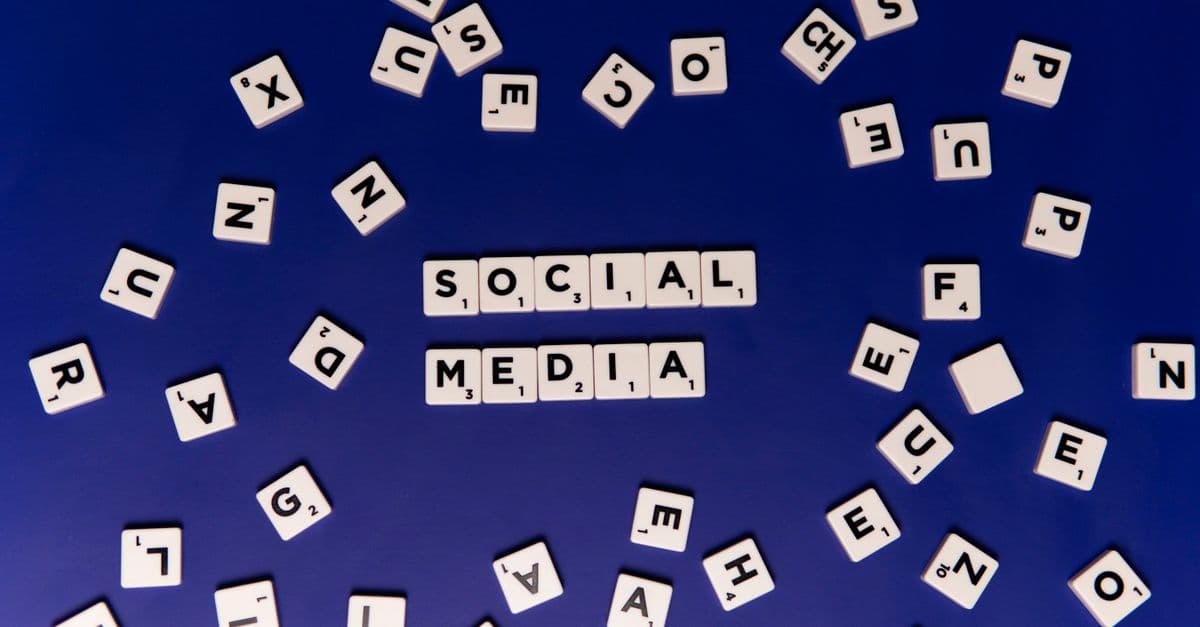
Scrabble tiles spelling 'Social Media' on a blue background, ideal for digital marketing themes.
Psychology

How Social Media Rewires the Brain

Feeds and notifications work on the brain's reward system in ways that resemble variable-reward schedules. Here is what imaging studies, experiments, and large surveys actually show about how social media affects the brain, and where the evidence runs out.

Editorial Team·June 17, 2026·22 min
Contemporary office desk featuring a laptop, smartphone calculator app, and business graphs.
Blog

Digital Minimalism: How to Reclaim Your Attention in 2026

In 2026, the average person spends 4 hours and 25 minutes daily on digital media — a 20 percent increase from 2020. Notifications interrupt focus 35–50 times per hour on devices with alert sounds enabled. Context-switching (shifting from email to a work task to social media and back) reduces cognitive performance by 40–60 percent on complex tasks compared to sustained focus. The attention economy — designed by engineers and algorithms to capture engagement at the expense of your time and mental clarity — has become the default. Digital minimalism, a framework developed by computer scientist Cal Newport, proposes a deliberate reset: remove low-value digital tools from your life, establish clear protocols for high-value tools (email, messaging, social media), and reclaim the attention previously allocated to distraction. The evidence supporting the benefits (improved focus, reduced anxiety, deeper work) is moderate but growing. This article explains the mechanisms of attention capture, reviews the science of context-switching and notification effects, and walks through a practical digital minimalism framework for 2026.

Editorial Team·June 4, 2026·18 min
Interior of contemporary workspace with laptop near coffee and roll film on table
Blog

How to Do a Digital Detox Without Going Crazy: Evidence-Based Strategies

All-or-nothing digital detoxes often fail because they ignore how attention works. Dopamine is not a single 'reward chemical' that devices hijack; attention is regulated by competing goals and environmental design. Cold-turkey phone abandonment creates acute stress, backfiring when triggered by normal workplace communication needs. The evidence suggests incremental reduction, boundary-setting, and environmental redesign are more sustainable than elimination. This guide covers the research on attention and distraction, what the dopamine narrative misses, realistic detox strategies (app limits, notification management, device-free zones), and how to measure success without falling into the shame spiral that makes rebound compulsive use worse. Goal: restore agency over attention, not punish yourself for being human.

Editorial Team·June 4, 2026·16 min
A person walking on a treadmill in a modern gym setting, focusing on fitness.
Blog

The Case for Walking: Why the Simplest Exercise Is the Most Underrated

Walking is the most underrated exercise in health discourse, overshadowed by high-intensity training, resistance work, and achievement-oriented fitness. Yet the evidence associates regular walking with cognitive benefits, cardiovascular health, mental health, and longevity gains. A 2022 meta-analysis linked daily walks of 7,000-8,000 steps to 40% lower mortality compared to sedentary lifestyles. Walking boosts BDNF (brain-derived neurotrophic factor), supporting memory and cognitive function. Moderate-paced walking improves creative problem-solving compared to seated work. Walking is sustainable: 80% of people maintain a regular walking habit after one year, compared to 20-30% for gym memberships. This guide covers the research on walking's cognitive and physiological effects, honest discussion of effect sizes, and why accessibility beats intensity for population-level health. Walking is not the most intense exercise; it is among the most valuable.

Editorial Team·June 4, 2026·15 min
Page 1 of 3Next →