Science
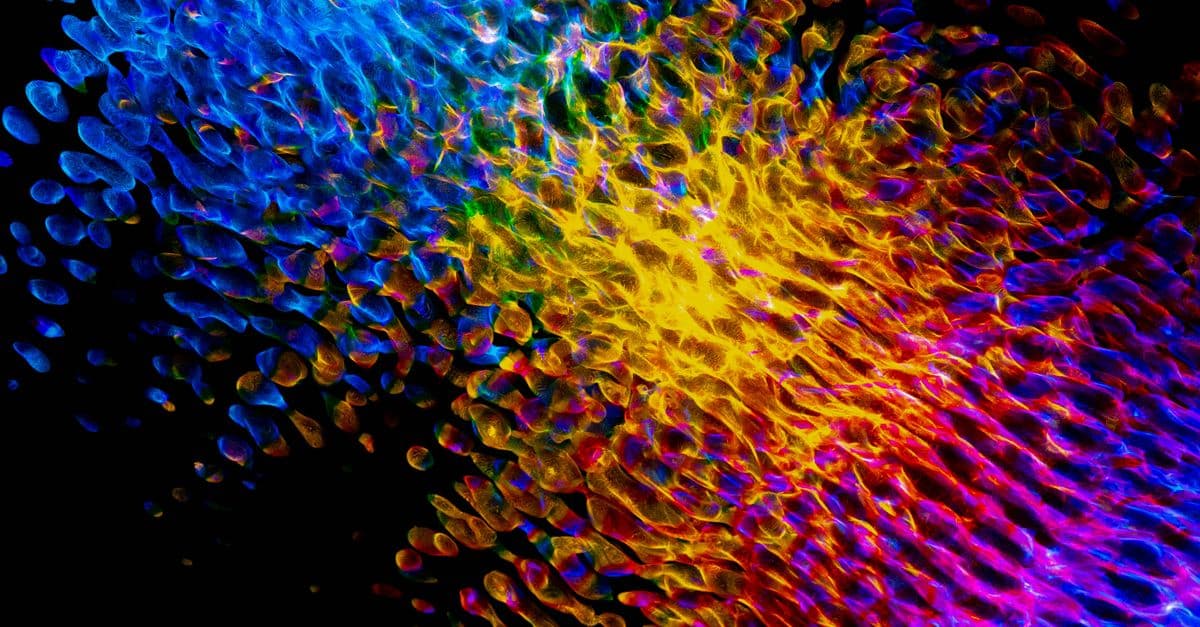
Psychedelics and the Brain: The Neuroscience of Psilocybin
How psilocybin acts on the brain: 5-HT2A receptors, the default mode network, plasticity, and what clinical trials in depression, PTSD, and addiction show.
25 articles tagged with #mental-health
How psilocybin acts on the brain: 5-HT2A receptors, the default mode network, plasticity, and what clinical trials in depression, PTSD, and addiction show.

Depression is more than low serotonin. A look at the brain biology behind it: the serotonin debate, stress hormones, inflammation, neuroplasticity and new treatments.
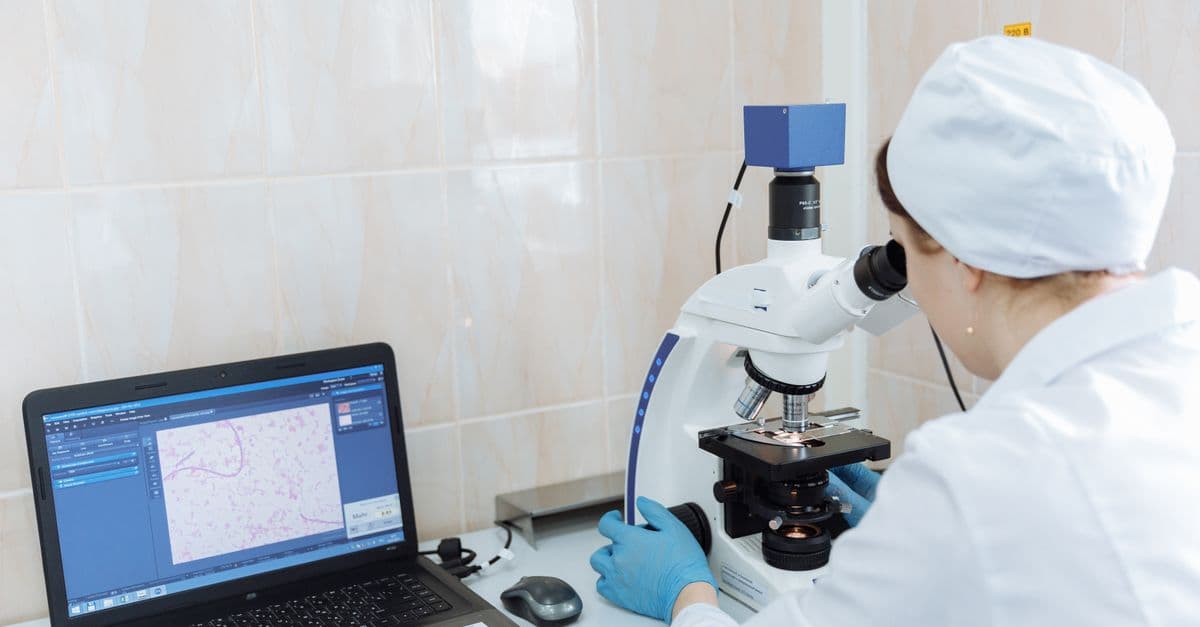
How the amygdala, HPA axis, and neurotransmitters drive anxiety. Science of GAD, panic disorder, social anxiety, and modern treatments.

Video games are increasingly recognized as tools for mental wellness. From anxiety management to therapy, gaming provides benefits science is only beginning to understand.

Making art can lower stress markers and change brain connectivity, but the strongest results come from small studies. Here is what the research does and does not show.
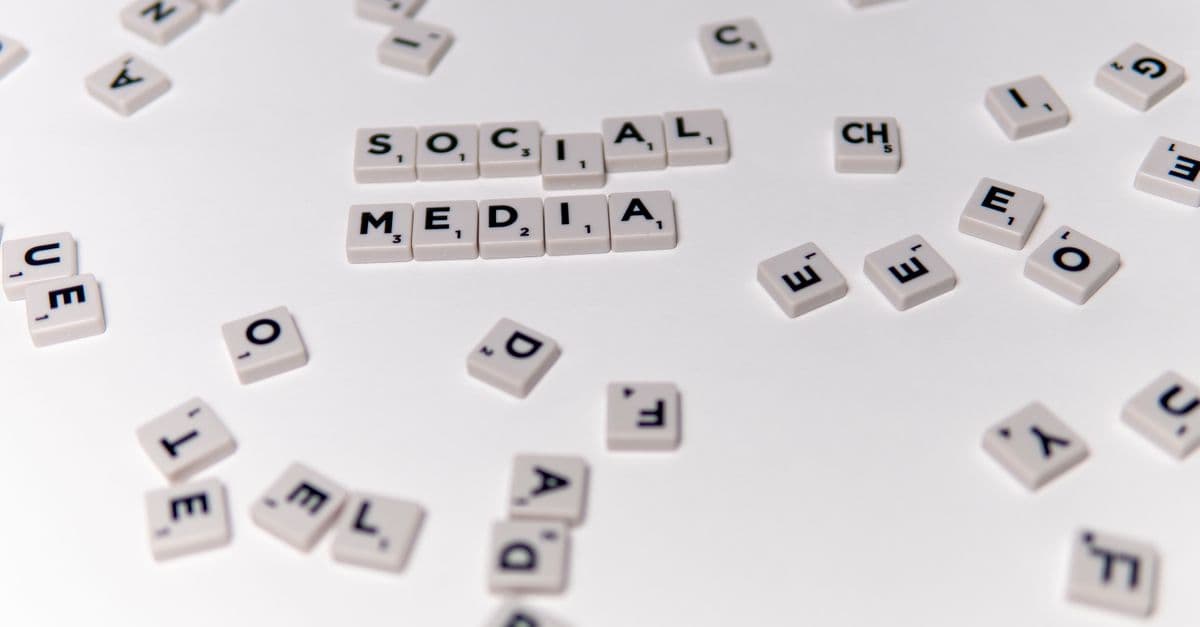
Social media platforms lean on variable rewards, cue-triggered dopamine wanting, and social comparison. Here is what the research shows, and where it falls short.

Finland has been the world's happiest country for 7 consecutive years in the World Happiness Report 2024. Denmark, Iceland, and Sweden follow. The report measures life satisfaction across 140+ countries using the Cantril ladder scale. GDP matters — but social trust, freedom, and health matter more. Here's the full happiness ranking and what actually drives it.

Lesotho, Guyana, and Eswatini have the world's highest suicide rates. South Korea has the highest rate among wealthy OECD nations. Globally, nearly 800,000 people die by suicide each year — more than all wars and homicides combined. Here's what the data shows and what interventions actually work.

The US has the highest rate of depression and anxiety in OECD surveys. Australia and New Zealand lead in mental health spending per capita. Only 1 in 3 people with mental illness globally receive treatment. The mental health treatment gap costs the global economy $1 trillion per year in lost productivity.

Loneliness is now a public health crisis. More people than ever report feeling profoundly alone — even surrounded by others. Here's what the science of loneliness reveals, and why it matters more than you think.

Attention is not one ability but a set of brain systems with hard limits. Here is what neuroscience and psychology have actually measured about focus, interruptions, and training attention.

About 1 in 7 people worldwide live with a mental disorder. The biology is real but incompletely understood, and several effective treatments exist. Here is what the evidence supports.